Rai Cuisine and Traditional Food Systems
Rai cuisine is a reflection of the community's Himalayan environment, agricultural practices, and cultural values. The traditional Rai diet is based on locally grown grains, vegetables, and preserved foods that provide sustenance throughout the year. Food in Rai culture is not merely sustenance — it is central to social life, spiritual practice, and cultural identity.Staple Foods of the Rai Diet.The Rai diet is built around several staple foods that form the foundation of daily meals:
- Millet and Buckwheat: The most important grains in Rai cuisine, used to make dhido (porridge), roti (flatbread), and various baked goods. These grains are well-suited to the high-altitude environment of eastern Nepal.
- Rice: The preferred grain for daily meals, especially during festivals and ceremonies. Rice is often accompanied by dal (lentils), vegetables, and meat curries.
- Maize (Corn): Used in various forms — roasted, ground into flour, or made into a thick porridge. Maize is especially important in lower-altitude Rai communities.
- Potatoes: A versatile ingredient that can be boiled, roasted, fried, or added to curries. Potatoes were introduced to the Himalayas centuries ago and have become a staple in Rai cuisine.
- Lentils and Legumes: Various types of lentils (dal) are grown and consumed daily, providing essential protein. Black-eyed peas, soybeans, and other legumes are also common.
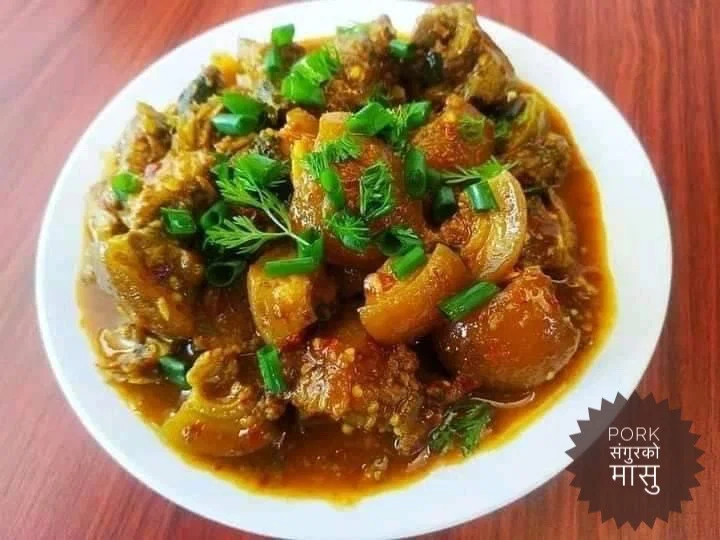
Preserved and Fermented FoodsThe Rai people have developed sophisticated food preservation techniques that allow them to store food for the harsh winter months:
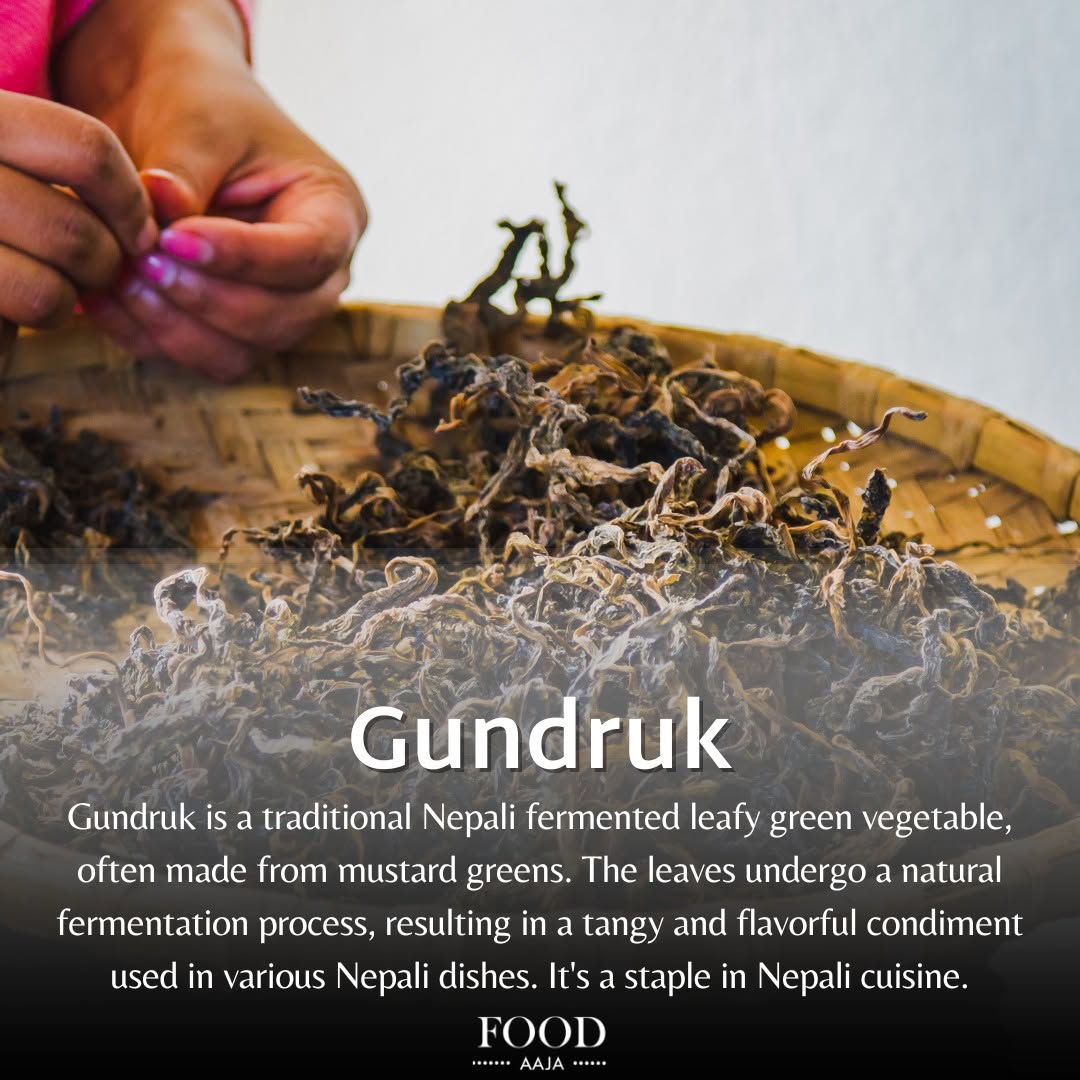
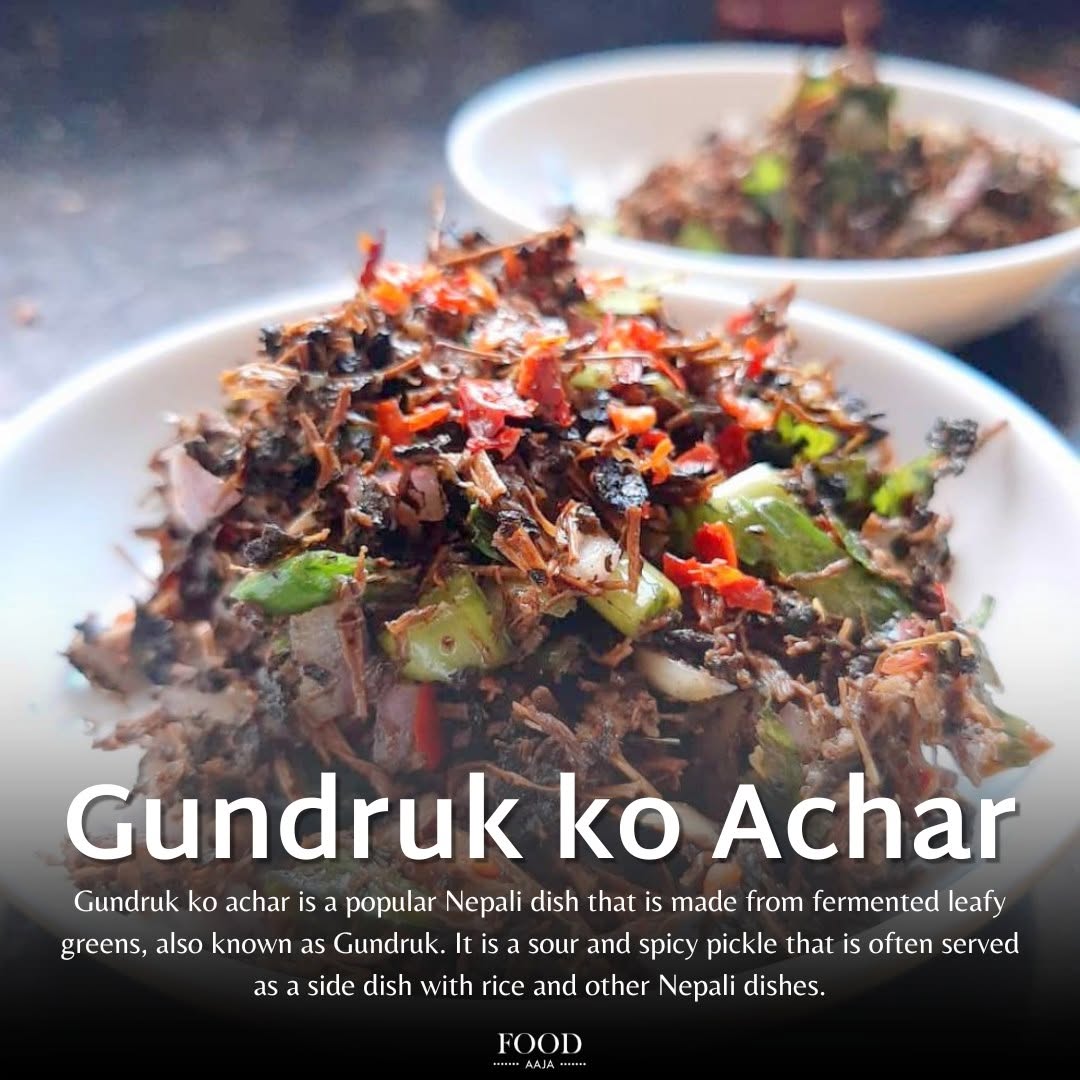
- Gundruk: Fermented mustard greens that are dried and stored for months. Gundruk is the most iconic preserved food in Rai cuisine, providing essential nutrients during winter when fresh vegetables are scarce. It is typically cooked into a tangy soup (gundruk ko jhol) and served with rice or dhido.
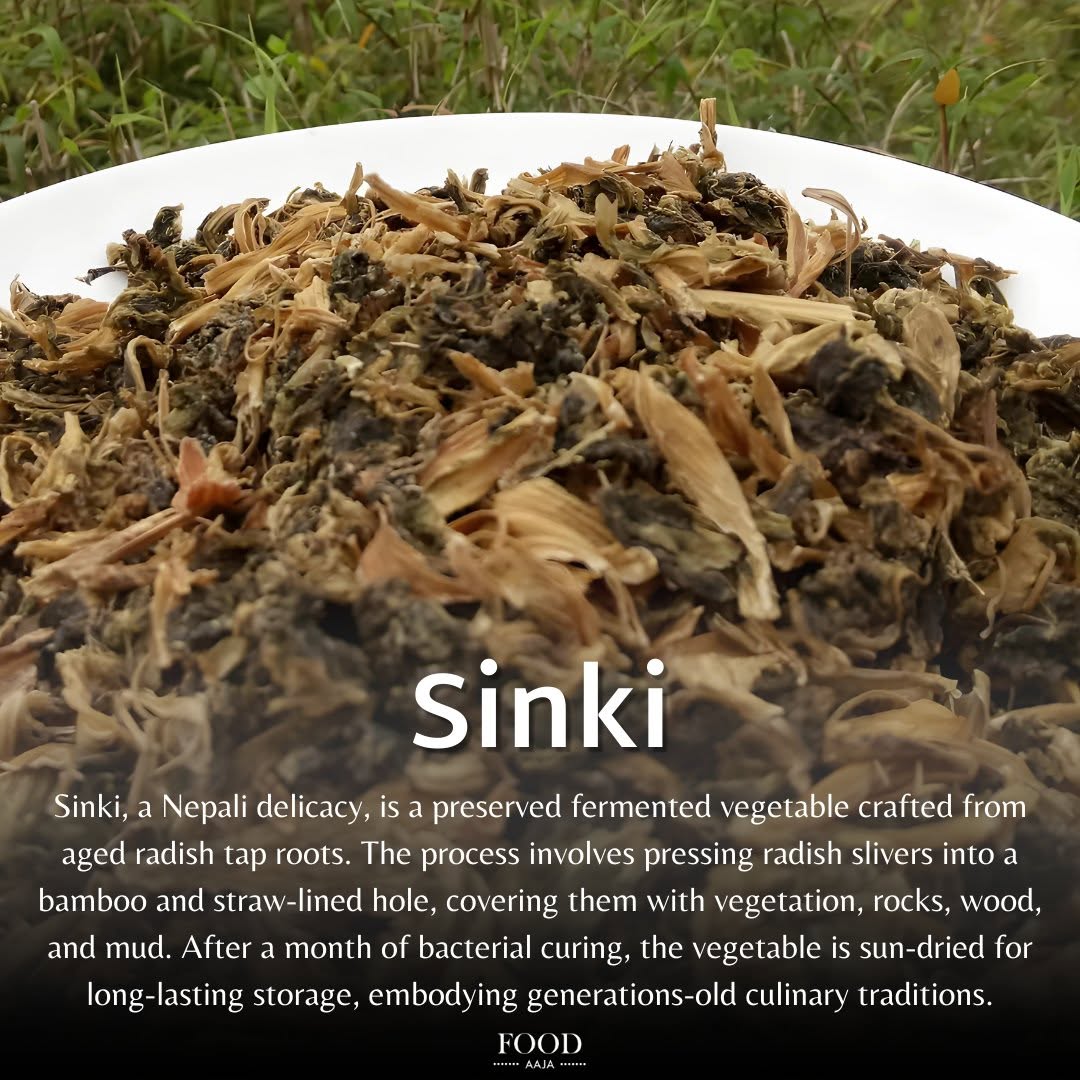
- Sinki: Fermented radish roots that are preserved in pits. Sinki has an intense, pungent flavor and is used in pickles and curries. It is especially popular during festivals and cold winter days.
- Sukuti: Dried and smoked meat (usually buffalo or goat) that can be stored for months without refrigeration. Sukuti is fried, ground into powder, or added to curries for flavor and protein.
- Chyang: Fermented rice beer that serves as both a beverage and a food source. Chyang contains beneficial bacteria and is an important part of Rai social and spiritual life.
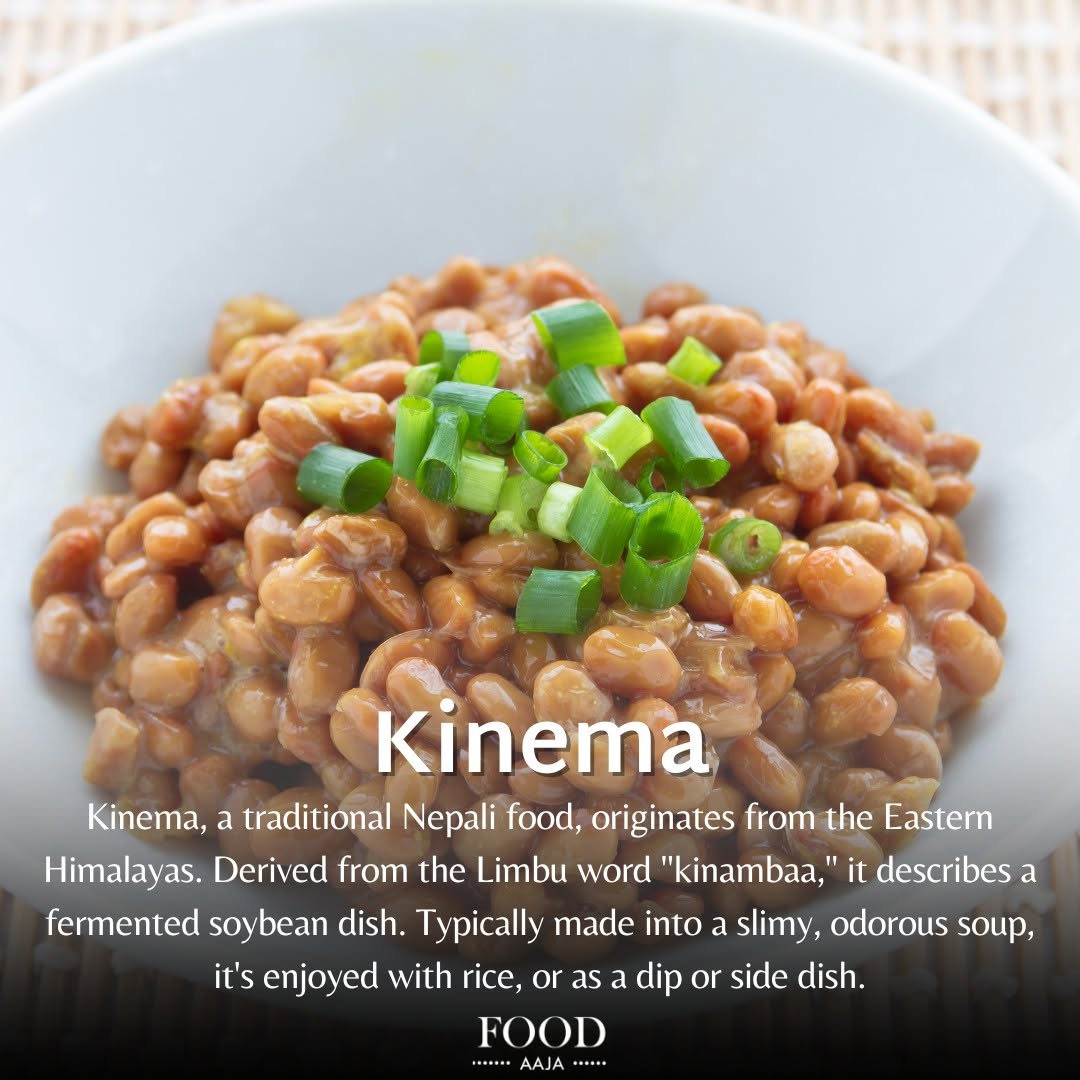
- Kinema: Fermented soybeans that are high in protein and have a distinctive umami flavor. Kinema is typically cooked into a soup or eaten as a side dish with rice.
- Dried Vegetables: Various vegetables — including tomatoes, peppers, and leafy greens — are dried and stored for winter use. These dried vegetables add flavor and nutrition to winter meals.
Traditional Rai Cooking MethodsRai cuisine employs distinctive cooking methods that reflect the community's environment and resources:
- Wood-Fire Cooking: Most traditional Rai cooking is done over a wood fire, which imparts a distinctive smoky flavor to the food. The hearth (chulo) is the center of the Rai kitchen and home.
- Clay Pot Cooking: Clay pots (bans ko bhancha) are used for slow-cooking curries and stews. The clay imparts a unique flavor and helps retain nutrients.
- Steaming: Steaming is used for various foods, including momo (dumplings), rice cakes, and steamed vegetables. Bamboo steamers are the traditional steaming equipment.
- Roasting: Roasting is used for meats, vegetables, and grains. Roasted corn and roasted potatoes are popular snacks.
- Fermentation: The Rai people have mastered the art of fermentation, using natural bacteria and yeast to preserve foods and enhance their flavor and nutritional value.
Traditional Rai DishesSome of the most beloved traditional Rai dishes include:
- Gundruk ko Jhol: A tangy soup made from fermented mustard greens, seasoned with turmeric, cumin, and green chilies. Served with rice or dhido.
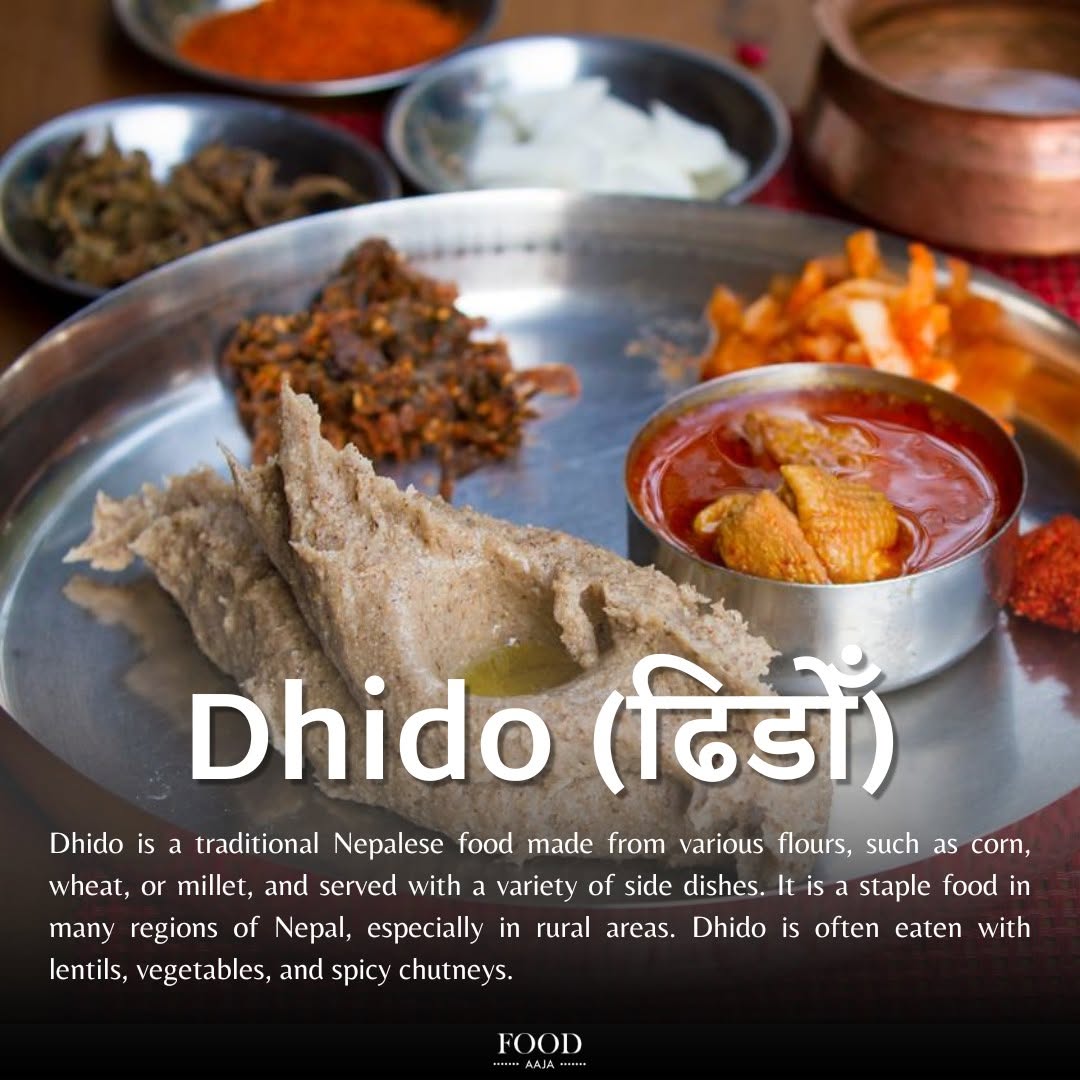
- Dhido: A thick, hearty porridge made from millet or buckwheat flour. Traditionally eaten with gundruk soup, meat curry, or yogurt.
- Sinki ko Achar: A spicy, tangy pickle made from fermented radish. Adds intense flavor to any meal.
- Sukuti: Dried, smoked meat that is fried or ground into a spicy powder. A beloved snack and ingredient.
- Chyang: Fermented rice beer, traditionally served in a bamboo vessel (tongba) and sipped through a bamboo straw.
- Kinema: Fermented soybeans cooked into a soup or eaten as a side dish. High in protein and flavor.
- Tama Curry: A tangy, spicy curry made from fermented bamboo shoots, black-eyed peas, and potatoes.
- Kodo ko Roti: A nutritious flatbread made from finger millet flour, cooked on a flat griddle.
- Mula ko Achar: A fresh radish pickle made with mustard oil, turmeric, and green chilies.
Food in Rai Social LifeFood plays a central role in Rai social and cultural life:
- Hospitality: Offering food to guests is a fundamental Rai value. Visitors are always offered something to eat, even if it is just tea and snacks.
- Community Feasts: Large communal meals are held during festivals, weddings, funerals, and other important events. These feasts strengthen community bonds and celebrate shared identity.
- Religious Offerings: Food is offered to deities and ancestors during rituals and prayers. The Nakshhong (priest) blesses the food before it is consumed.
- Seasonal Celebrations: Specific foods are associated with specific seasons and festivals. For example, gundruk and sinki are winter foods, while fresh vegetables and greens are associated with spring.
- Women's Role: Women are the primary cooks and food preparers in Rai households. Traditional cooking knowledge is passed down from mother to daughter.
Rai Food and HealthTraditional Rai cuisine is inherently healthy, based on whole grains, vegetables, and fermented foods:
- Whole Grains: Millet, buckwheat, and finger millet are nutrient-rich whole grains that provide sustained energy.
- Fermented Foods: The abundance of fermented foods in the Rai diet provides beneficial bacteria that support gut health and immunity.
- Minimal Processing: Traditional Rai foods are minimally processed, retaining their natural nutrients and flavors.
- Local and Seasonal: Rai cuisine is based on locally grown, seasonal ingredients that are fresh and nutritious.
- Herbal Teas: Various herbal teas made from local plants are consumed daily for their medicinal properties.
Modern Changes in Rai Food CultureWhile traditional Rai cuisine remains important, modern influences have brought changes:
- Processed foods are becoming more common, especially in urban areas.
- Younger Rai may prefer convenience foods over traditional cooking.
- Despite these changes, there is a growing appreciation for traditional Rai foods, both within the community and beyond.
- Efforts are being made to document and preserve traditional Rai food knowledge.