Rai in the British Army -The Gurkha Legacy
The Rai people have a long and distinguished history of military service in the British Army. As one of the major Kirat groups, the Rai have served as Gurkha soldiers for over two centuries, earning a reputation for bravery, loyalty, and exceptional combat skills. The Gurkha regiments have been an integral part of the British military since the early 19th century, and Rai soldiers have played a significant role in this proud tradition.
Historical Background
The tradition of Rai men joining the British Army began in the early 1800s, following the Anglo-Nepalese War (1814-1816). British officers were impressed by the courage and fighting abilities of the Kirat warriors they encountered during the conflict. After the war, many Rai and other Kirat men were recruited into the British East India Company's army, and later into the British Indian Army. Key historical points:
- Anglo-Nepalese War: The conflict that first brought British attention to the martial qualities of the Kirat people, including the Rai.
- Initial Recruitment: Following the war, Rai men began joining the British forces in significant numbers, particularly in the Gurkha regiments.
- World Wars: Rai Gurkhas served with distinction in both World War I and World War II, fighting in Europe, North Africa, the Middle East, and Southeast Asia.
- Indian Independence: After 1947, the Gurkha regiments were divided between the British and Indian armies. Many Rai soldiers chose to continue serving in the British Army.
Regimental Affiliations Rai soldiers have served in various Gurkha regiments over the years:
- 2nd King Edward VII's Own Gurkha Rifles (The Sirmoor Rifles): Many Rai soldiers served in this regiment, which has a distinguished history dating back to 1815.
- 6th Queen Elizabeth's Own Gurkha Rifles: Another regiment with significant Rai representation.
- 7th Duke of Edinburgh's Own Gurkha Rifles: Rai men served in this regiment, which was formed in 1948 from the 8th Gurkha Rifles.
- The Royal Gurkha Rifles: The current British Army Gurkha regiment, formed in 1994 from the amalgamation of the four remaining Gurkha regiments. Rai soldiers continue to serve in this regiment today.
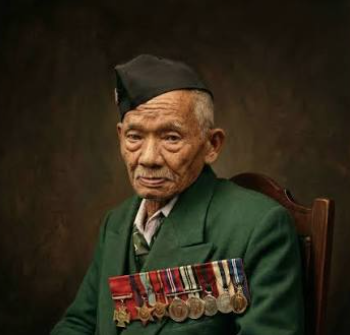
Bravery and Honors Rai Gurkhas have been recognized for their exceptional bravery and service:
- Victoria Cross: Several Rai soldiers have been awarded the Victoria Cross, the highest military decoration for valor in the British armed forces.
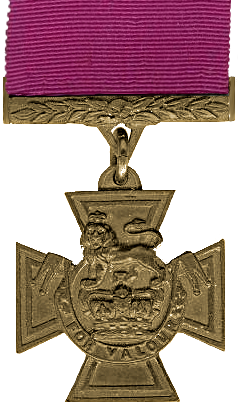
Image: Victoria Cross
- Other Decorations: Numerous Rai Gurkhas have received other honors including the Military Cross, Indian Order of Merit, and various campaign medals.
- Battle Honors: Rai soldiers have participated in major conflicts including the North-West Frontier campaigns, the Burma Campaign, the Malayan Emergency, the Falklands War, and operations in Afghanistan and Iraq.
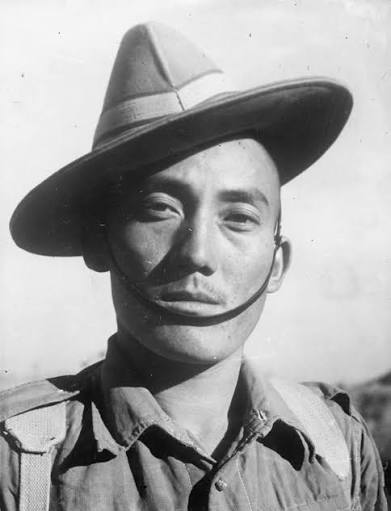
Image : Victoria cross winner Agansingh Rai of 2nd Battalion, 5th Royal Gurkha Rifles 1944,
Life in the British Army For many Rai families, service in the British Army has been a tradition passed down through generations:
- Recruitment: Young Rai men undergo rigorous selection processes to join the Gurkha regiments, competing for limited positions.
- Training: Recruits undergo intensive training at the Gurkha Training Company in Nepal, learning military skills, English language, and British military customs.
- Service Terms: Gurkhas typically serve for 15 years or more, with opportunities for promotion and specialization.
- Pension and Benefits: Upon retirement, Gurkhas receive pensions and benefits, which have historically been a significant source of income for Rai communities.
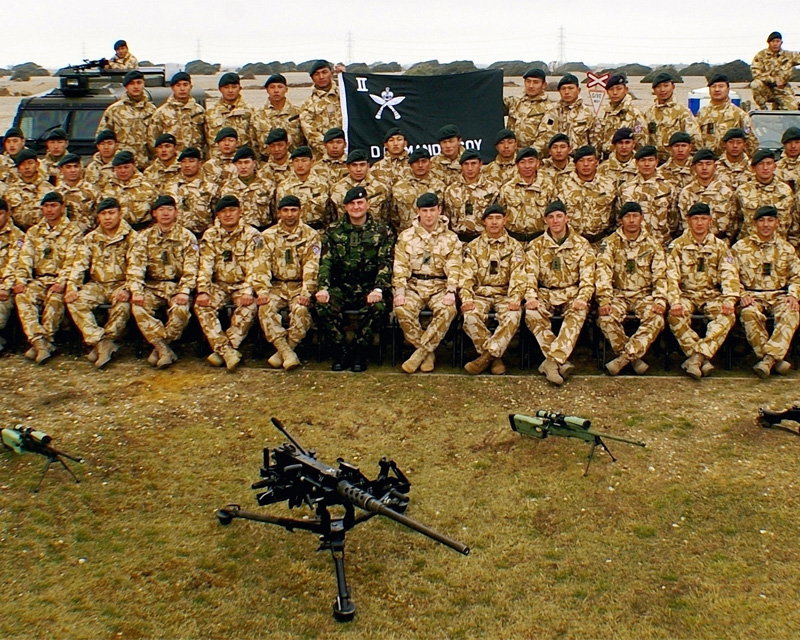
Impact on Rai Communities The Gurkha tradition has had profound effects on Rai communities:
- Economic Impact: Army salaries and remittances have been a major source of income for Rai families in eastern Nepal.
- Education: Army service has enabled many Rai families to educate their children, contributing to social mobility.
- Infrastructure: Gurkha welfare organizations have contributed to building schools, health posts, and other infrastructure in Rai-inhabited areas.
- Social Status: Gurkha veterans enjoy high social status in Rai communities, and the tradition of military service continues to be respected.
Modern Challenges While the Gurkha tradition remains strong, Rai soldiers face modern challenges:
- Pension Disparities: Historically, Gurkha pensions were lower than those of British soldiers, though this has been largely addressed in recent years.
- Settlement Rights: Gurkhas who served in the British Army have fought for the right to settle in the UK, which was finally granted in 2004 and expanded in 2009.
- Changing Nature of Service: Modern military operations differ significantly from traditional Gurkha warfare, requiring new skills and adaptations.
- Declining Recruitment: As Nepal develops economically, fewer young Rai men are choosing military service as a career path.
Legacy and Recognition The Rai contribution to the British military is a source of immense pride for the community:
- Memorials: Gurkha memorials in the UK and Nepal honor the sacrifices of Rai and other Gurkha soldiers.
- Cultural Recognition: The Gurkha tradition is celebrated in Rai cultural events and is an important part of Rai identity.
- Community Organizations: Organizations like the British Gurkha Welfare Society and the Gurkha Brigade Association support Rai veterans and their families.
- Continued Service: Rai men continue to serve in the British Army today, maintaining a tradition that spans over two centuries.