Rai Traditional Clothing Patterns and Weaving Techniques
The Rai people have a rich tradition of textile arts, with distinctive patterns, weaving techniques, and designs that have been passed down through generations. Rai textiles are not merely functional they are a visual language that communicates identity, social status, regional origin, and cultural values. Each Rai subgroup has its own distinctive patterns and color preferences, making traditional clothing an important marker of cultural identity.
The Art of Rai Weaving
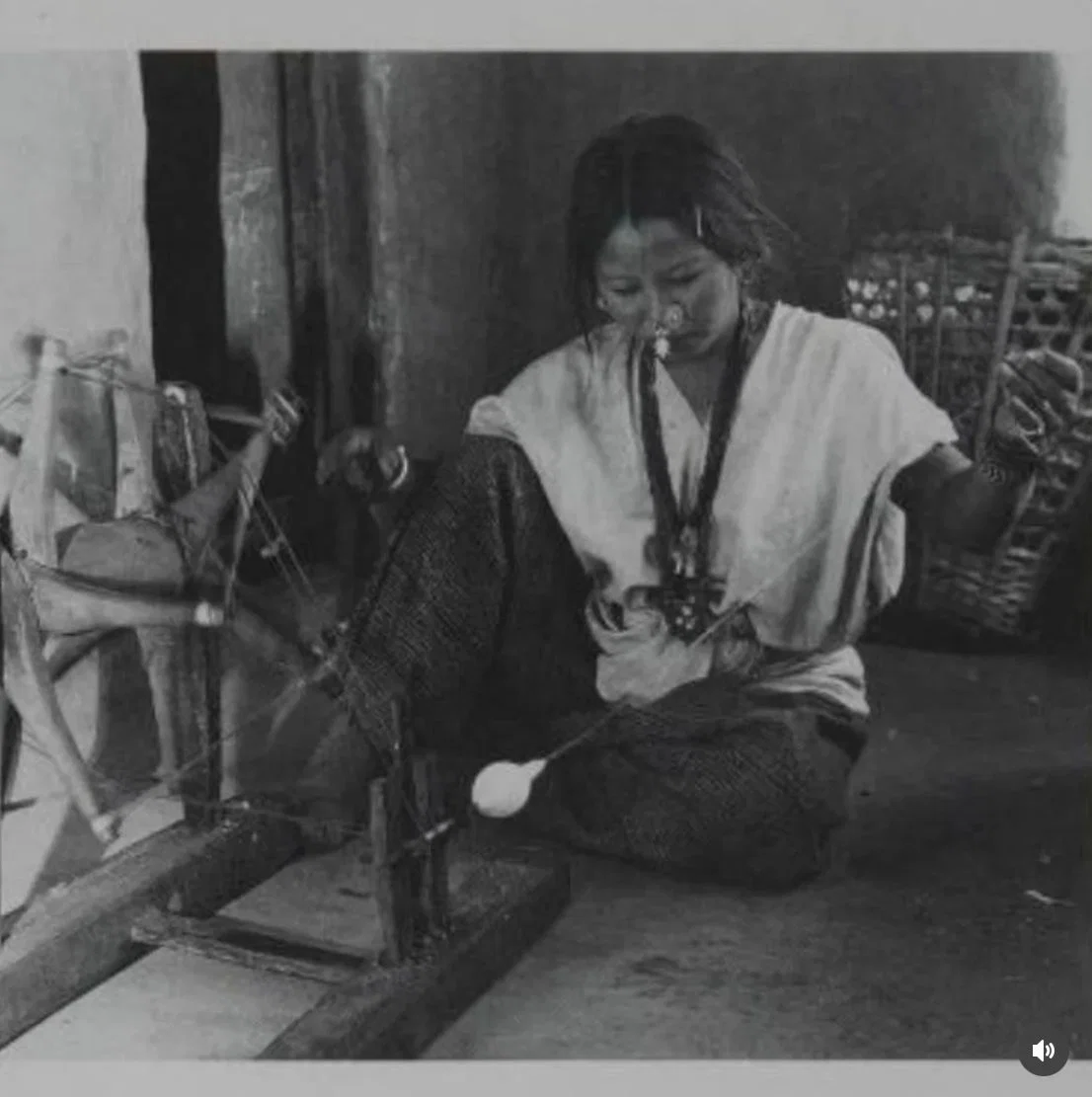
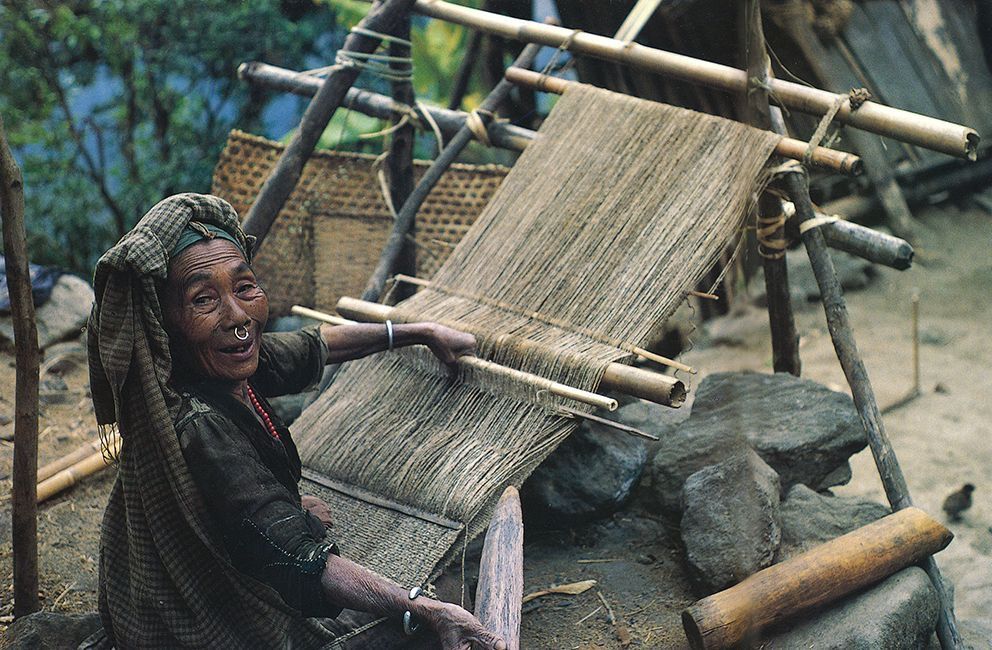
Traditional Rai weaving is done on a backstrap loom (known as "Thyo" or "Tagi" in various Rai languages), a portable weaving device that has been used in the Himalayan region for thousands of years. The weavers almost exclusively women create intricate patterns through a combination of warp and weft threads, using techniques that require years of practice to master. Key aspects of Rai weaving:
- Backstrap Loom: The traditional loom consists of two bars one attached to a fixed point (often a post or tree) and the other strapped around the weaver's back. The weaver controls tension by leaning forward or backward.
- Natural Fibers: Traditional Rai textiles are made from locally available fibers cotton, wool from Himalayan sheep, nettle fiber (alloo), and wild silk. Each fiber has its own properties and uses.
- Natural Dyes: Colors are derived from local plants, minerals, and insects. Indigo produces blues, turmeric gives yellow, madder root creates reds, and various barks and leaves provide browns and greens.
- Pattern Complexity: Complex patterns are created through supplementary weft techniques, where additional threads are woven into the base fabric to create geometric designs.
Major Rai Textile Patterns
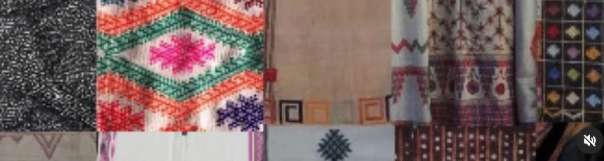
1. The Diamond Pattern (Hibung) The diamond or lozenge pattern is one of the most common and recognizable motifs in Rai textiles. The diamond represents fertility, prosperity, and the protective eye. It is often used as the central motif in shawls, blankets, and women's wrapped skirts (pachhat). The size, color, and arrangement of diamonds can indicate the wearer's subgroup and marital status.
2. The Stripe Pattern (Chindu) Horizontal stripes of varying widths and colors are a fundamental Rai textile pattern. Stripes are created by alternating colored weft threads during weaving. Different Rai subgroups have distinctive stripe combinations for example, Khambu Rai textiles often feature bold red and white stripes, while Limbu textiles may use more subtle combinations of black, white, and red.
3. The Mountain Pattern (Lungchung) Zigzag or stepped patterns representing mountains are common in Rai textiles, reflecting the community's deep connection to the Himalayan landscape. These patterns are often used in ceremonial textiles and represent the sacred peaks that are home to deities and ancestors.
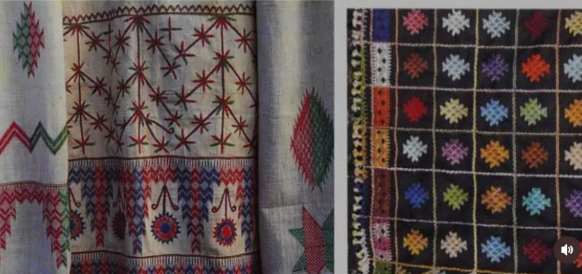
4. The Rice Grain Pattern (Makhichung) Small, repeated geometric shapes resembling rice grains are used in many Rai textiles, particularly those worn during agricultural festivals. This pattern symbolizes abundance, fertility, and the importance of rice cultivation in Rai life.
5. The Sun and Moon Pattern (Dhanne-Panne) Circular motifs representing the sun (Dhanne) and moon (Panne) are used in ceremonial and ritual textiles. These patterns connect the wearer to the cosmic order and the divine couple Sumnima (earth/moon) and Paruhang (sky/sun).
6. The Ancestor Pattern (Tutulung) Abstract geometric patterns that represent ancestors and ancestral spirits are used in textiles for funerals and memorial ceremonies. These patterns are often in black, white, and deep red, and are considered sacred.
7. The Butterfly Pattern (Chhimtung) Stylized butterfly motifs are popular in women's textiles, particularly among the Limbu Rai. The butterfly represents transformation, beauty, and the soul's journey. This pattern is often used in wedding textiles and ceremonial shawls.
8. The Snake Pattern (Phoobichhung) Serpentine patterns representing the naga (serpent spirits) are used in protective textiles. The snake is a powerful symbol in Kirat cosmology, associated with water, fertility, and the underworld. These patterns are often used in textiles for newborns and young children.
Traditional Rai Textile ProductsPachhat (Wrapped Skirt)
The pachhat is the most iconic Rai textile a wrapped skirt worn by women of all ages. It is typically made from cotton or silk, with distinctive patterns and colors that vary by subgroup. The pachhat is wrapped around the waist and secured with a knot, often accompanied by a woven belt (patuka).
Mekhli (Wrapped Shawl)
The mekhli is a large shawl or wrap worn by women, draped over the shoulders or wrapped around the body. It features elaborate patterns and is often the most decorated textile in a woman's wardrobe. The mekhli is worn during festivals, ceremonies, and important social occasions.
Chaubandi Cholo (Four-Tied Blouse)
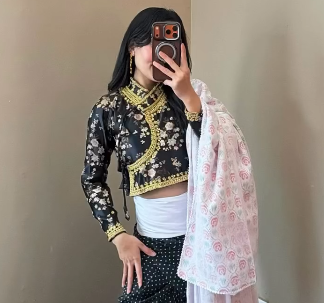
The traditional blouse worn by Rai women is called "chaubandi cholo" meaning "four-tied blouse." It is secured with ties at four points and is often made from patterned fabric that complements the pachhat.
Dhoti and Kurta (Men's Clothing) Traditional Rai men wear a dhoti (wrapped lower garment) and kurta (tunic). While often plainer than women's textiles, men's ceremonial clothing can feature elaborate patterns, particularly in the patuka (waistband) and topi (headgear).
Khanggu (Traditional Shawl) The khanggu is a ceremonial shawl worn by both men and women during important occasions. It features the most elaborate patterns and is often passed down through generations as a family heirloom.
Thakum (Baby Carrier) Traditional baby carriers are woven with protective patterns and bright colors. The patterns are believed to protect the child from evil spirits and ensure healthy growth.
Color Symbolism in Rai Textiles Colors in Rai textiles carry deep cultural significance:
- Red: The most important color in Rai textiles. Represents life force, fertility, prosperity, and the divine. Brides wear red, and red textiles are used in all major ceremonies.
- White: Represents purity, peace, and the spiritual realm. Used in funeral textiles and by priests during rituals.
- Black: Represents the earth, protection, and the underworld. Used in protective textiles and ceremonial clothing.
- Yellow/Gold: Represents the sun, wealth, and divine blessing. Associated with Paruhang and used in festival textiles.
- Green: Represents nature, growth, and the agricultural cycle. Used in spring festival textiles.
- Blue: Represents the sky, water, and the infinite. Associated with the divine and used in ceremonial textiles.
Regional Variations in Rai Textile PatternsKhambu Rai Textiles The Khambu Rai, being the largest subgroup, have the most diverse textile traditions. Khambu textiles are known for bold geometric patterns, strong red and white contrasts, and elaborate ceremonial shawls. The Khambu pachhat typically features diamond and stripe patterns in vibrant colors.
Limbu Textiles
Limbu textiles are distinguished by their use of black, white, and red in geometric patterns. The Limbu are particularly known for their elaborate mekhli shawls, which feature complex supplementary weft patterns. Limbu wedding textiles are among the most elaborate in all Rai culture.
Chamling Textiles
Chamling textiles feature more subdued colors — browns, deep reds, and creams — with patterns inspired by the natural environment. The Chamling are known for their use of nettle fiber (alloo) in everyday textiles.
Sunuwar Textiles
Sunuwar textiles are characterized by their use of natural, undyed wool in combination with indigo-dyed cotton. The patterns are often simpler than other Rai subgroups but are distinguished by their high quality and durability.
Kulung Textiles
Kulung textiles from the Solukhumbu region incorporate influences from Tibetan weaving traditions, with more use of wool and yak hair. The patterns often feature Buddhist-influenced motifs alongside traditional Kirat designs.
The Process of Creating Rai TextilesStep
1: Fiber Preparation The process begins with collecting and preparing fibers. Cotton is ginned and carded, wool is washed and carded, and nettle fiber is extracted through a labor-intensive process of retting, beating, and combing.
Step 2: Spinning Fibers are spun into thread using a drop spindle (Charkha) or spinning wheel. The quality of the thread determines the quality of the final textile. Experienced spinners can produce thread of remarkable fineness and consistency.
Step 3: Dyeing Threads are dyed using natural dyes before weaving. The dyeing process can take several days and requires knowledge of local plants, mordants, and dyeing techniques. Some colors require multiple dye baths to achieve the desired depth.
Step 4: Warping The warp threads are prepared by winding them around warping posts in the desired pattern sequence. This is a critical step that determines the final pattern of the textile. Complex patterns require careful planning and counting.
Step 5: Weaving The warp is transferred to the backstrap loom, and the weaver begins the weaving process. The weaver passes the shuttle (weft thread) through the warp, using a combination of plain weave and supplementary weft techniques to create patterns. A single textile can take weeks or even months to complete.
Step 6: Finishing After weaving, the textile is removed from the loom and finished. This may include washing, pressing, adding fringe or tassels, and any final decorative elements.
Textiles in Rai Ceremonies and Life EventsBirth
When a child is born, the grandmother weaves a special thakum (baby carrier) with protective patterns. The newborn is wrapped in a white textile with red patterns, symbolizing purity and the life force.
Coming of Age
During coming-of-age ceremonies, young Rai receive their first adult textiles — a pachhat for girls and a dhoti and patuka for boys. These textiles are woven by female relatives and feature patterns appropriate to the young person's new adult status.
Marriage
Wedding textiles are the most elaborate in Rai culture. The bride's family provides a complete set of textiles pachhat, mekhli, khanggu, and ceremonial shawls each with specific patterns and colors. The groom's family also provides textiles for the bride, including a red pachhat and elaborate mekhli. Wedding textiles are often kept as family heirlooms and passed down through generations.
Death
Funeral textiles are predominantly white and black, with minimal patterning. The deceased is wrapped in a plain white textile, and mourners wear simple white or undyed clothing. After the mourning period, a special textile with ancestor patterns is woven in memory of the deceased.
Preservation and Modern Challenges Traditional Rai weaving faces several challenges in the modern era:
- Industrial Competition: Machine-made textiles from India and China are cheaper and more readily available, reducing demand for handwoven textiles.
- Loss of Knowledge: Younger generations are less interested in learning the time-consuming art of traditional weaving, leading to a loss of traditional knowledge.
- Material Scarcity: Natural fibers and traditional dye plants are becoming harder to find as land use changes and forests are cleared.
- Cultural Change: Western clothing is increasingly common, especially in urban areas, reducing the everyday use of traditional textiles.
Revival Efforts Despite these challenges, there are efforts to preserve and revive Rai textile traditions:
- Weaving Cooperatives: Women's cooperatives in eastern Nepal are working to preserve traditional weaving techniques and create markets for handwoven textiles.
- Cultural Education: Schools and cultural organizations are teaching young Rai about the significance of traditional textiles and the skills needed to create them.
- Fair Trade Markets: International fair trade organizations are helping Rai weavers access global markets for their textiles.
- Documentation: Researchers and community members are documenting traditional patterns, techniques, and their cultural significance.
- Fashion Integration: Contemporary designers are incorporating traditional Rai patterns into modern clothing, creating new demand for these ancient designs.
The Spiritual Dimension of Rai Textiles In Rai cosmology, weaving is not merely a practical activity — it is a spiritual practice. The act of weaving is seen as a reenactment of the creation of the universe, with the warp representing the cosmic order and the weft representing the flow of time. The patterns woven into textiles are believed to carry spiritual power, connecting the wearer to the divine, the ancestors, and the natural world. The weaver begins each weaving session with a prayer to Sumnima, the earth goddess, asking for guidance and blessing. The completed textile is considered a living thing, imbued with the weaver's skill, intention, and spiritual energy. This is why traditional Rai textiles are treated with such respect and are passed down through generations as precious heirlooms.