Sayabung: In the context of Modern World
The headgear worn by the Rai people by wrapping it around the head is called Sayabung. In Khas Nepali, the word can be translated as “a flower of the head” (in Bantawa). The Rai regard Sayabung as a symbol of the snow-covered mountain peak, which is why it is traditionally white in color.
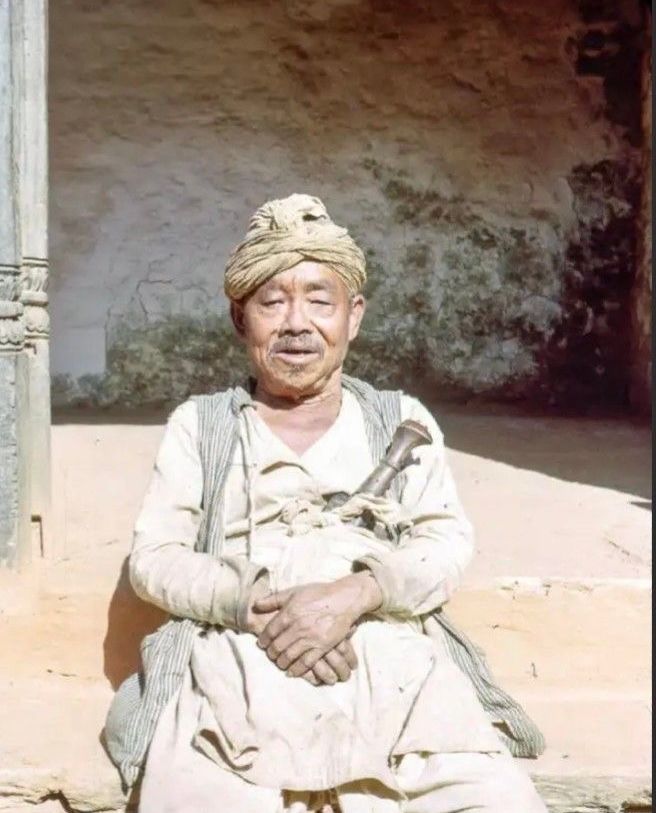
A Sayabung worn on the head is generally about 12 hands long (approximately 5 meters) and is carefully wrapped around the head. It is the traditional head attire of Kirati Khambu Rai men and is believed to have been worn by their ancestors since ancient times. Mangpa (ritual priests), Dhami, Namchhong, and scholars knowledgeable in Mundum traditions wear the Sayabung with a portion left hanging down like a tail reaching toward the shoulder. Ordinary Rai men, however, wrap the entire length neatly around the head. Sayabung is worn ceremonially during weddings and special traditional rituals such as “Shir Uthaune” (a rite of honor). At other times, it is used simply to cover the head.
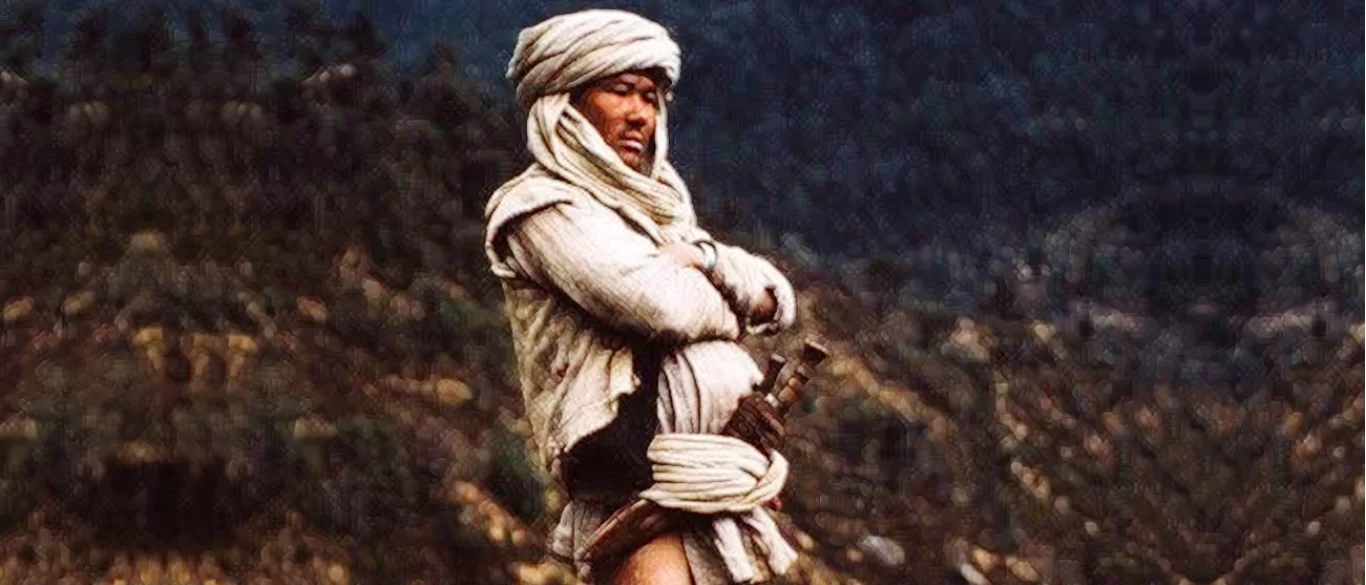
Sayabung can be worn at any time. It is not just a long piece of cloth for covering the head; it has multiple practical uses. In the past, during times of war, it was used like a helmet to protect the head from blows of khukuri or swords. When carrying heavy loads with a namlo (head strap), the Sayabung helped reduce the pressure on the head. It could be removed and used like a rope when crossing rivers or streams. It could also be tied around the waist like a sash, used to wrap food items, or spread out as bedding or a covering when staying overnight in the forest. It protects from scorching sun and keeps the head warm in winter. Because of these versatile qualities, Sayabung is traditionally made of simple white cotton cloth. During festivals, it is sometimes decorated beautifully with bird feathers. It is believed that Sayabung originated as soon as humans invented weaving and began making cloth; thus, it has been a Kirati head garment since ancient times.
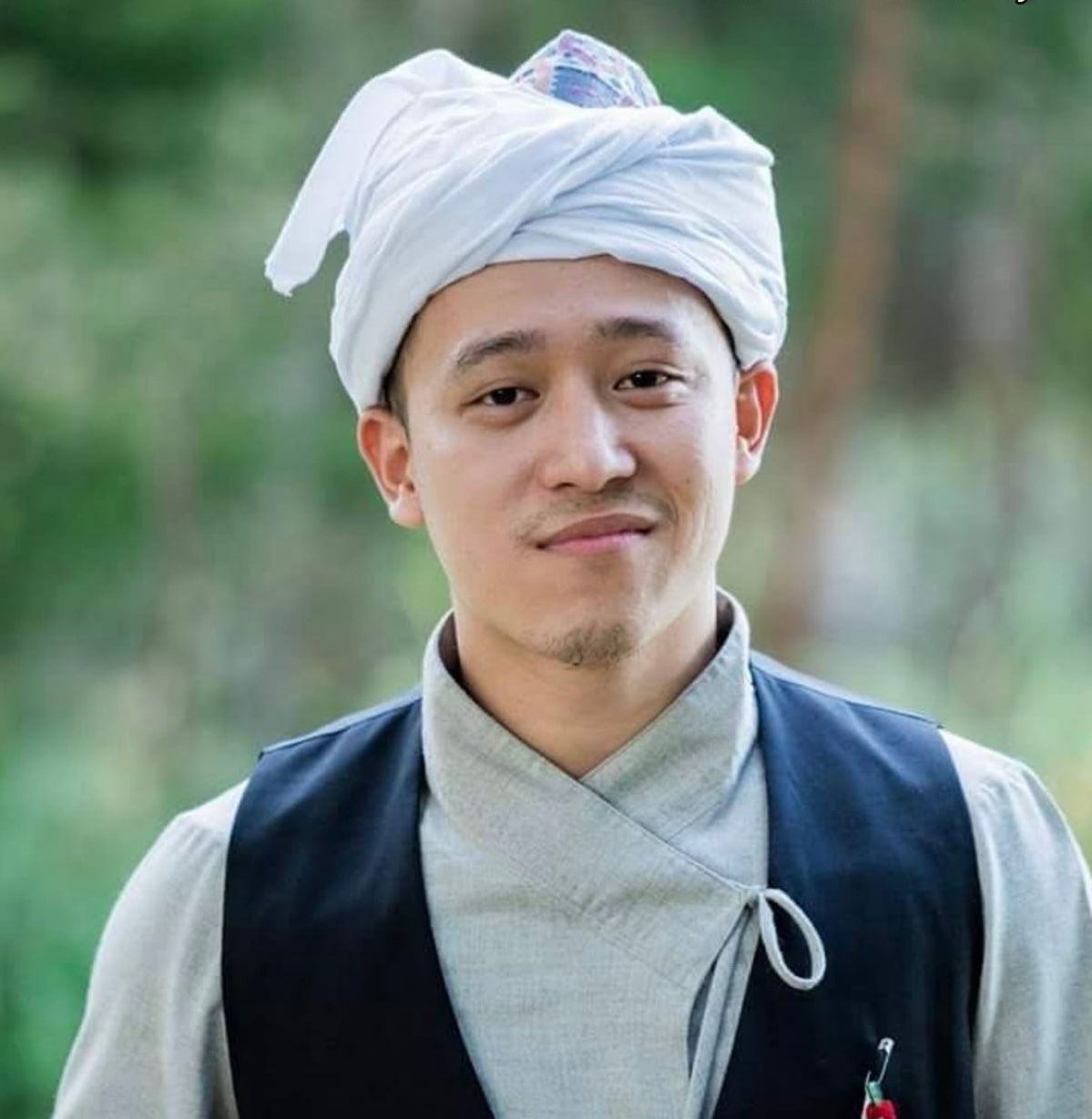
In Darjeeling and Sikkim, it is called Sayabung in the Khambu Rai language, while in Nepal it is commonly referred to as “Feta” or “Pagari.” In Nepal, not just anyone traditionally wore Sayabung; it was reserved for distinguished individuals or those who had achieved notable recognition in society. It is also ceremonially placed on someone’s head as a mark of honor under the name “Pagari.” During the reign of King Prithvi Narayan Shah and his descendants, the headman of a Rai village was called “Pagari Rai.” The Pagari Rai was responsible for collecting “Dashain Sita” (tribute, tax, or revenue) from the villagers. This system was not implemented in Darjeeling and Sikkim.
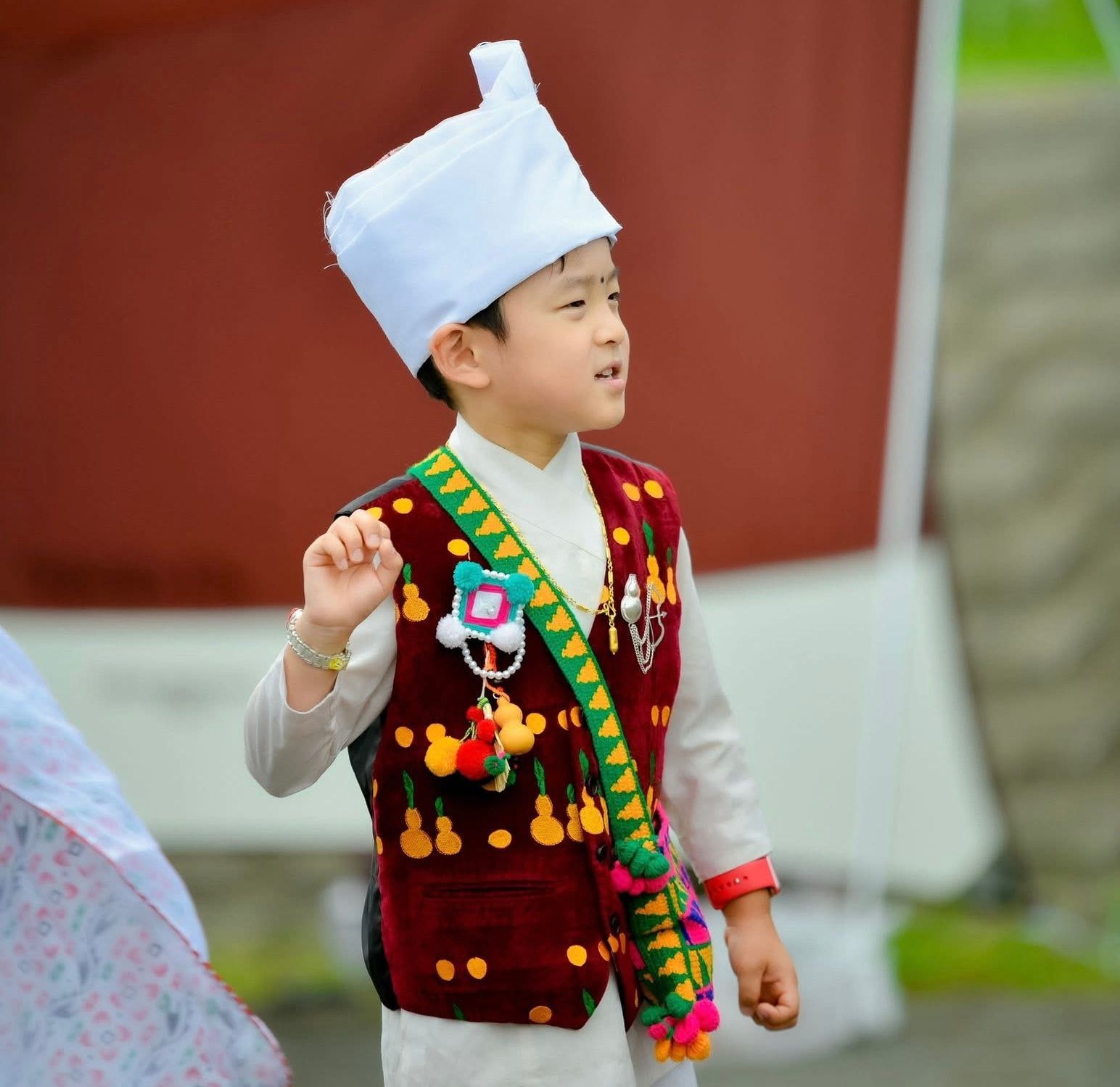
Over time, however, the practice of wearing the traditional Sayabung declined in eastern Nepal, Sikkim, and Darjeeling, where Rai communities are concentrated. In Darjeeling and Sikkim today, Sayabung is widely worn during Sakela festivals, Rai assemblies, and occasions where ethnic dress is displayed. Its use is increasing among the Rai communities there.
Recently, awareness of ethnic identity and cultural preservation among the Kirati Rai has grown significantly. Khambu Rai communities are actively working toward reviving their languages and traditions. As part of this movement, the use of traditional attire has increased, and Kirati dress is now more easily available in towns and markets. Ready-made Sayabung has also appeared in the market, particularly used by Khambu people in Darjeeling and Sikkim. However, such ready-made versions do not truly match the authentic Sayabung. The uniqueness of Sayabung lies in its multifunctional nature, which market-made versions cannot fully provide.
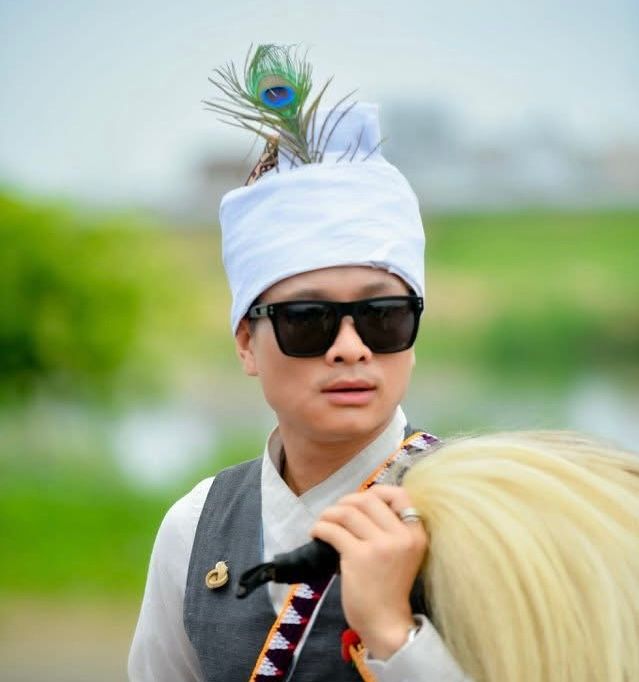
An authentic Sayabung is pure white and wrapped in a way that covers the hair of the head. If it is not wrapped properly but pre-stitched or artificially shaped, it is considered artificial or imitation Sayabung. Artificial Sayabung lacks Kirati authenticity and does not look like the real one. The method of leaving a “tail” in artificial versions is often incorrect. As mentioned earlier, only Mangpa, Mangma, Namchhong, and knowledgeable ritual scholars should wear a Sayabung with a tail.
While we strive to establish recognition as Indigenous peoples, it is contradictory to prefer modernized versions of our traditional headgear. This is controversial. Do we not even have the ability to wear the real Sayabung and instead feel compelled to wear versions designed by traders? Let us understand this issue in depth. By using artificial Sayabung, we should not create confusion about our Kirati identity.
Written by Dev Khambu