The Pillars of Kirat Civilization: Tayama, Khiyama, and Hetchhakupa
Introduction
In the fertile hills of eastern Nepal, the indigenous Kirat Rai people preserve an ancient, rich worldview through their sacred oral scripture, the Mundum. Unlike traditions reliant on static, written dogmas, the Mundum is a living, genealogical record that centers human identity around nature, ancestral roots, and community survival. Within this cosmological framework, the stories of three ancestral siblings Tayama, Khiyama, and Hetchhakupastand as foundational pillars. They are not merely characters of legend; they are revered as the primary culture heroes who introduced civilization, agriculture, and craftsmanship to the Kirat lineage.
The Sacred Geography of Tuwachung
The factual framework of Kirat history is deeply tied to physical, sacred geography. The Mundum places the lives of Tayama, Khiyama, and Hetchhakupa directly on Tuwachung Hill (located in the present-day Khotang District of eastern Nepal). Archaeological interest and local social memory treat Tuwachung not as a mythical realm, but as the ancestral cradle of the Rai people. It is here that the early Kirat ancestors transitioned from nomadic foraging to structured, communal settlements.
Tayama and Khiyama: Pioneers of Technology and Art
In Kirat culture, technological evolution is historically credited to female leadership. Tayama (the elder sister) and Khiyama (the younger sister) are documented in oral history as the first skilled weavers of the Himalayan foothills.
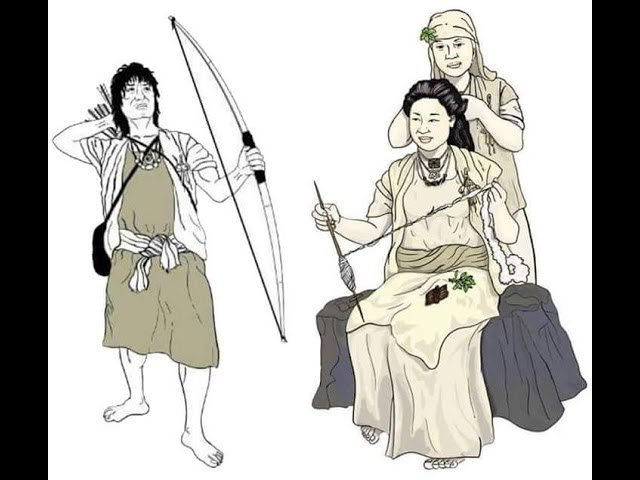
- The Invention of Textiles: According to historical oral accounts, the sisters harvested wild hemp, stinging nettle fibers (allo), and cotton to spin the first threads. They constructed primitive handlooms (Tan) and taught the early Kirat people how to weave clothes to protect themselves from the elements.
- The Birth of Sakela Sili: The physical movements involved in their weaving stretching the thread, sorting fibers, and operating the loom were meticulously mimicked and preserved. These rhythmic movements gradually evolved into the Sili (stylized dance steps) performed today during the major Sakela festivals (Ubhauli and Udhauli).
Hetchhakupa: The Guardian of Agriculture
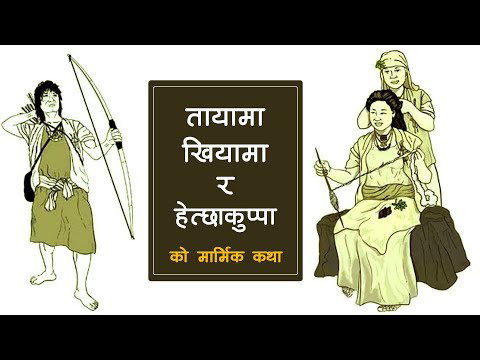
Hetchhakupa (also phonetically captured as Hetakupcha or known regionally as Raichhakule) was the younger brother of Tayama and Khiyama. While his sisters mastered material craftsmanship, Hetchhakupa focused on the survival of the community through the soil. He is celebrated as the ancestor who pioneered settled farming, domesticating native grains, and establishing animal husbandry. His relationship with his sisters symbolizes the foundational balance in early Kirat society between agricultural food production and material manufacturing.
Cultural Legacy and Modern Continuity
Today, the legacy of these three siblings remains active in the daily lives of the Kirat Rai community:
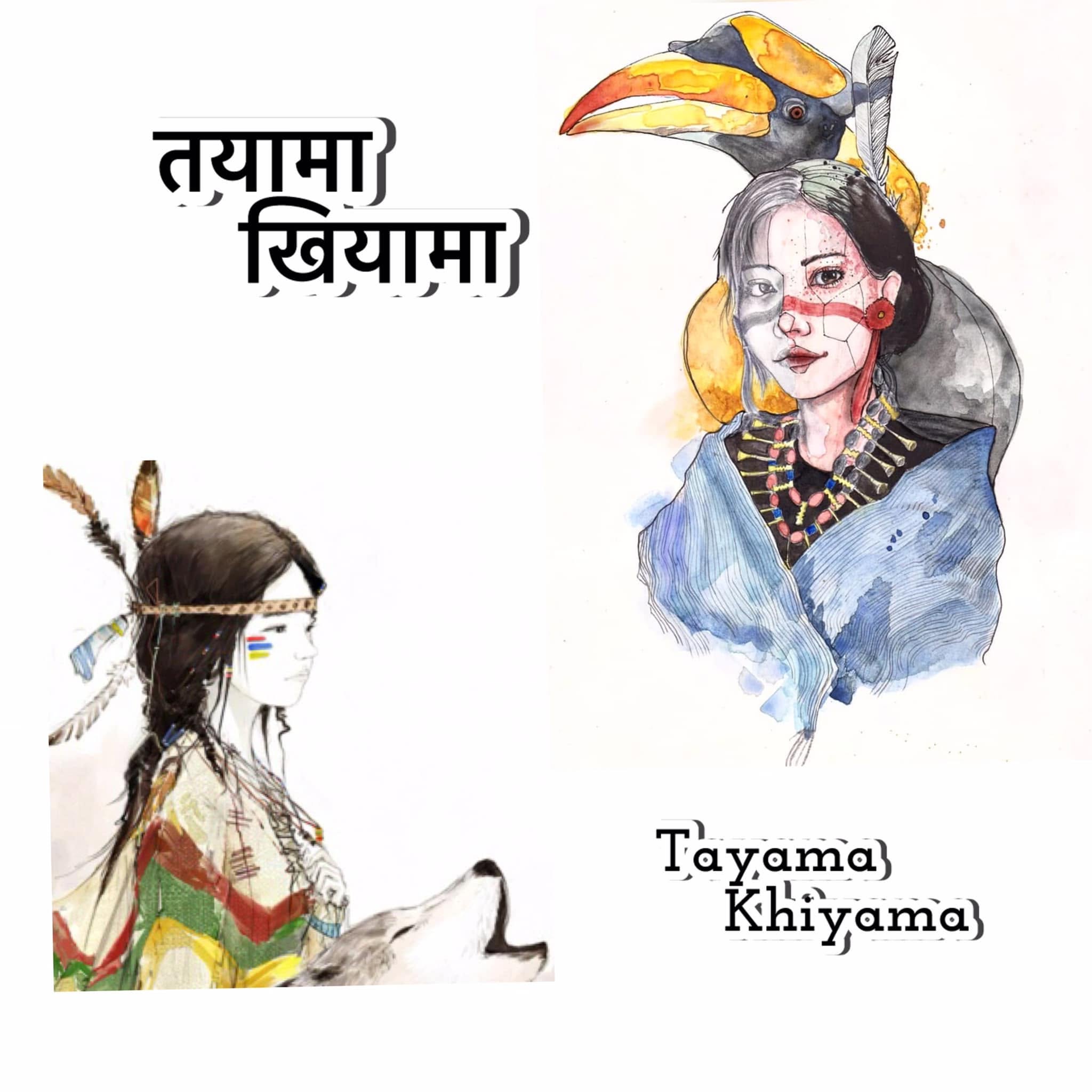
- The Sakela Dances: Every year during the planting season (Ubhauli) and the harvest season (Udhauli), thousands of Kirats gather to dance the Sakela. The choreography explicitly acts out the historical deeds of Tayama, Khiyama, and Hetchhakupa, tracking the history of human civilization from hunting to weaving and farming.
- Ritualistic Invocation: During household rituals, the Nakchhong or Mangpa (tribal priests) still chant the names of these ancestors to honor the lineage and request blessings for a successful harvest and community health.
Conclusion
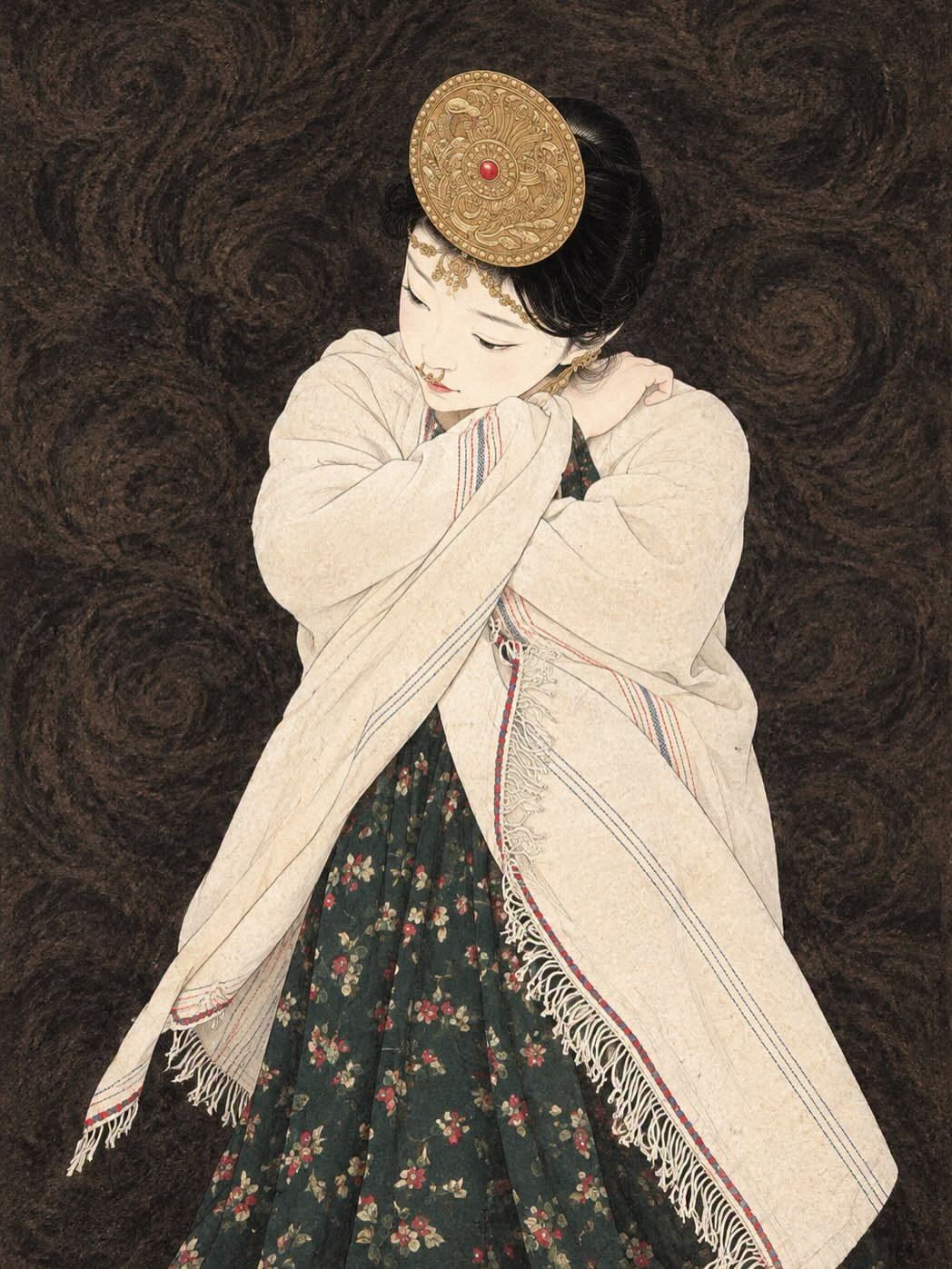
Tayama, Khiyama, and Hetchhakupa represent the transition of the Kirat people from a primitive state into an advanced, self-sufficient society. By anchoring textile technology, agriculture, and artistic expression to these historical ancestors, the Mundum ensures that every thread woven and every seed planted remains an act of deep ancestral remembrance.