Traditional Marriage System of the Rai Community
The traditional marriage system of the Rai community is deeply rooted in kinship rules, clan structure, and customary law. Marriage within the same sub-caste (thar) is generally prohibited unless there is no further subdivision into pachhas. For example, a member of the Chamling Rai or Thulung Raicommunity may marry someone of the same broader group only if their pachhas (lineage division) are different. Blood relations are strictly forbidden, and marriage within three generations on the maternal side is prohibited. Violations of these rules traditionally led to social ostracism, and the couple could be compelled to leave the community.
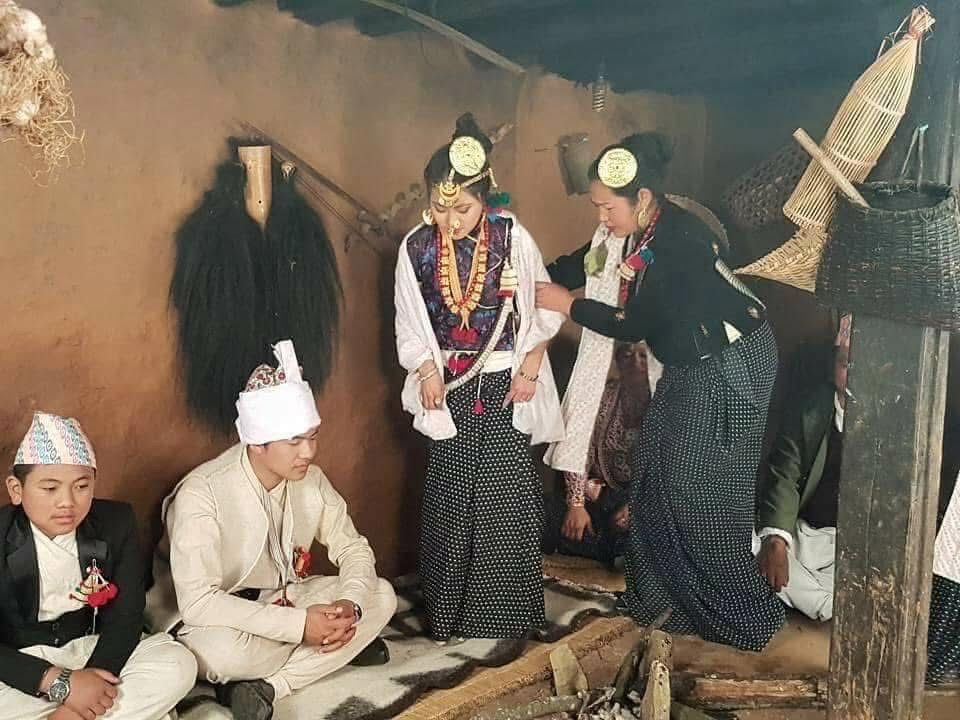
Fig:1 A Glimpse of the Traditional Rai Marriage Ceremony
The marriage process begins with the sending of an emissary, usually accompanied by a friend, to the girl’s family. They carry drinks and food items as tokens of respect. The approach must be polite and formal, as the purpose is to discuss and propose the marriage alliance. If the girl’s parents agree to the proposal, the girl’s consent is also sought. Upon her approval, a small amount of money is offered as a token symbolizing the confirmation of the relationship. The food and drinks brought by the emissary are accepted and shared among the family members present.
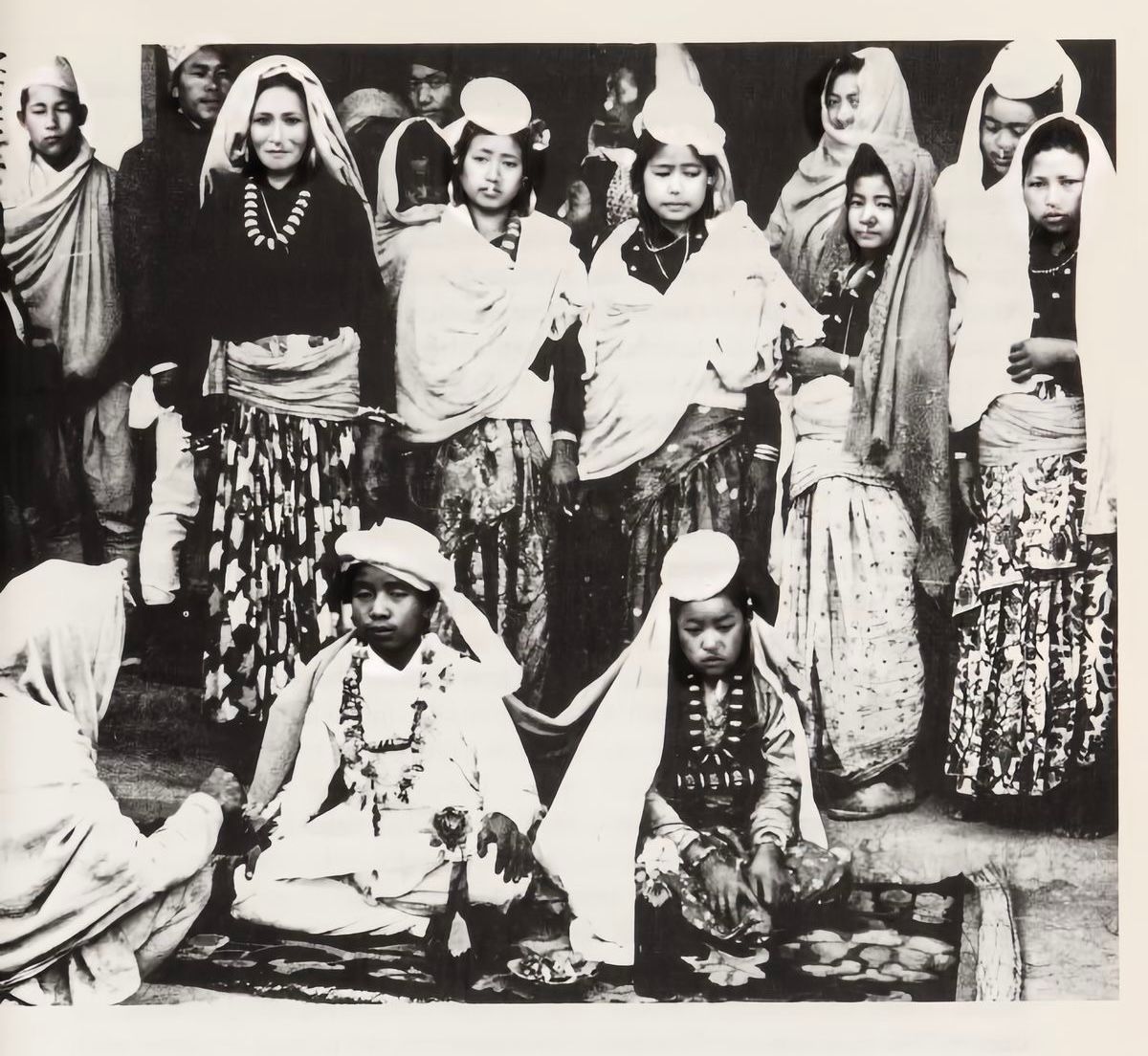
Fig:2 Bride and Groom in a Traditional Rai Marriage Celebration
A second formal visit, often called the “second eating,” is then arranged. On this occasion, the emissary and a middleman known as Kongpi visit the girl’s house again with additional gifts, drinks, and food. During this meeting, the bride’s parents may state their expectations regarding ornaments, garments, and sometimes a certain amount of money to cover wedding expenses. Although this practice was traditionally significant, it is gradually diminishing in modern times. The wedding date is finalized during this visit.
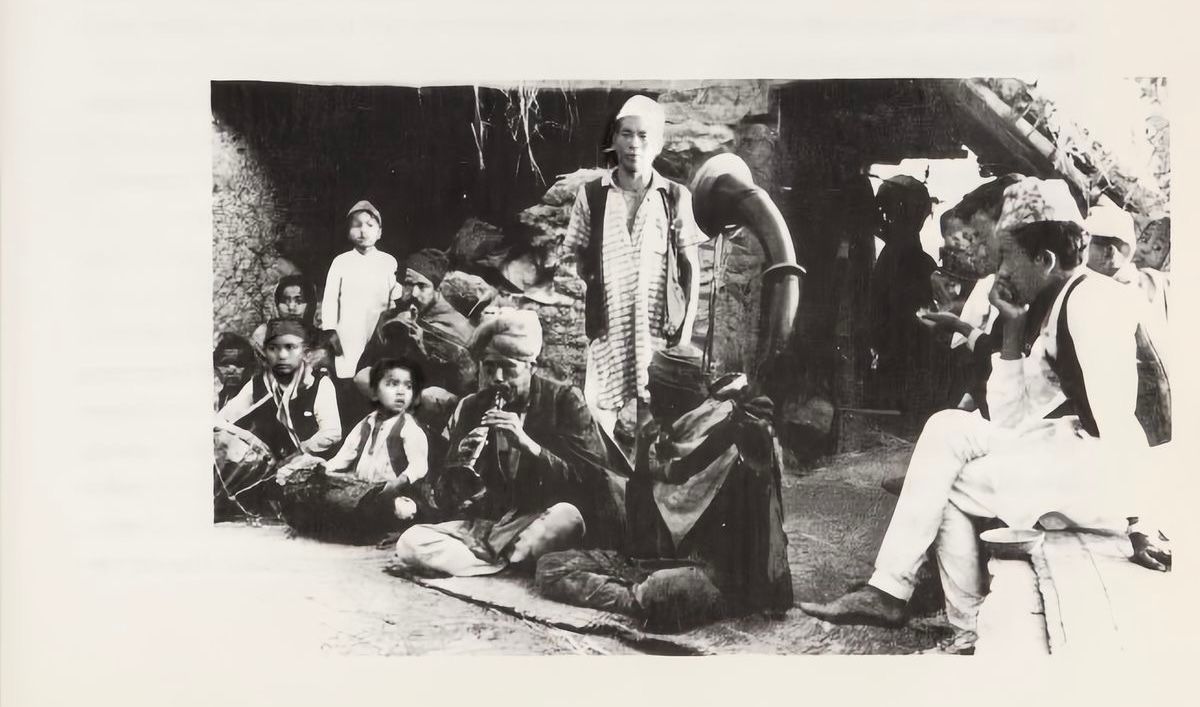
Fig:3 Ancient Marriage System with Panchaibaja
On the appointed day, the wedding procession arrives at the bride’s home, accompanied by the bridegroom and his father or paternal uncle. The middleman seeks permission before allowing the procession to enter the courtyard. Upon entry, members of the procession are ceremonially welcomed by being sprinkled with curd mixed with rice, symbolizing purity and blessing. Proper seating arrangements are made, and guests are served food and drinks.
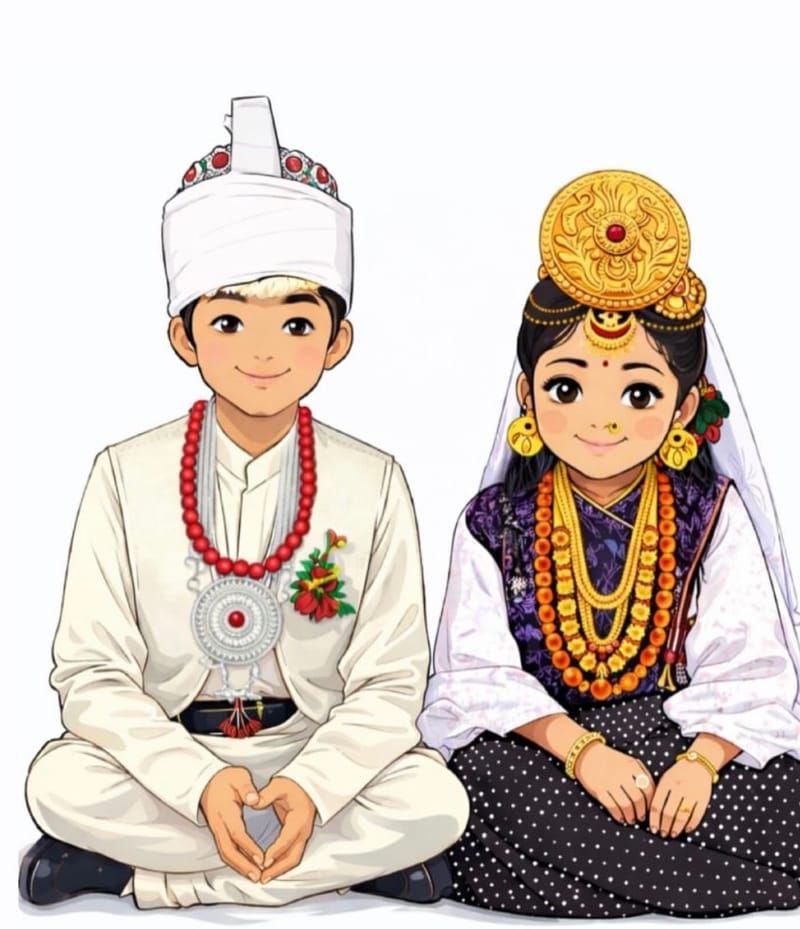
Fig: 4 Bride and Groom in wedding Dress
The bridegroom’s family presents garments and ornaments to the bride’s family. Additionally, wine and meat are offered to the bride’s close relatives. Failure to provide appropriate gifts in quality or quantity may result in criticism or social disapproval. Throughout the ceremony, the bridegroom’s party is expected to maintain utmost politeness and respect. The celebration typically includes feasting, drinking, and traditional dancing throughout the night.
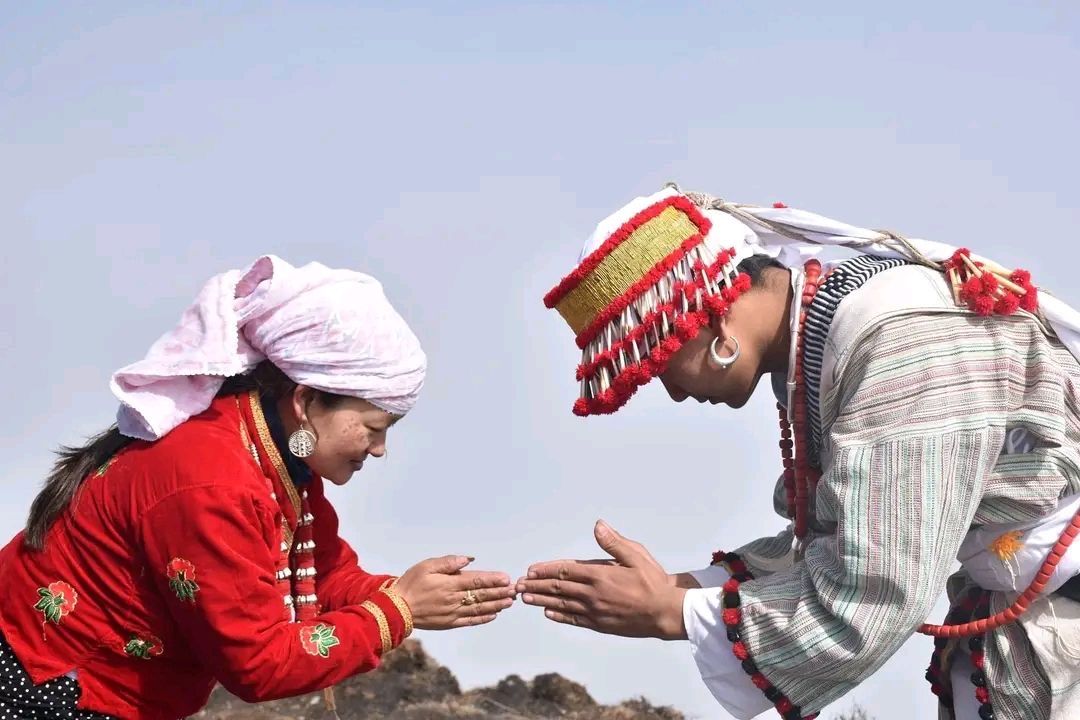
Fig5: Bride departing from bridegroom’s House Ceremony
After the ceremony, the bride departs for the bridegroom’s house accompanied by her friends and some of her brothers. She may be left with a close friend at her new home, while the accompanying relatives and friends usually return the same day. Later, a specific day is fixed for the bride and bridegroom to visit the bride’s parental home. They remain there for three to five days before returning to the bridegroom’s residence.
In Rai society, widow marriage, remarriage, and divorce are socially permitted, reflecting a flexible and pragmatic aspect of their customary law. This traditional system highlights the Rai community’s strong emphasis on lineage purity, mutual respect between families, and the social harmony of marriage alliances.