Traditional Rai Sports and Games
The Rai people have a rich tradition of sports and physical competitions that reflect their warrior heritage, agricultural lifestyle, and community values. Traditional Rai sports serve not only as entertainment but as training for physical fitness, community bonding, and cultural preservation. Many of these sports have been practiced for centuries and continue to be featured in Rai festivals and gatherings.
The Warrior Tradition Sports have always held a special place in Rai culture due to the community's long warrior tradition. Historically, Rai men served as Gurkha soldiers in the British and Indian armies, and physical fitness was essential for military success. Traditional sports trained young Rai in the skills needed for combat -strength, agility, endurance, and courage. Even today, many traditional sports reflect this martial heritage.
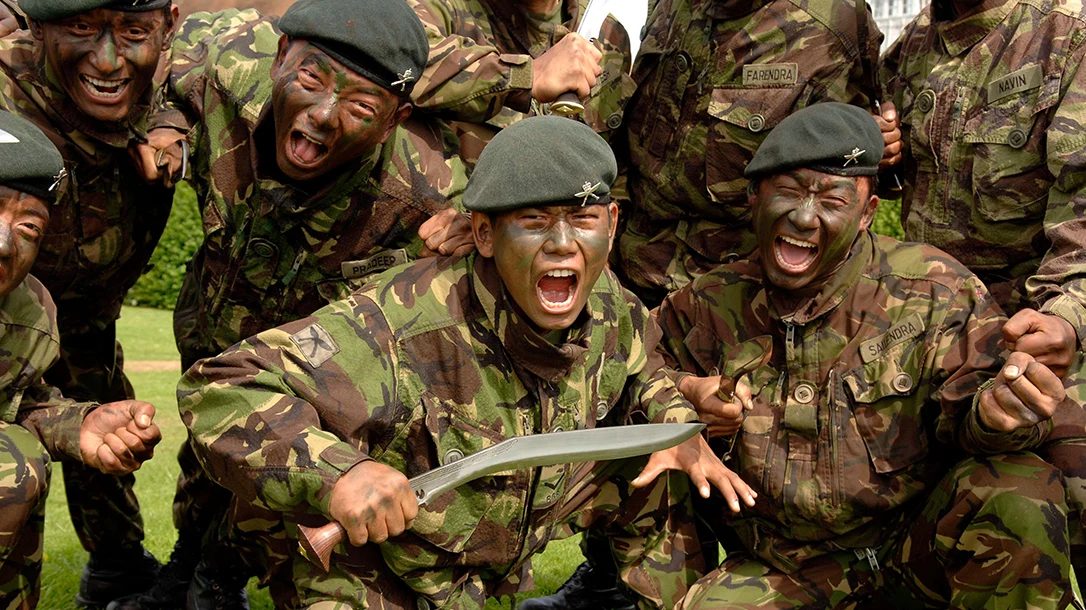
Traditional Archery (Dhanush-Baan) Archery has deep roots in Rai culture, both as a hunting tool and a traditional sport. Rai archery competitions are major events during festivals like Sakela. The traditional bow (dhanush) is made from bamboo and local materials, while arrows (baan) are crafted with precision. Archery competitions bring together participants from multiple villages, with winners earning respect and recognition in the community.
- Target Shooting: Competitors shoot at targets placed at increasing distances, with accuracy determining the winner.
- Moving Target: A more challenging variation where targets move, simulating hunting scenarios.
- Team Competitions: Village teams compete against each other, fostering community spirit.
Wrestling (Pehlwani/Basaune) Traditional Rai wrestling is one of the most popular sports during festivals and community gatherings. Unlike modern Olympic wrestling, Rai wrestling has its own unique rules and techniques. The goal is to throw the opponent to the ground or force them out of the circular wrestling ring. Wrestling matches are accompanied by drumming, cheering, and enthusiastic community support.
- Rules: No hitting, no choking — only grappling and throwing techniques allowed.
- Ring: A circular area marked on the ground, approximately 10-15 feet in diameter.
- Victory: Achieved by throwing the opponent so both shoulders touch the ground, or by forcing them out of the ring.
Stone Lifting (Dhunga Tanne)
Stone lifting is a traditional test of strength that has been practiced by the Rai for centuries. Competitors lift heavy stones — often weighing 50-100 kg — and hold them or carry them for distance. The stones are often naturally shaped and may be named after famous lifters who first lifted them. Stone lifting competitions draw large crowds and are a highlight of Rai festivals.
Tug-of-War (Dhamari/Rassi Khel)
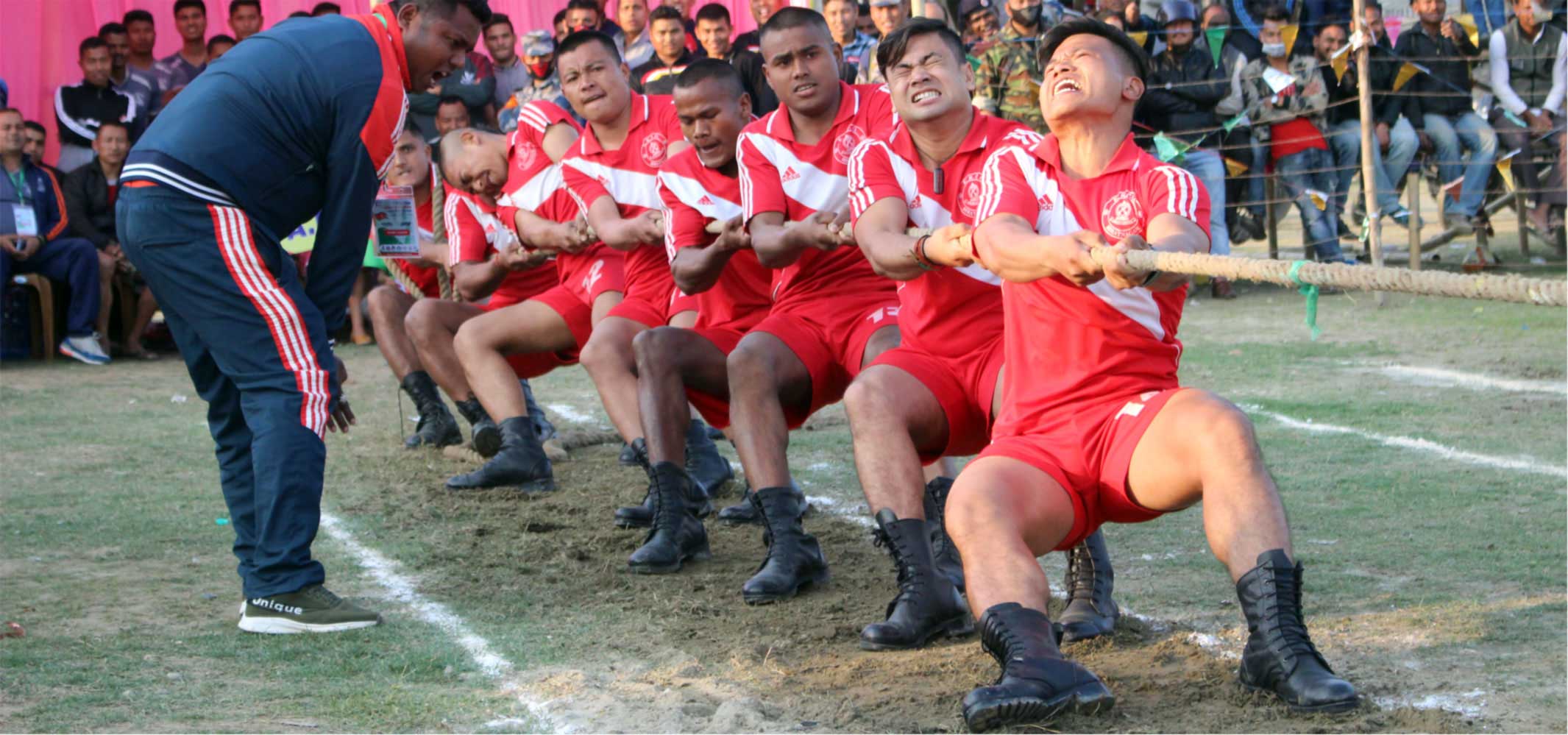
Tug-of-War is a beloved team sport in Rai culture, played during festivals, weddings, and community gatherings. Two teams pull on opposite ends of a rope, trying to pull the other team across a central line. The sport requires teamwork, strength, and strategy. Village teams often train for weeks before major competitions, and matches can draw hundreds of spectators.
Traditional Track and Field The Rai have their own traditions of running and jumping competitions:
- Long-distance running: Before roads were built, Rai messengers ran for hours through the hills. Long-distance running competitions still take place during festivals.
- High jump and long jump: Traditional jumping competitions often use natural barriers like streams, hedges, and slopes.
- Hill racing: Competitive running up steep hills — a practical skill in the mountainous Rai homeland — remains a popular sport.
Stick Fighting (Lathi Khela) Stick fighting is a traditional martial art practiced by the Rai, using long bamboo or wooden staffs. This sport trains reflexes, coordination, and combat skills. Stick fighting demonstrations are a highlight of Rai cultural shows and festivals, with skilled performers showcasing impressive techniques and forms.
Indoor Games and Pastimes
Not all traditional Rai sports are physically demanding. The Rai also have a rich tradition of indoor games and intellectual competitions:
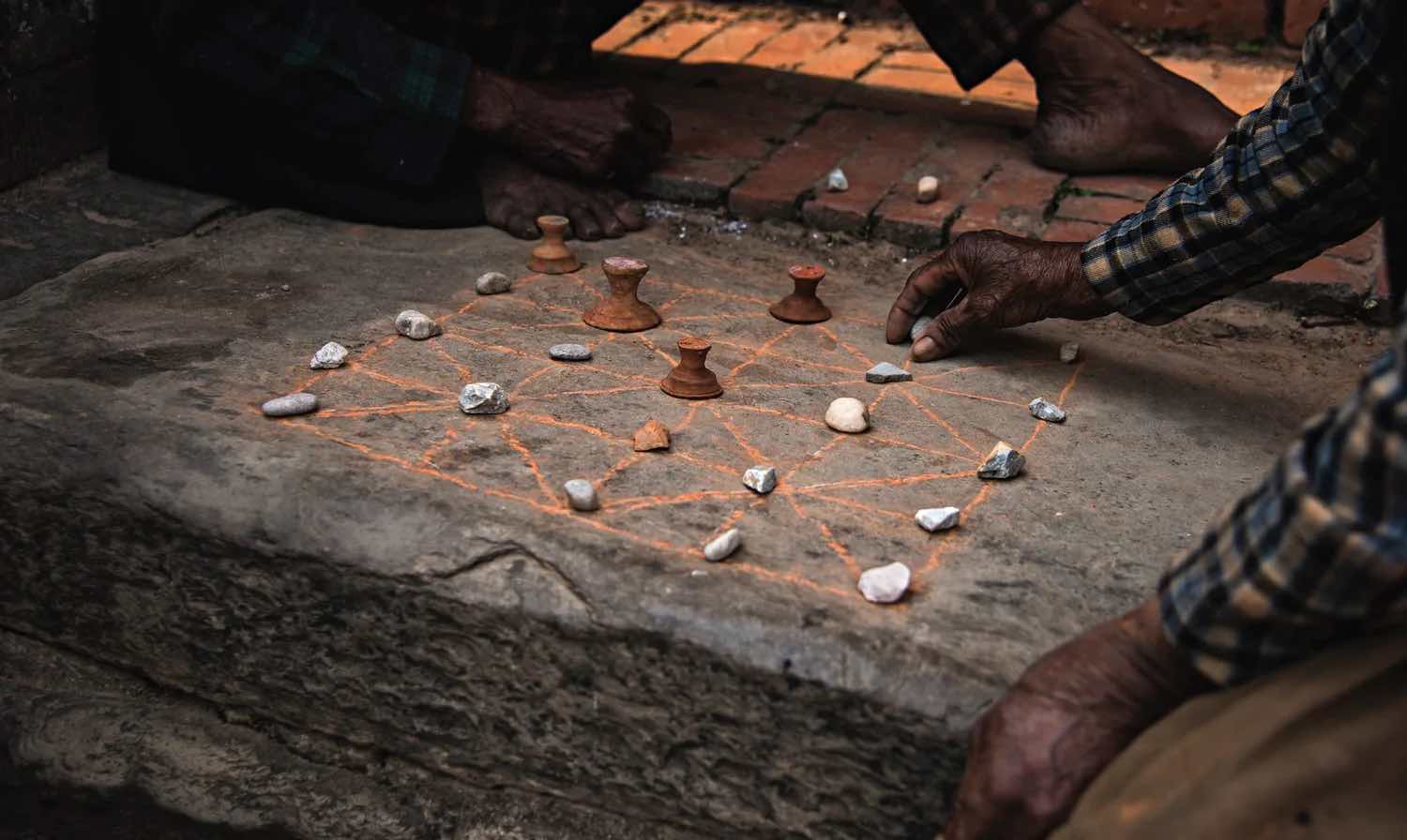
- Bagh-Chal (Tiger Game): A traditional Nepali strategy board game that originated in the Himalayan region. Two players compete — one controlling four tigers, the other controlling 20 goats — in a battle of strategy and tactics.
- Dice games (Chakka): Traditional dice games played during festivals, especially during Tihar and Sakela.
- Storytelling competitions: Competitions to tell the longest or most entertaining story, testing memory and creativity.
- Riddle competitions: Riddle-telling contests that test wit and knowledge of Rai oral traditions.
Women's Traditional Sports Rai women also have traditional sports and games, though they are less documented than men's:
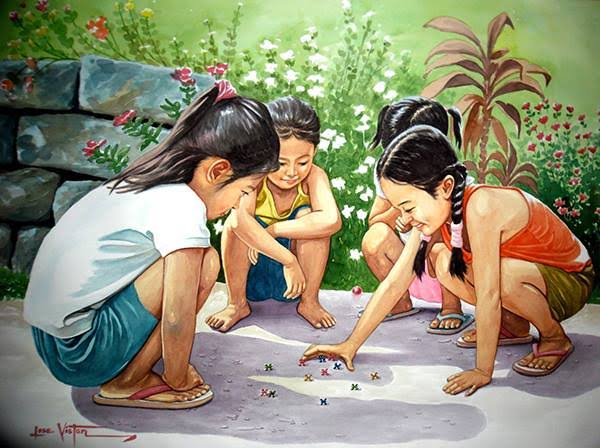
- Dhitoang: A traditional game played with stones or seeds, similar to jacks or knuckles.
- Chungi: A game played with a small ball made from rubber bands, involving hand-eye coordination and quick reflexes.
- Skipping and hopscotch: Traditional children's games that are common throughout Rai communities.
- Dance competitions: While not strictly "sport," competitive dancing during festivals showcases athletic skill and stamina.
Modern Sports in Rai Communities While traditional sports remain popular, modern sports have also gained traction:
- Football: The most popular modern sport among Rai youth, with village-level tournaments organized regularly.
- Cricket: Growing in popularity, especially among younger Rai who follow international cricket.
- Volleyball: Played in most Rai villages, with local and regional tournaments.
- Martial arts: Some Rai youth practice modern martial arts alongside traditional stick fighting.
Sports in Rai Festivals Sports competitions are an integral part of Rai festivals:
- Sakela: Traditional wrestling, archery, and tug-of-war competitions are central to Sakela celebrations.
- Bhuniti: Track and field competitions and stone lifting are featured during this spring festival.
- Community gatherings: Almost any Rai community gathering includes some form of sports competition.
Preservation and Revival Traditional Rai sports face challenges similar to other aspects of Rai culture — urbanization, modernization, and changing interests among youth. However, several initiatives are working to preserve these traditions:
- The Rai Traditional Sports Association organizes annual competitions and trains young athletes.
- Schools in Rai-inhabited areas are incorporating traditional sports into physical education programs.
- Documentation projects are recording the rules and techniques of traditional sports before they are lost.
- Festival organizers continue to feature traditional sports as major attractions.
The Cultural Significance Traditional Rai sports are more than physical activities — they are expressions of Rai identity, community values, and cultural continuity. Through sports, the Rai celebrate their warrior heritage, strengthen community bonds, and pass on traditional knowledge to future generations. As Rai communities navigate the modern world, traditional sports remain a vital link to their heritage.
Source: Rai community Knowledge Network