OUR TRADITION
09/05/2023
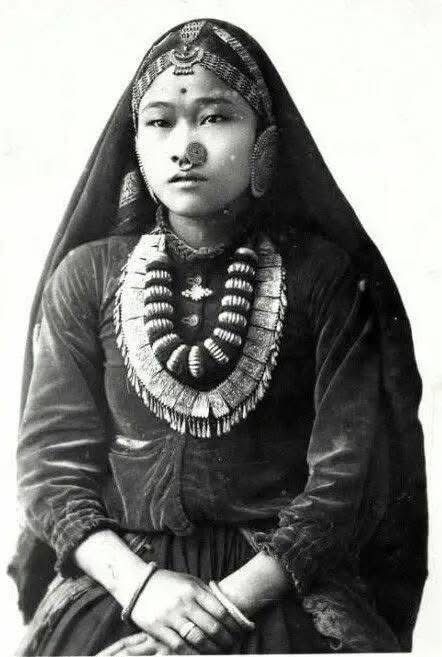
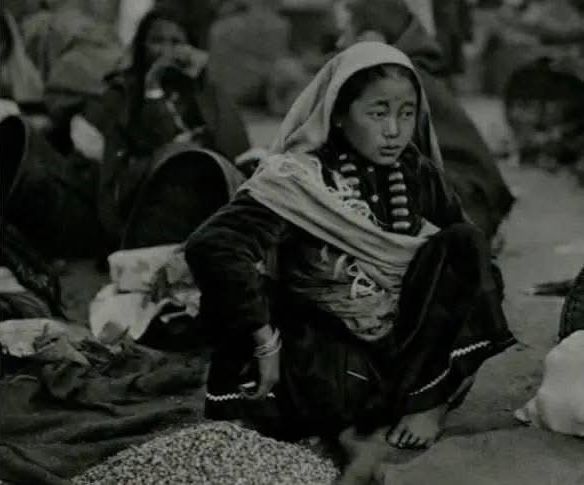
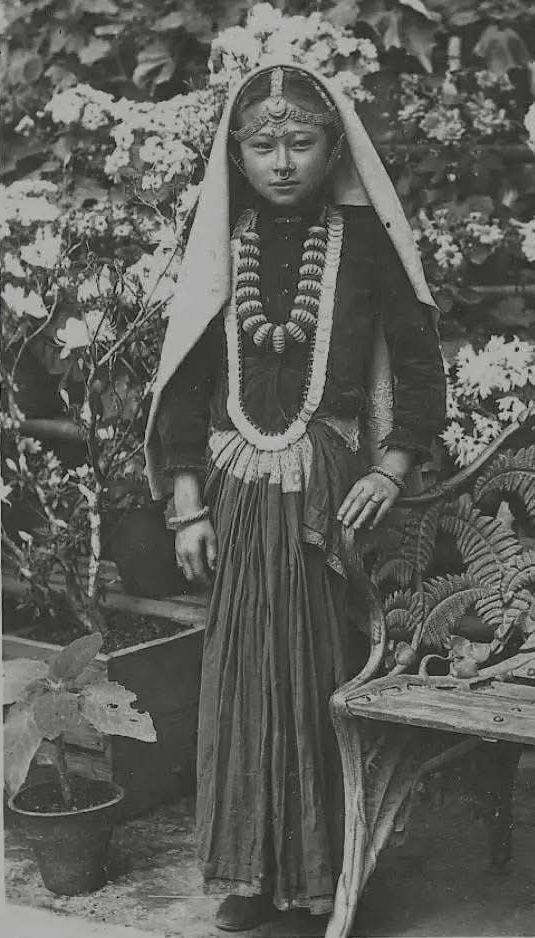
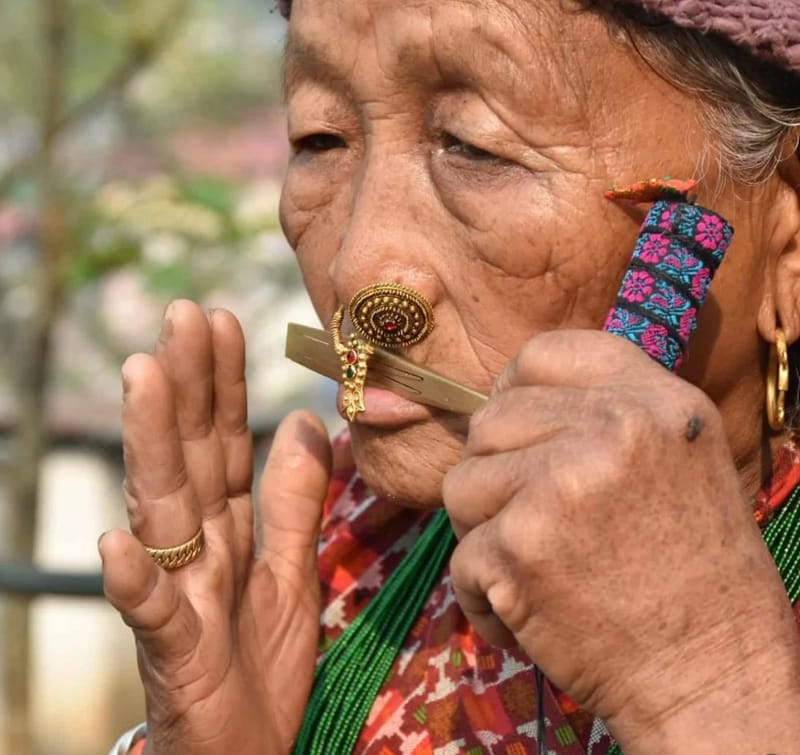
60’s
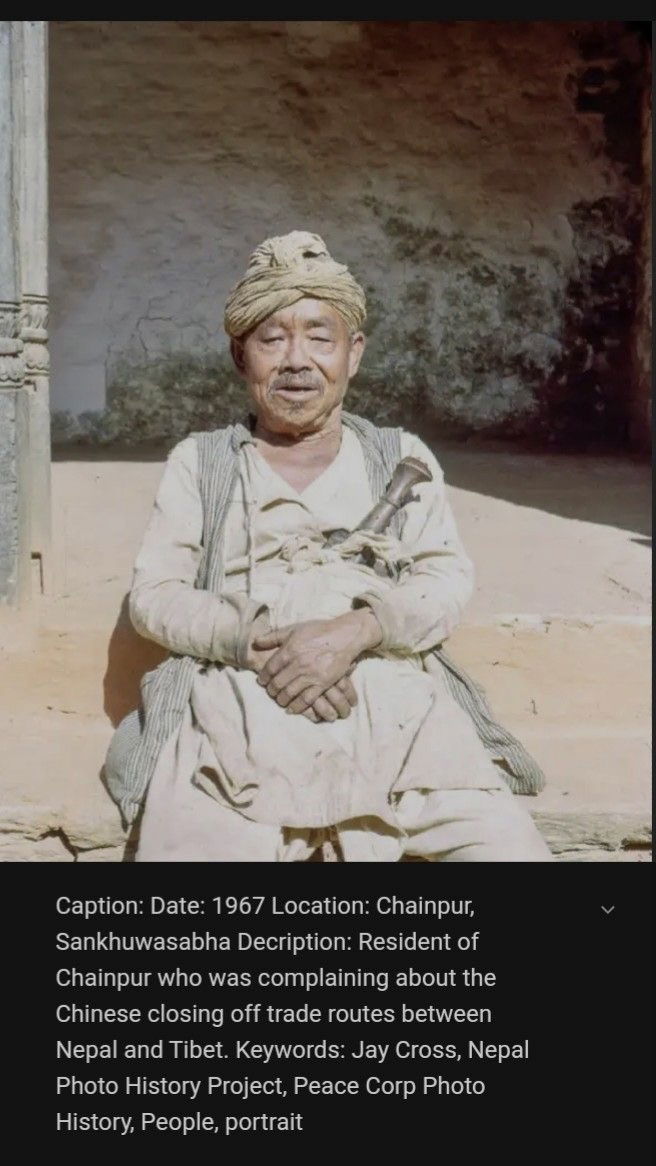
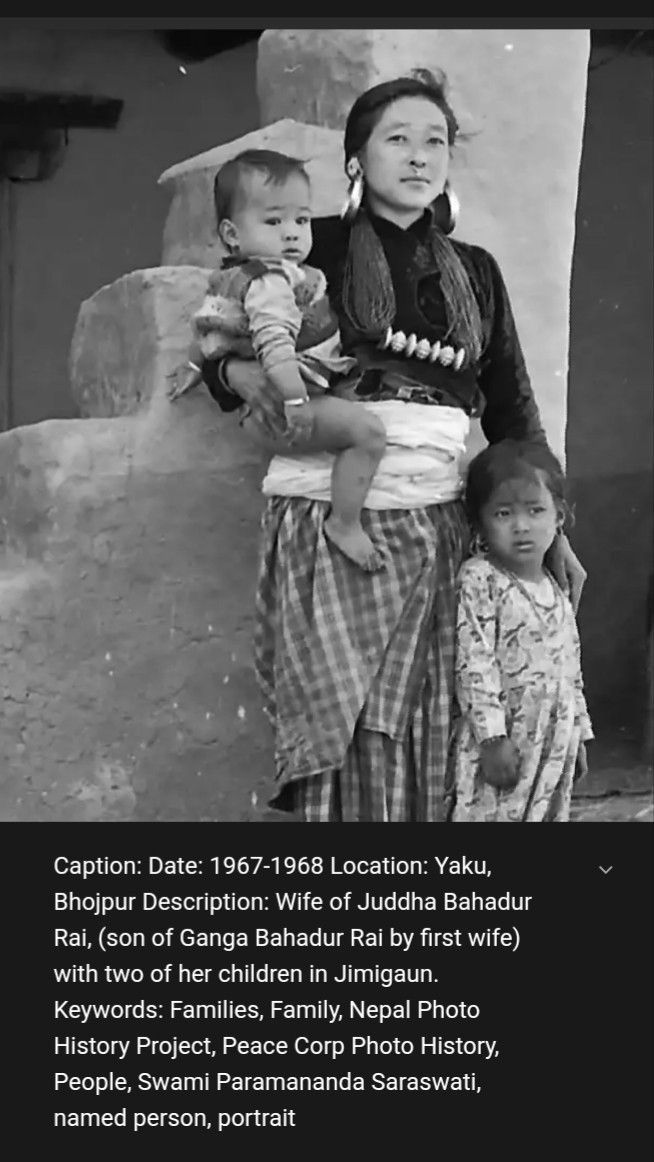
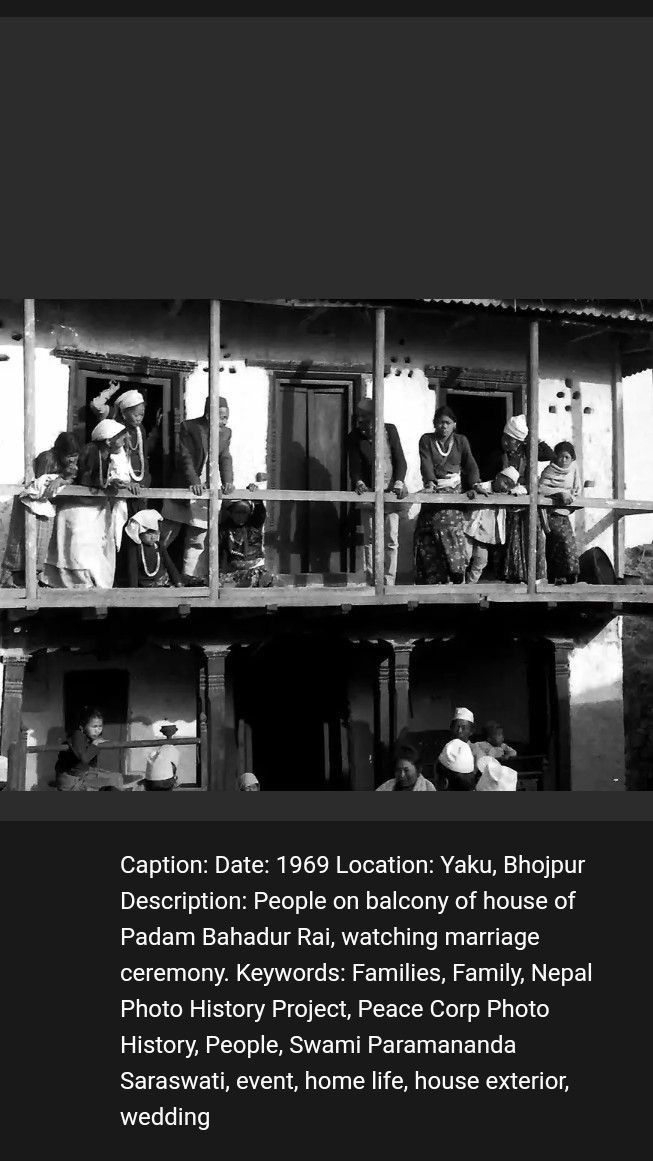
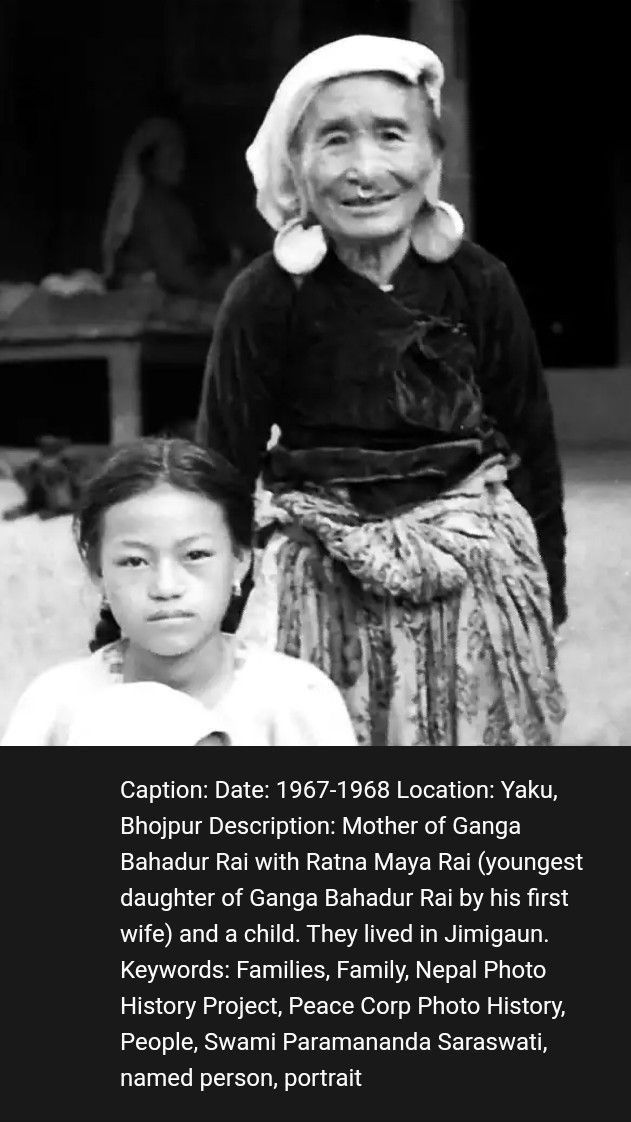
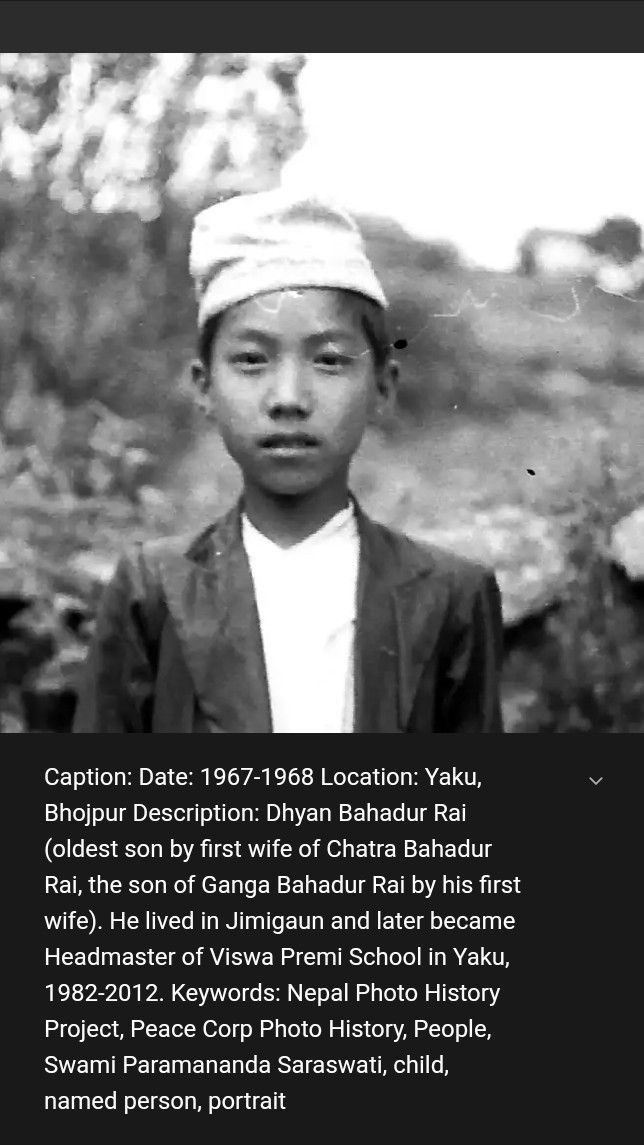
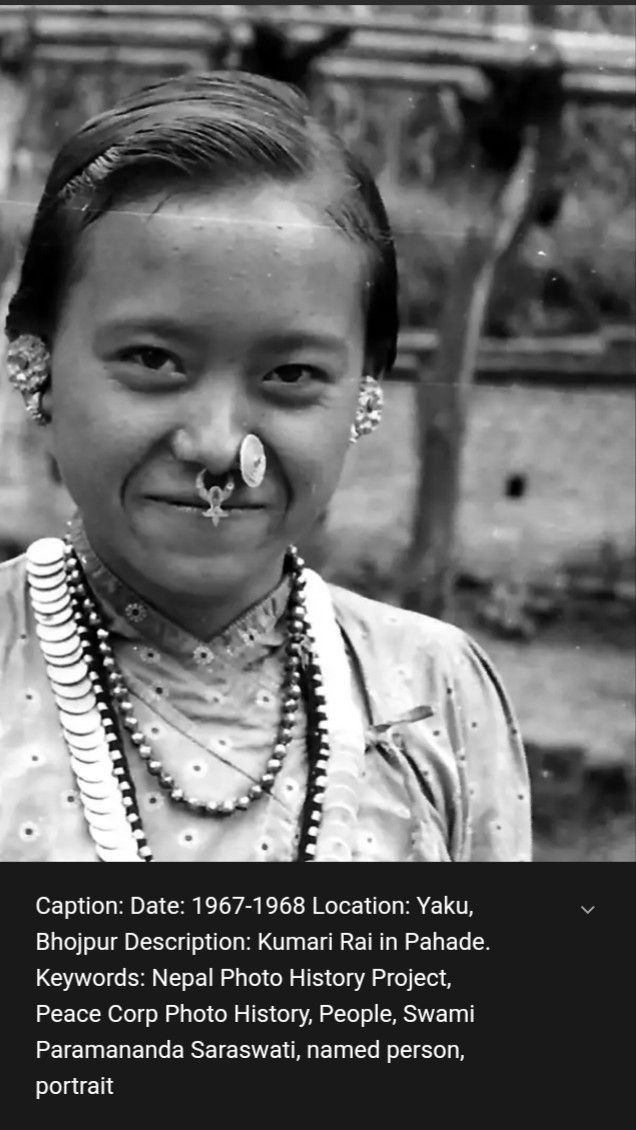
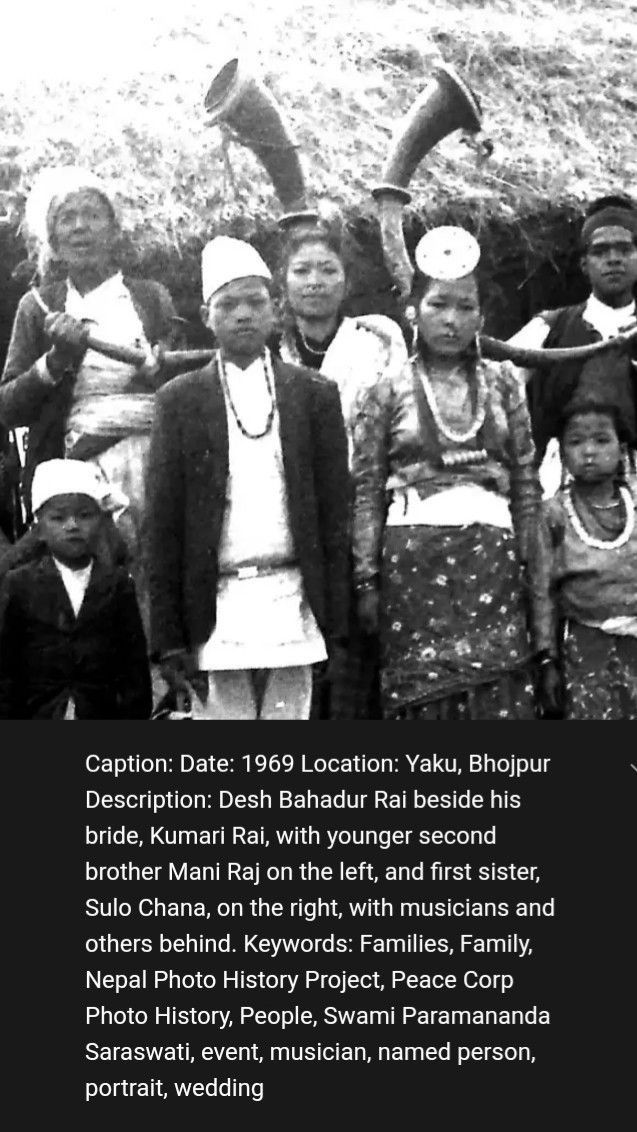
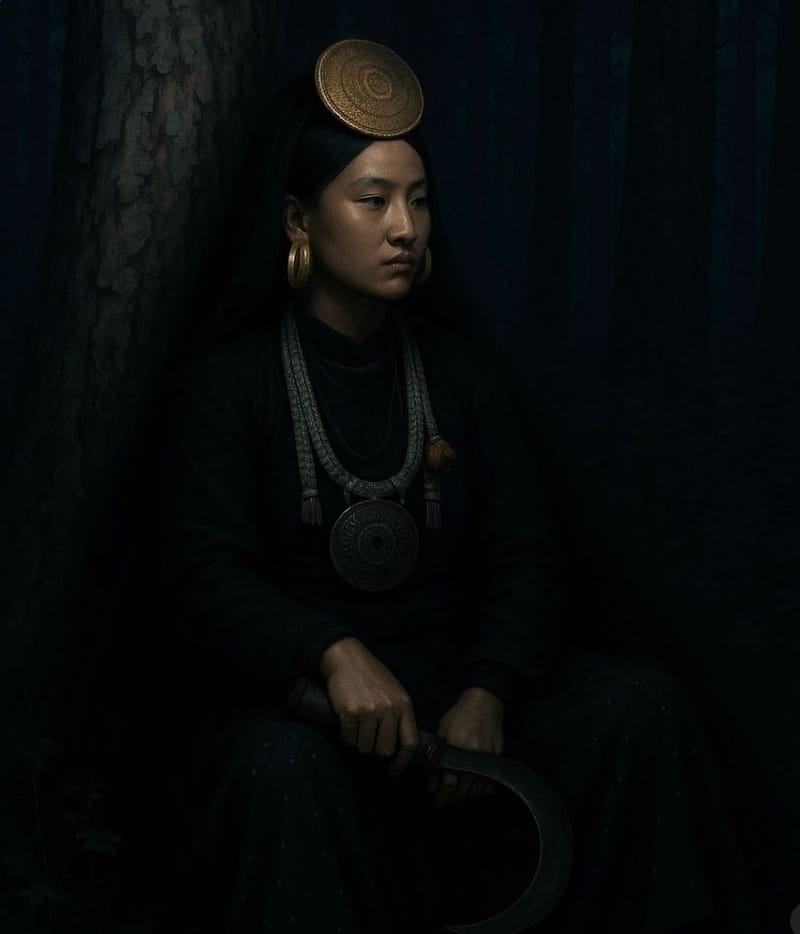
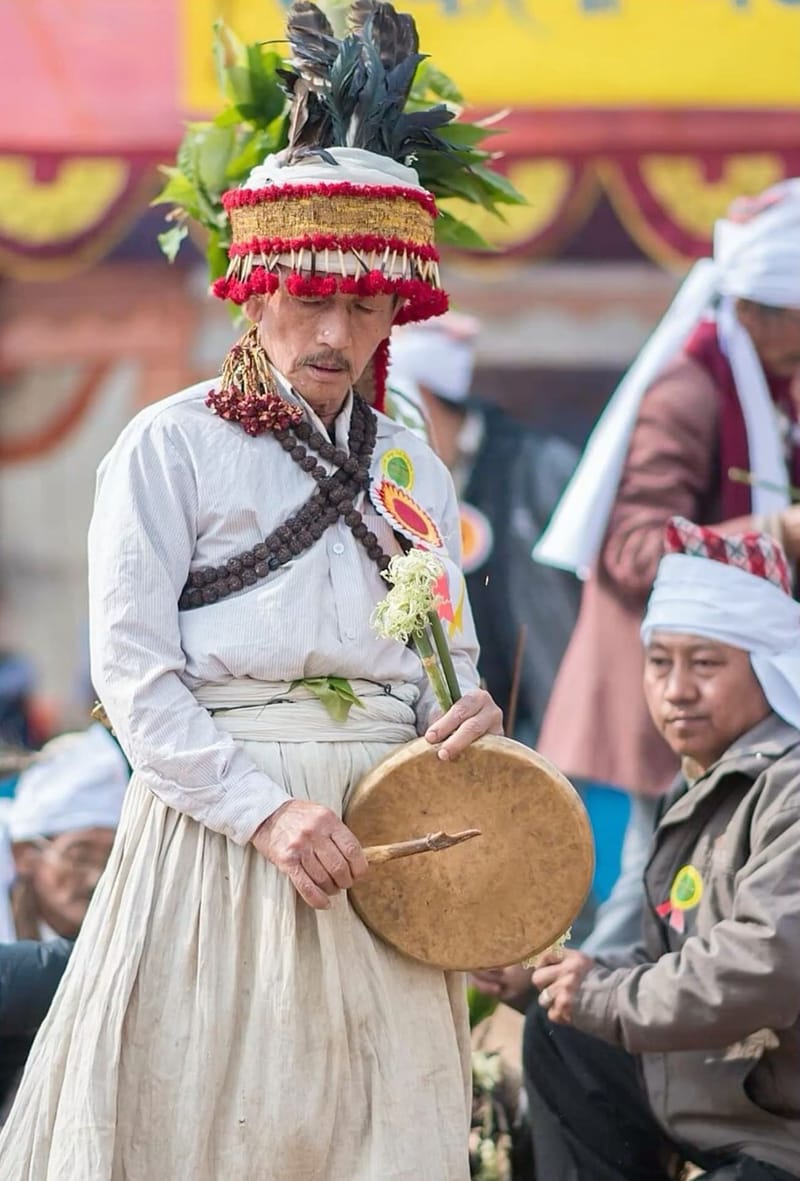
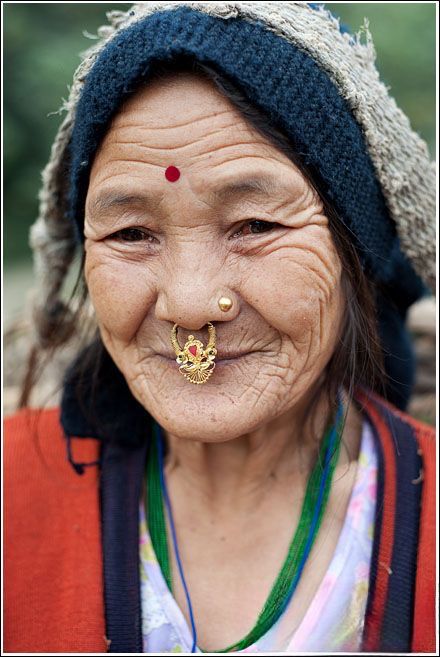
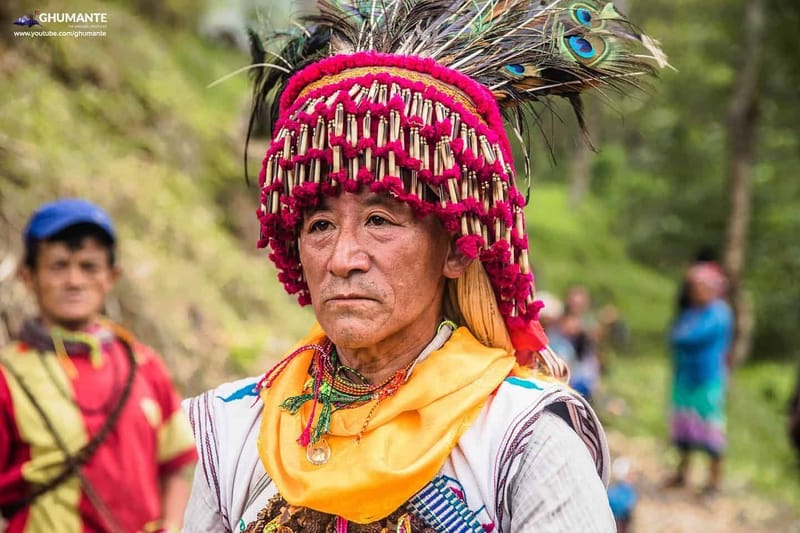
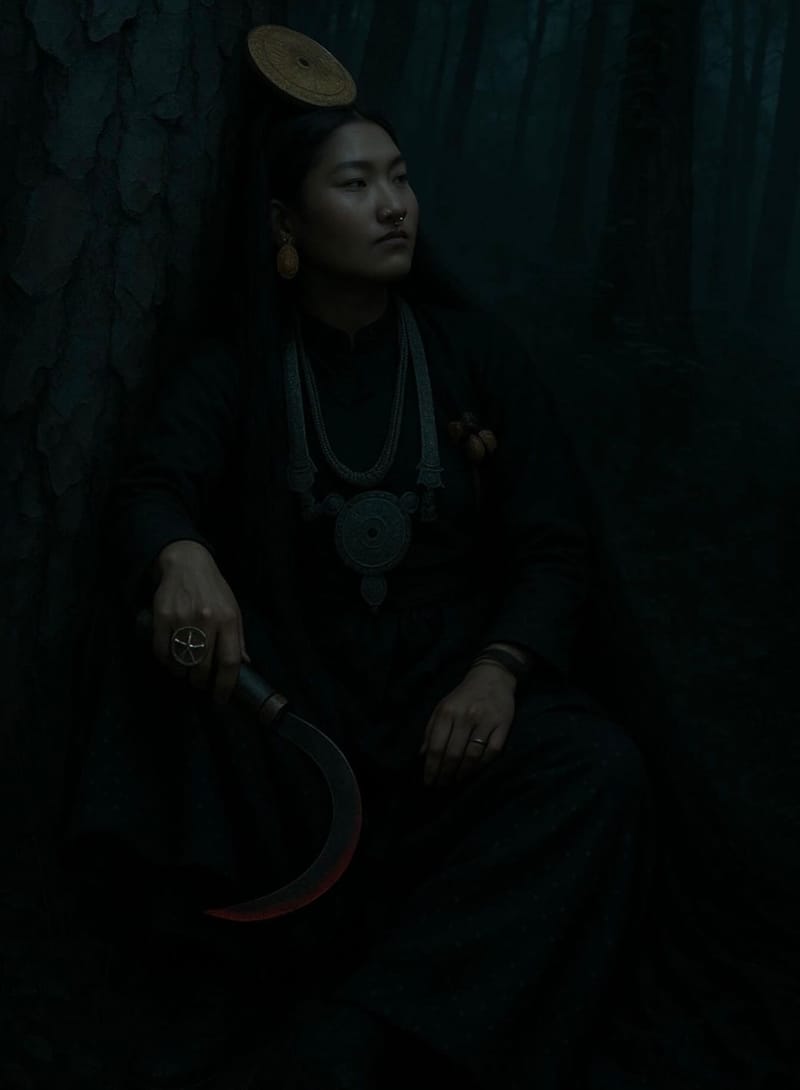
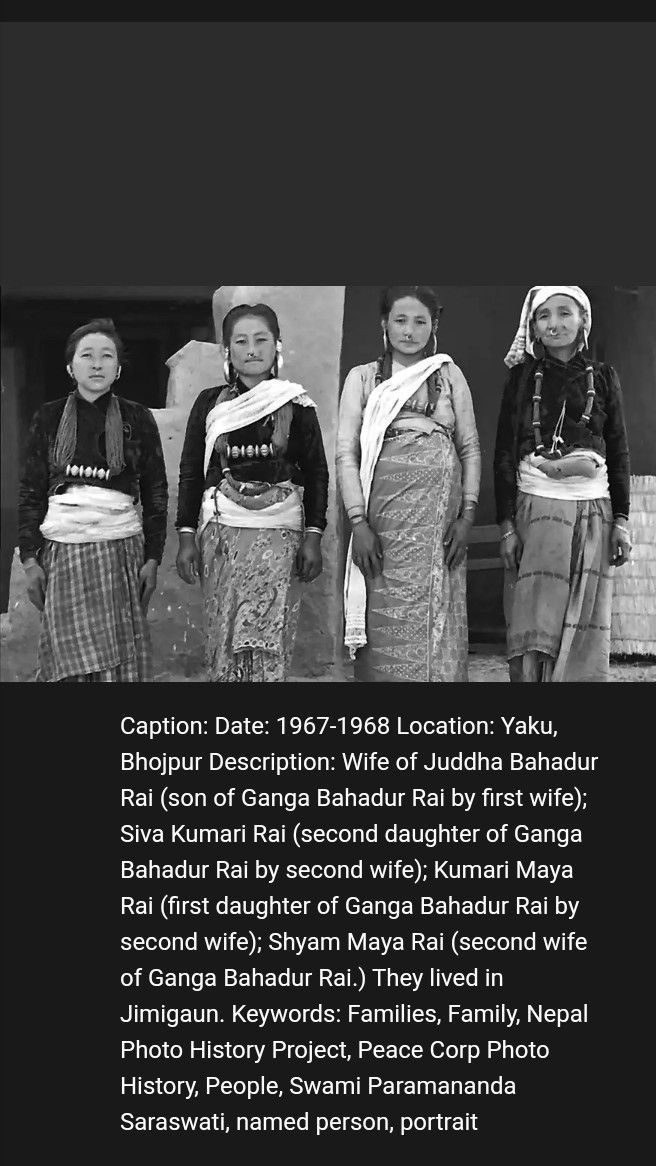
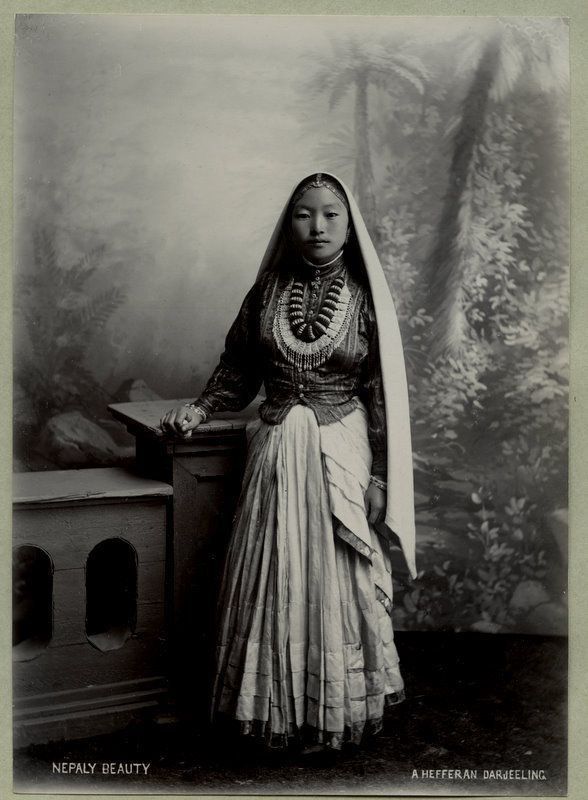
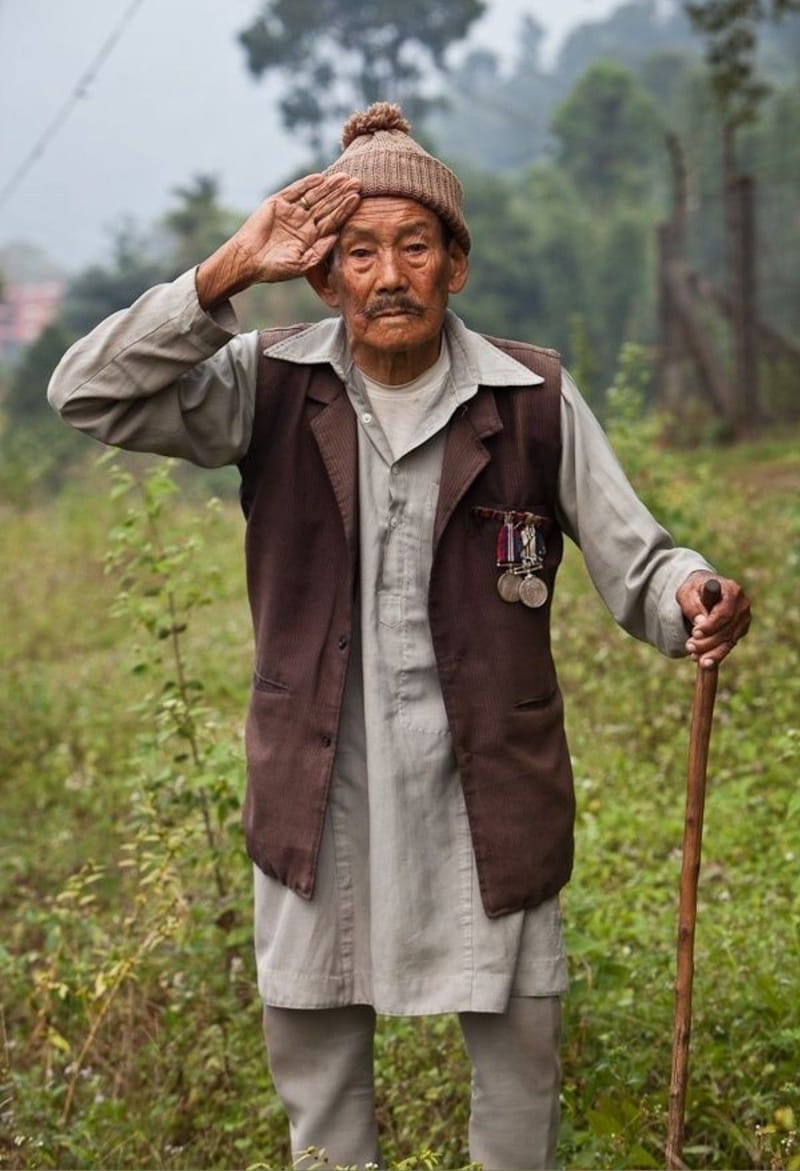
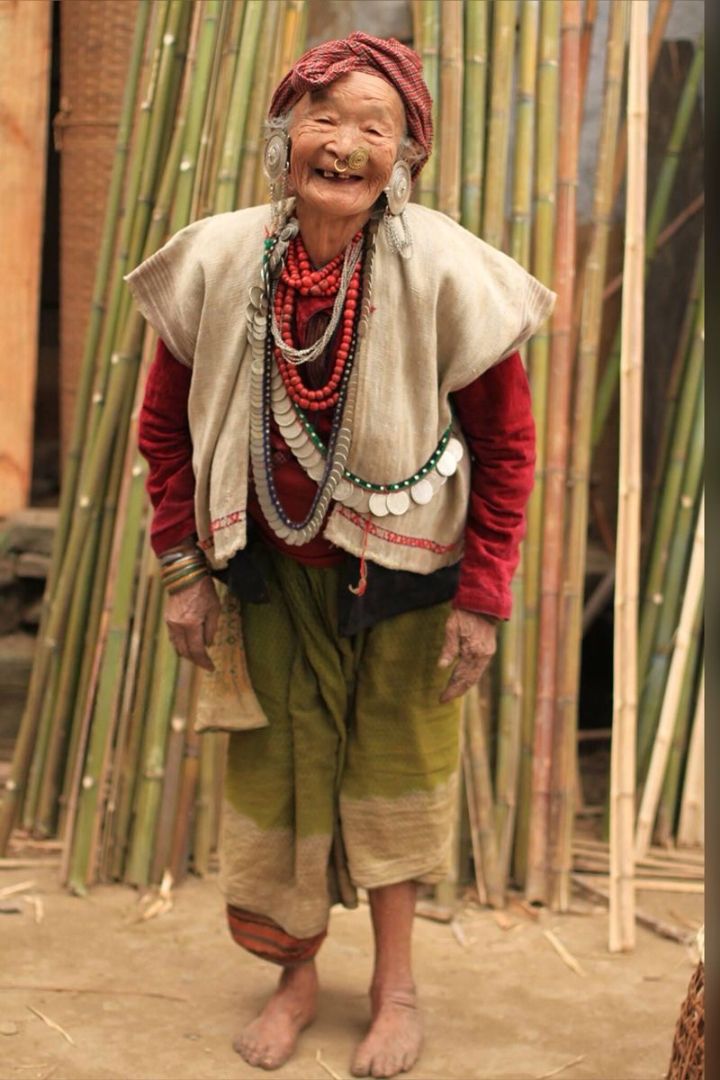
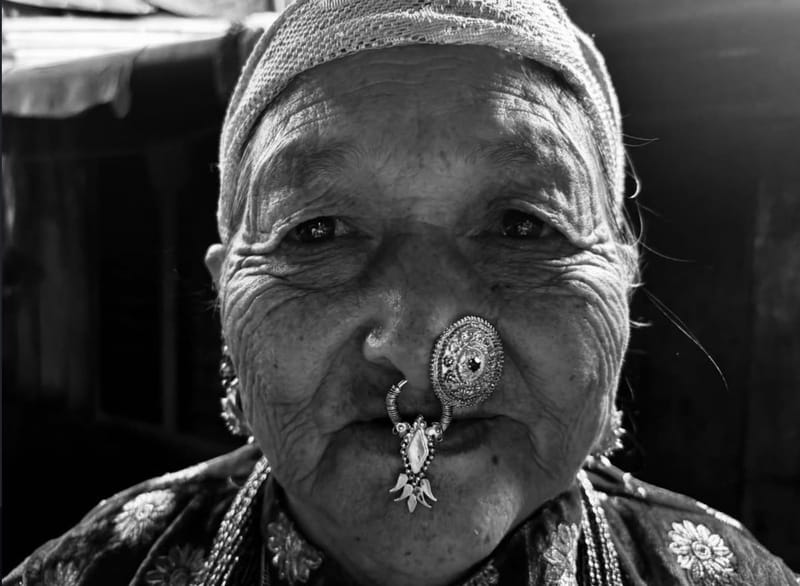
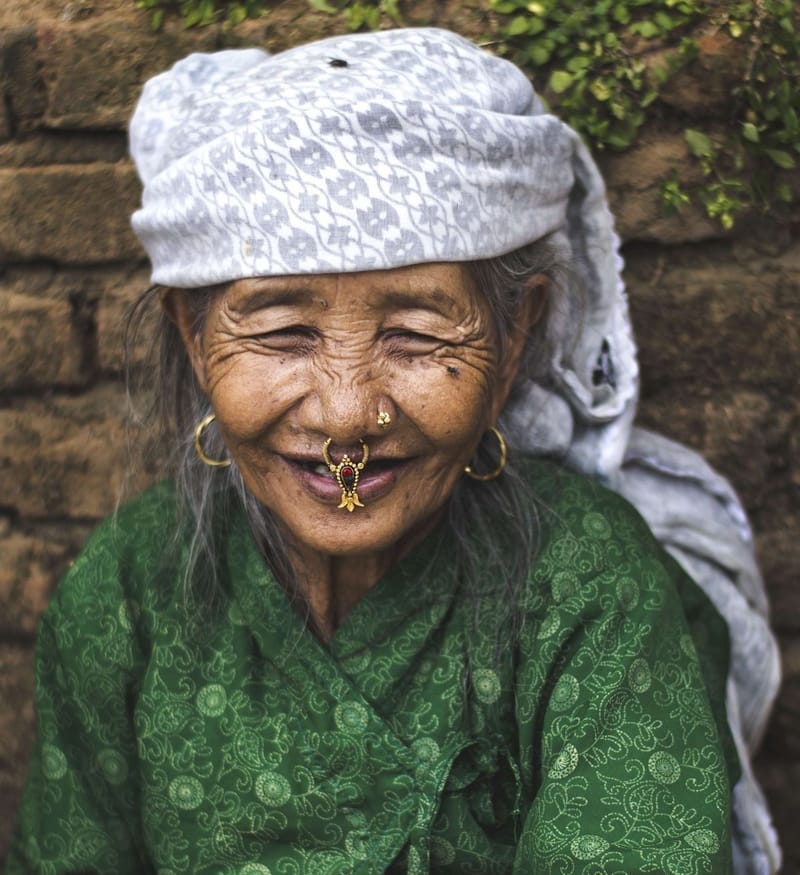
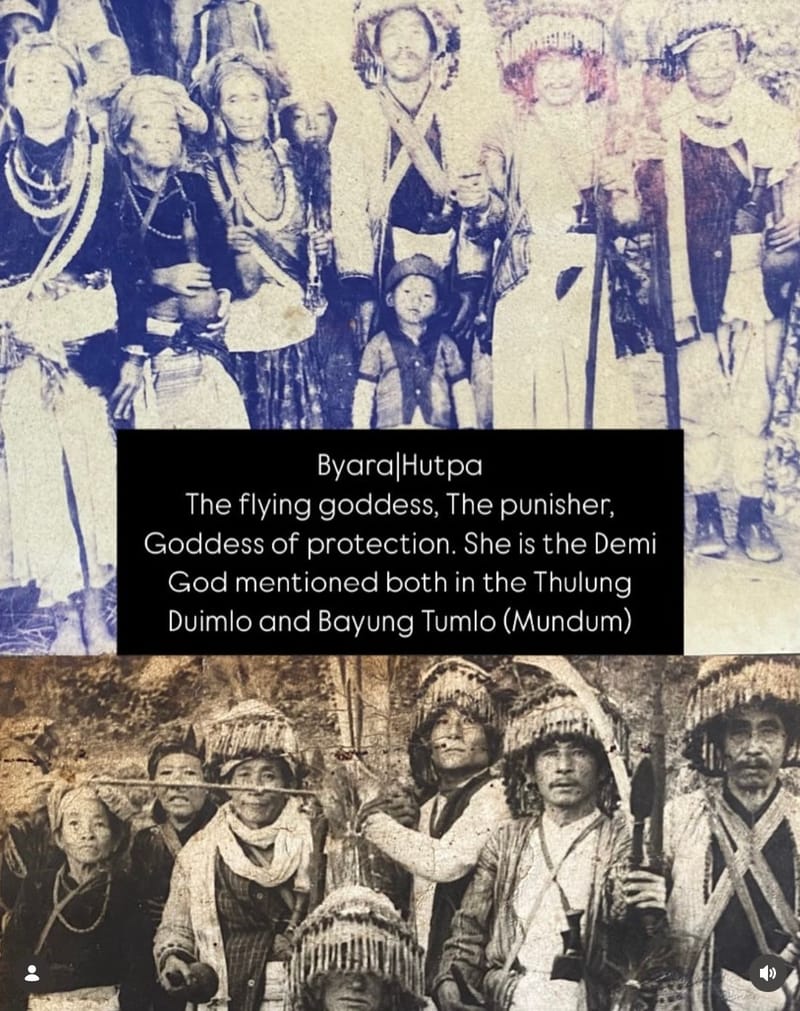
This photograph depicts our 60’s ancestors of Kirat Rai.
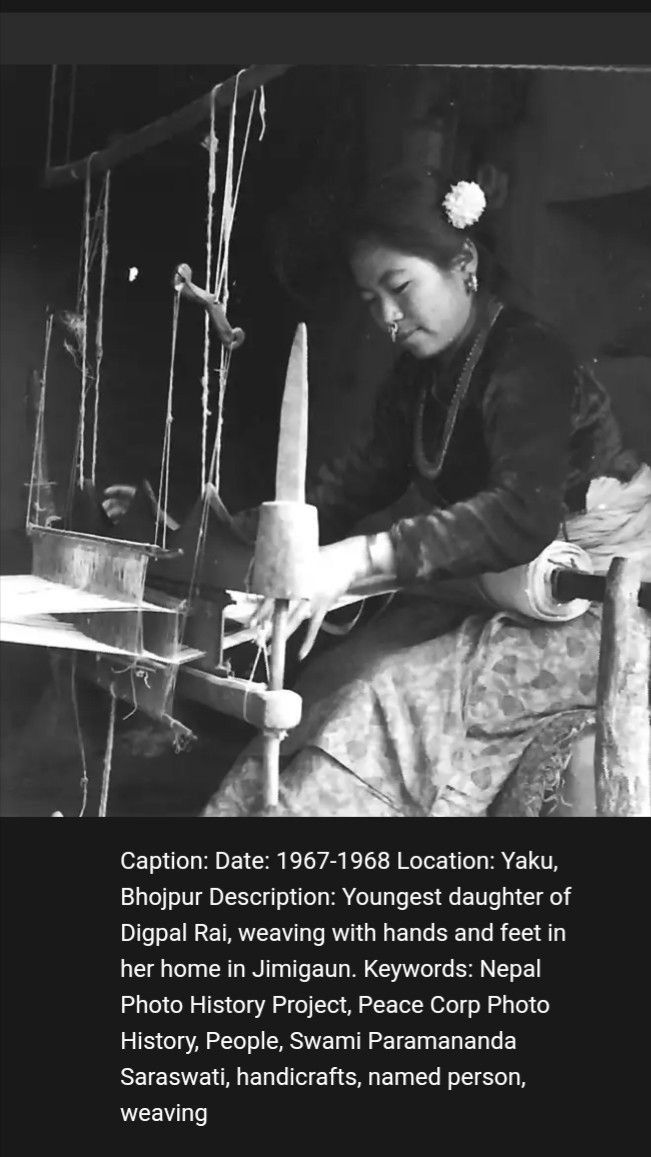
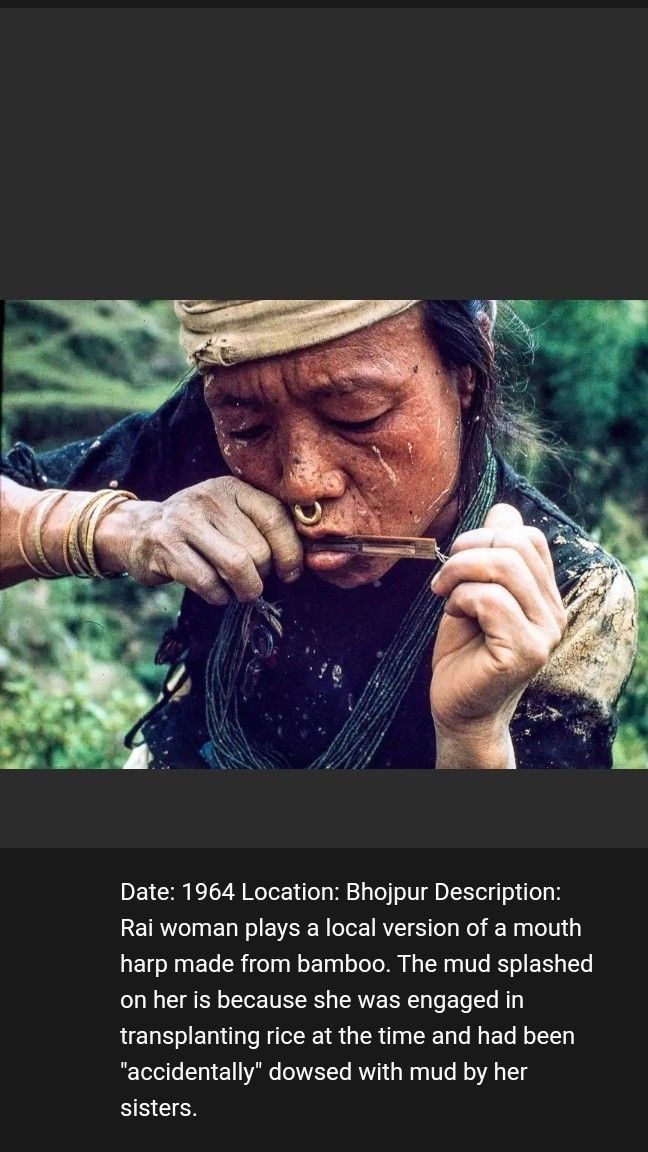
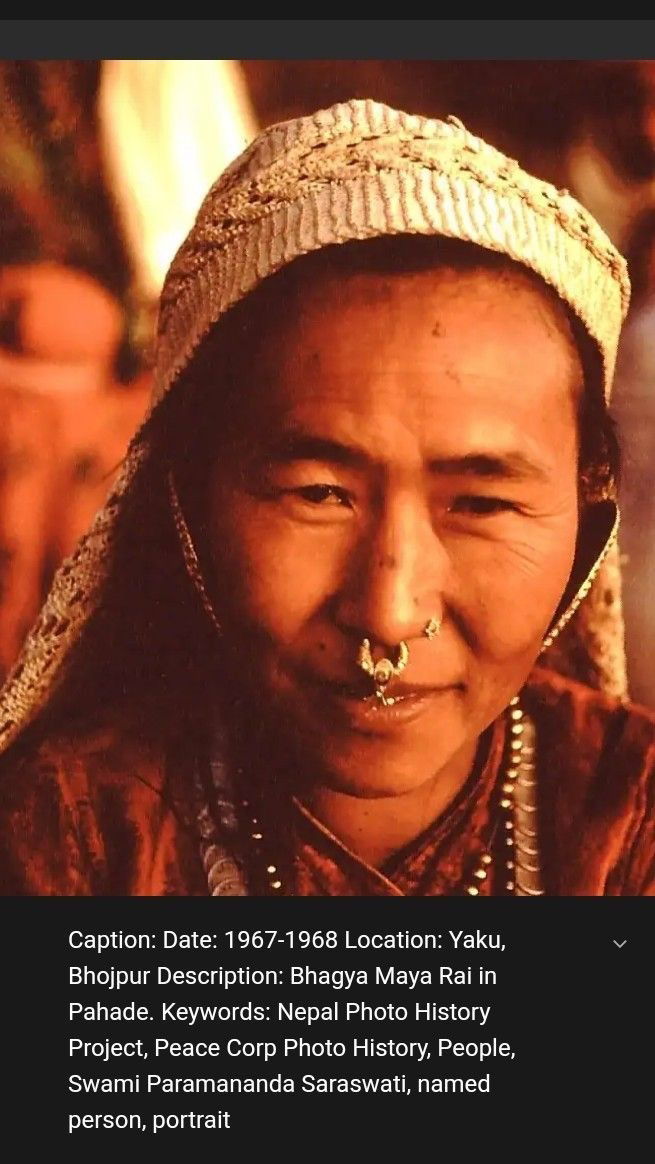
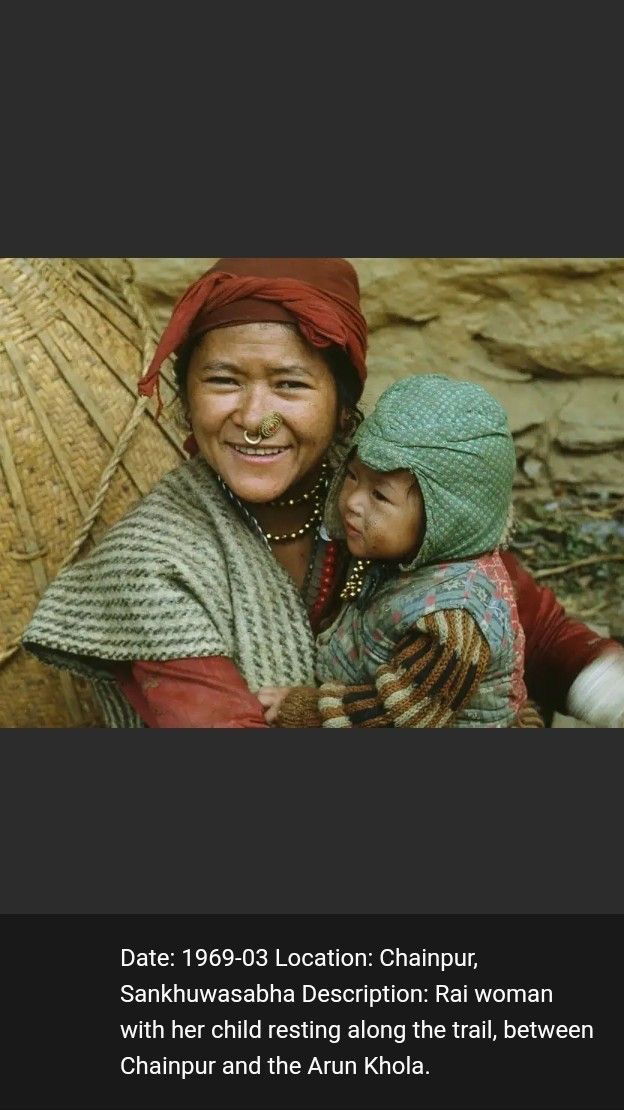
Kirat Community
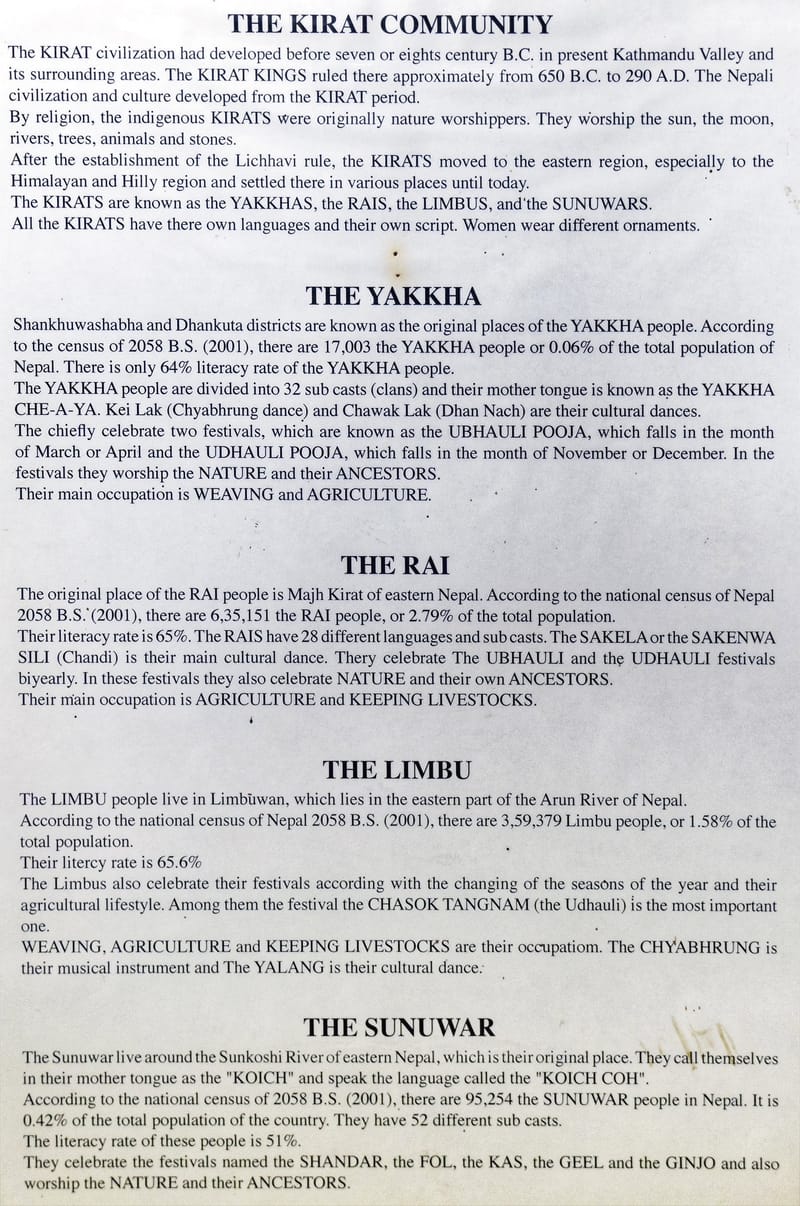
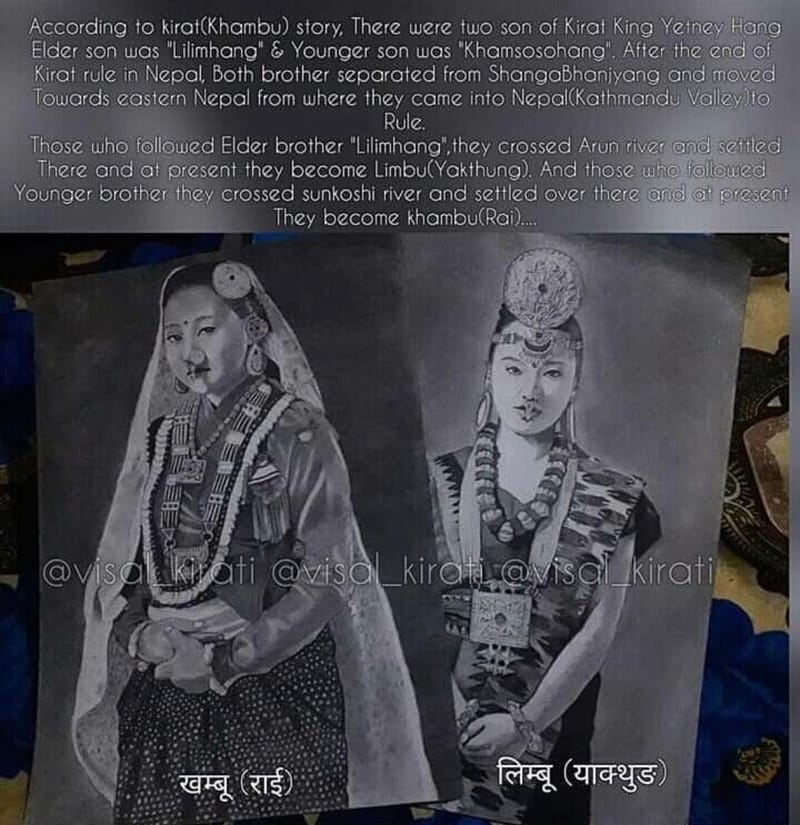
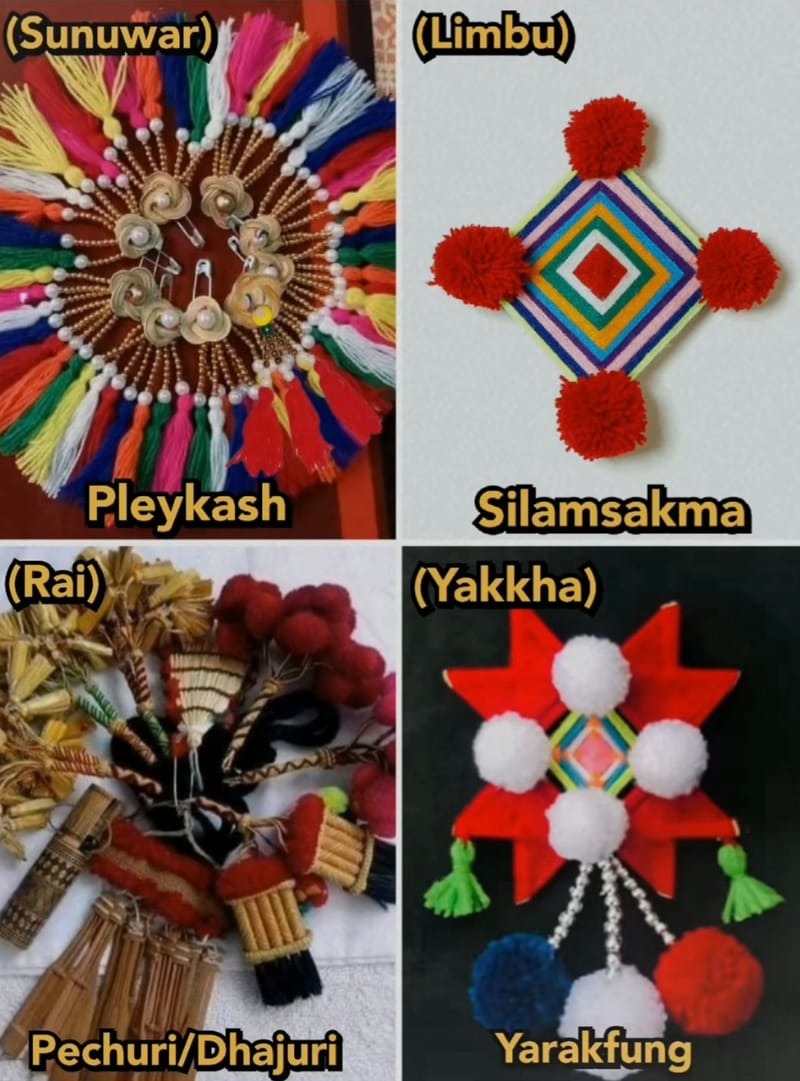
There are 4 categories under Kirat religion. (I.e.Rai, Limbu,Yakkha,Sunuwar)
The kirat Script
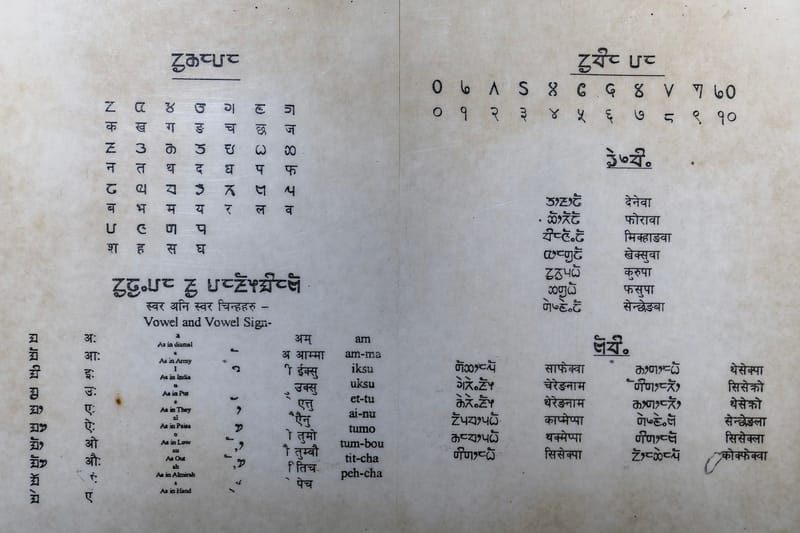
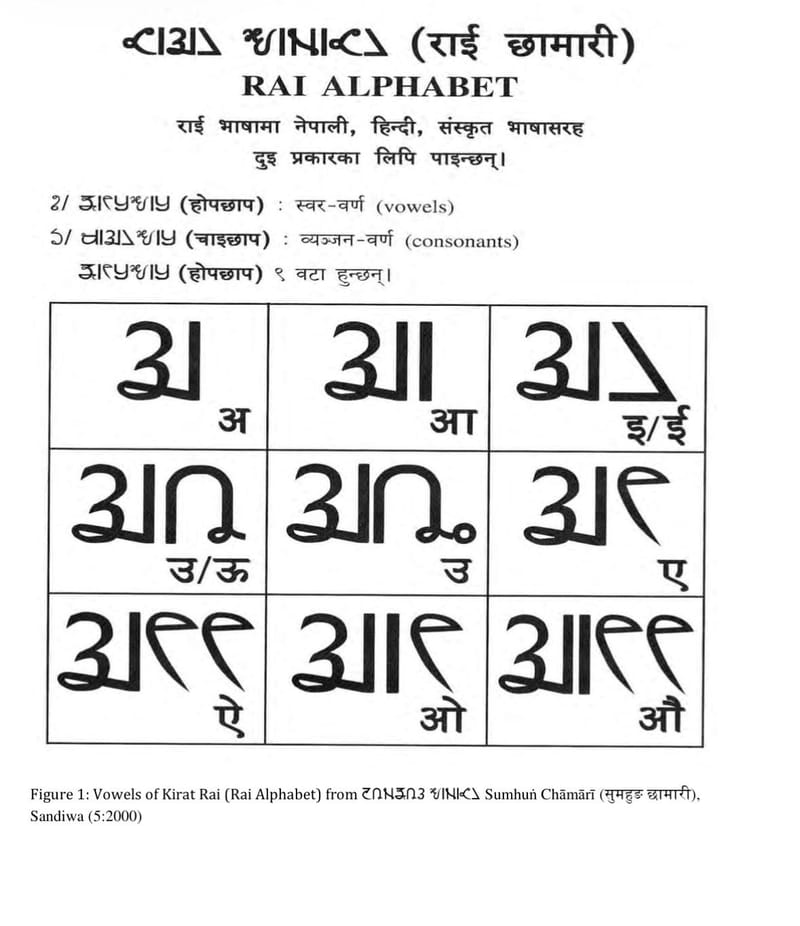
The Kirat Rai script is an abugida used for writing Bantawa, an eastern Kiranti language of the Sino-Tibetan family.
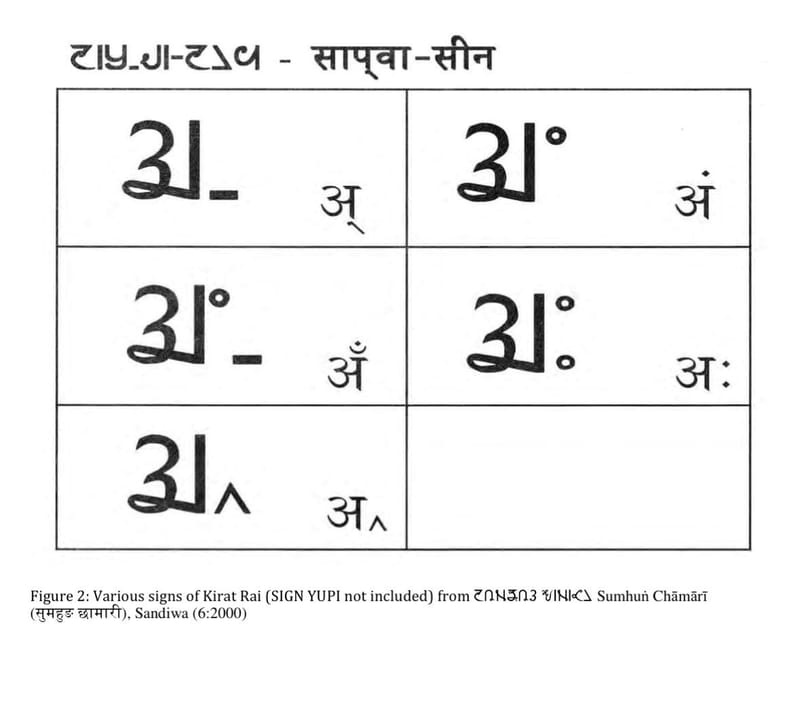
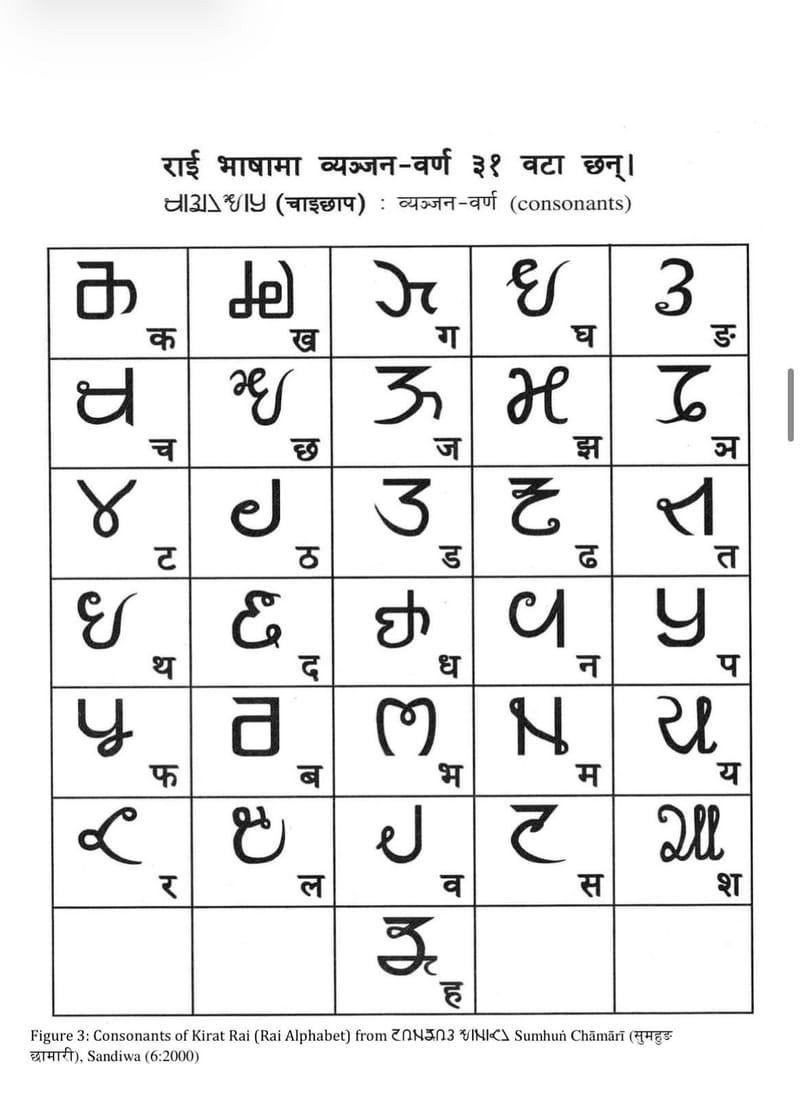
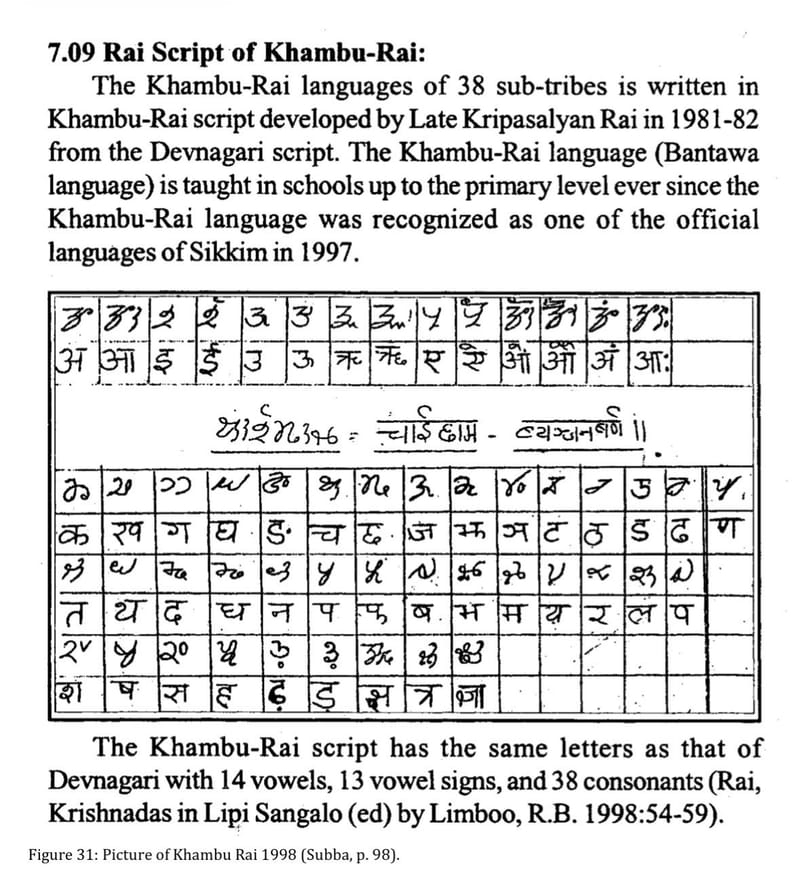
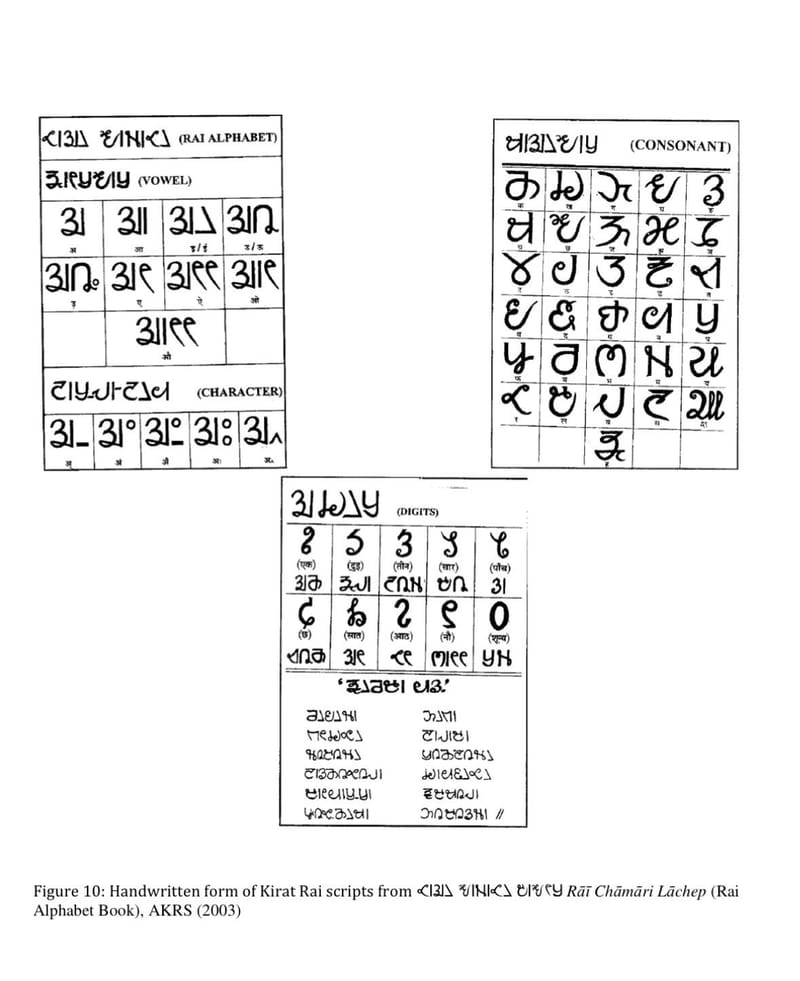
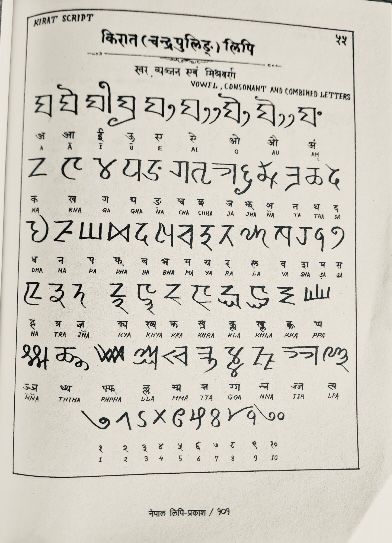
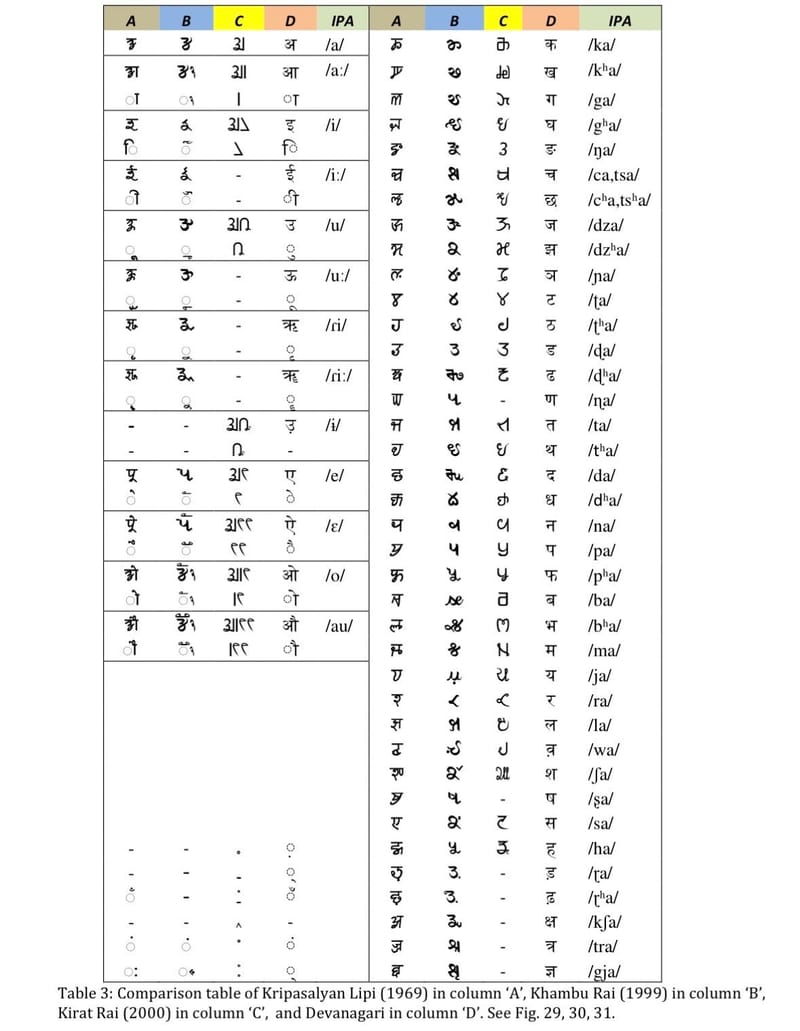
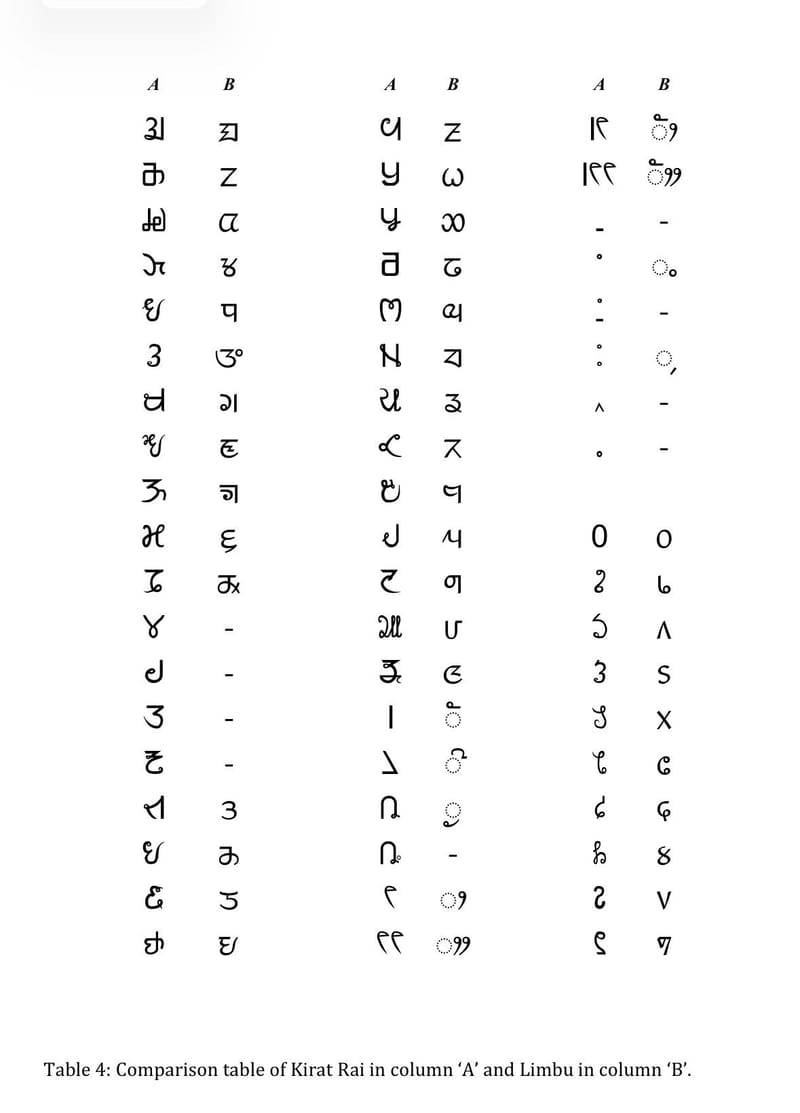
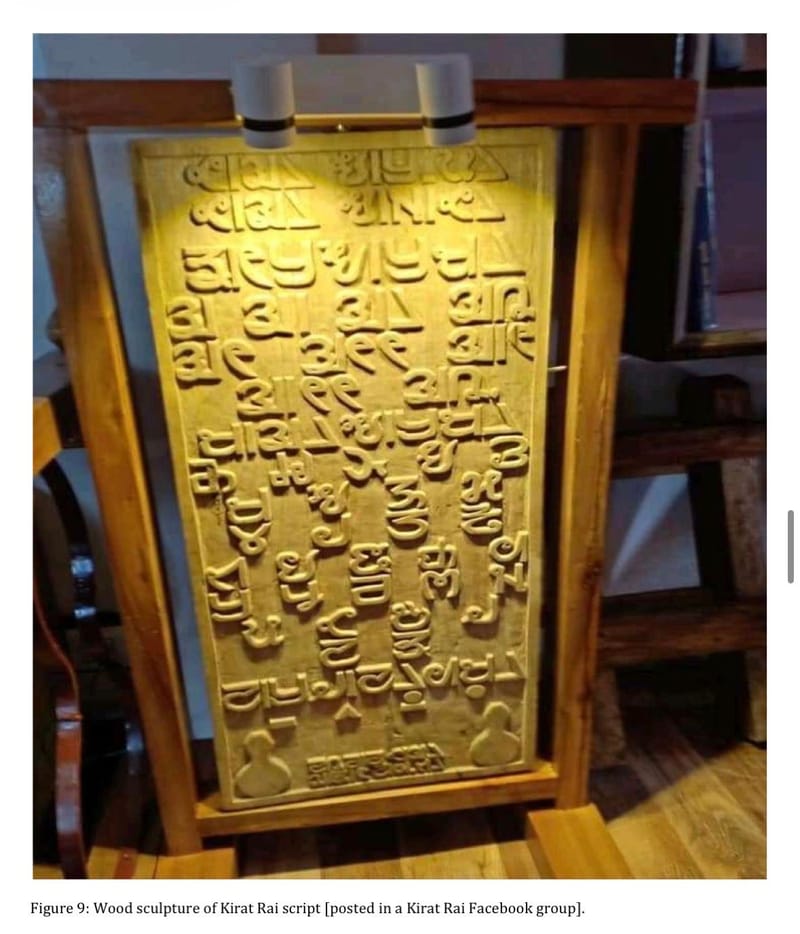
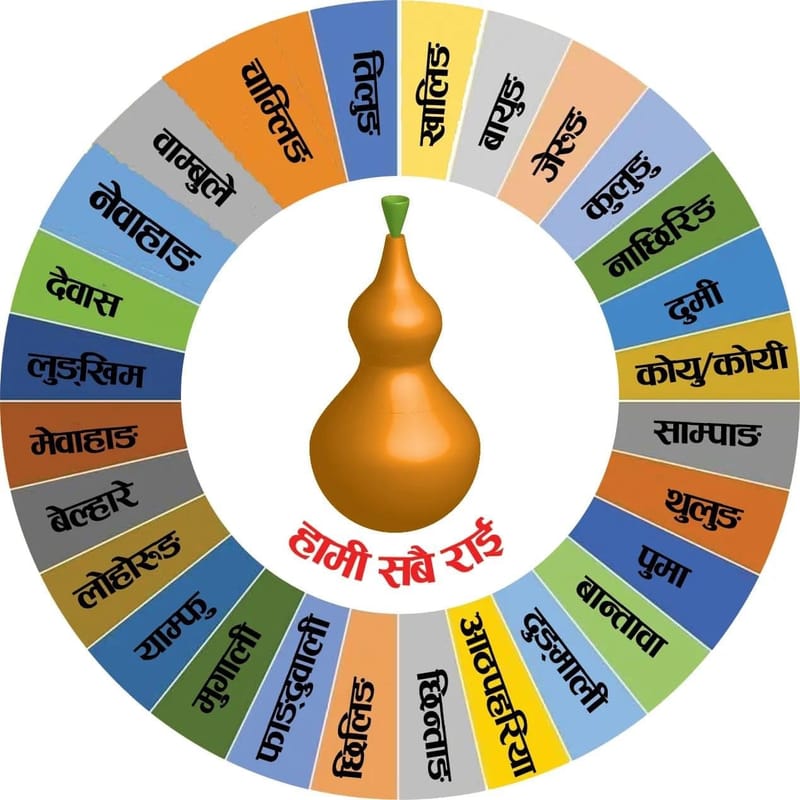
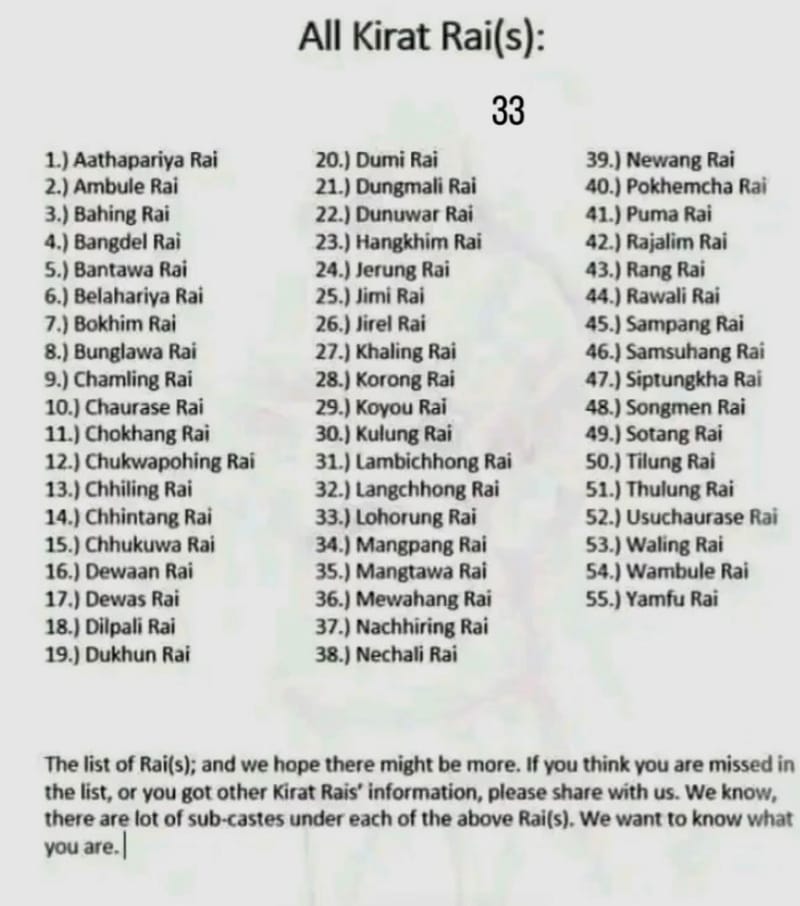
Different Types of Kirat Rai
Kirat Rais are also divided into different types.
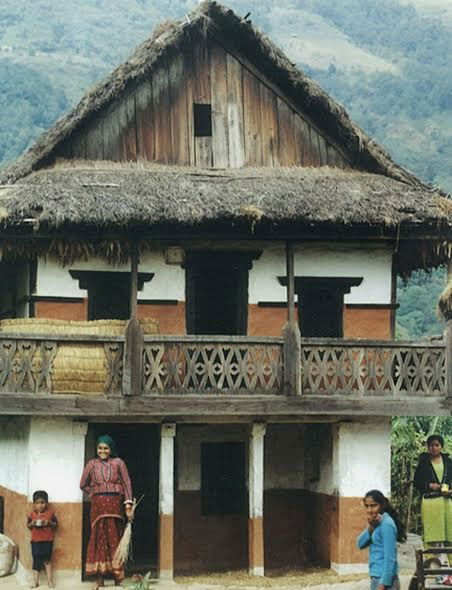
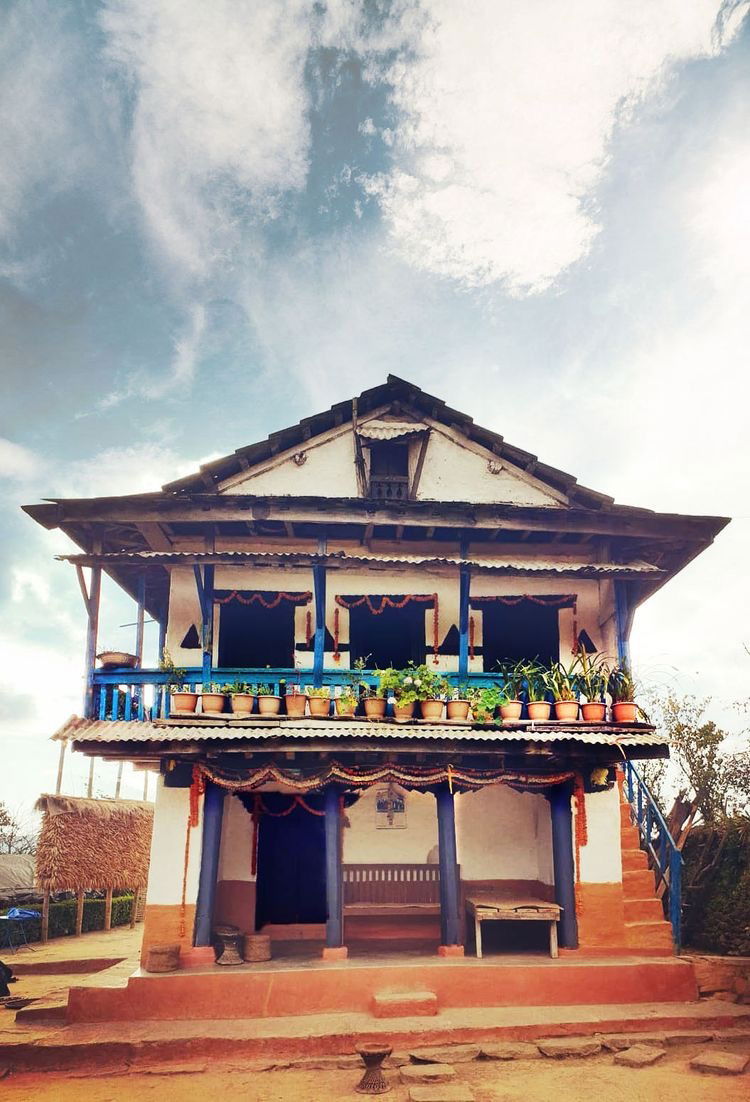
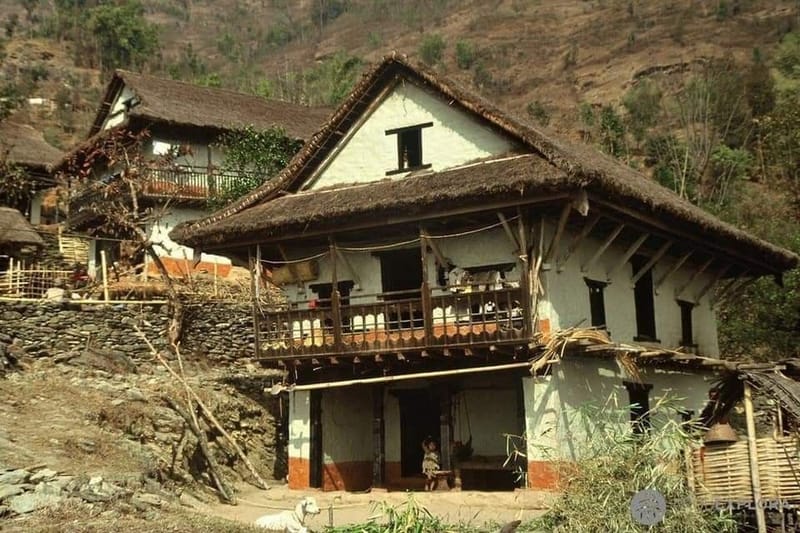
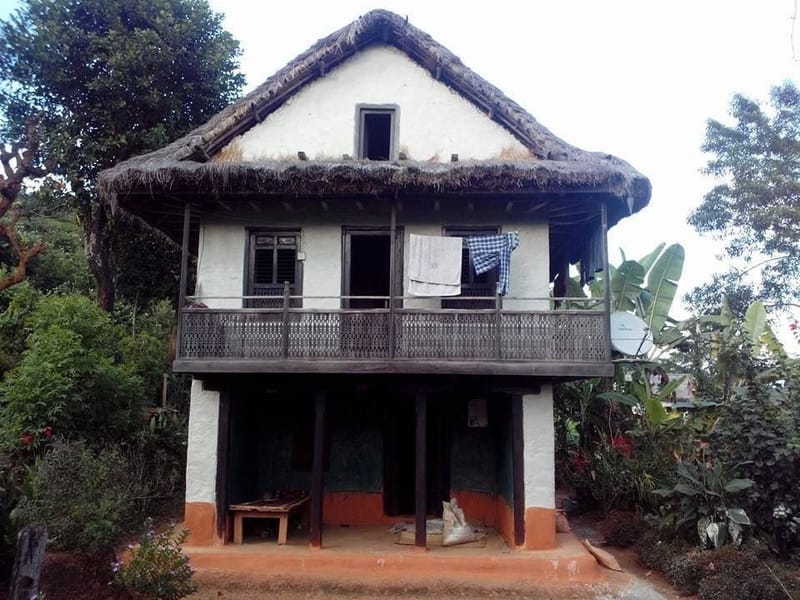
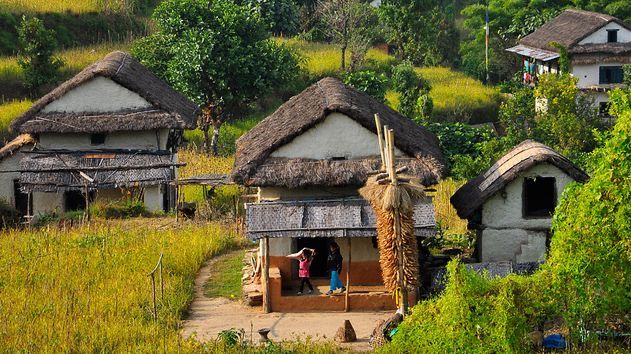
Typical Rai House
A typical Rai house built with wooden planks/logs,Thached roof and half walled having open space in the front.
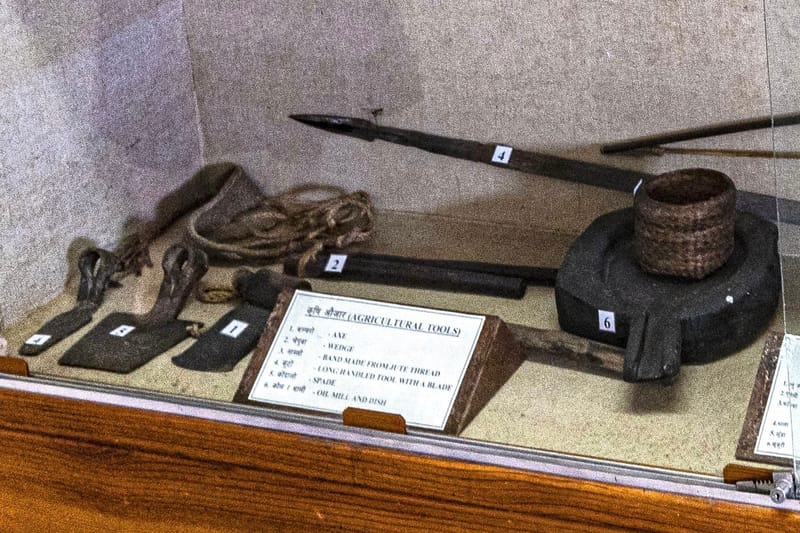
Kirat Traditional agricultural tool
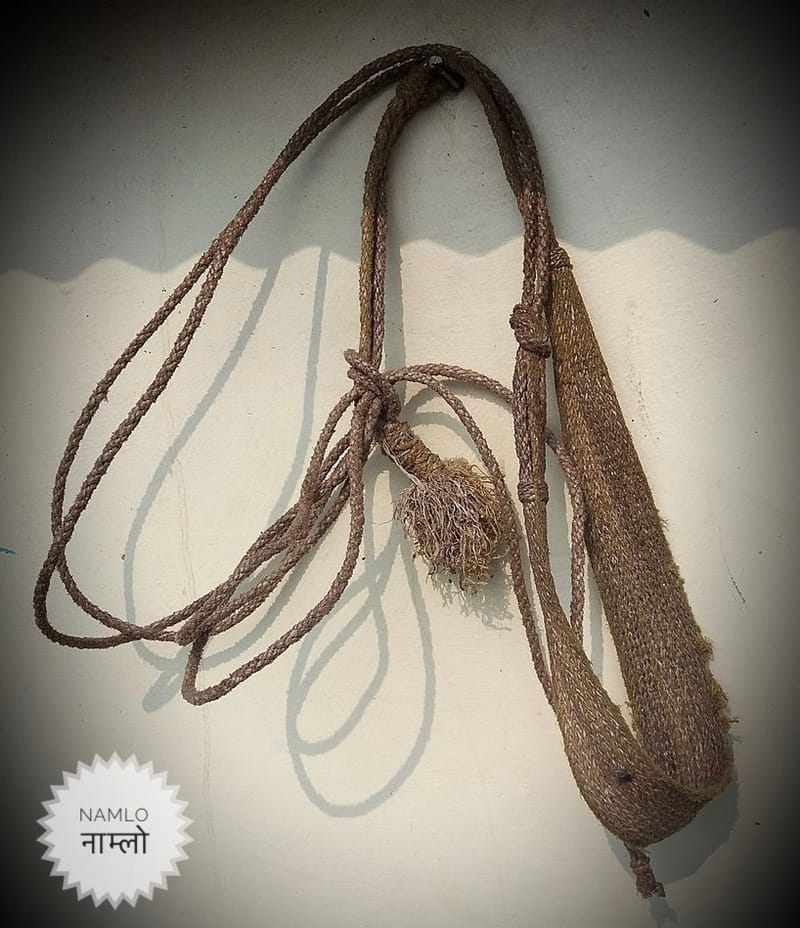
1.Bancharo ,2.Chepuwa, 3.Namlo, 4.Kuto, 5. Kodalo ,6.Kol & Thali
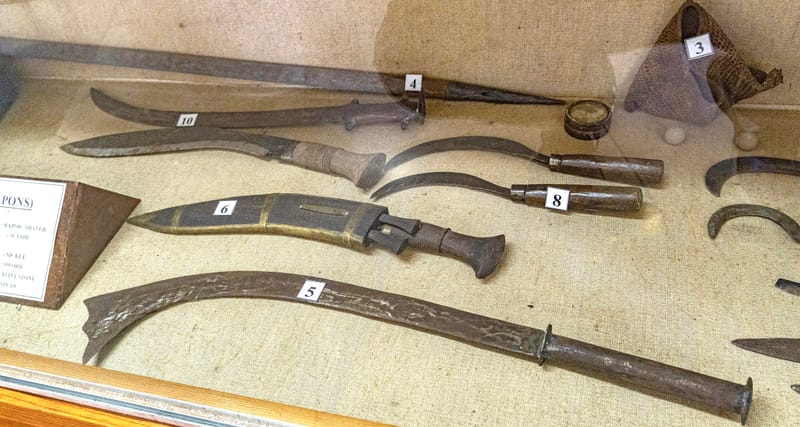
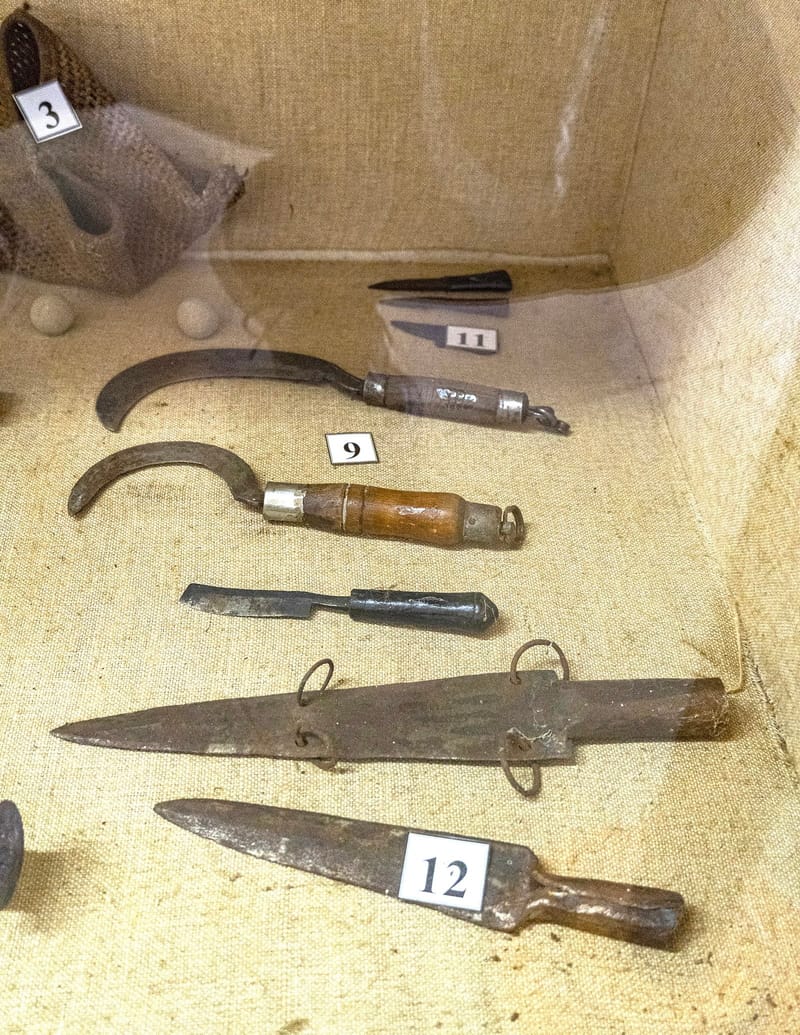
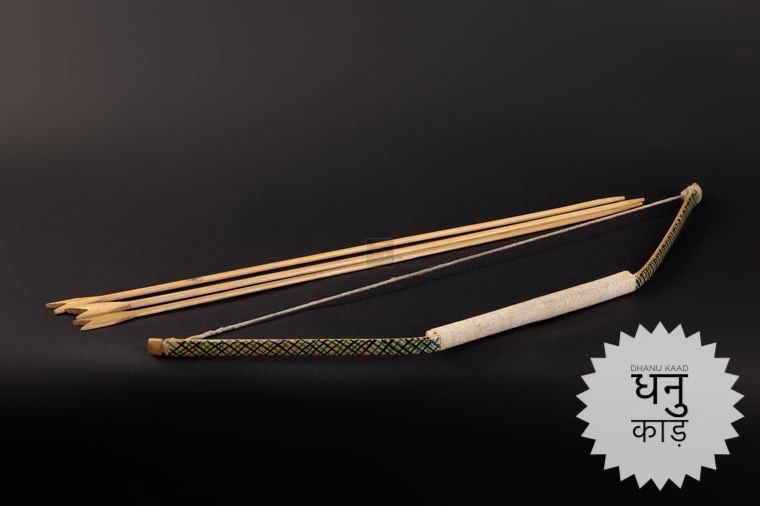
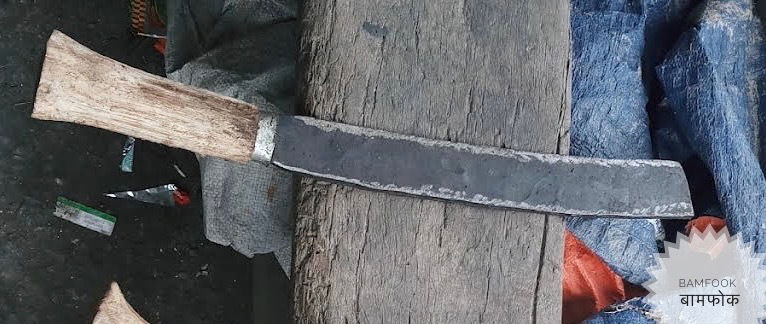
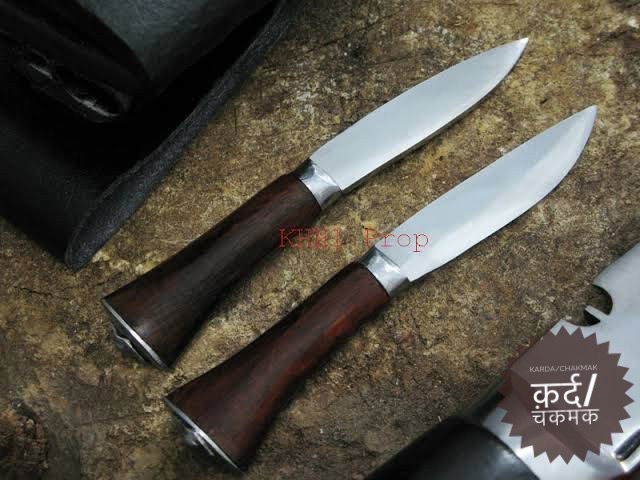
Kirat Traditional weapon
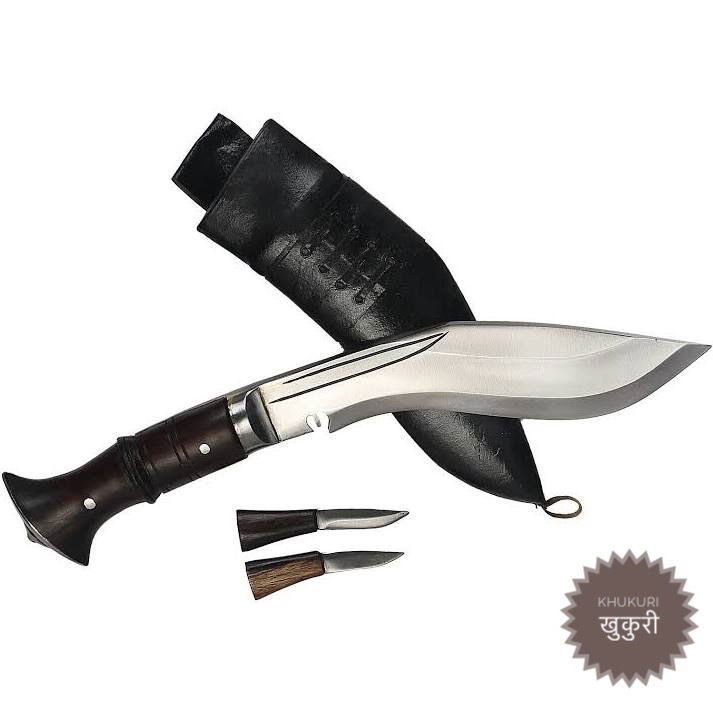
3.Matengra & Jhola 4.Bhala ,5.Khuda , 6.Khukuri , 7. Chhura, 8.Kachiya,9.Hasiya, 10.Tarbar, 11.Chakmak
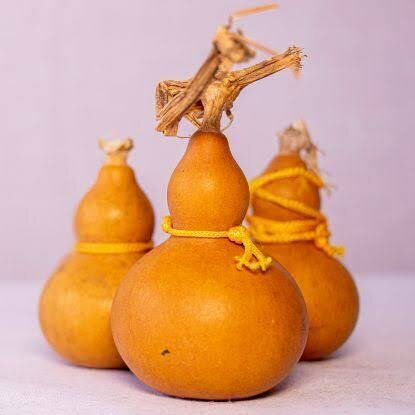
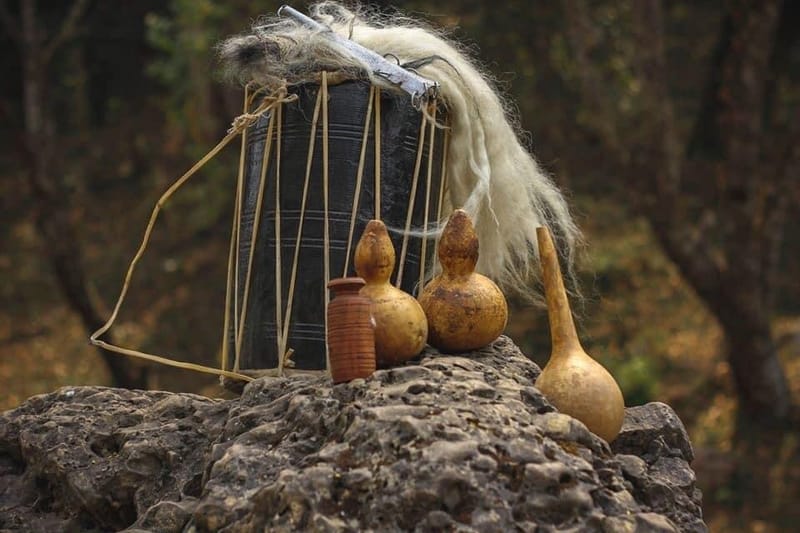
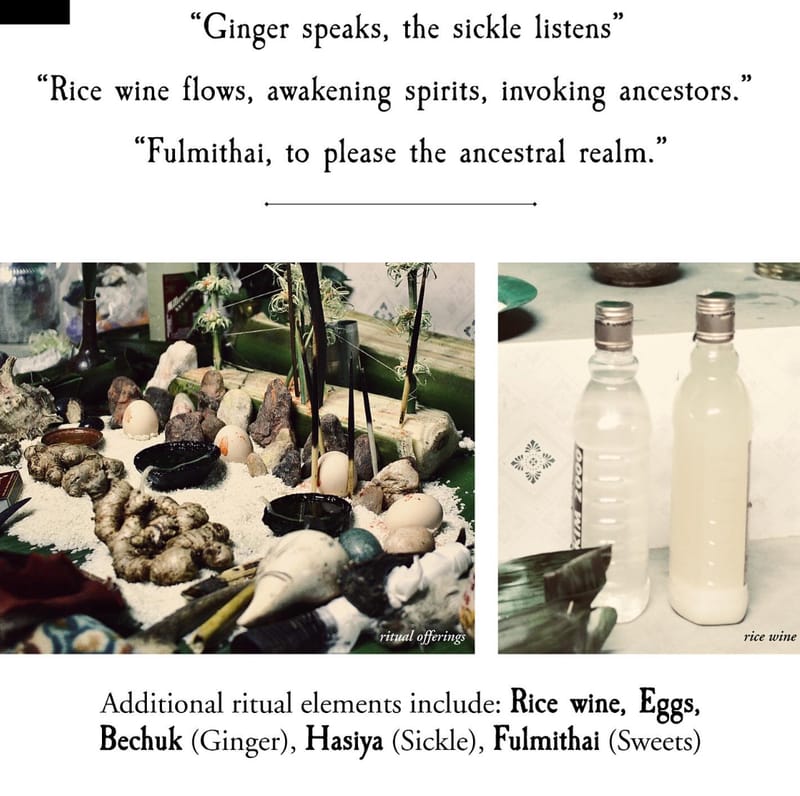
Wabuk/Chindo
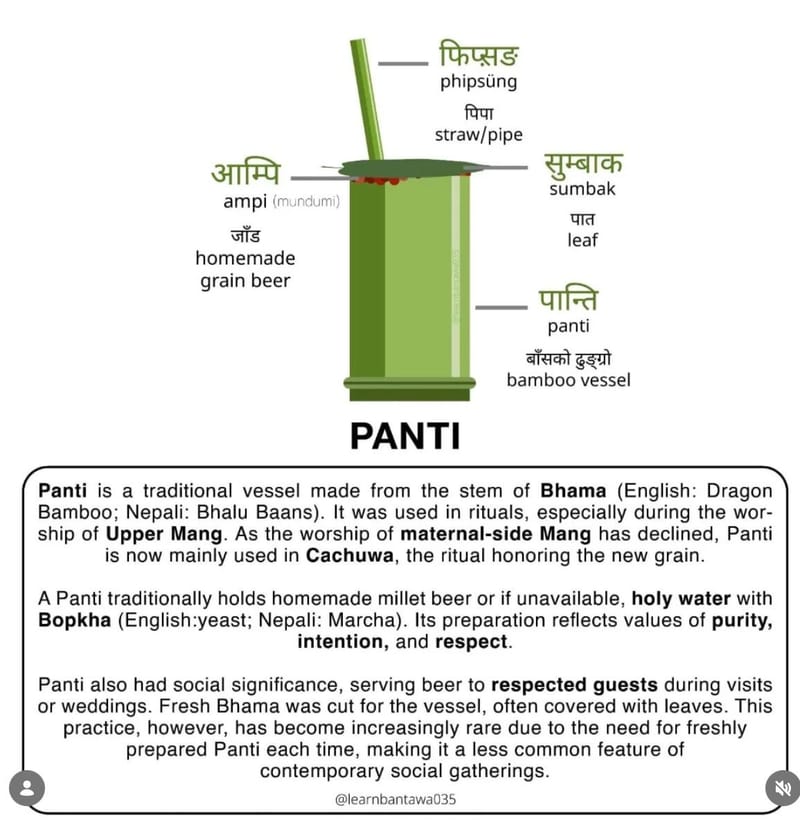
This traditional gourd (Kubindo) bottle used by Kirati in their ritual.
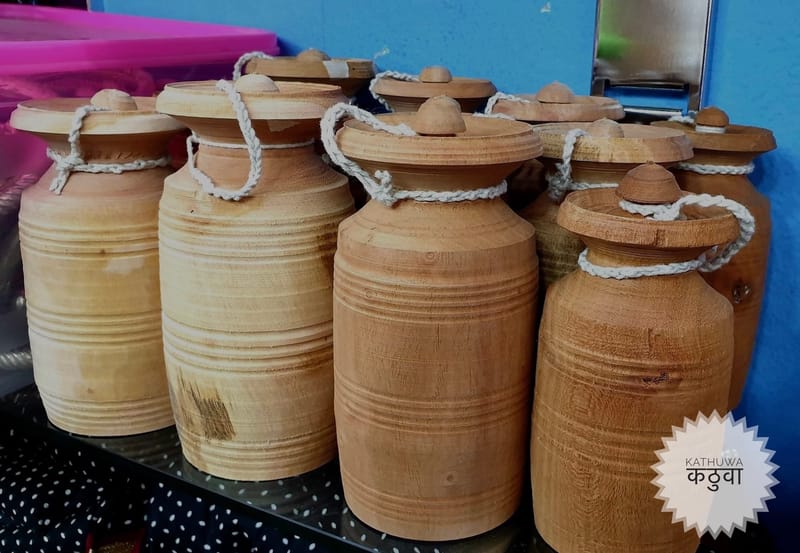
Kathuwa
Kathuwa is a wooden made bottle in order to store liquor in it and also used during Kirati rituals.
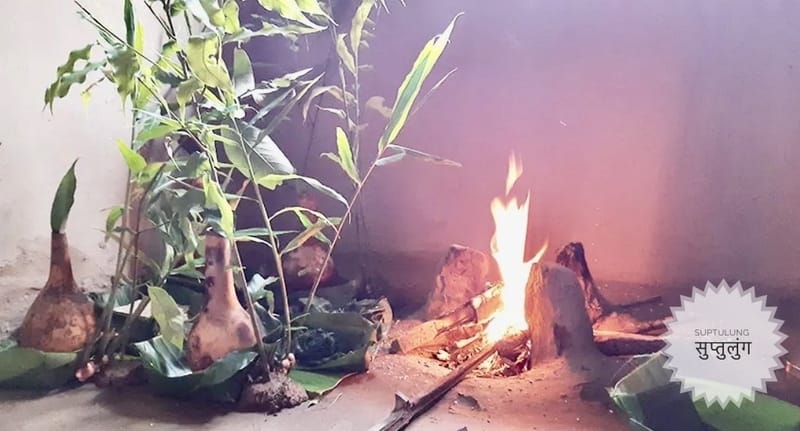
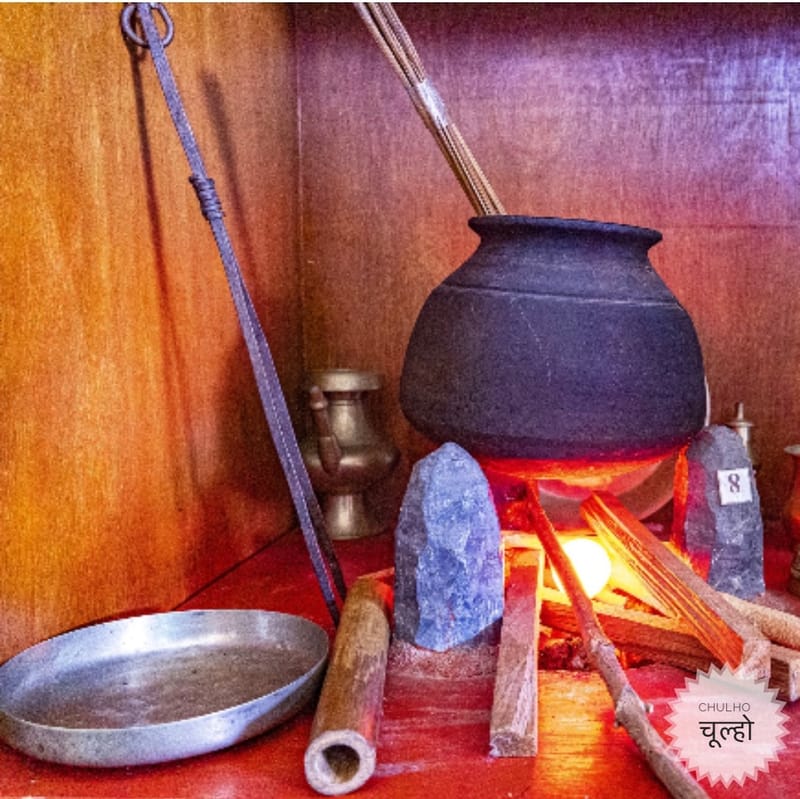
Suptulung (Hearthstones)
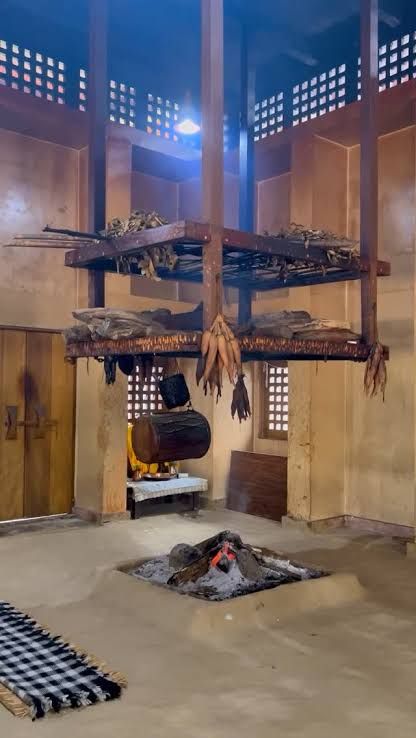
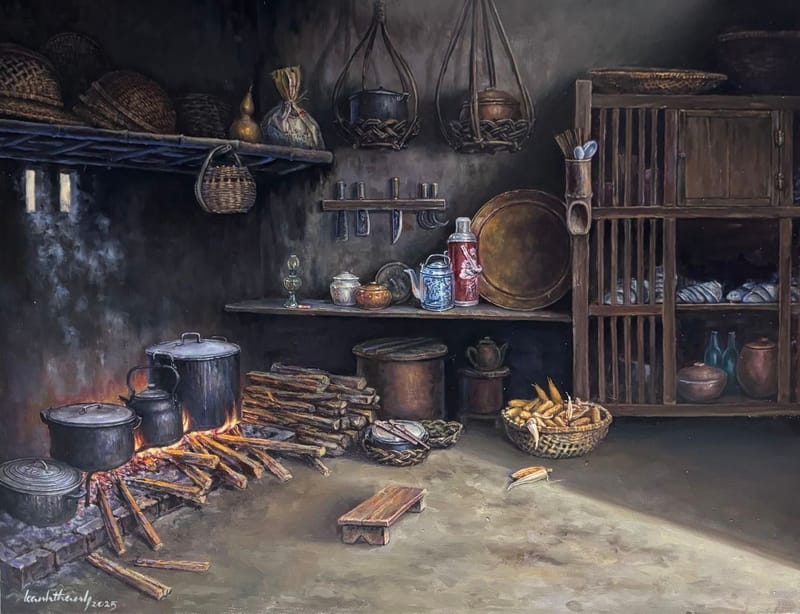
Kirati community Kitchen
This photo depicts kirat community’s kitchen.
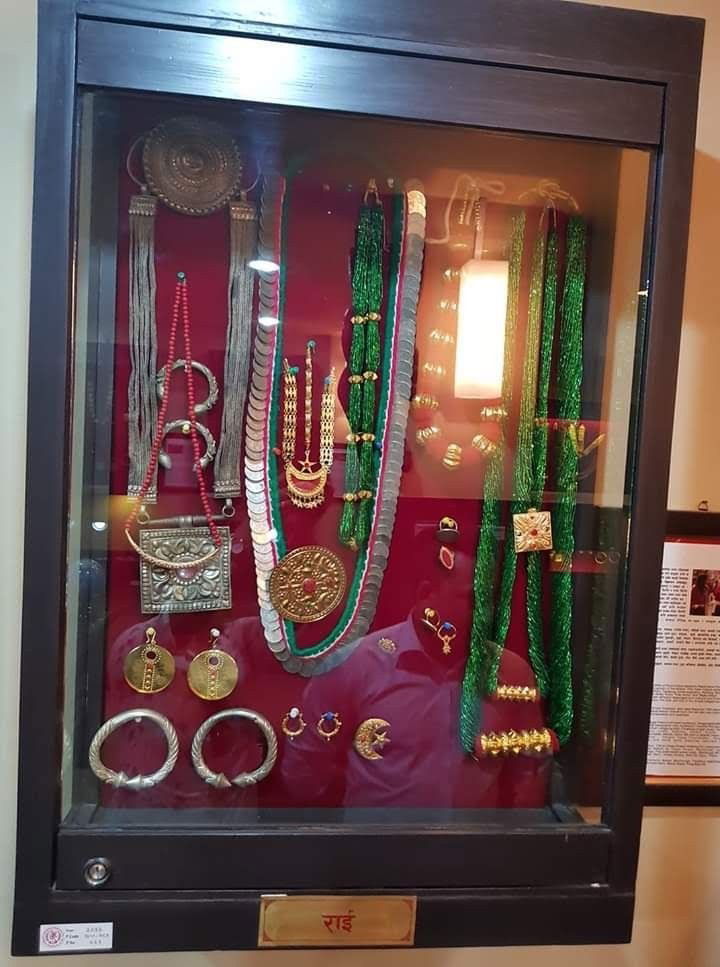
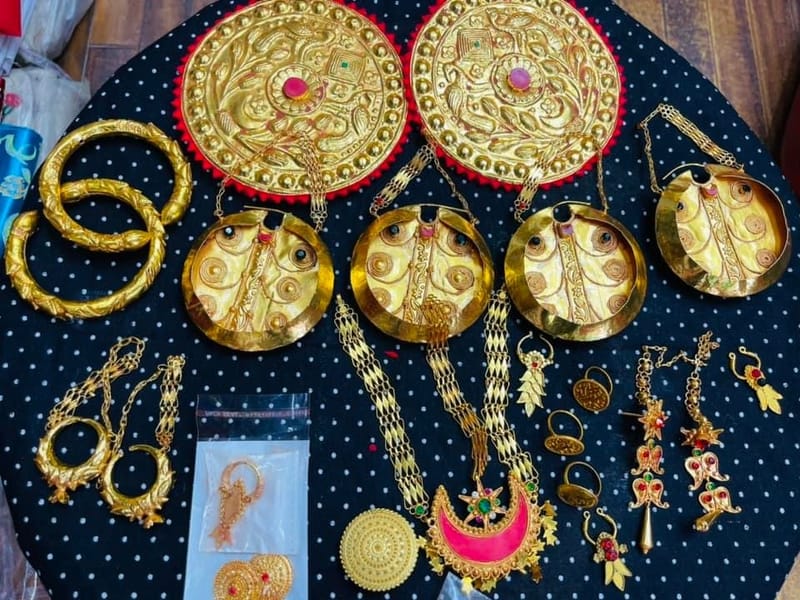
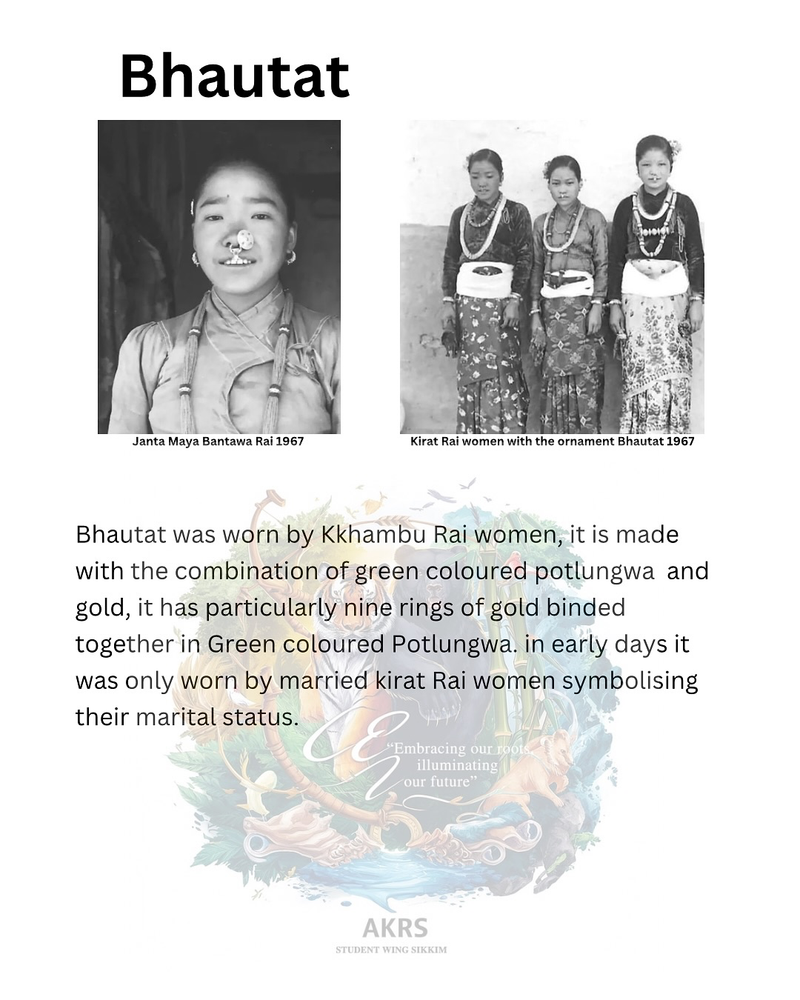
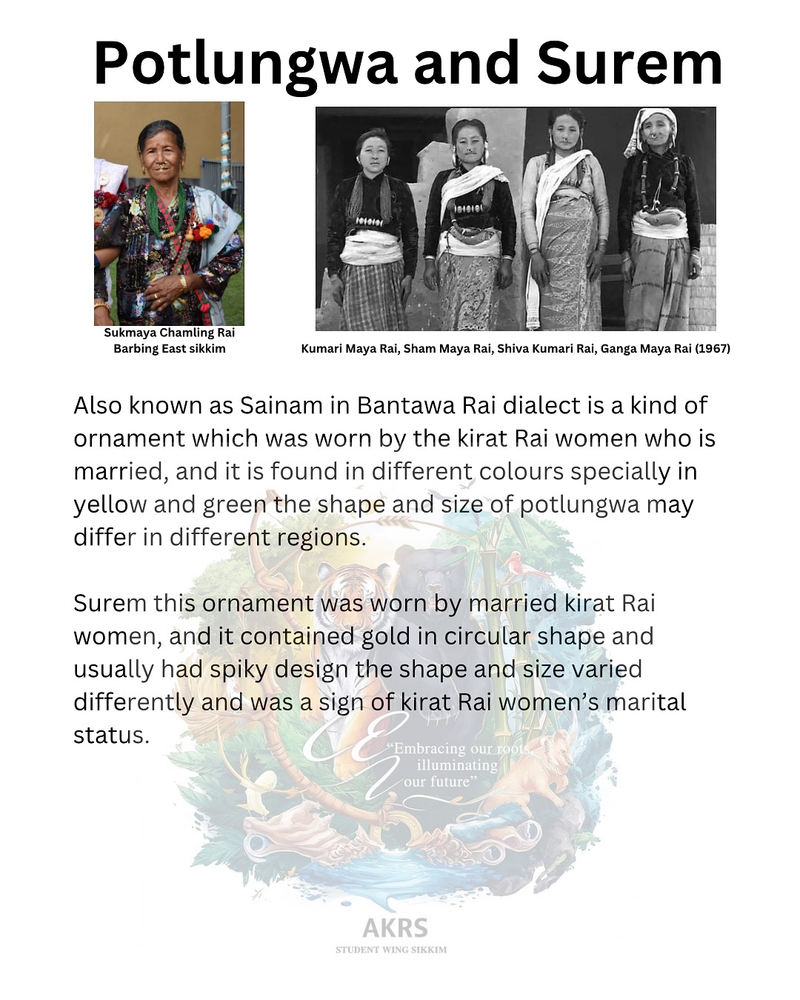
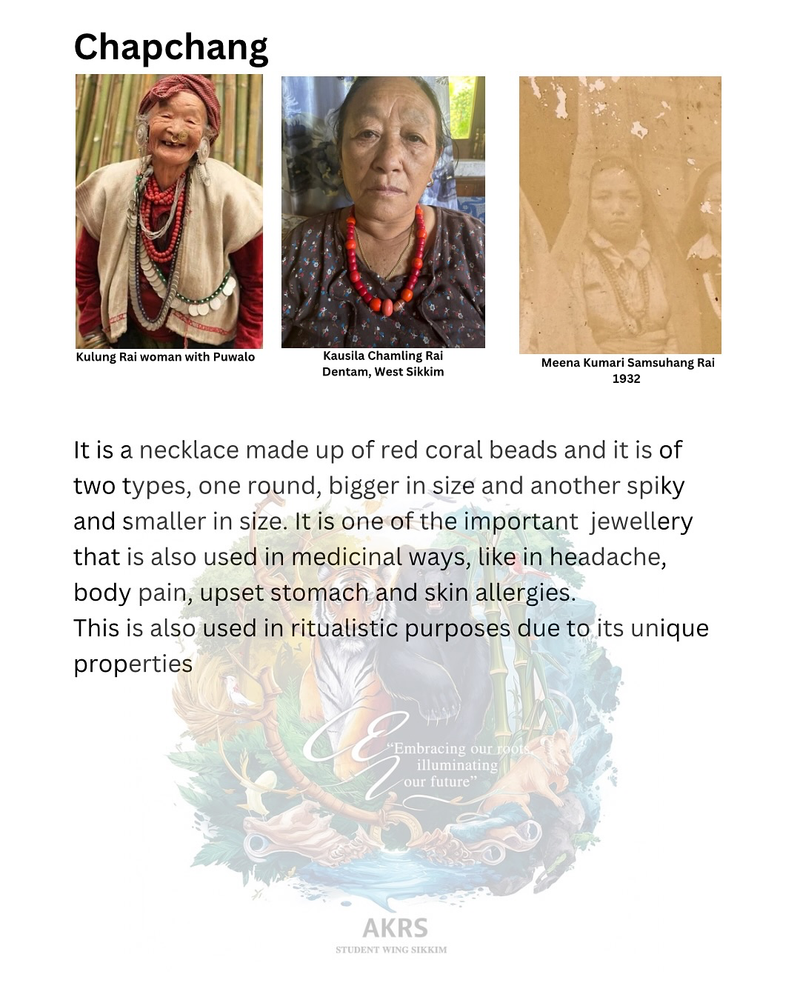
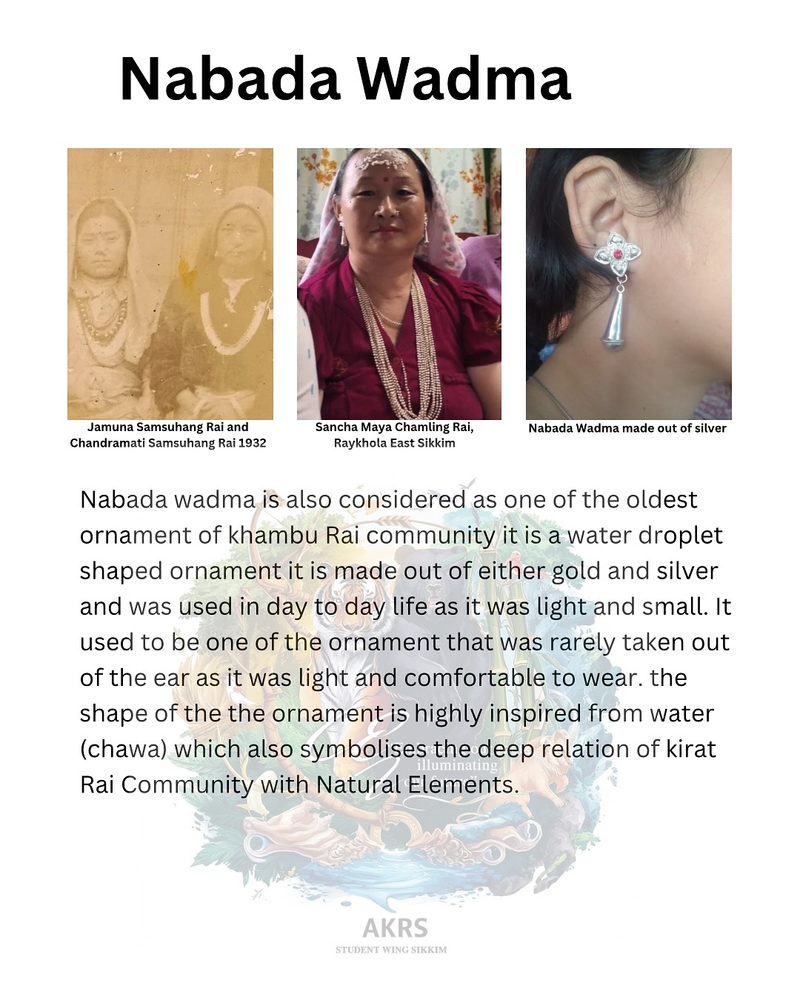
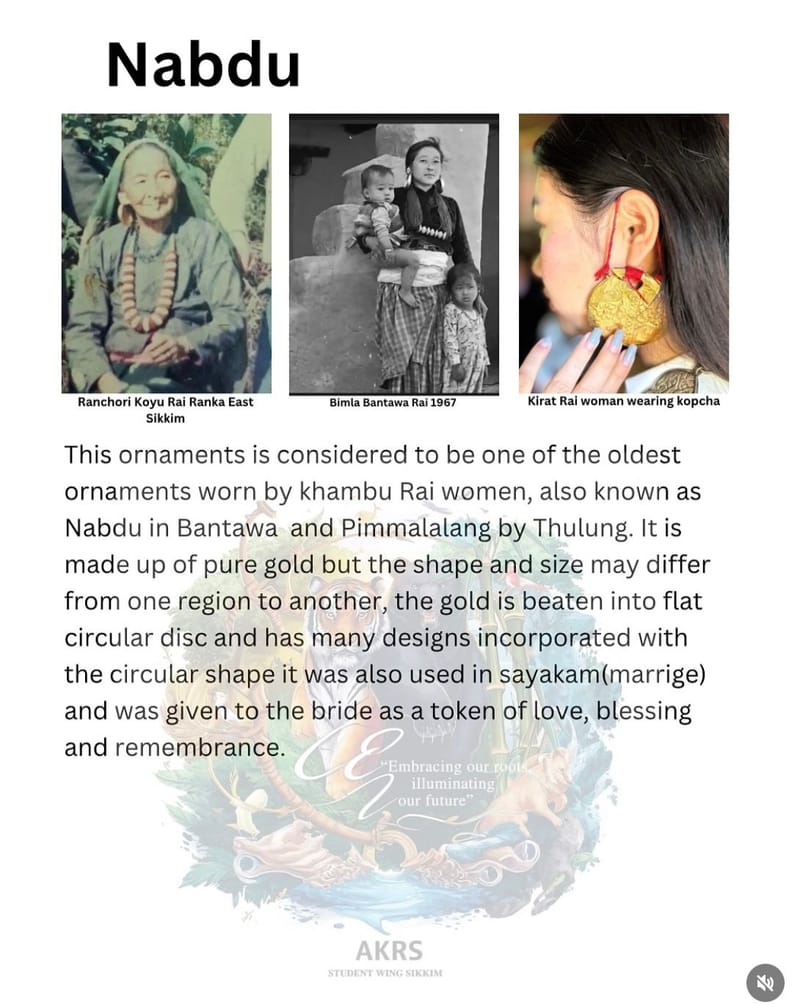
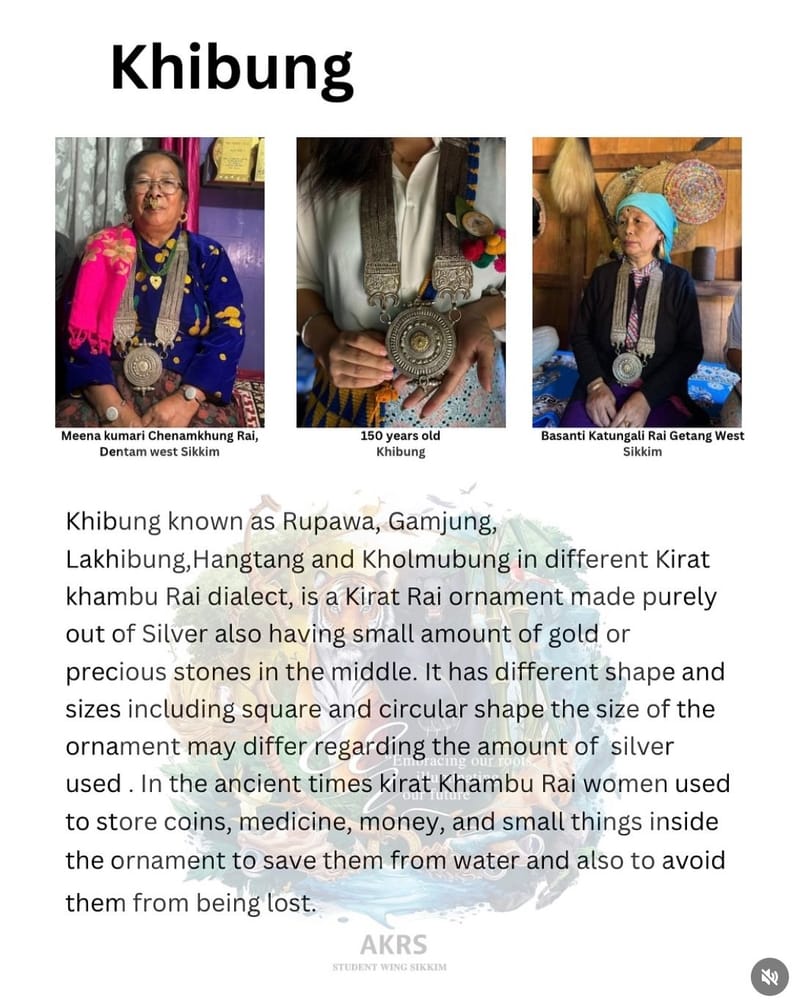
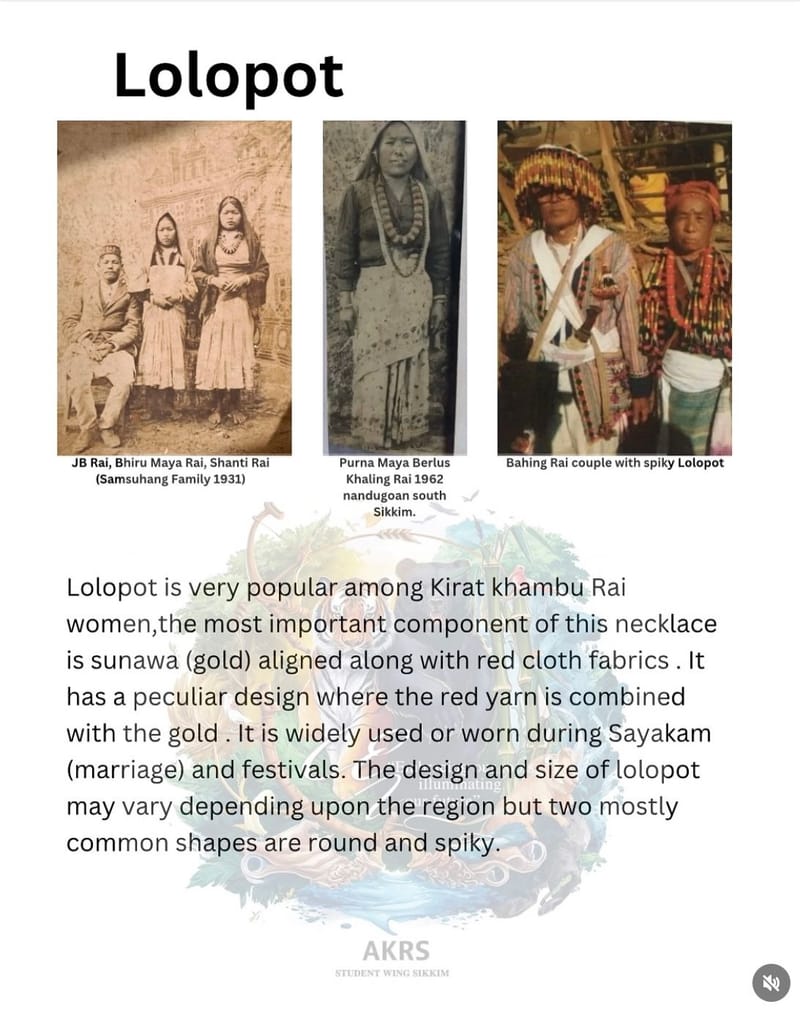
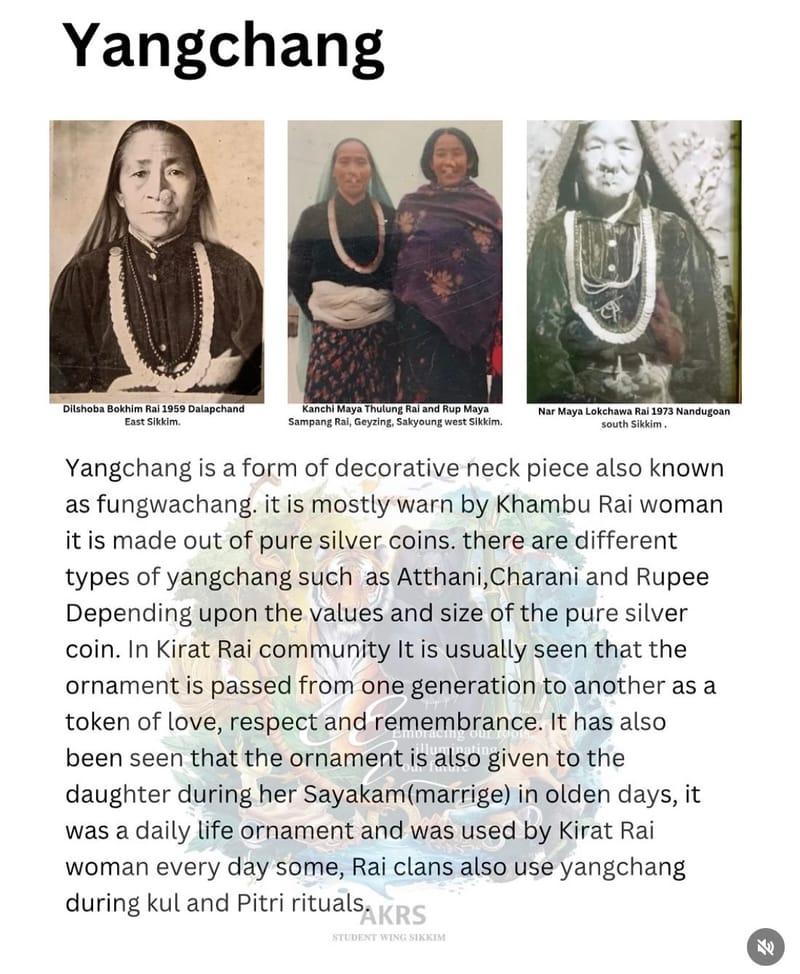
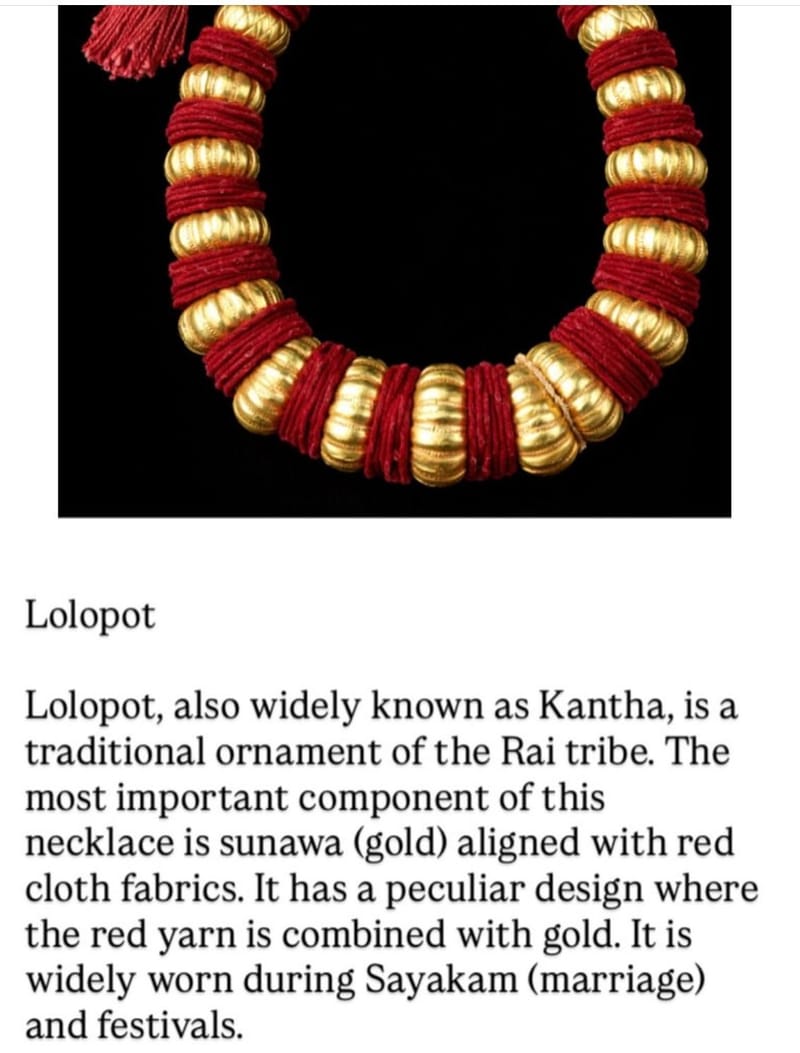
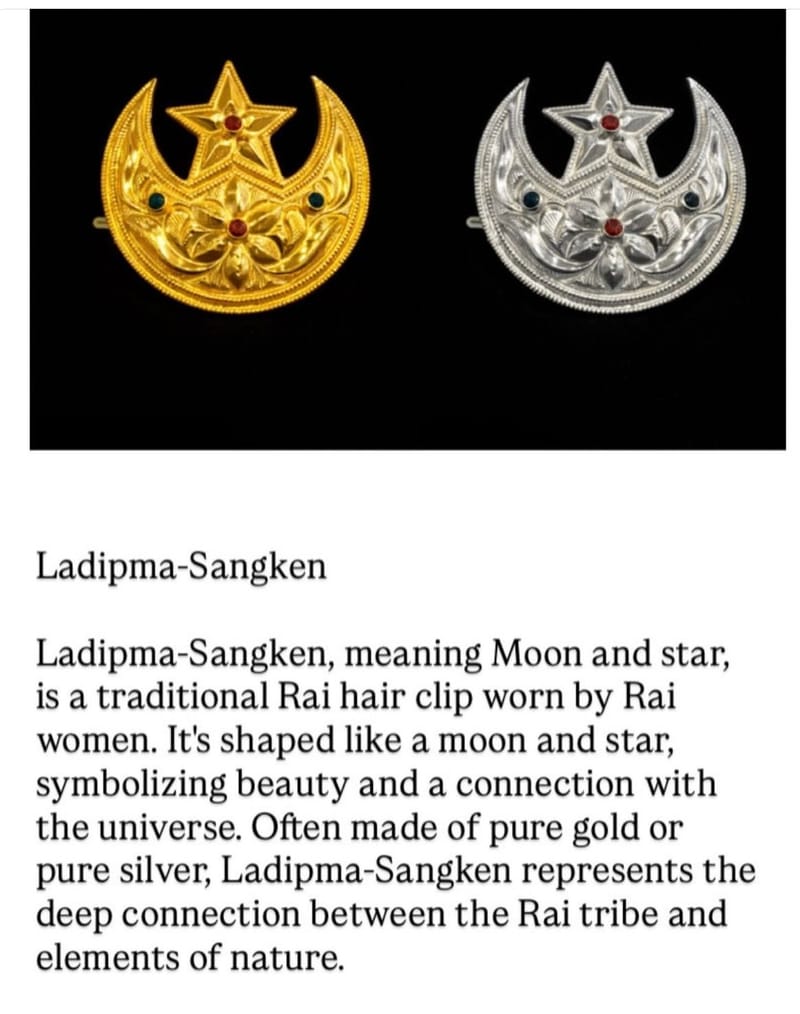
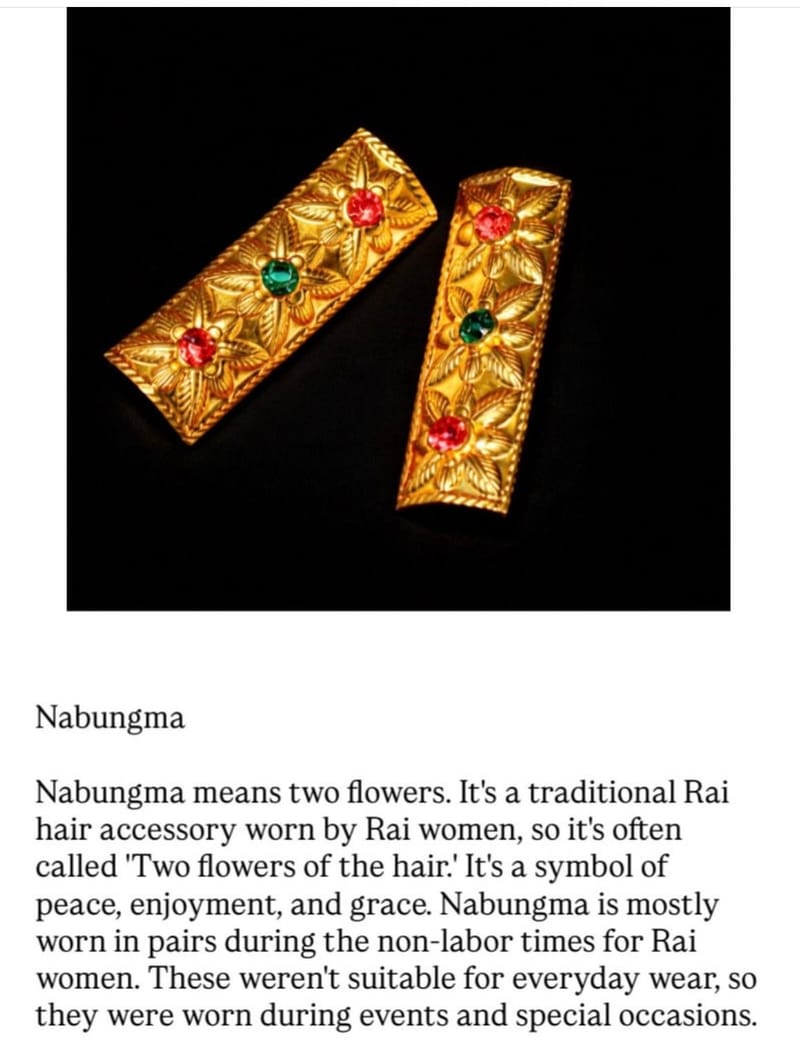
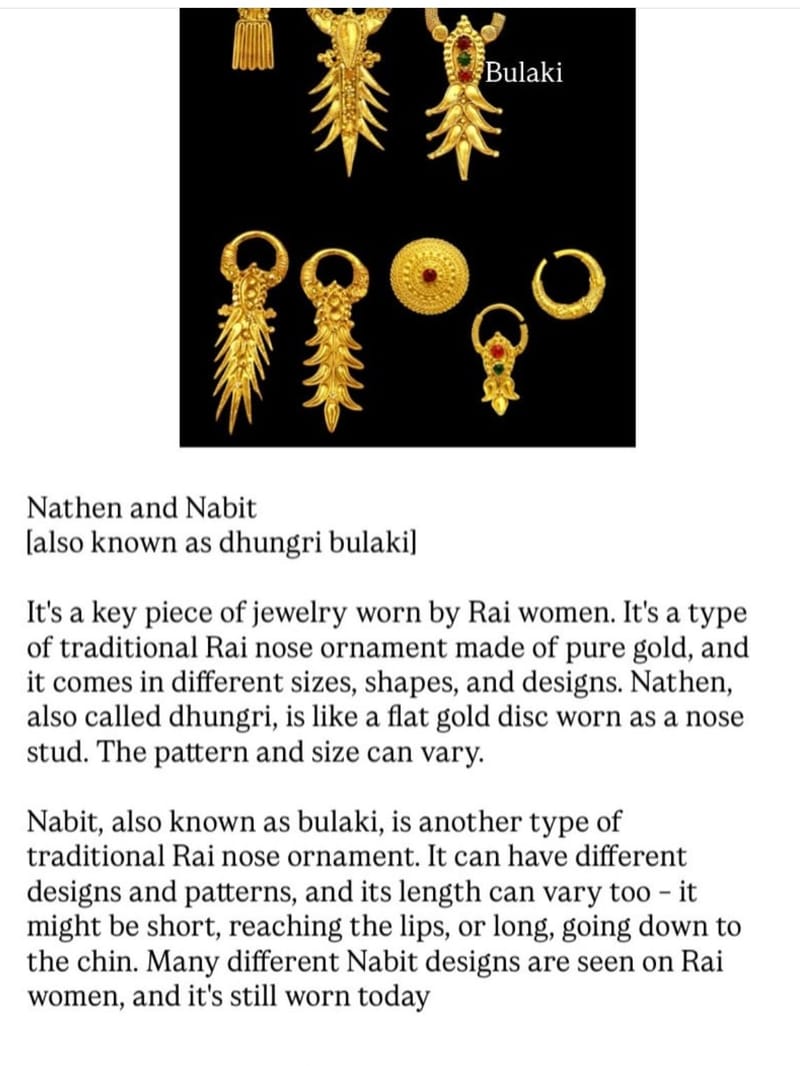
Ornaments
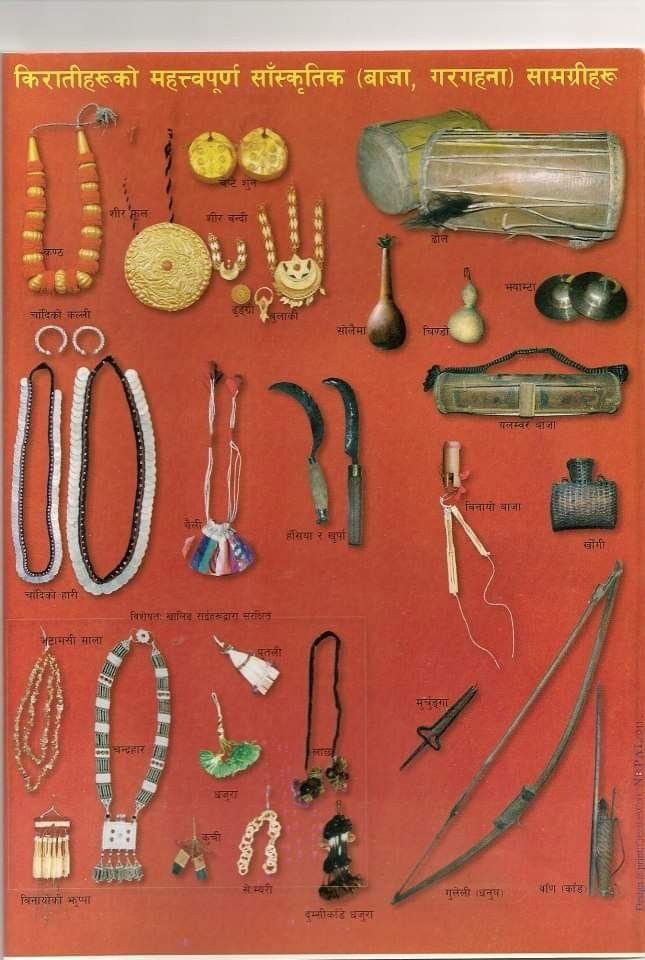
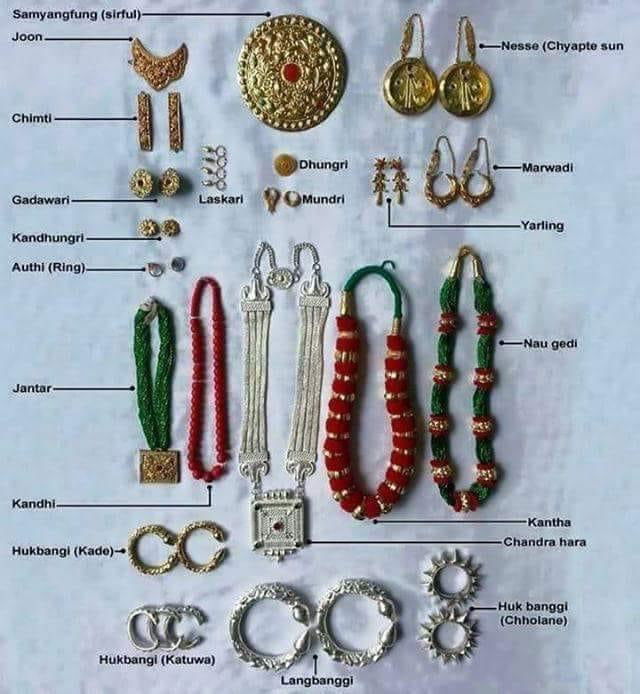
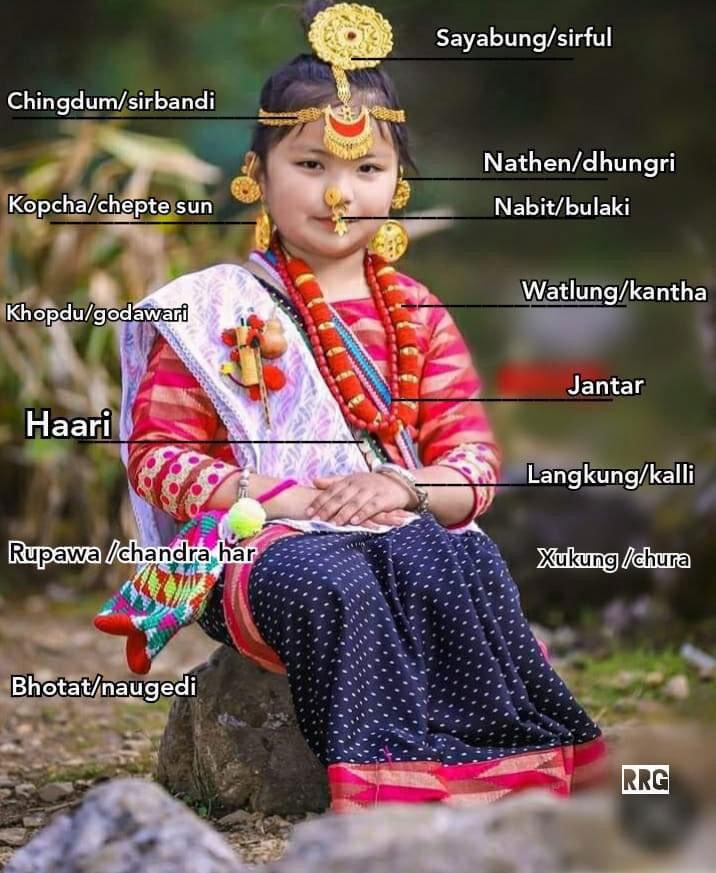
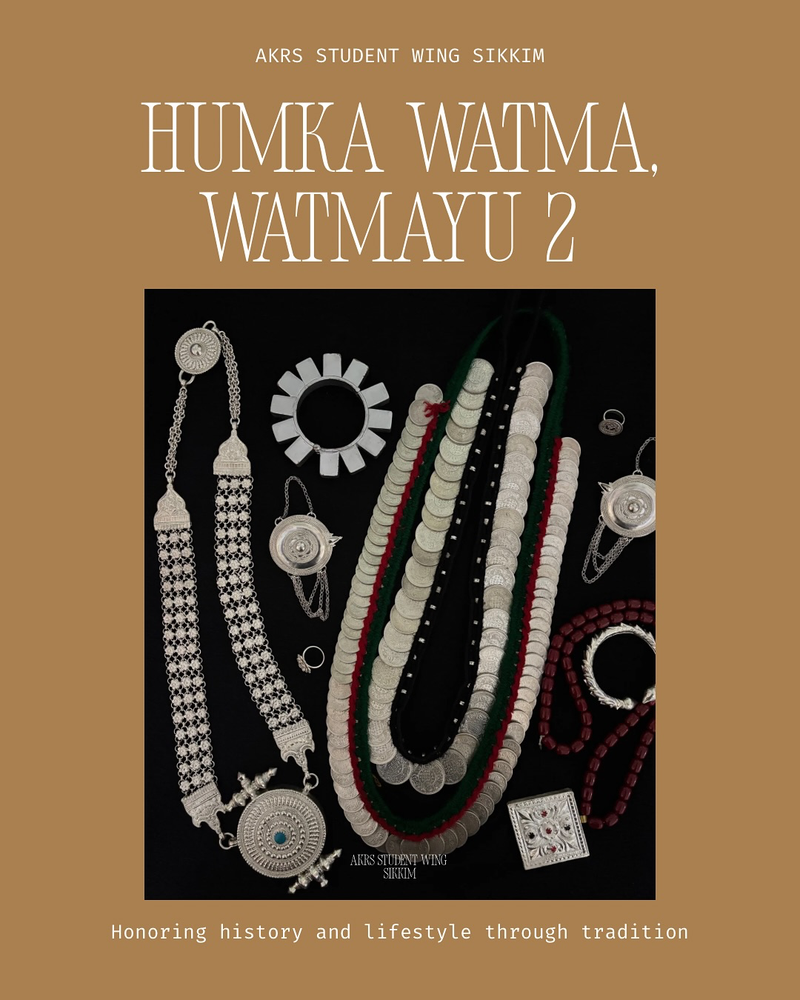
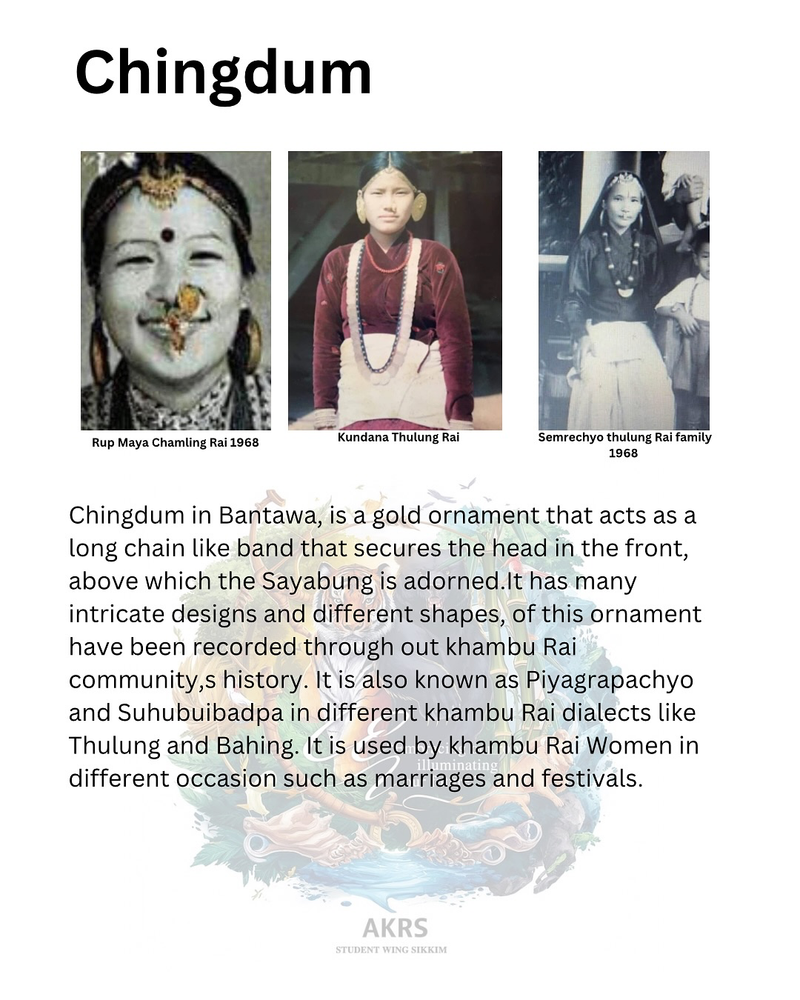
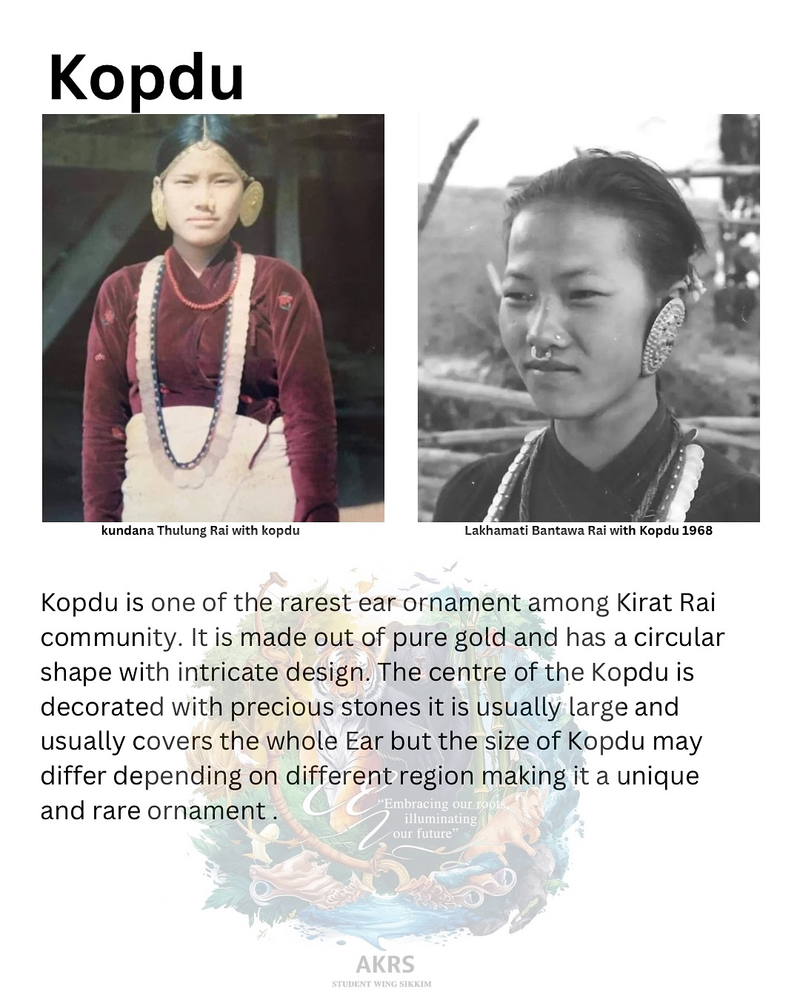
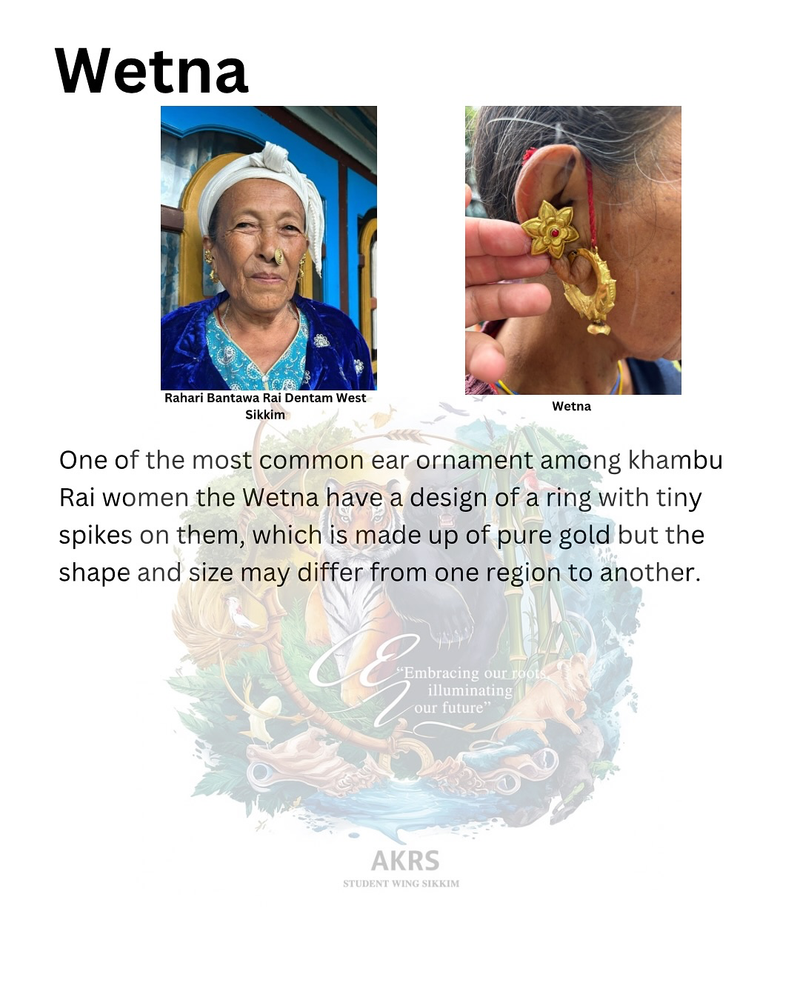
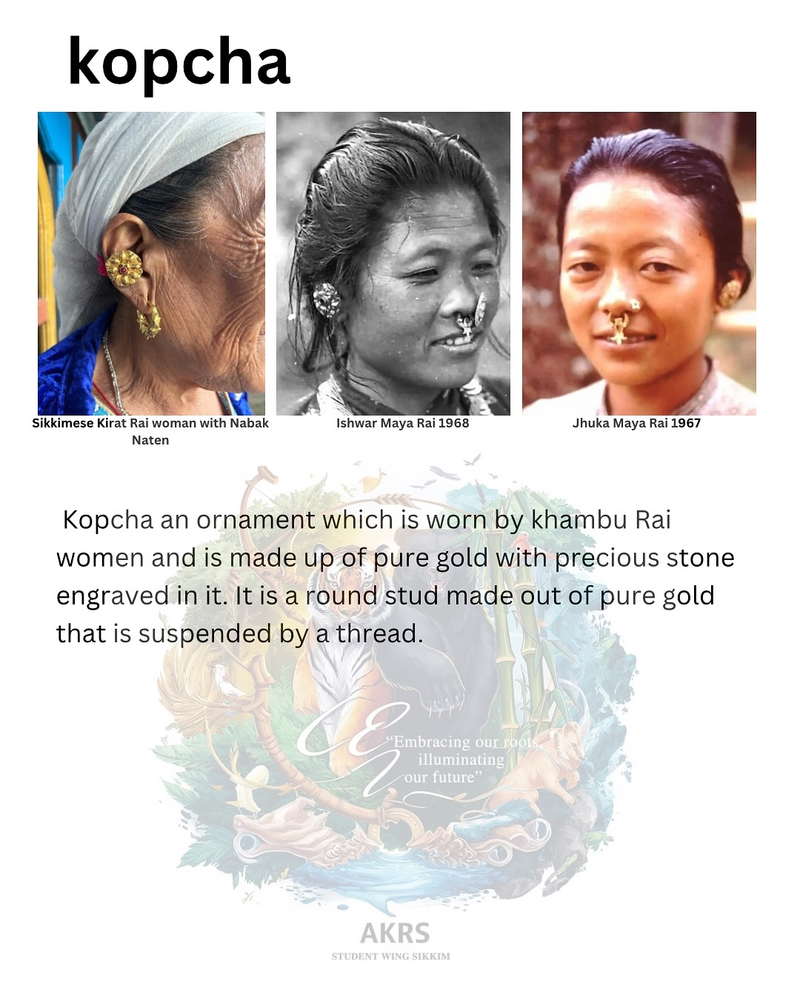
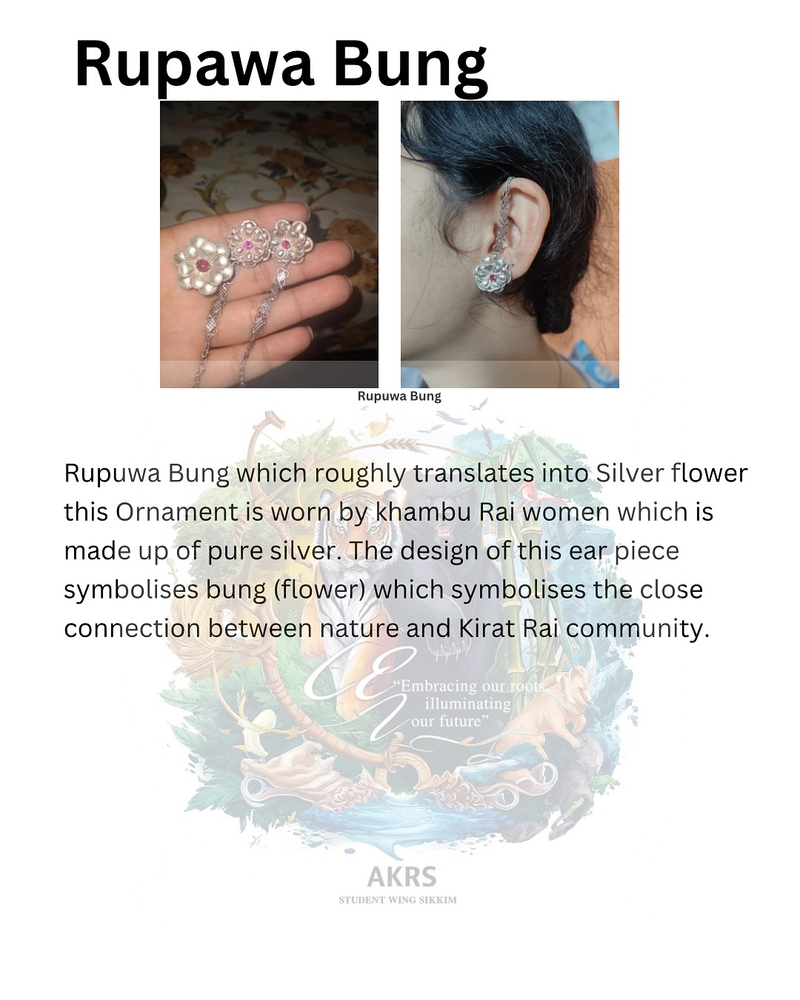
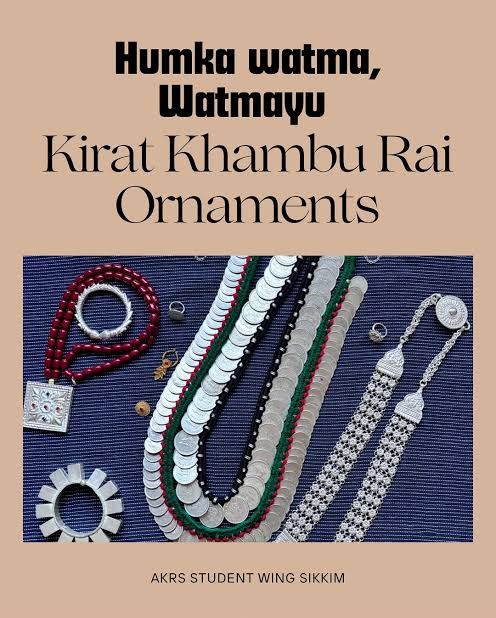
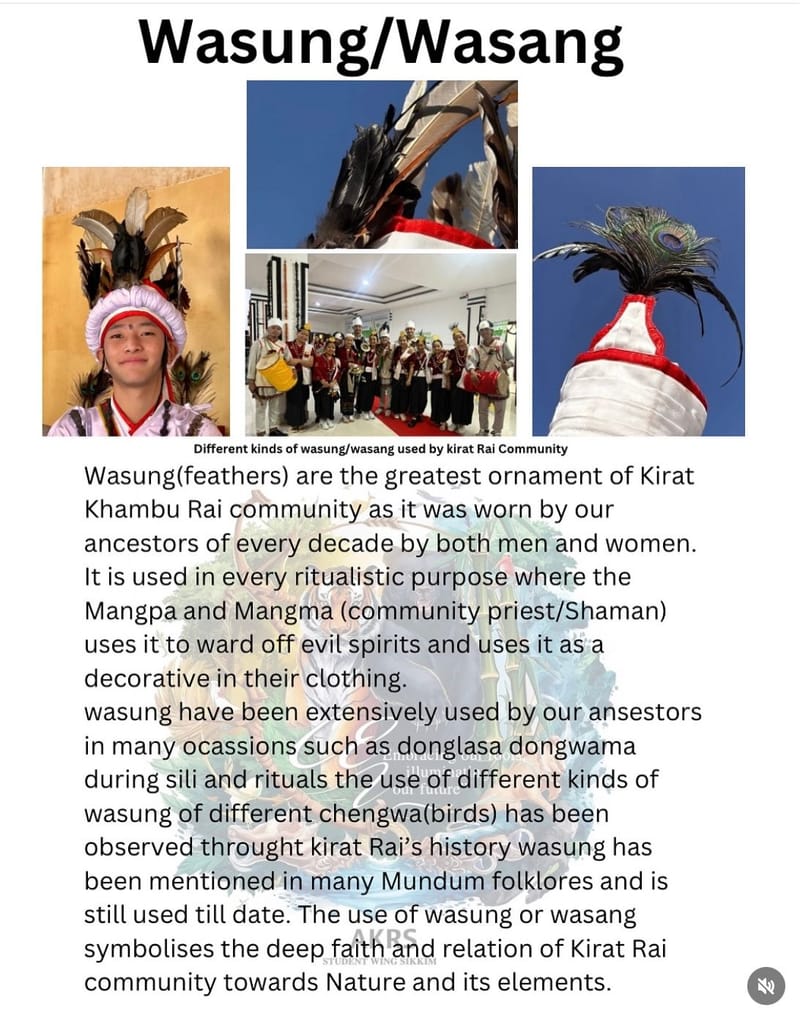
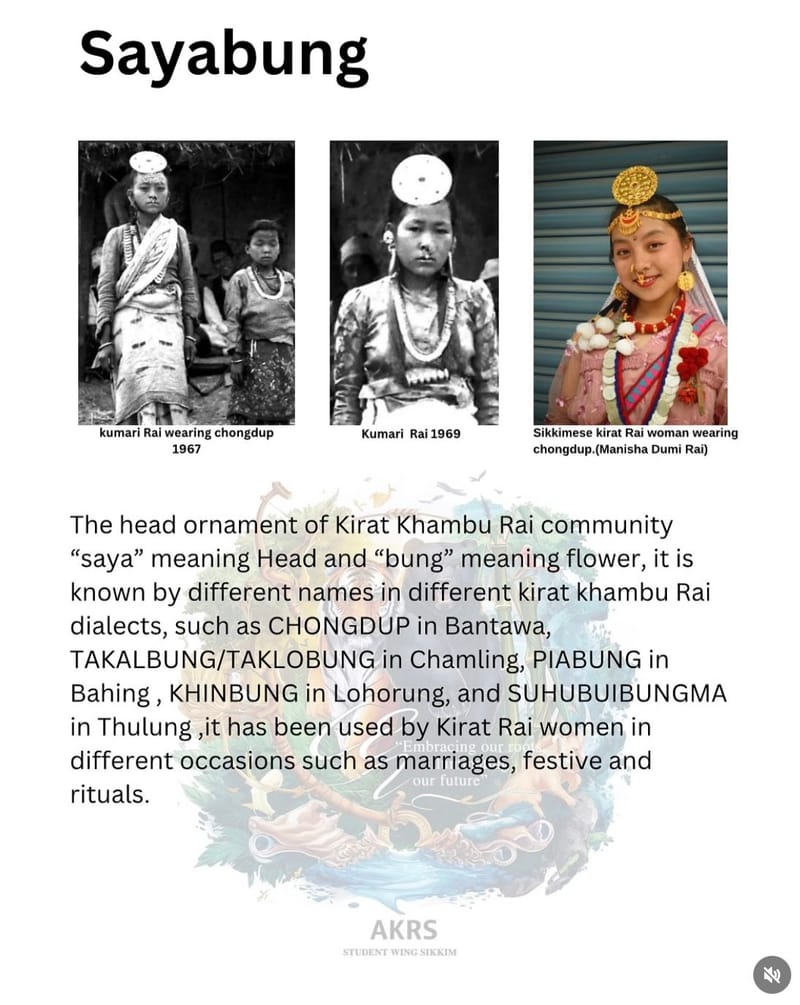
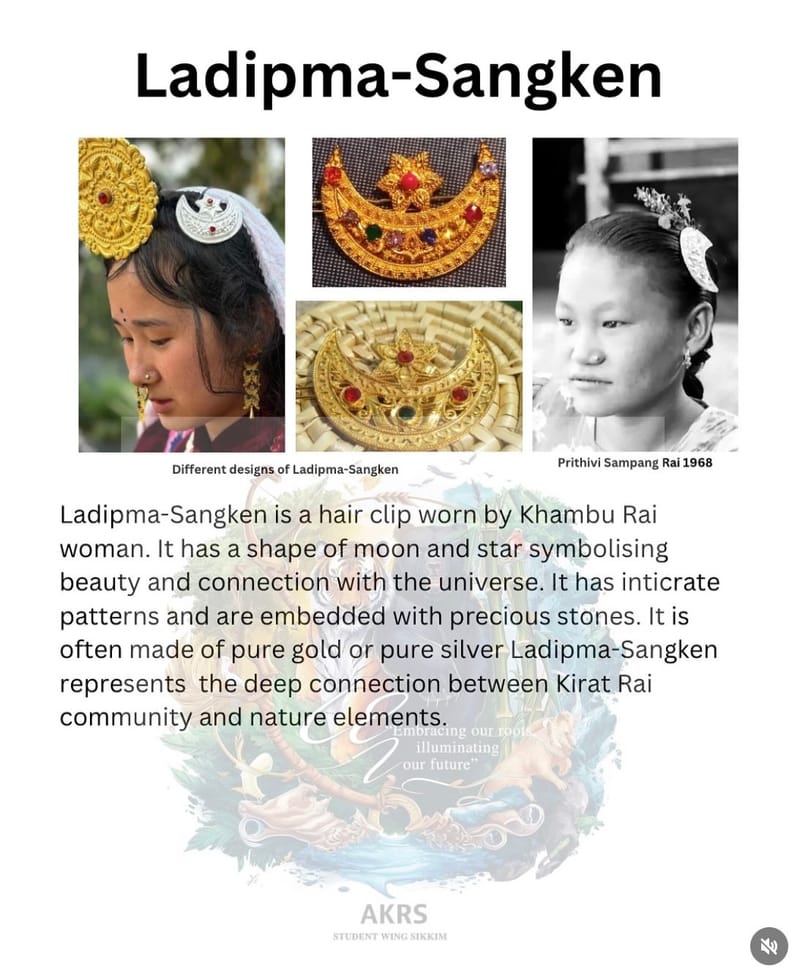
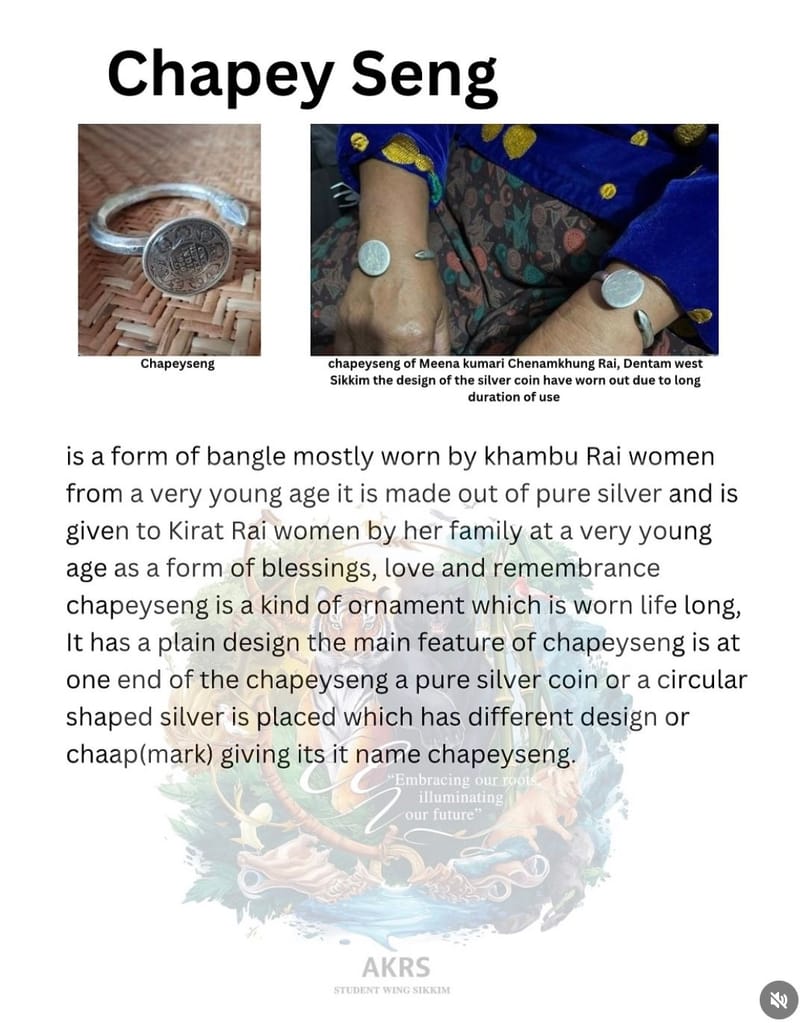
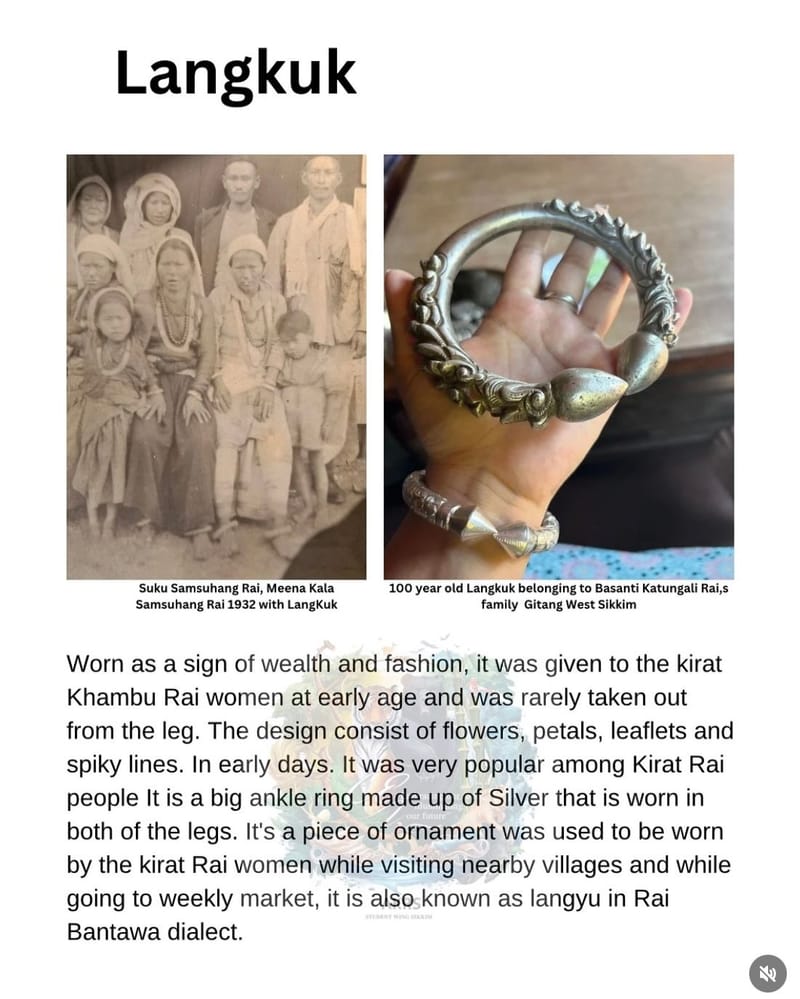
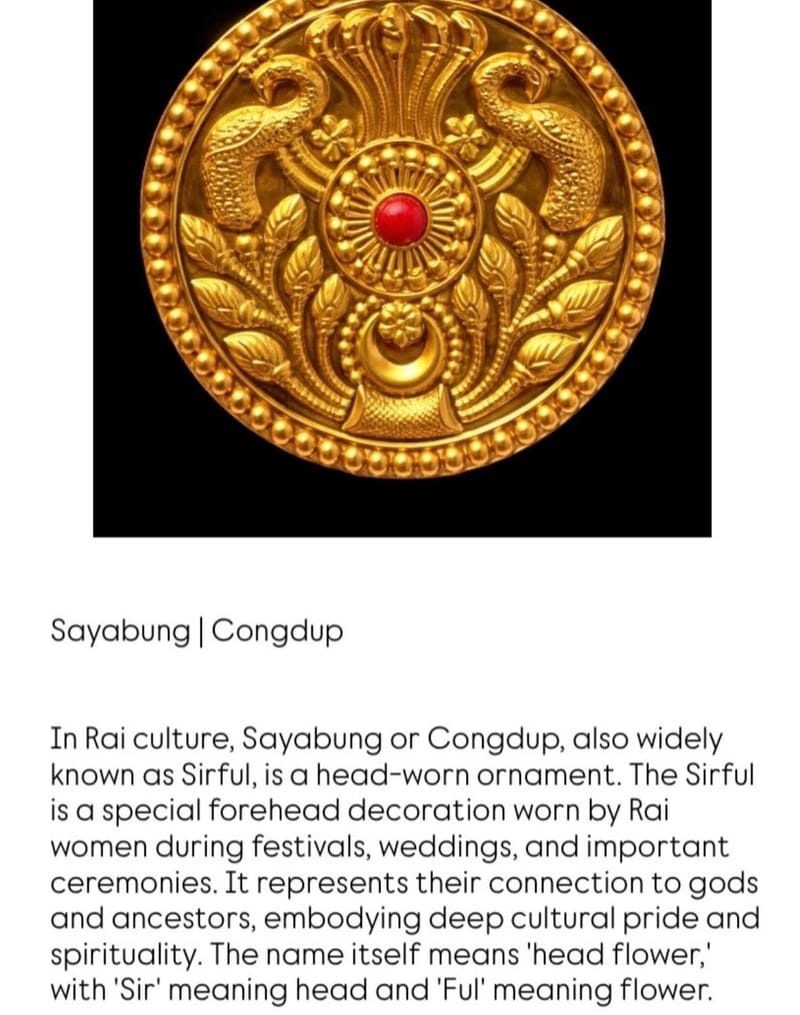
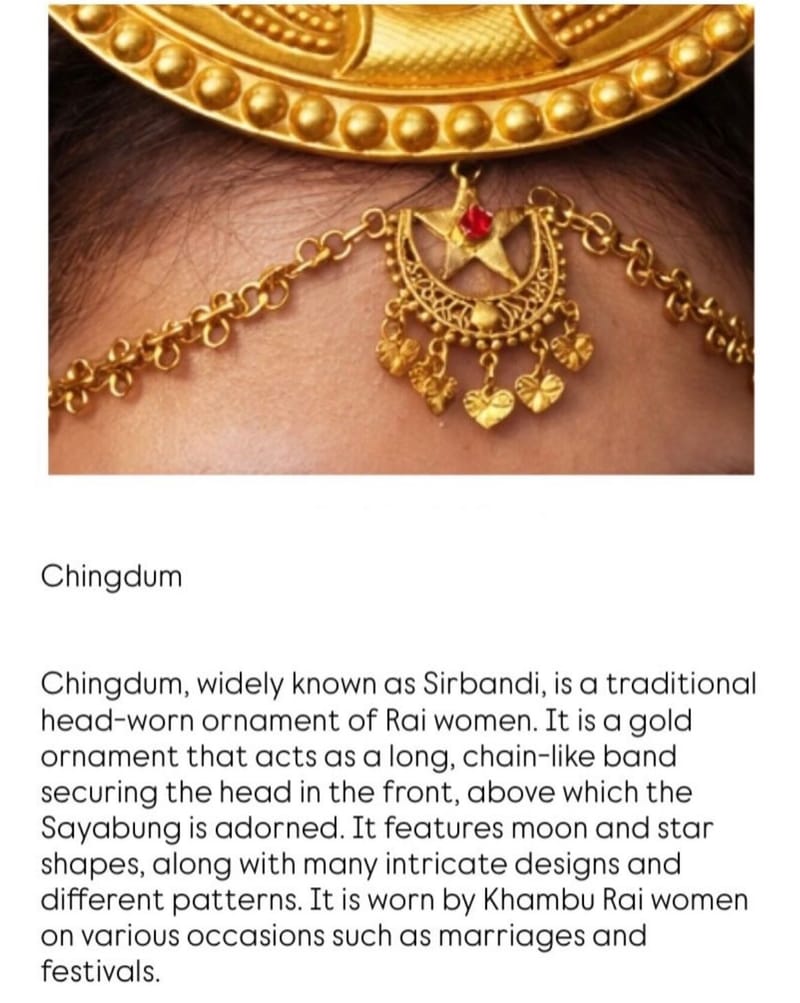
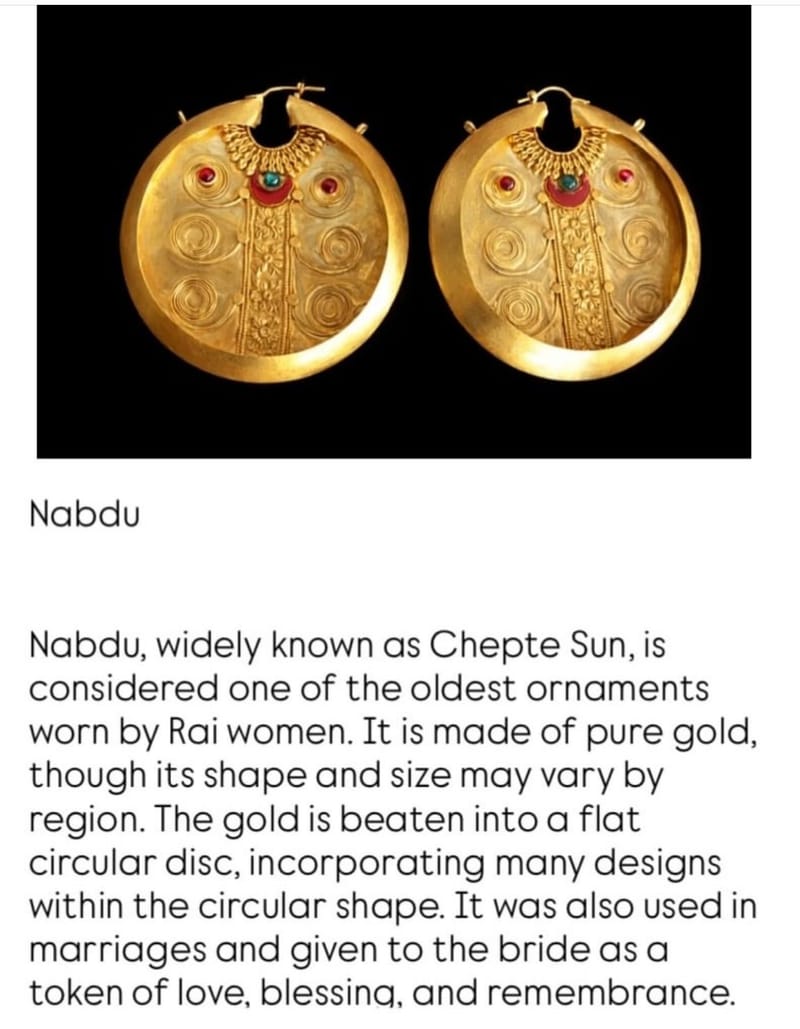
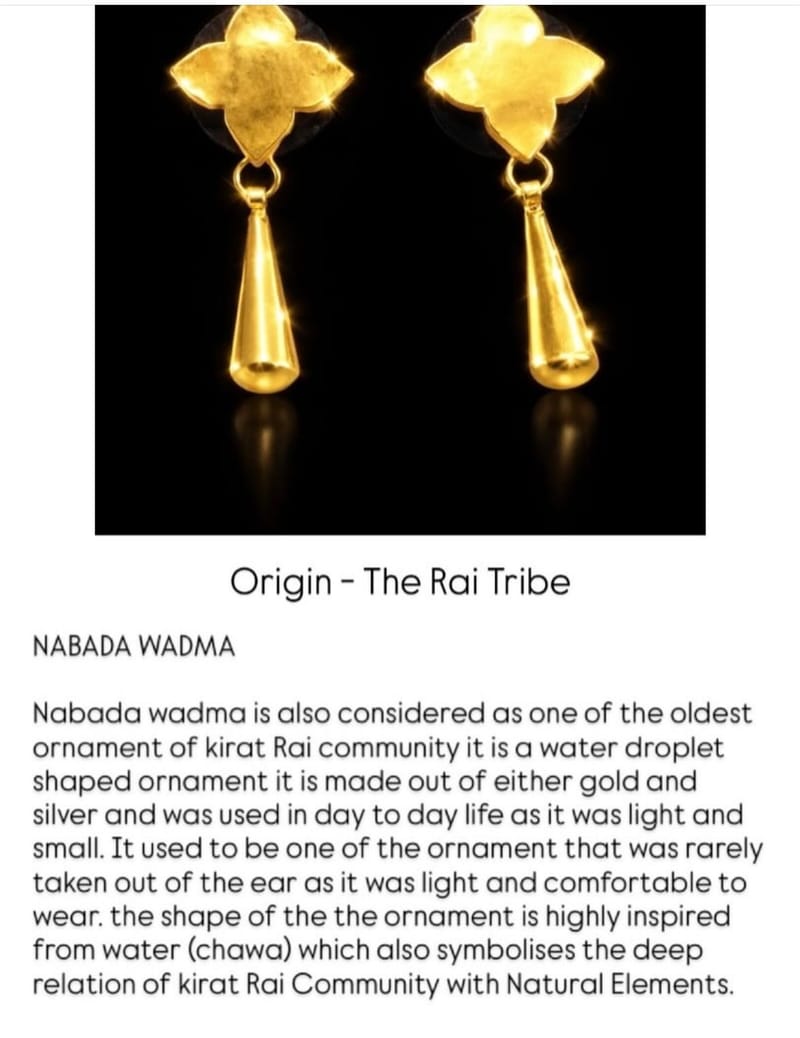
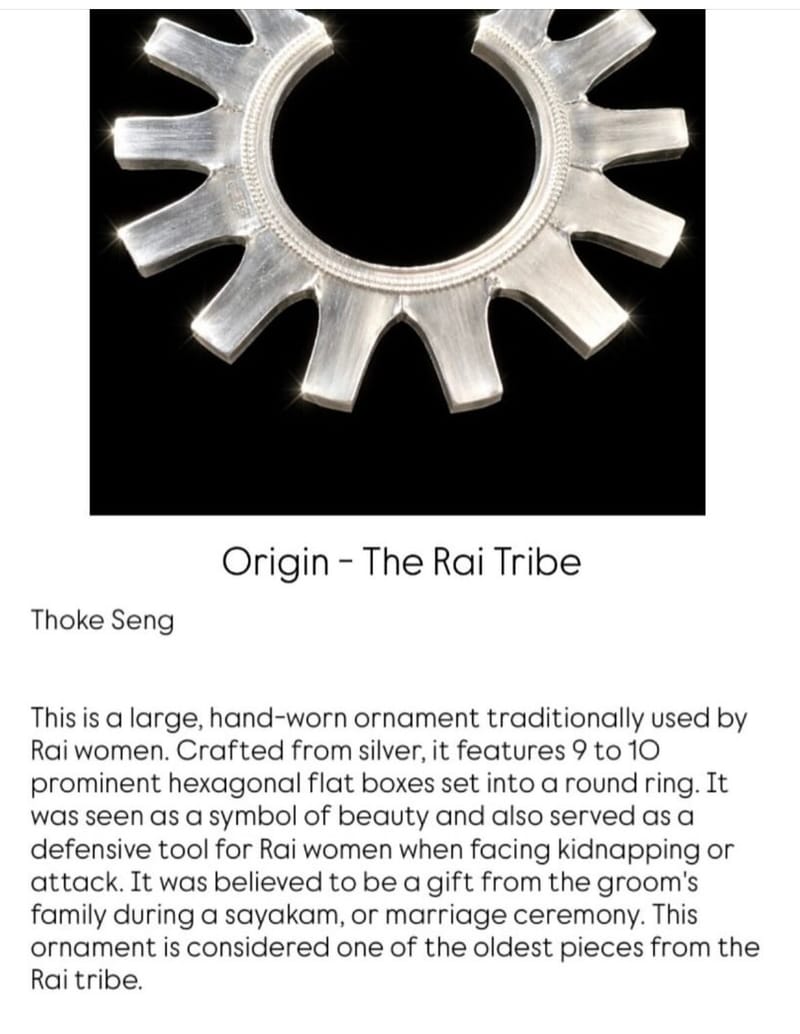
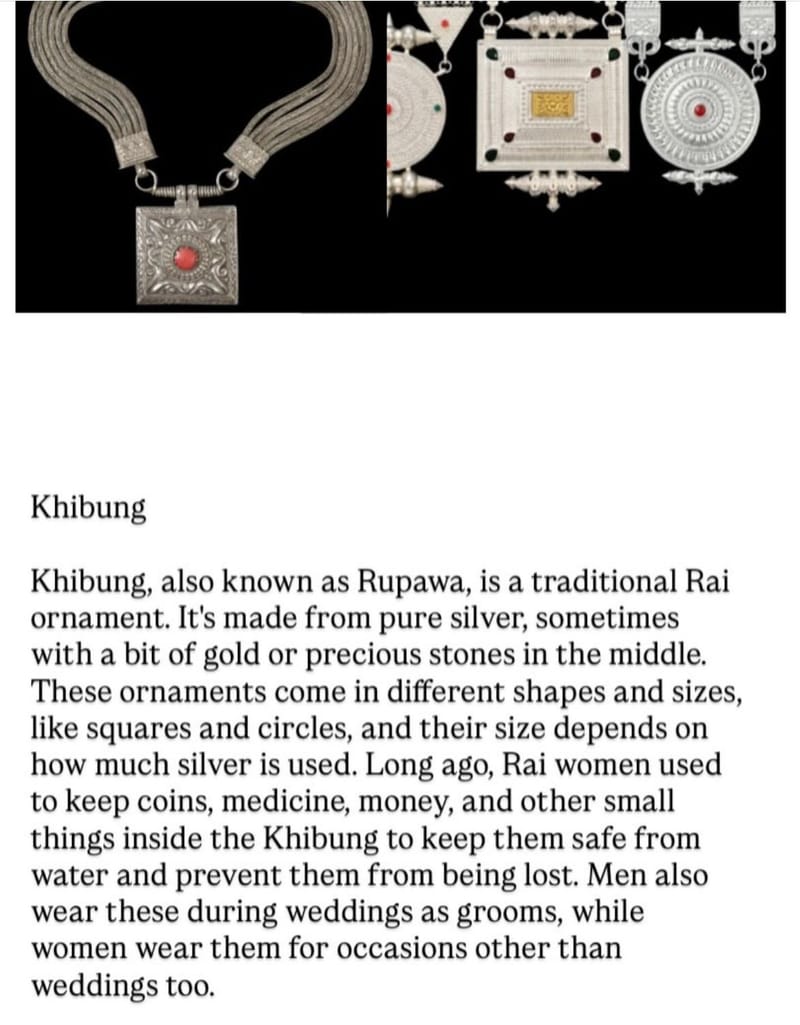
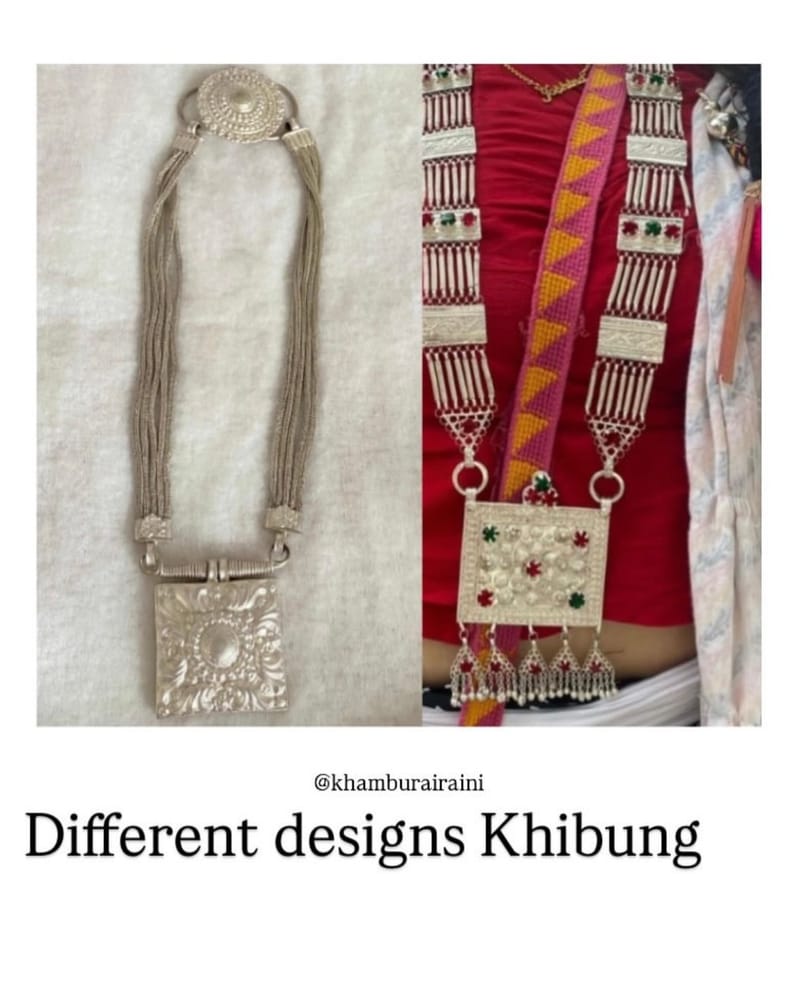
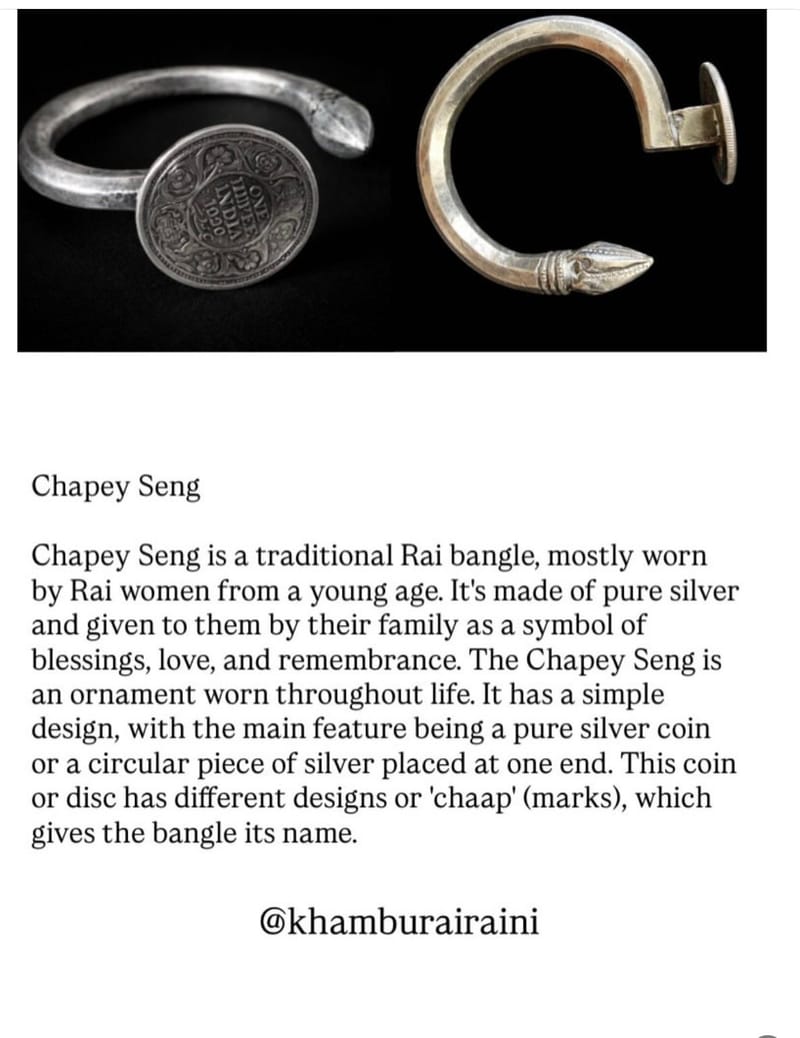
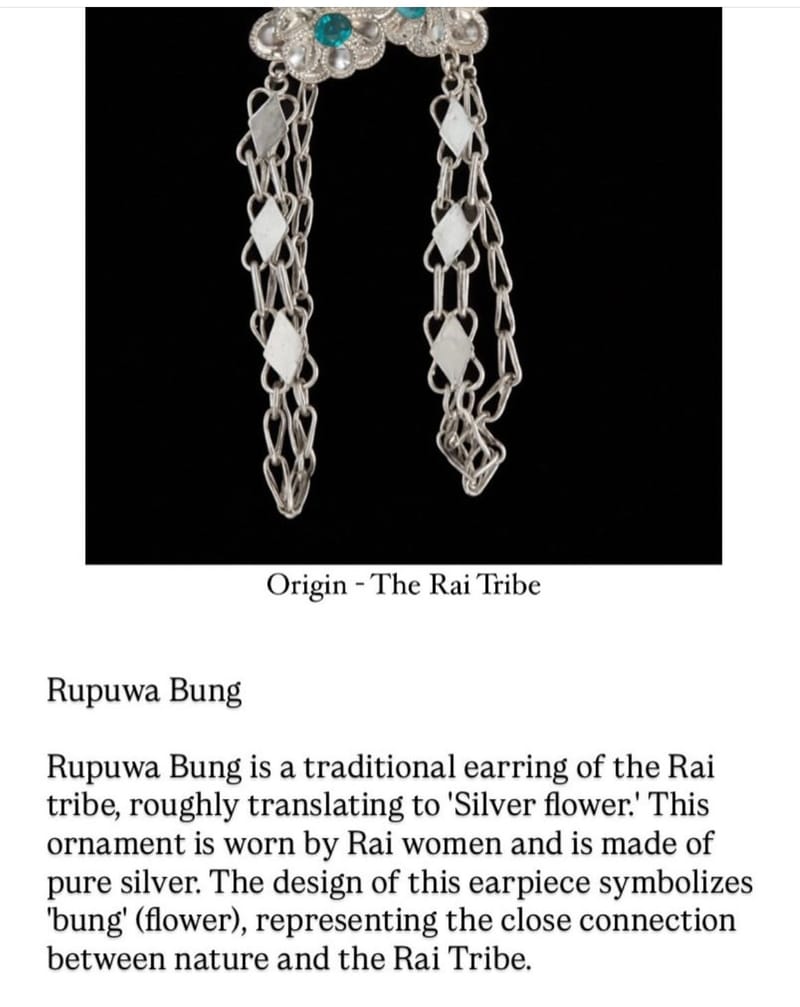
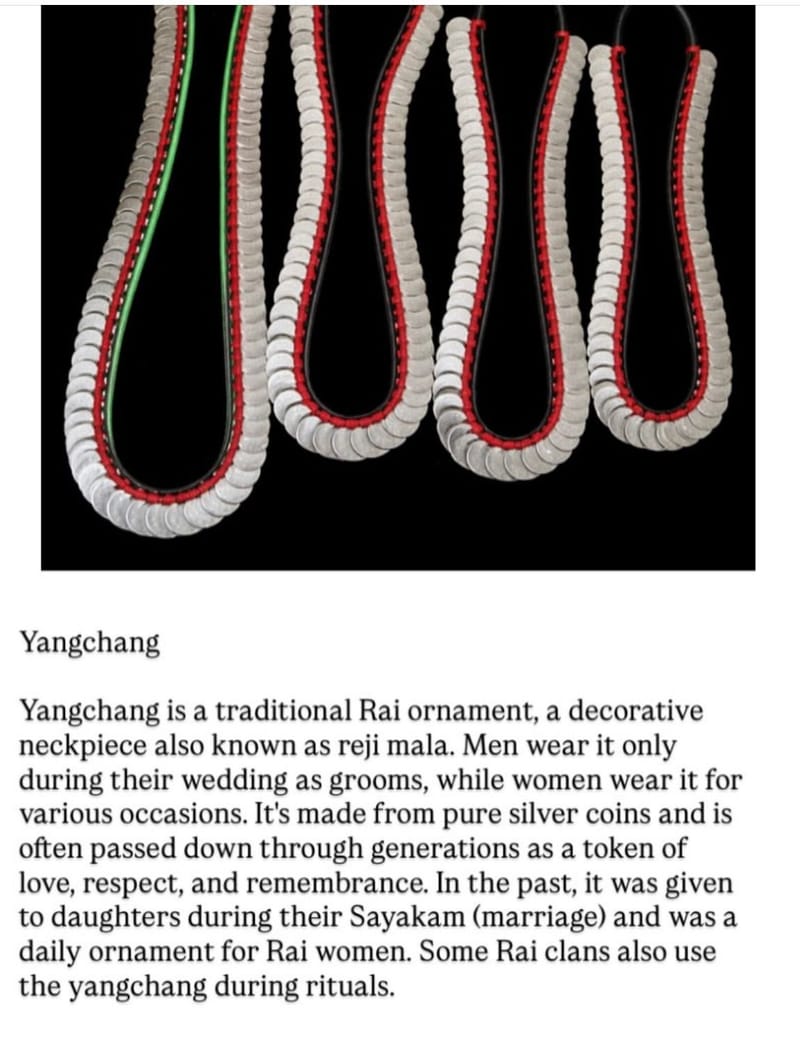
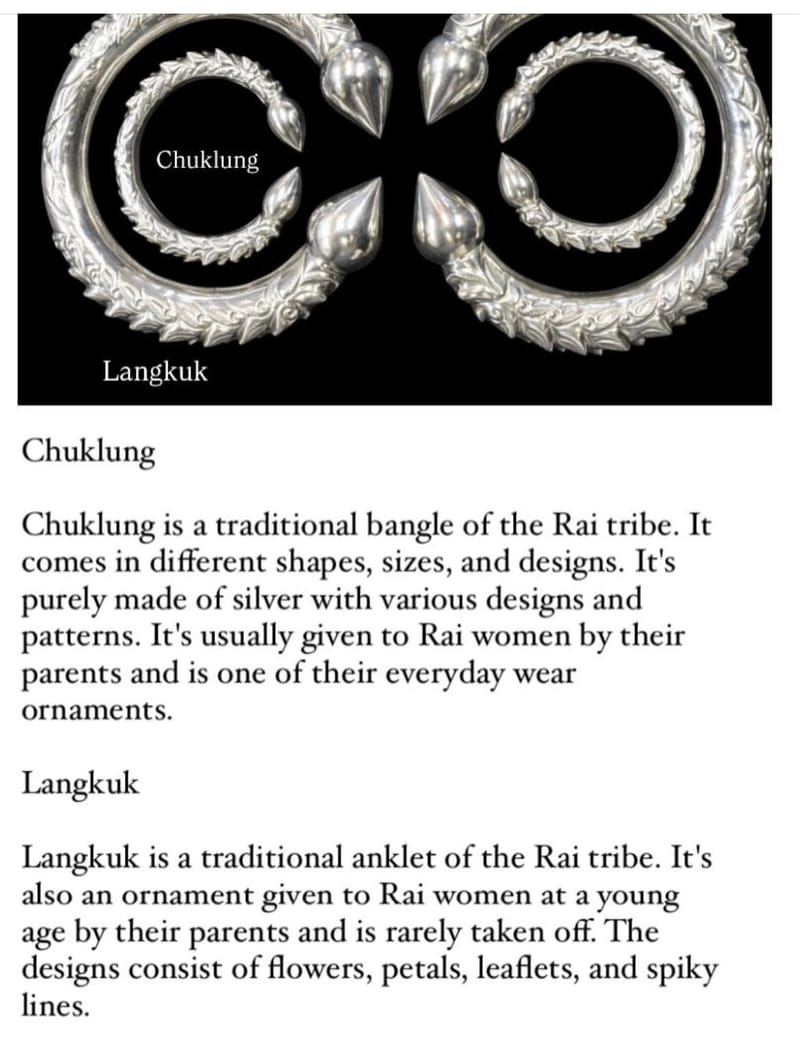
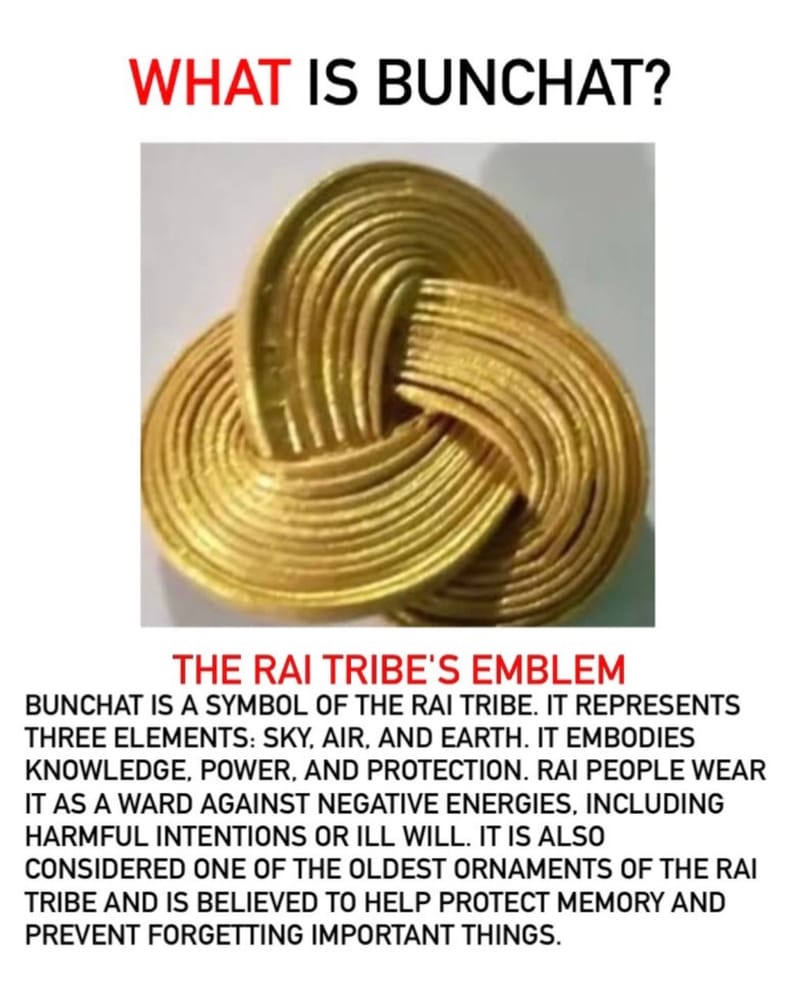
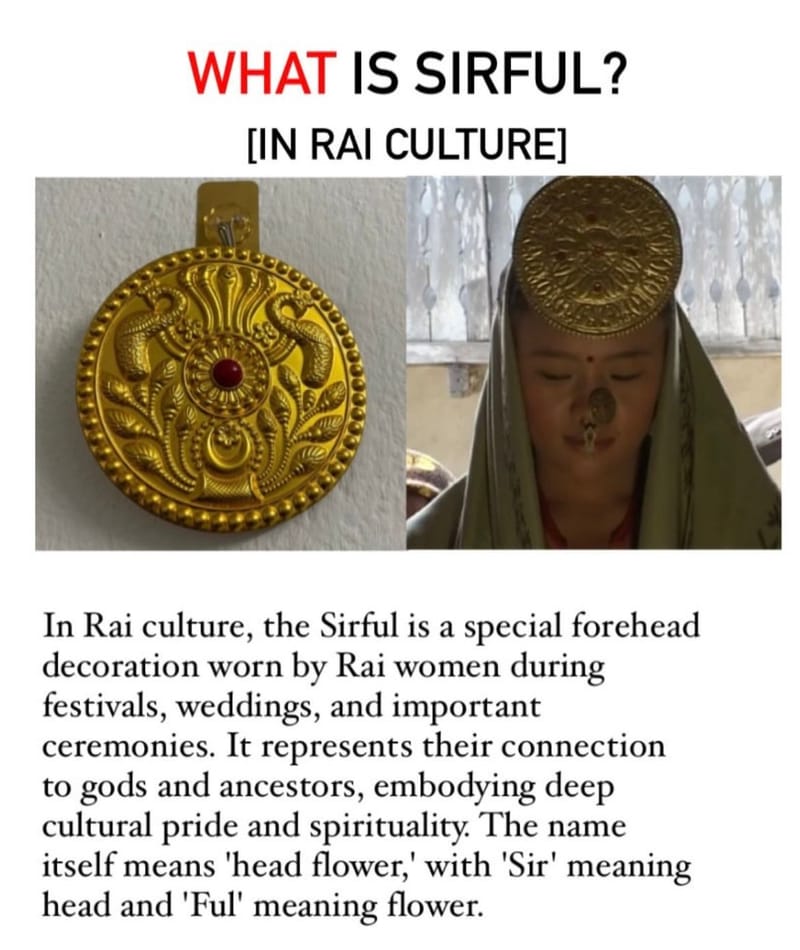
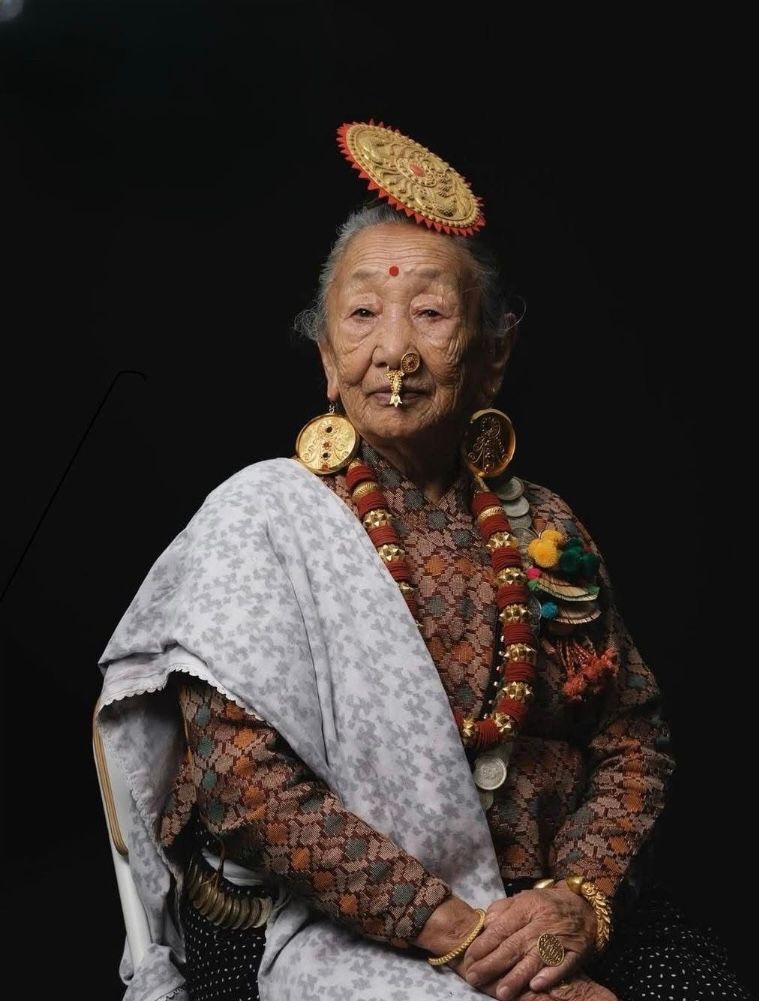
Kirati ornament includes Shirful,Hari,Dhungri,Mundri,Bulaki,Tilahari,Naugedi,Chepte soon, Kantha,Jantar, Marwadi,Yarling etc.
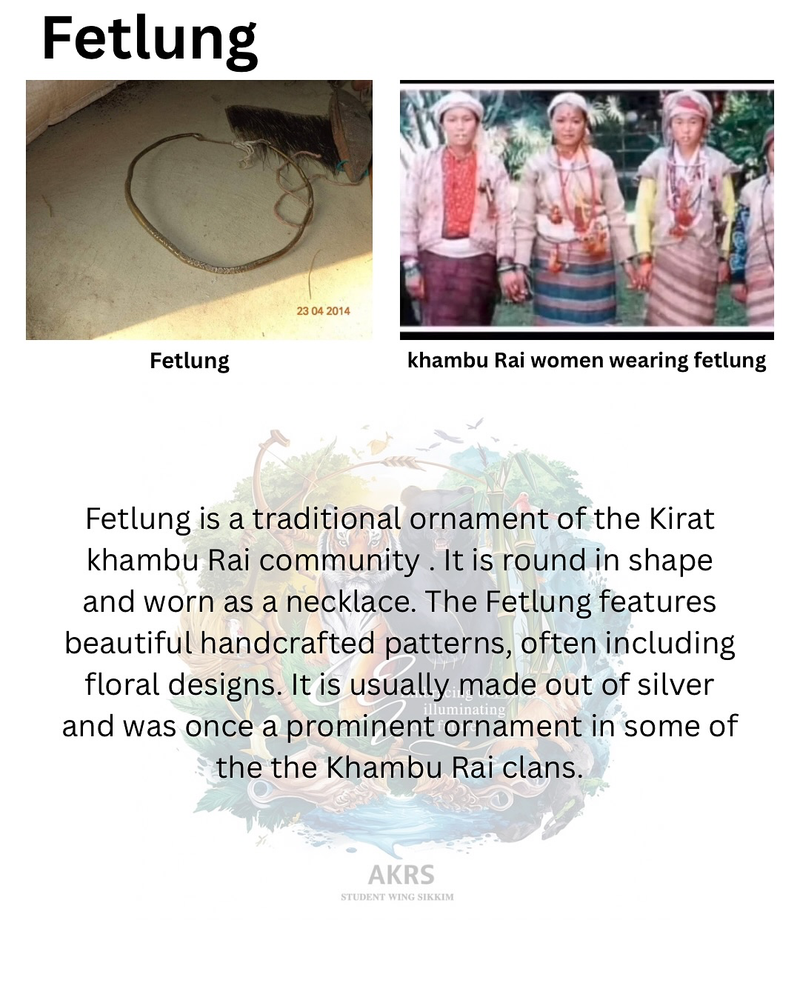
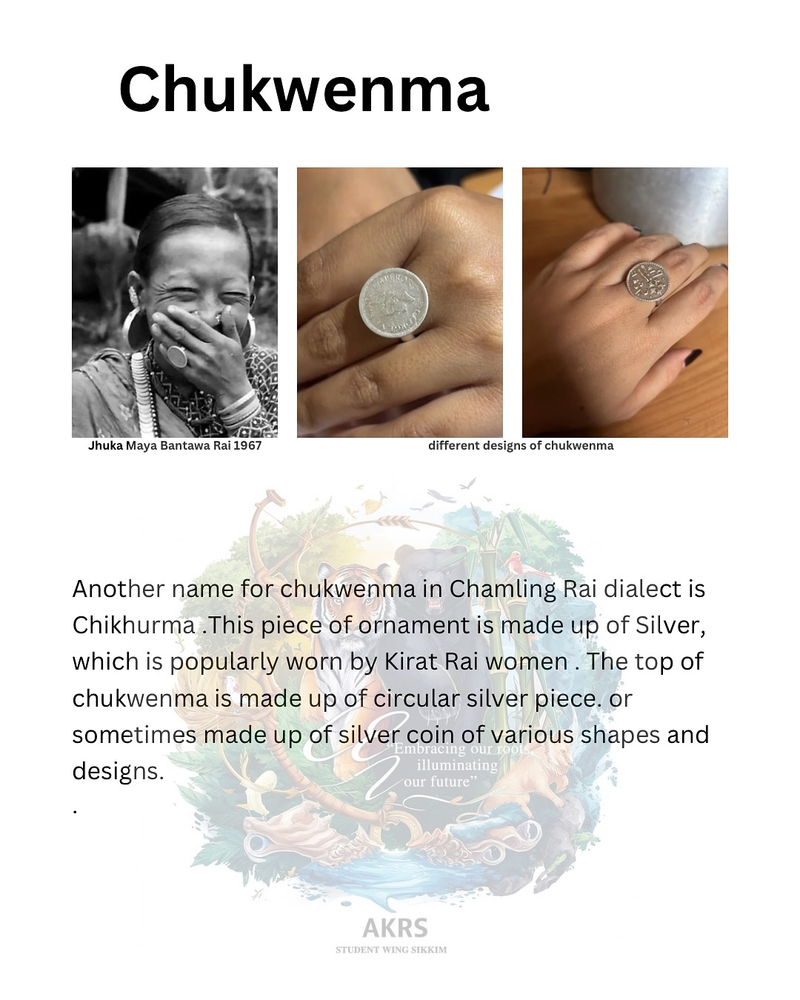
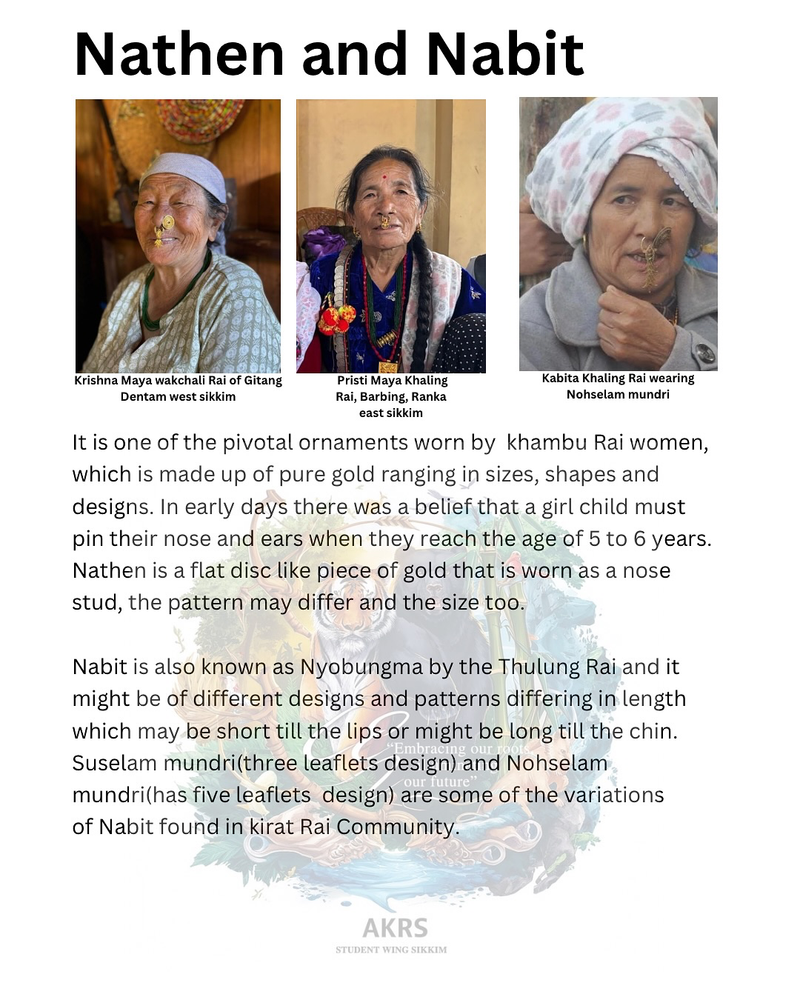
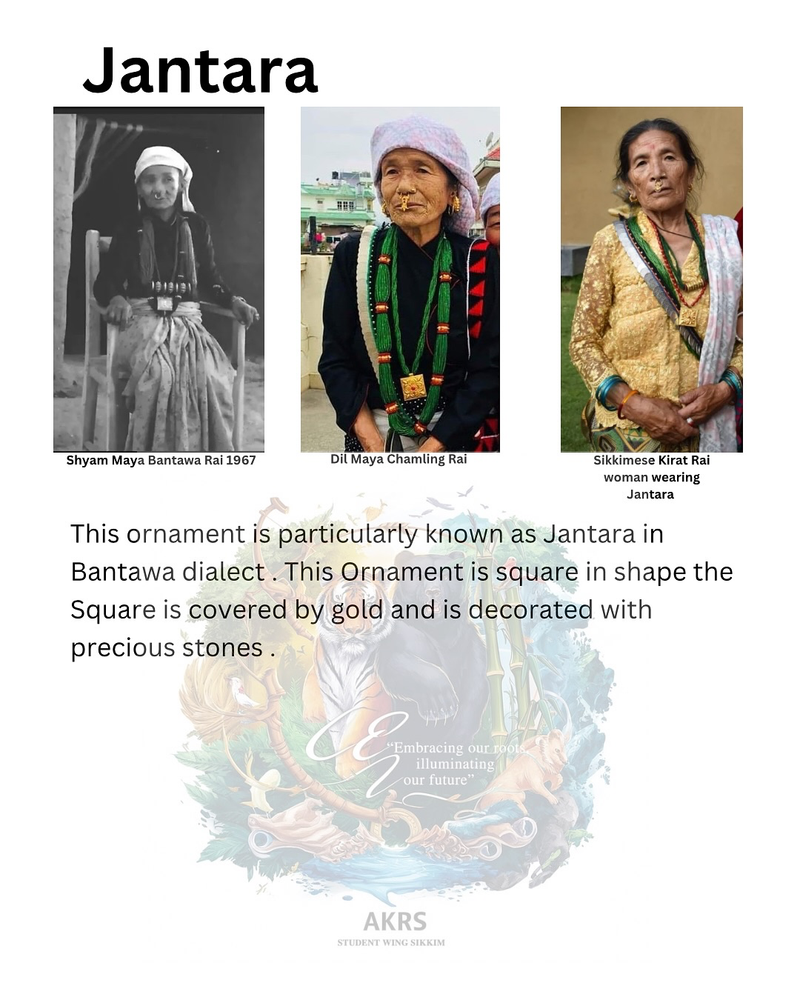
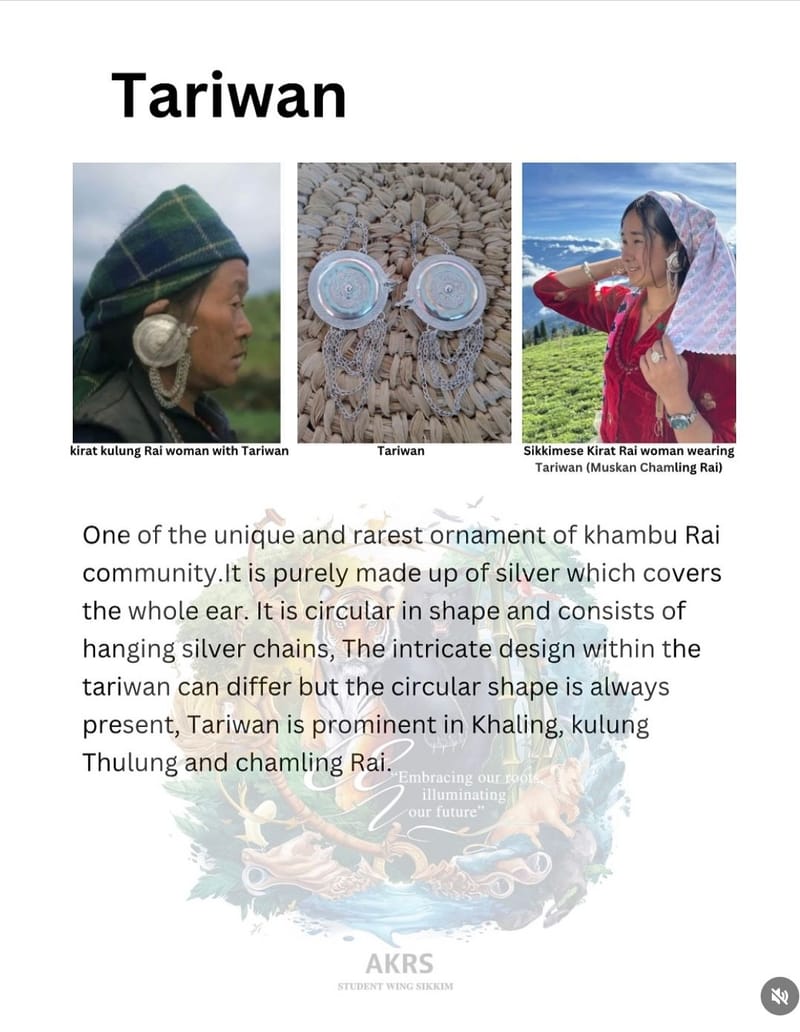
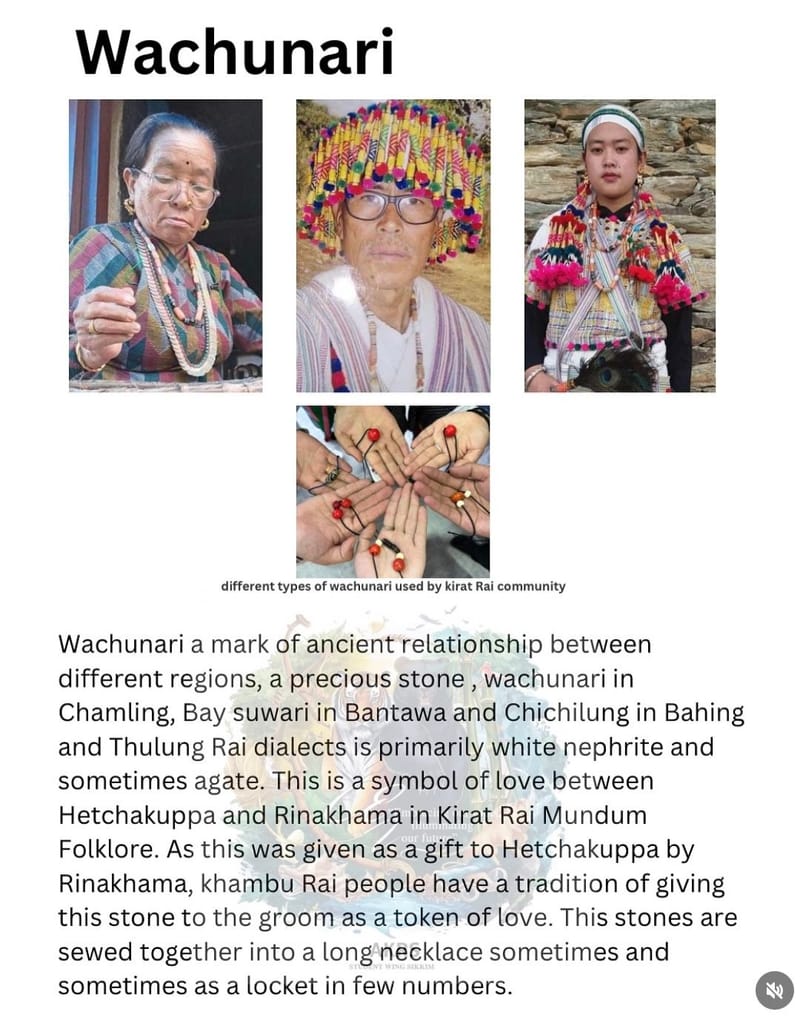
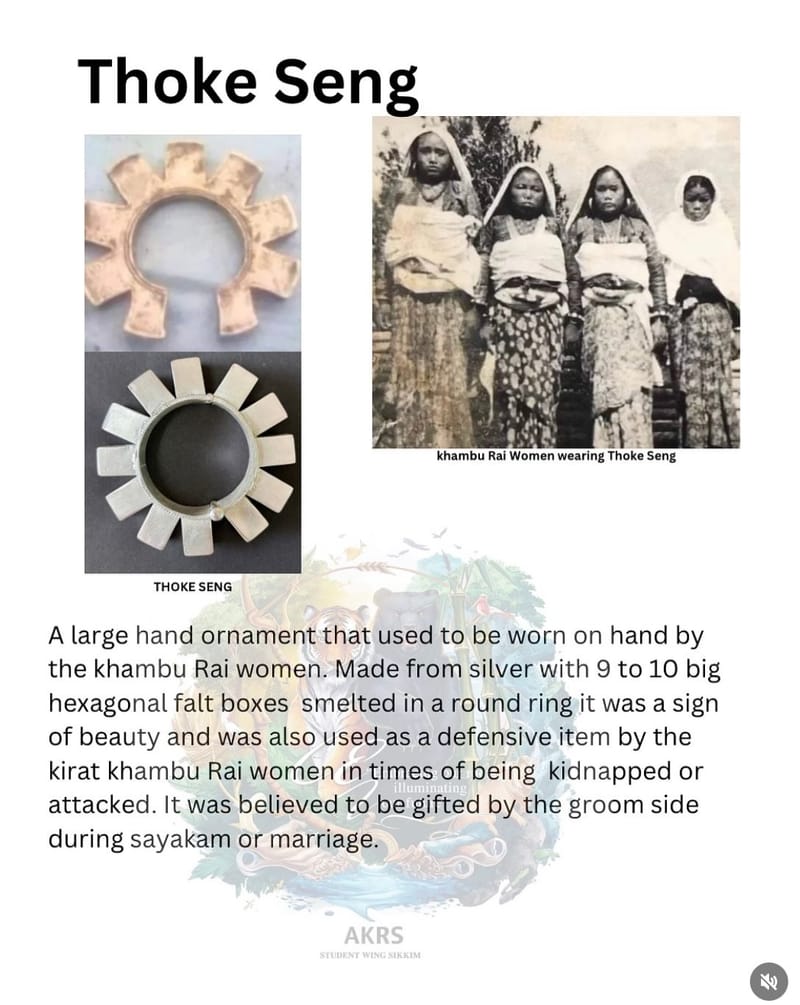
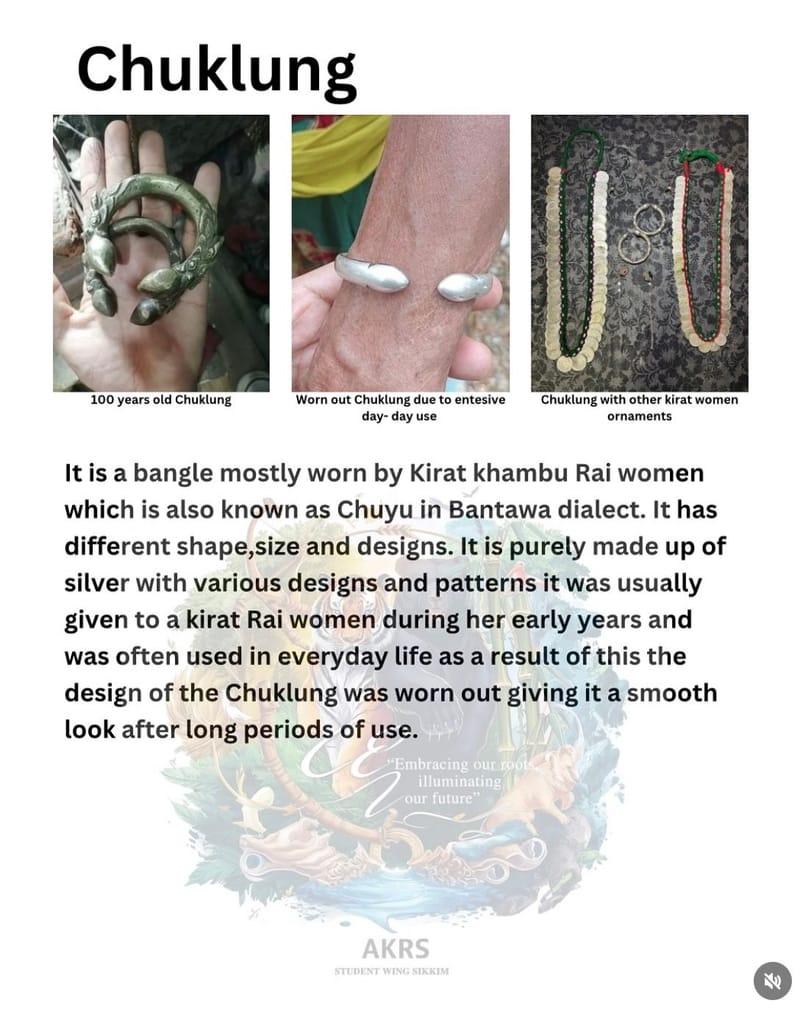
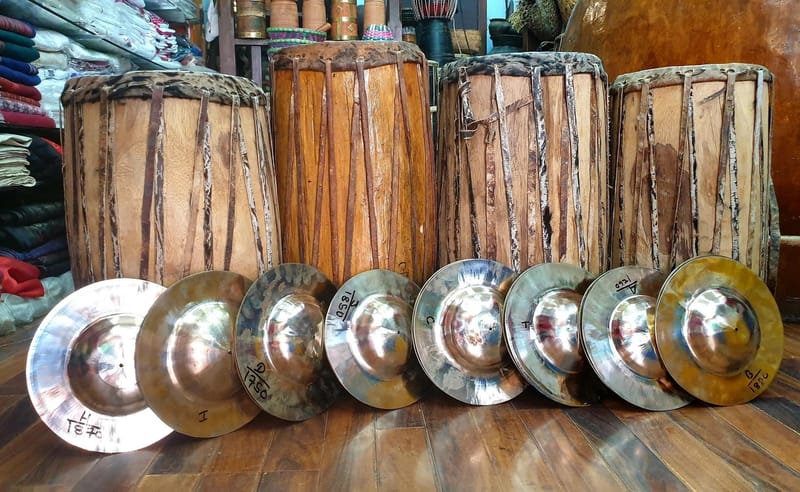
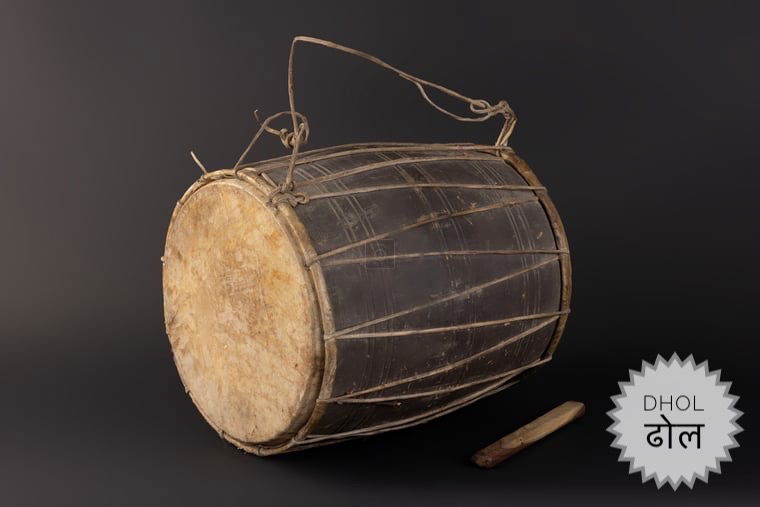
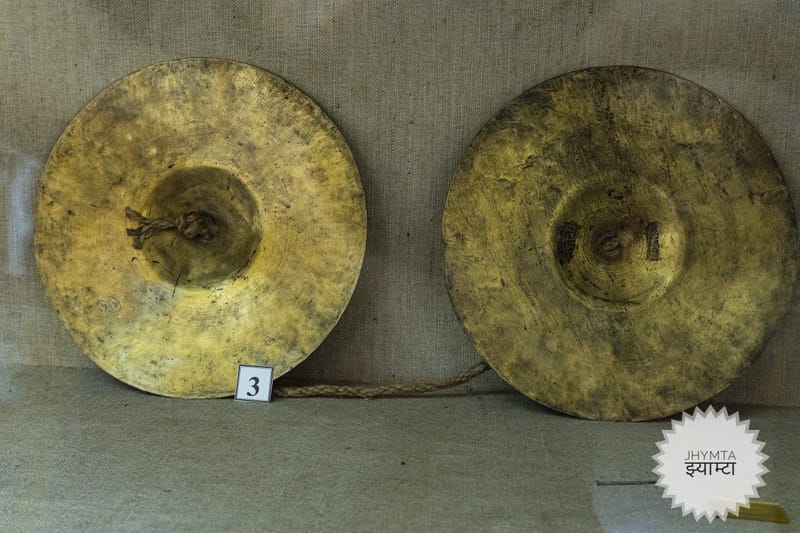
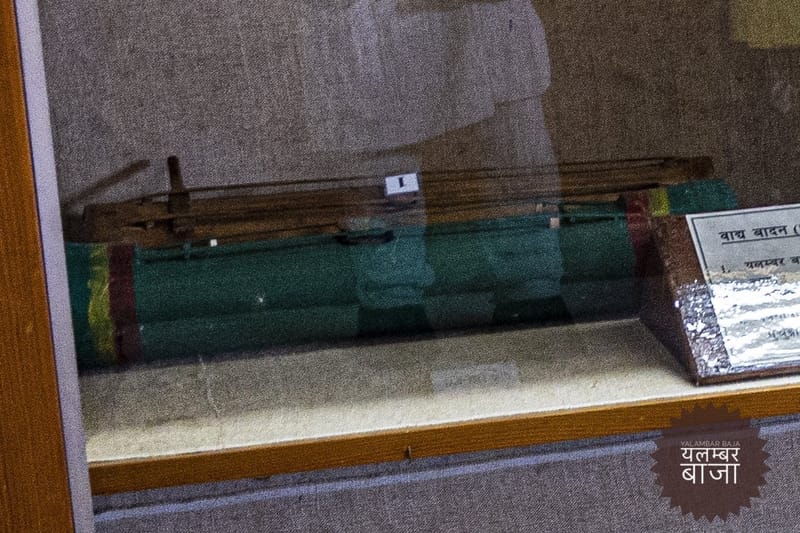
Kirati Folk Instrument
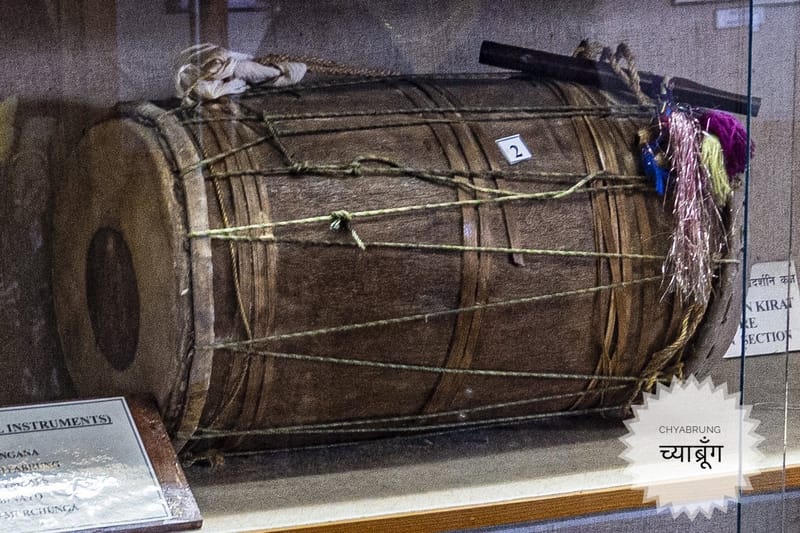
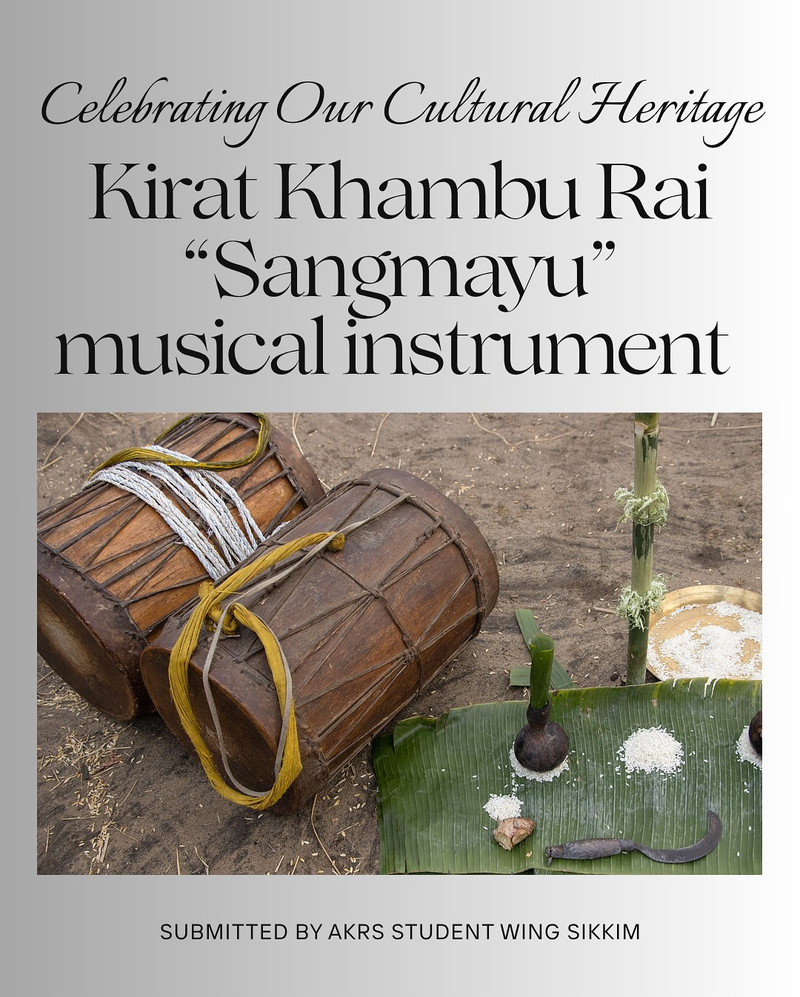
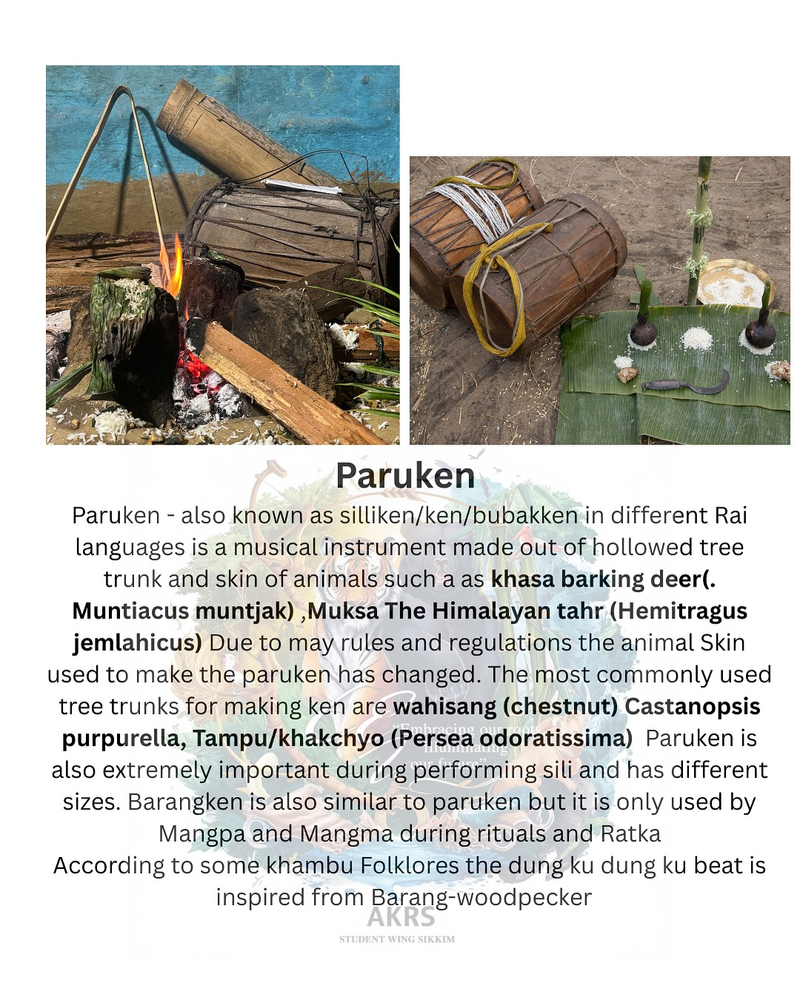
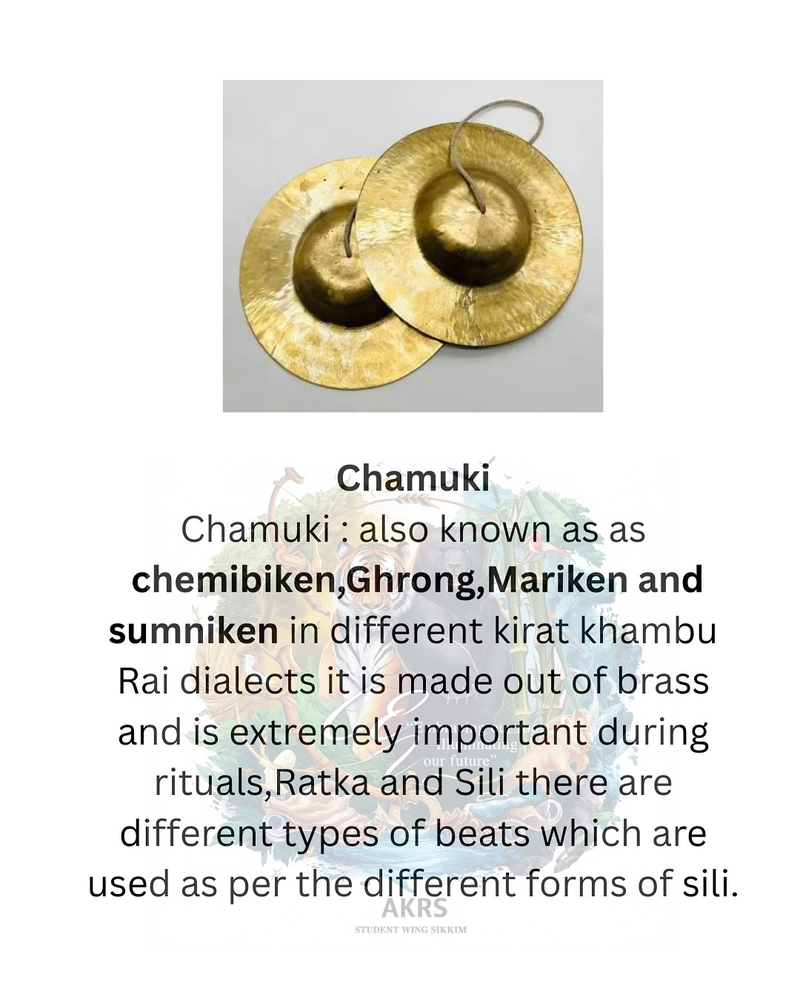
This photograph depicts the traditional Kirat musical instrument such as: Dhol, Jhyamta, Murchunga,Binayo,Yalambar Baja, Pung etc.
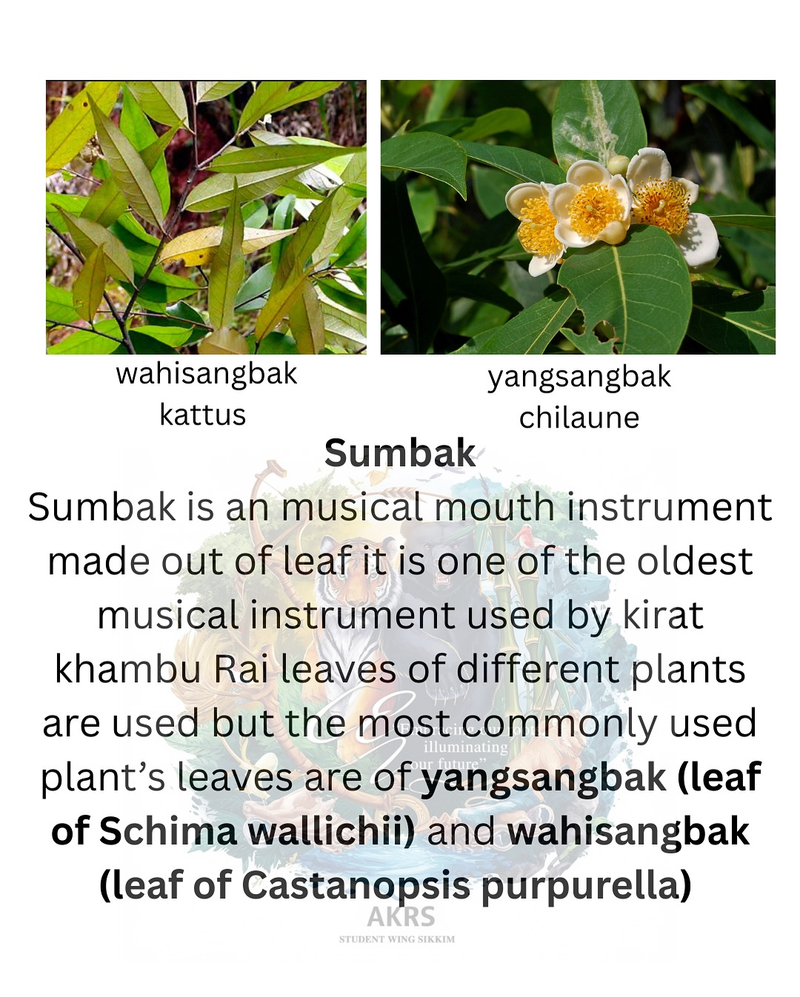
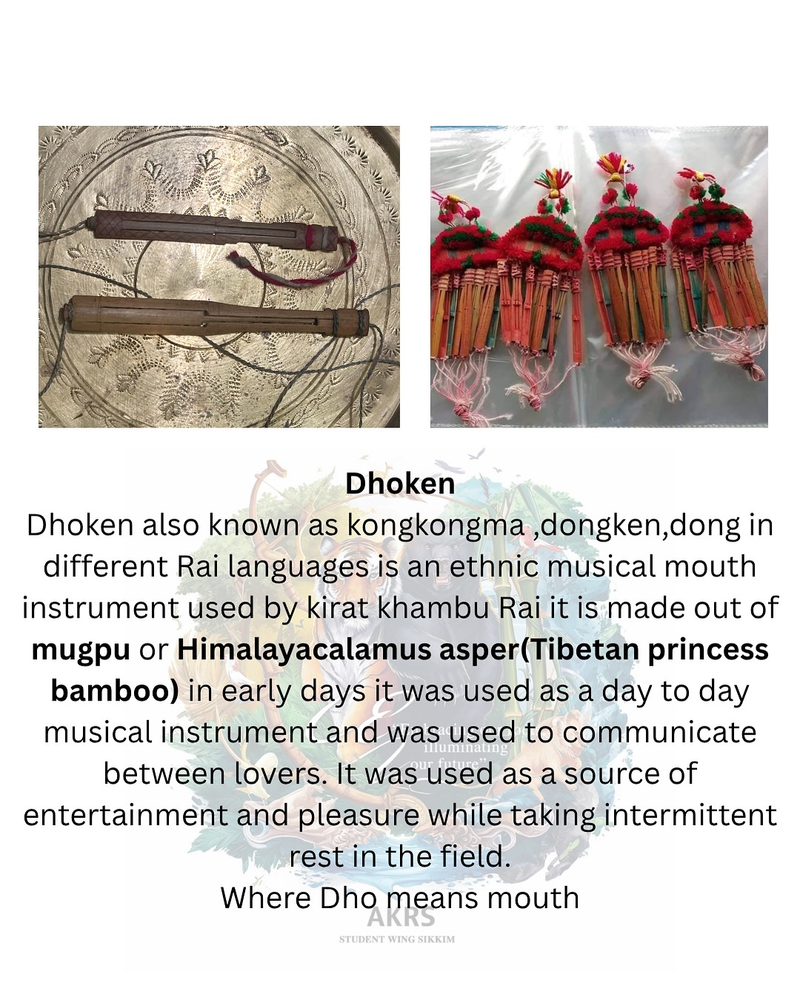
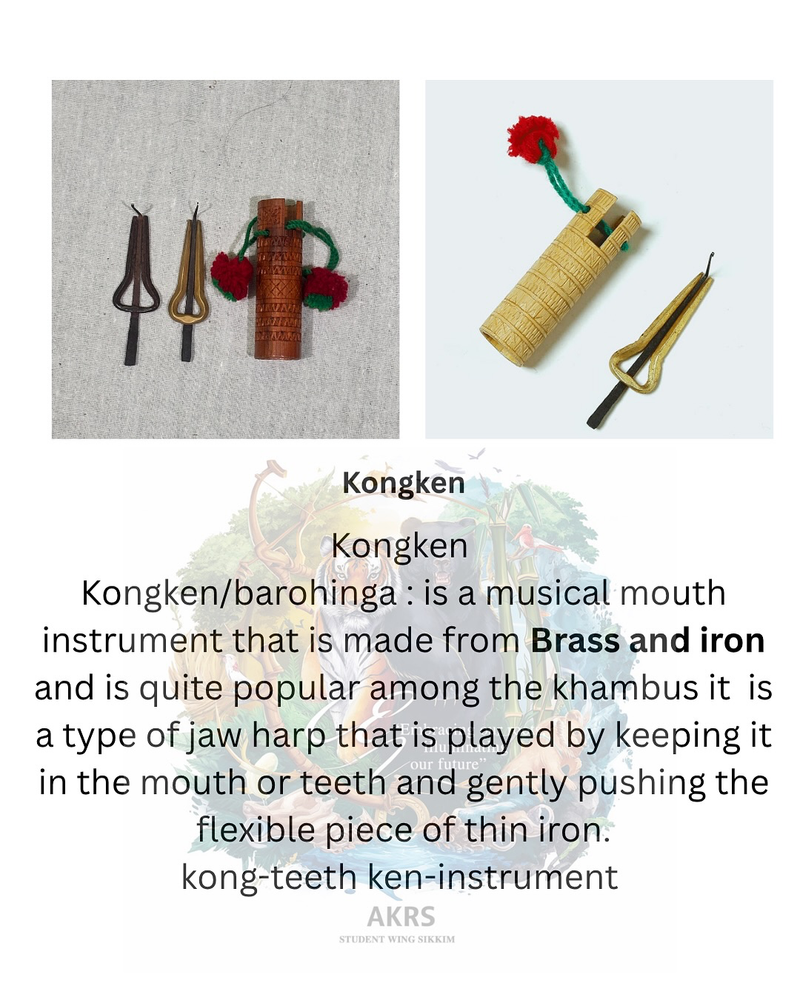
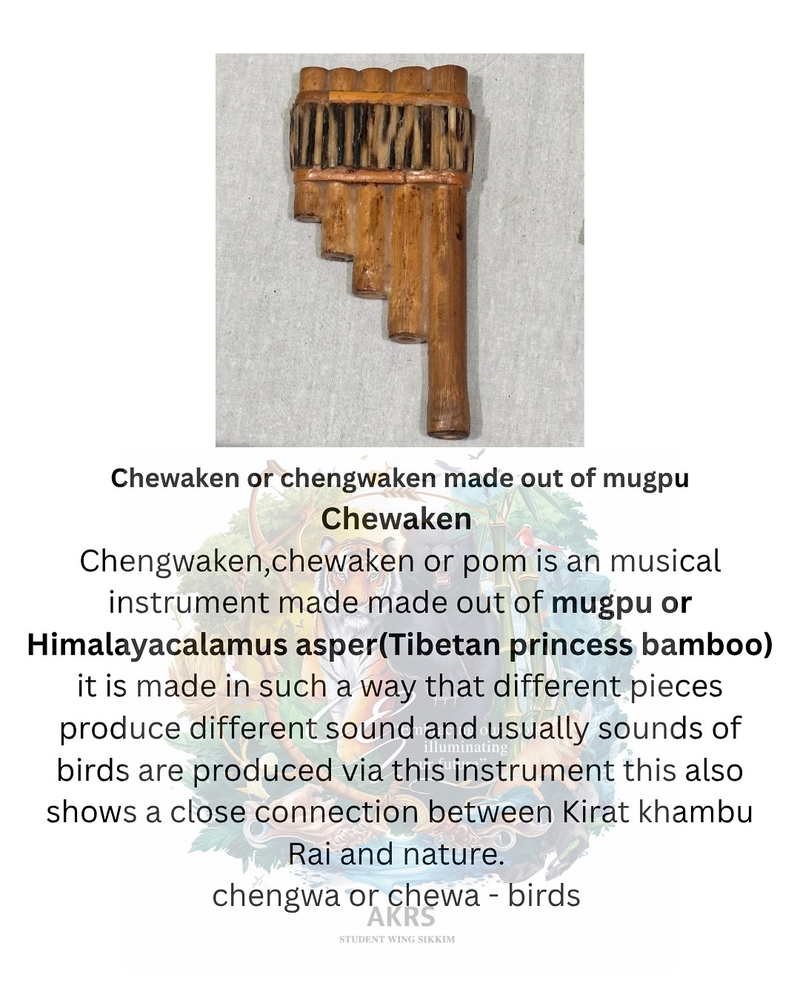
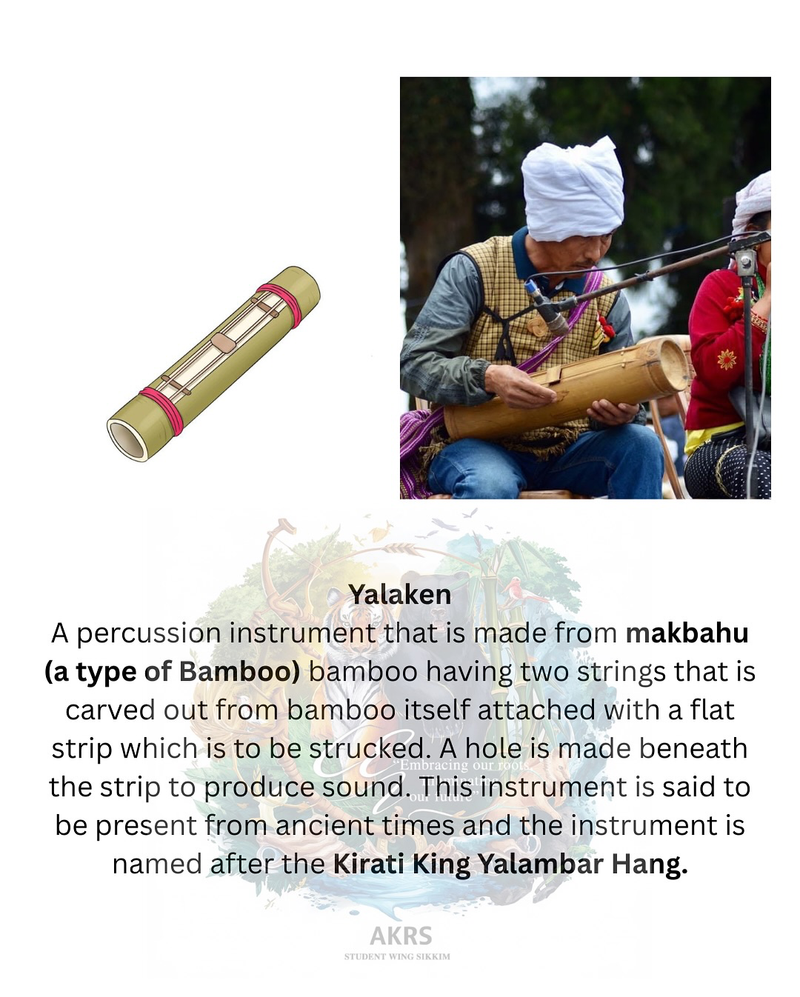
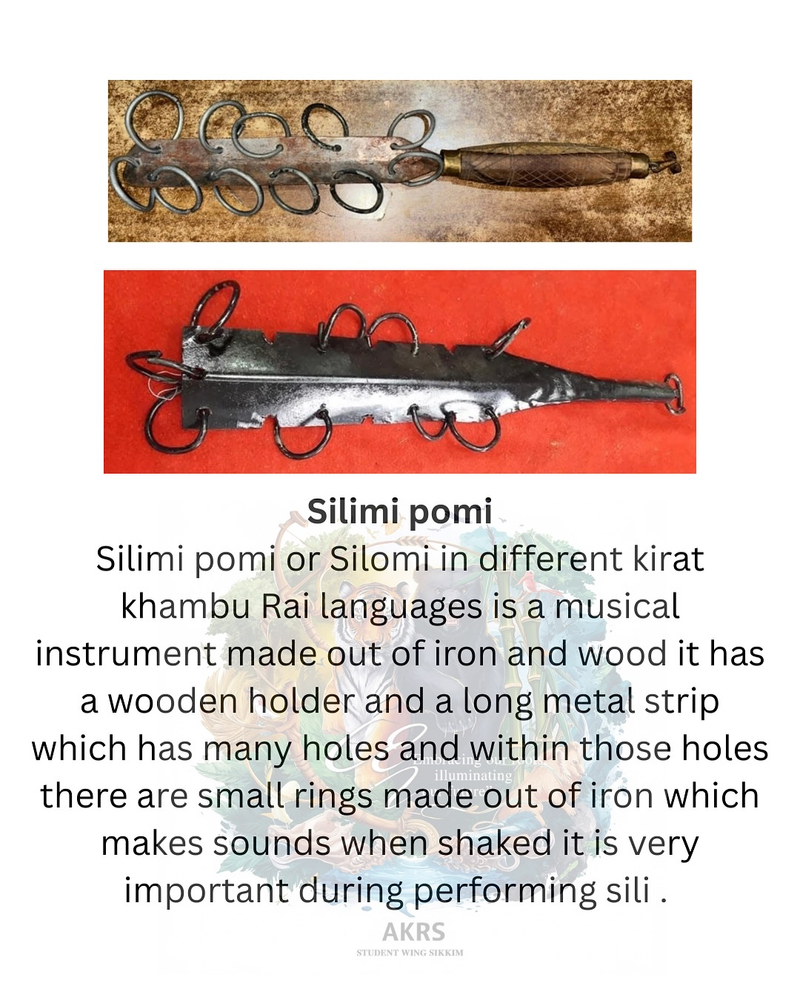
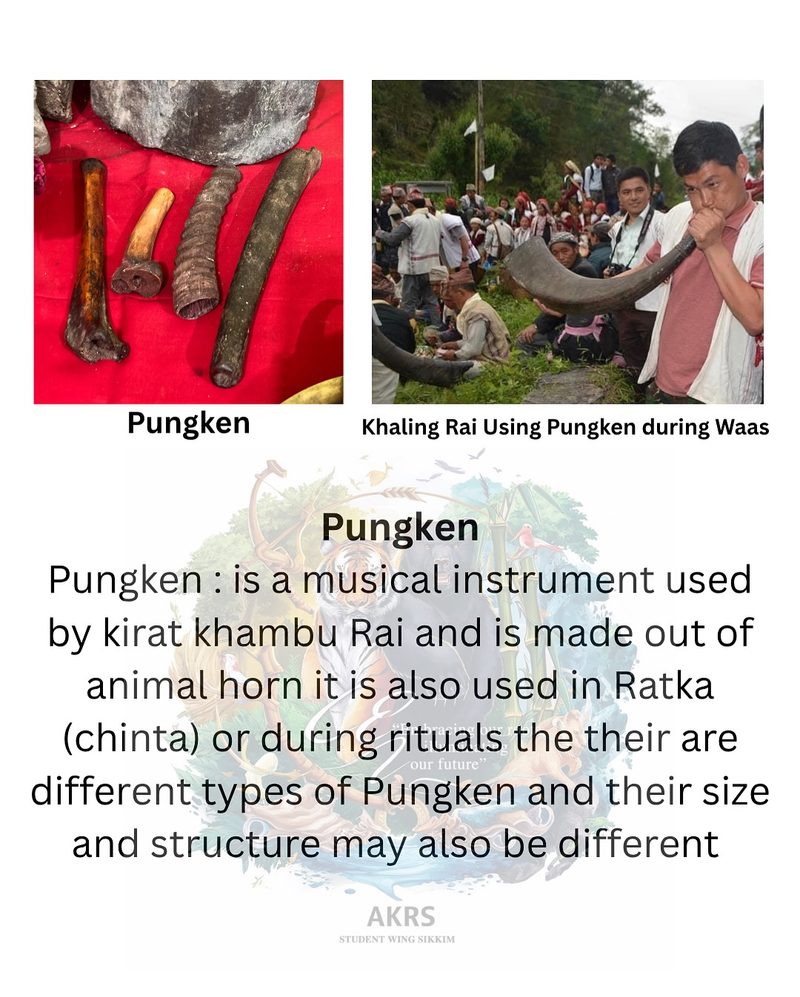
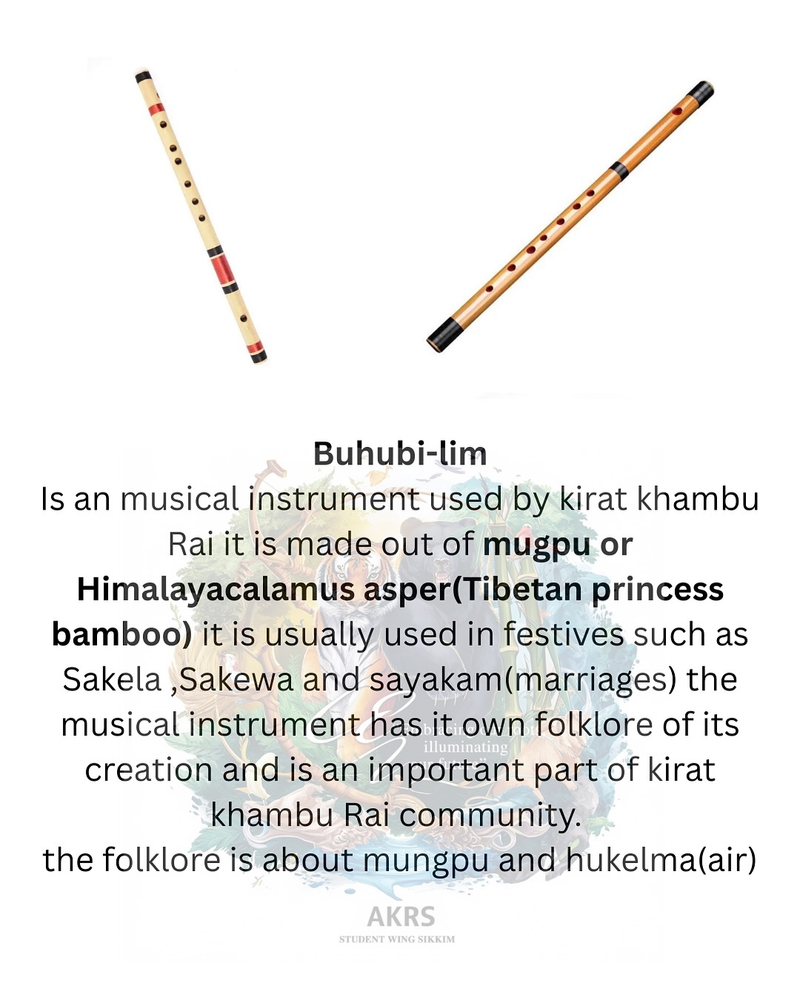
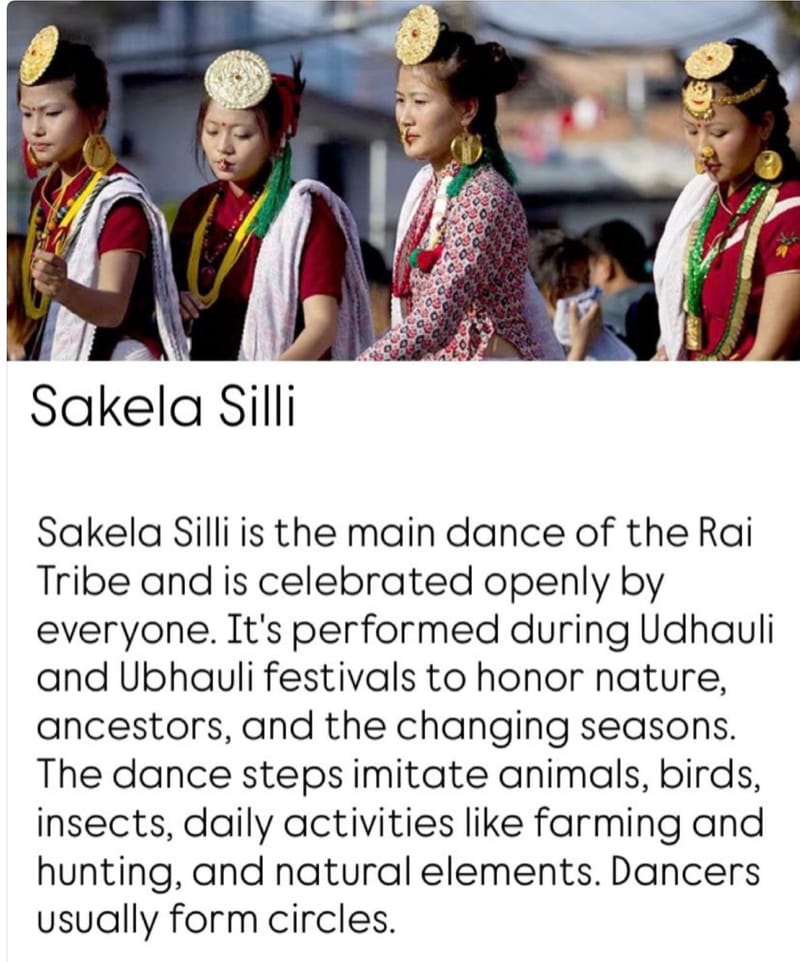
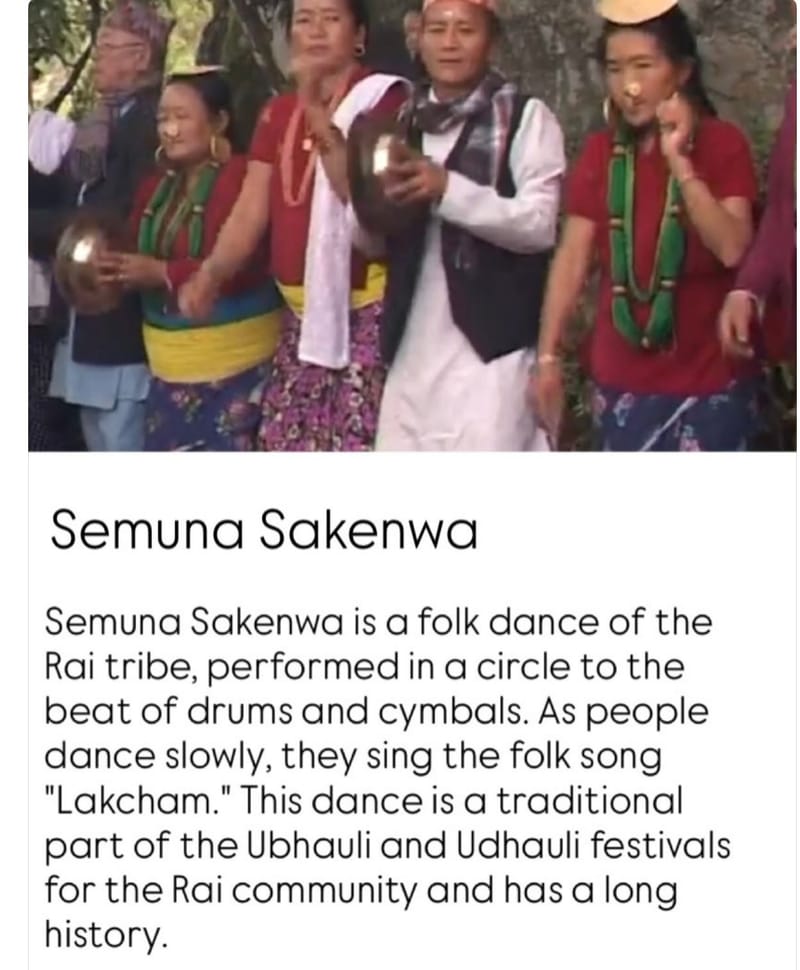
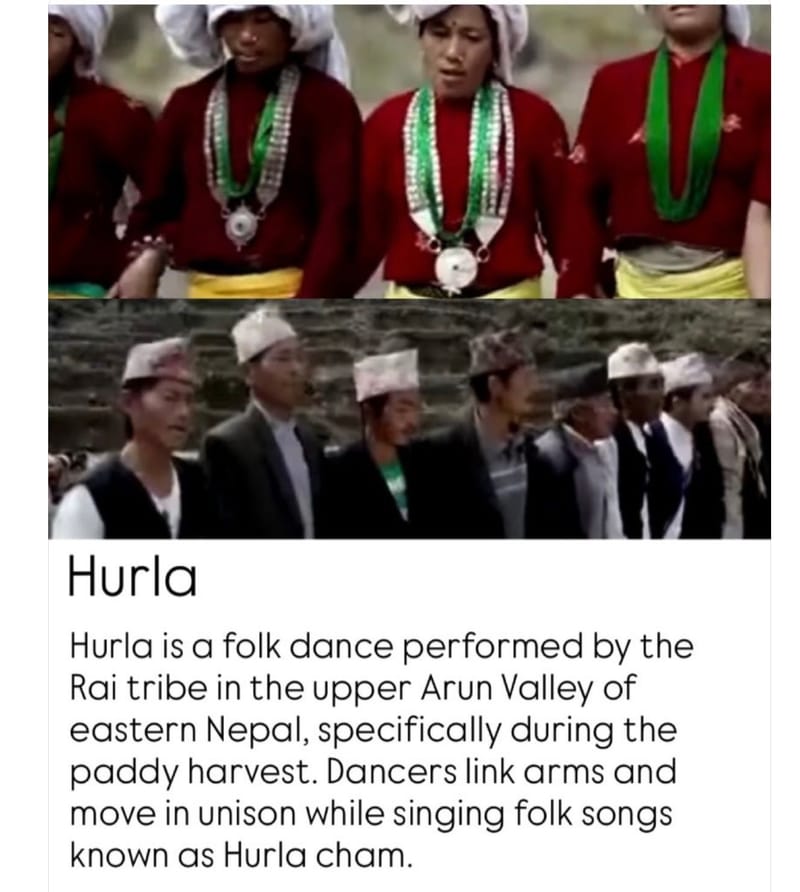
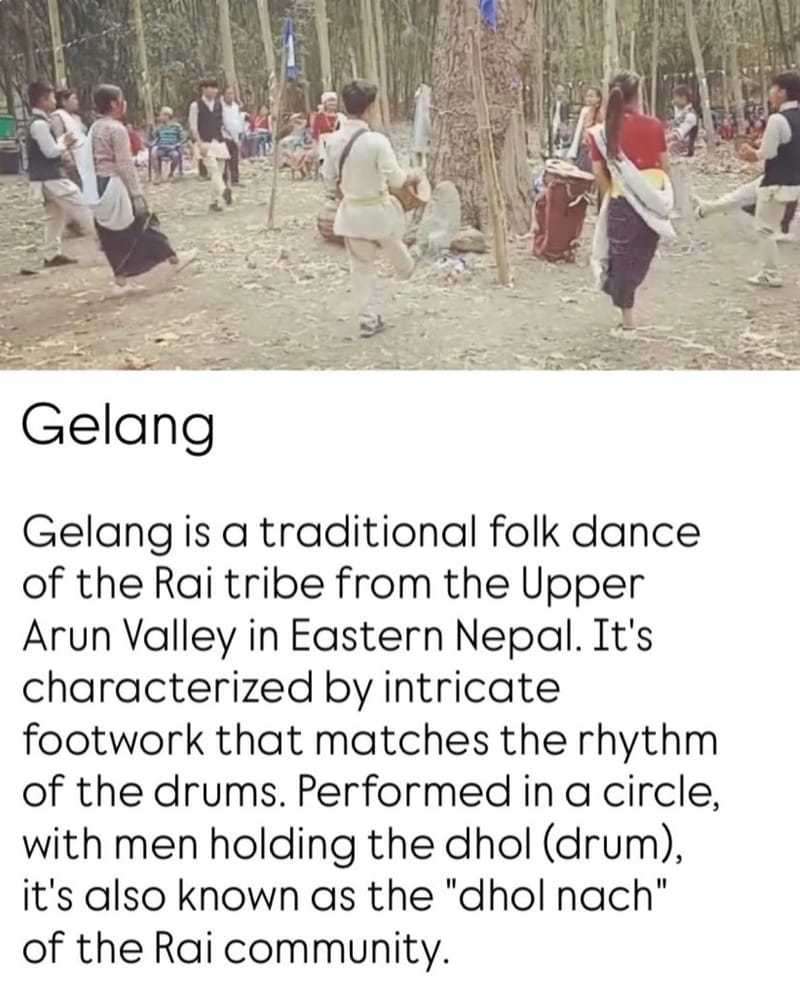
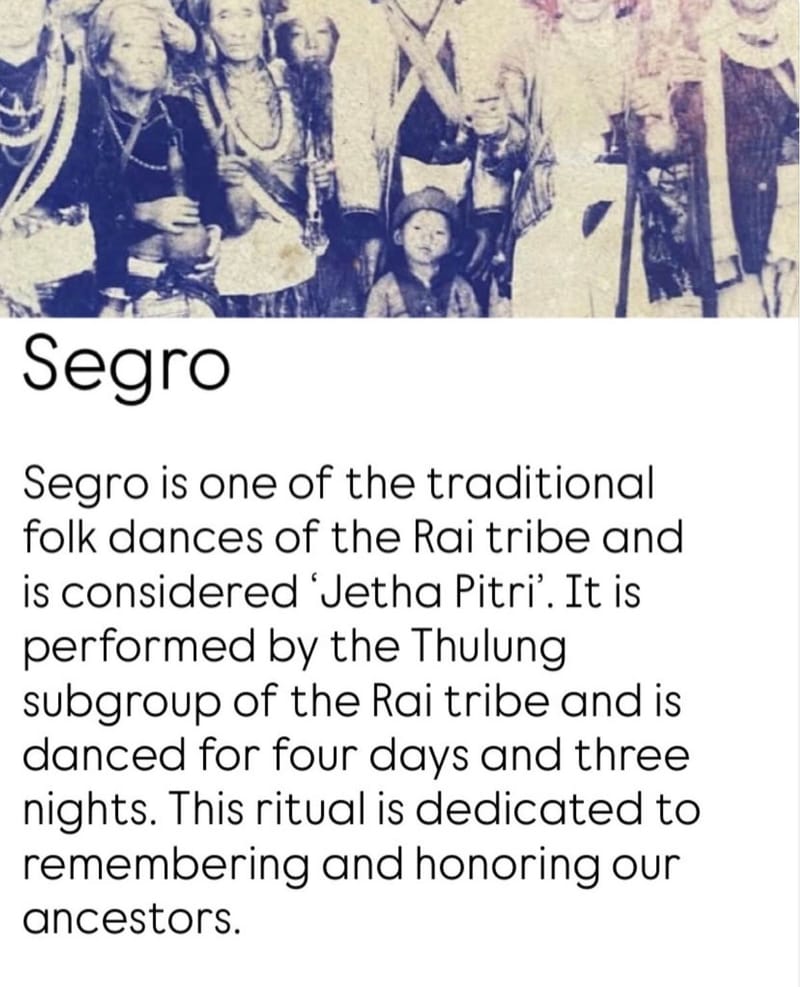
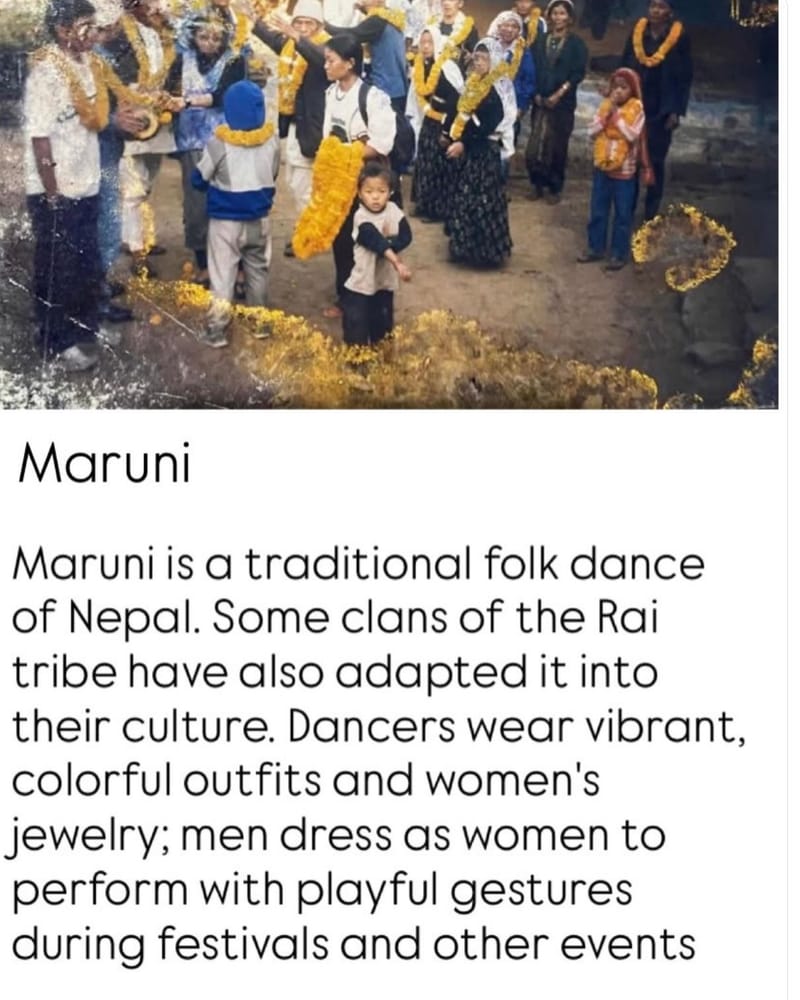
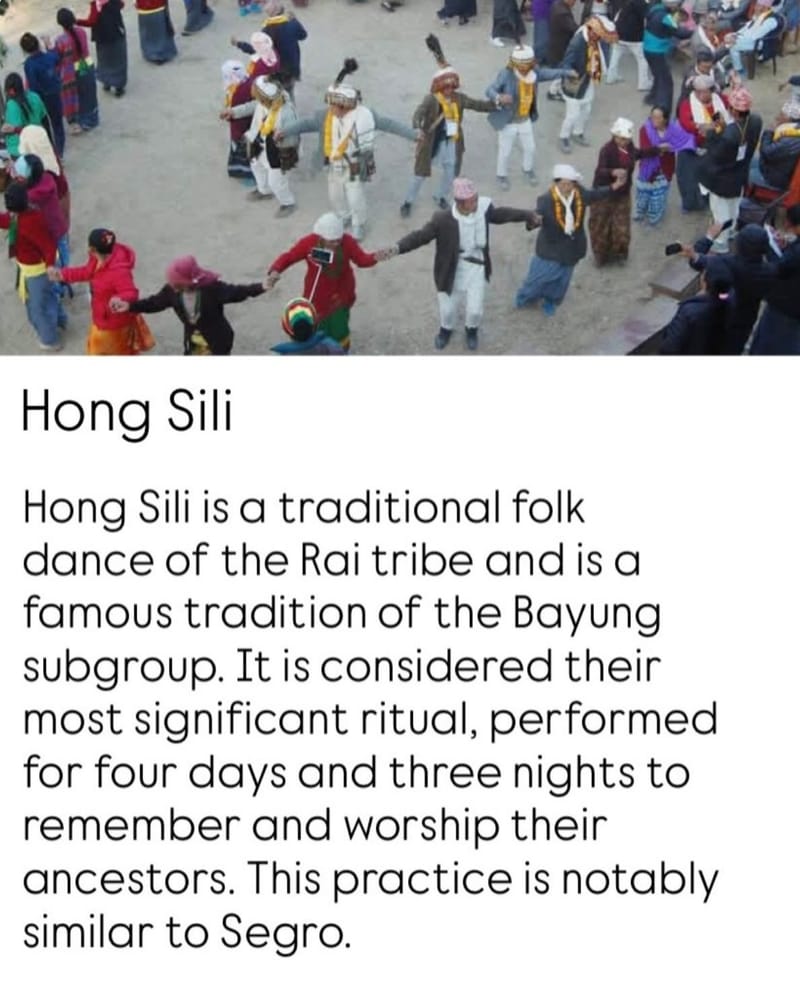
Folk Dance of Kirat Rai
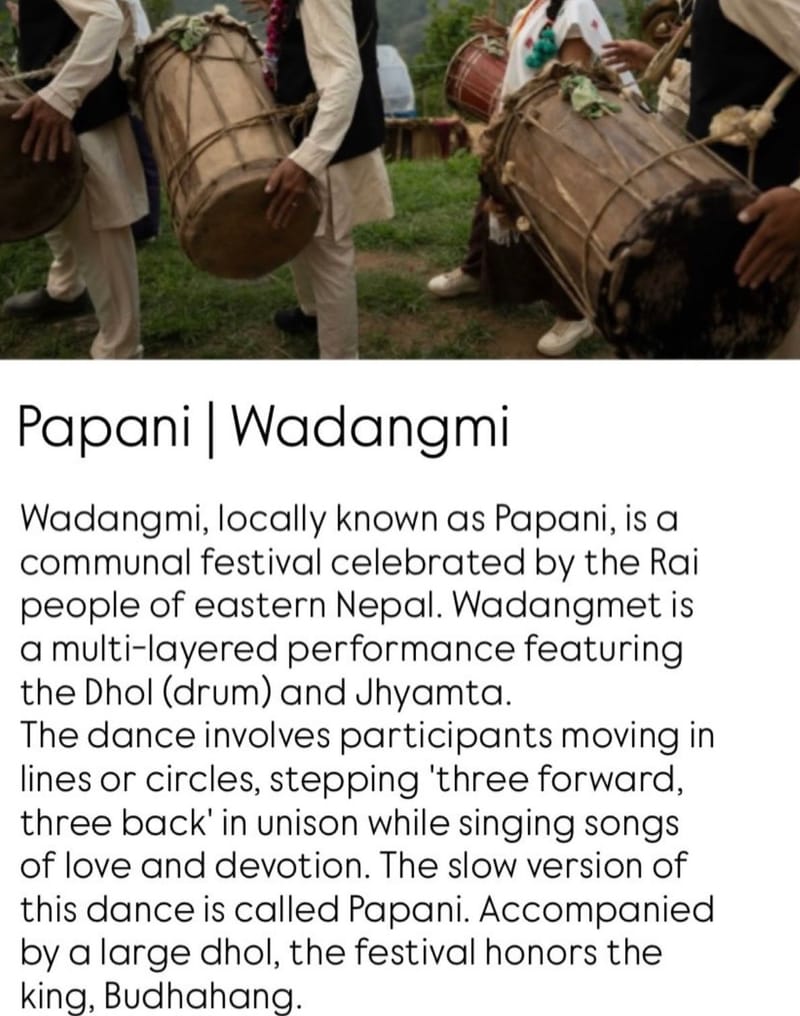
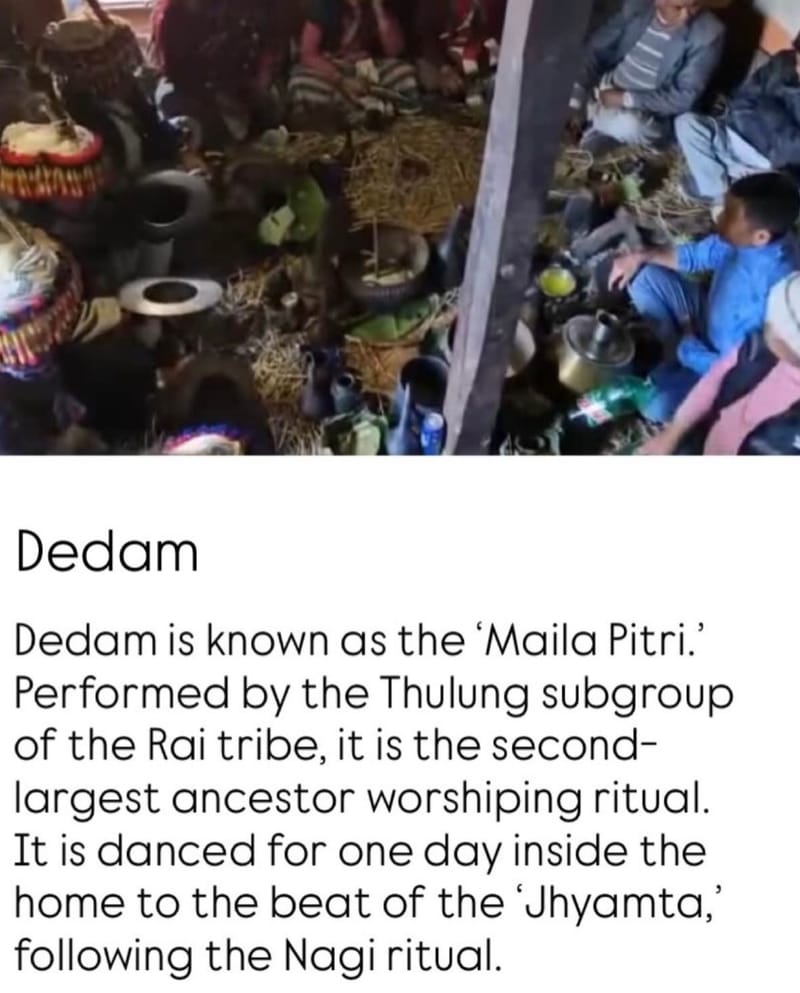
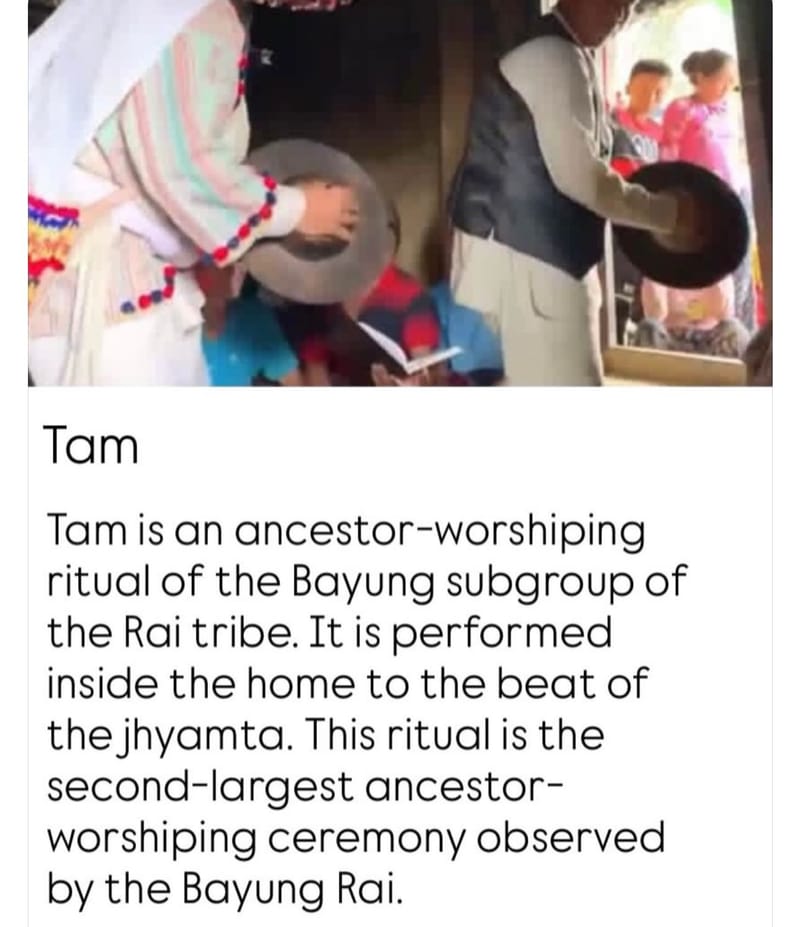
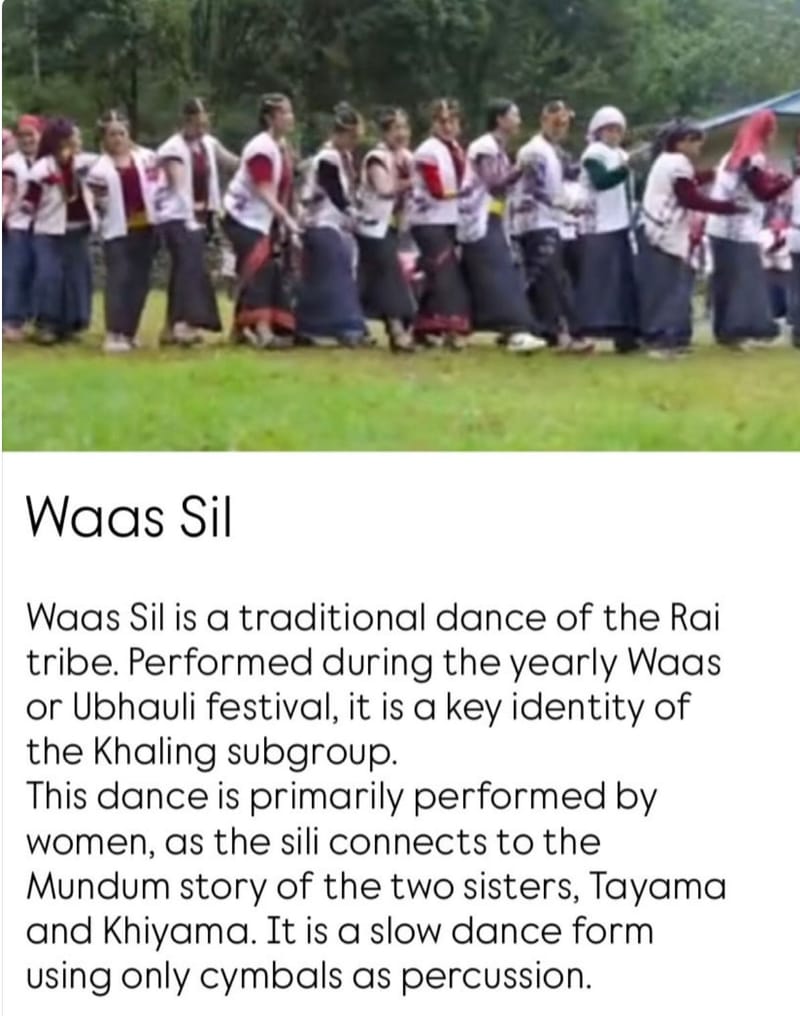
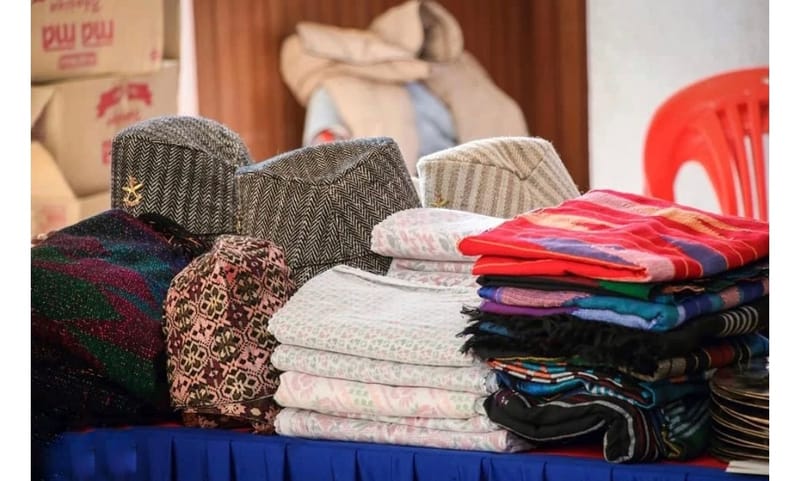
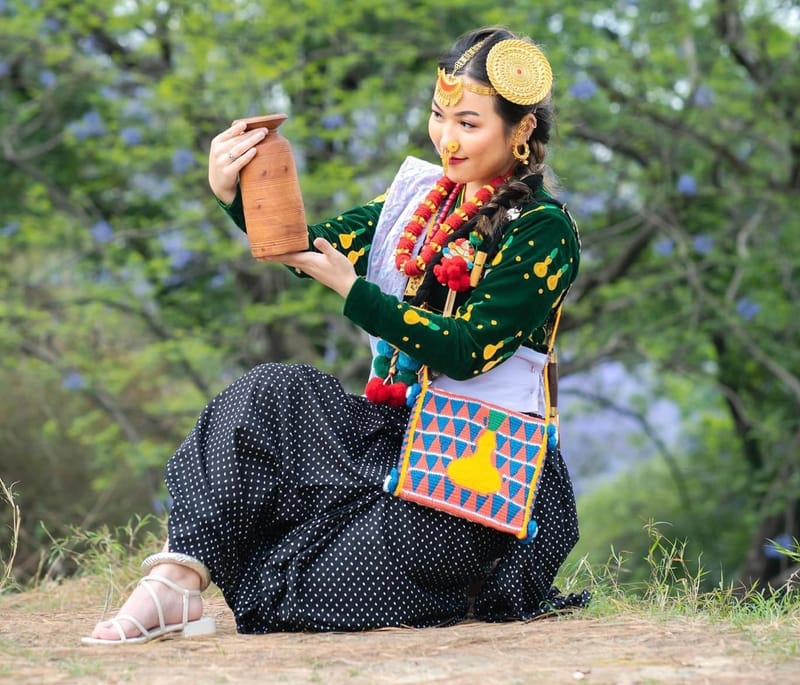
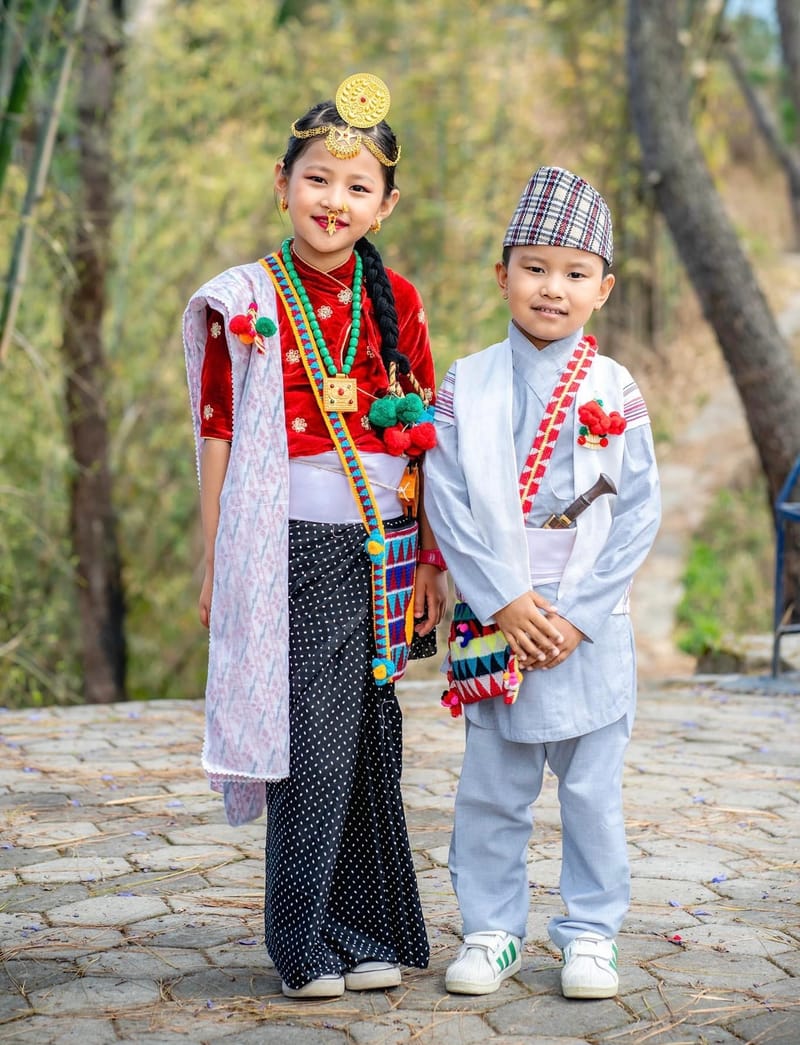
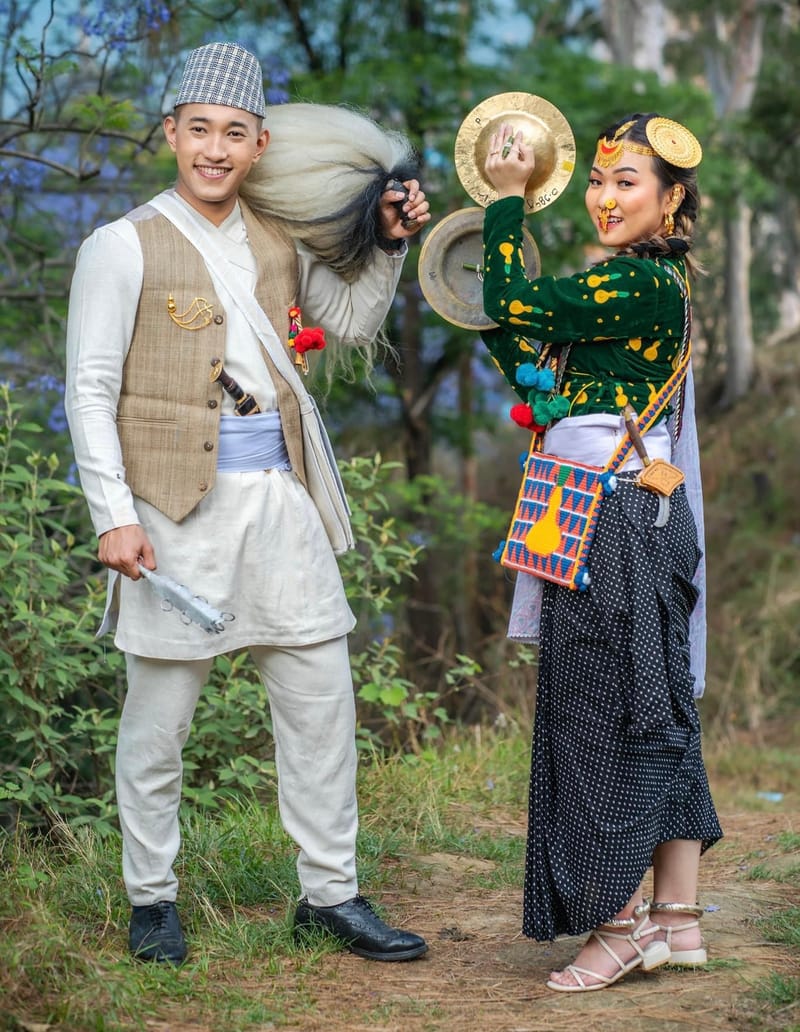
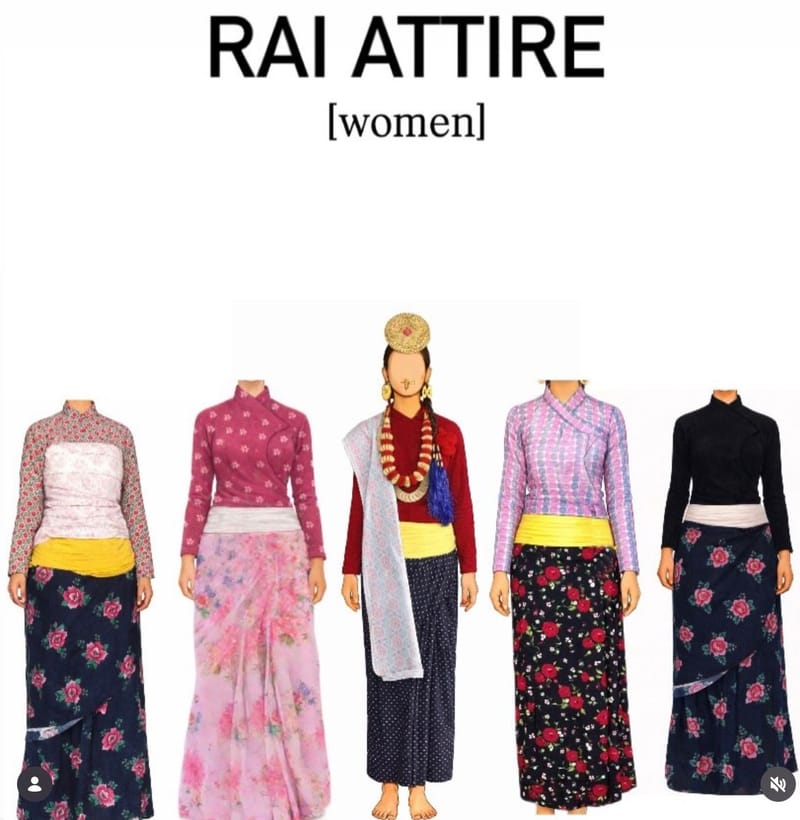
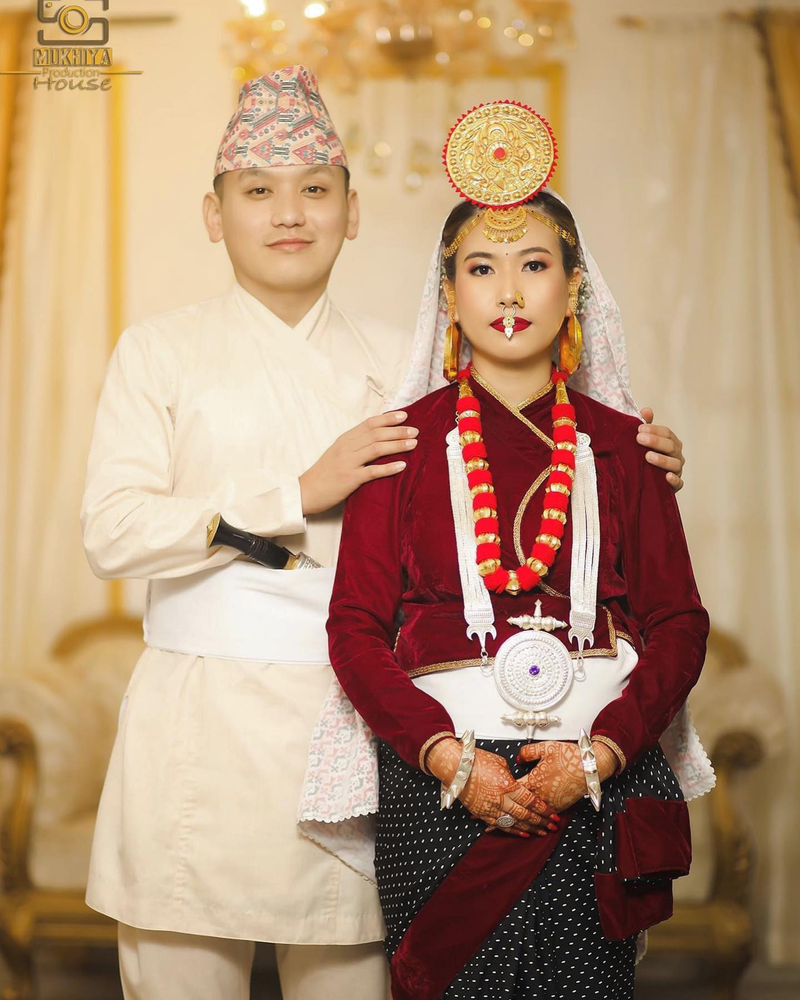
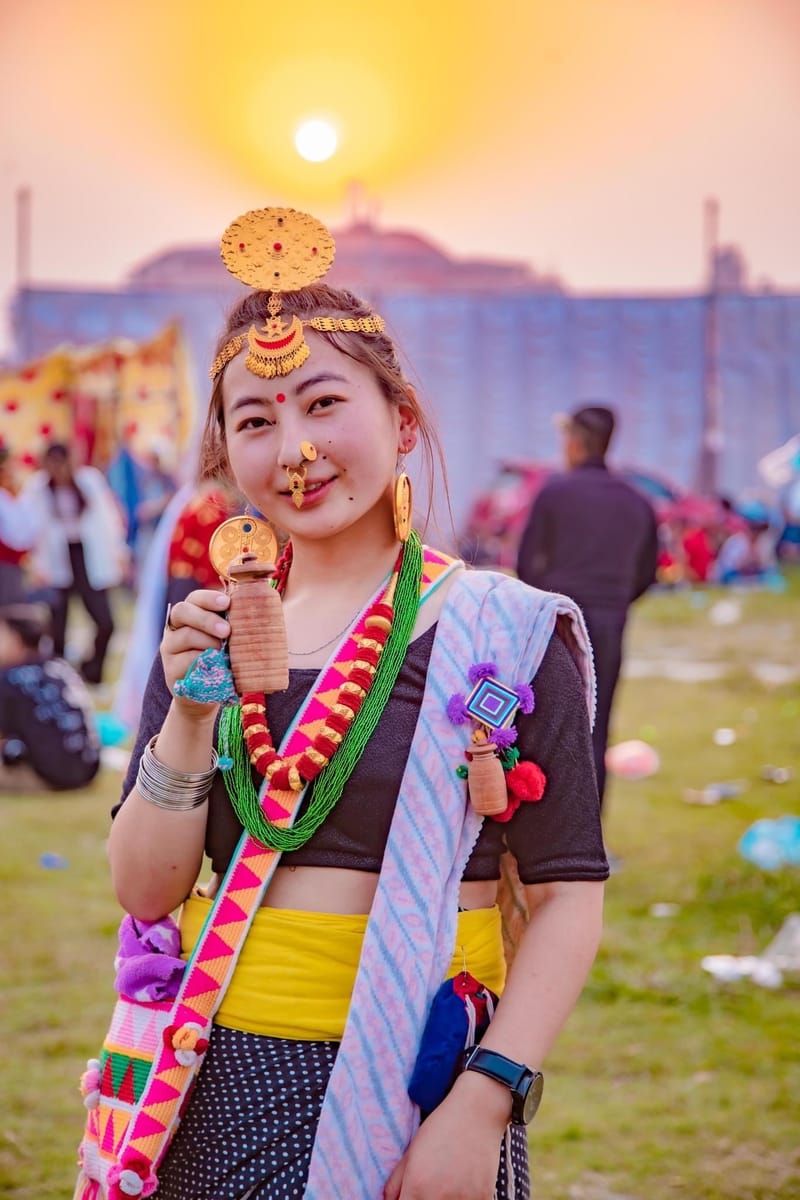
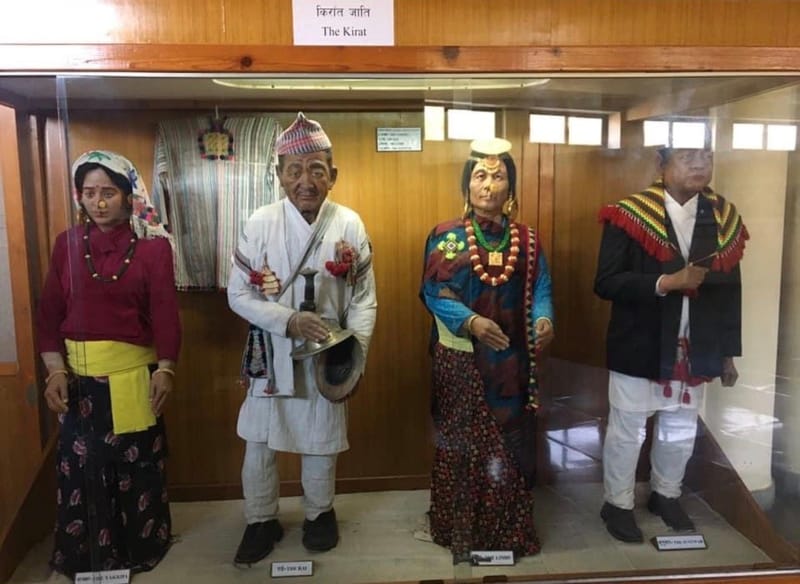
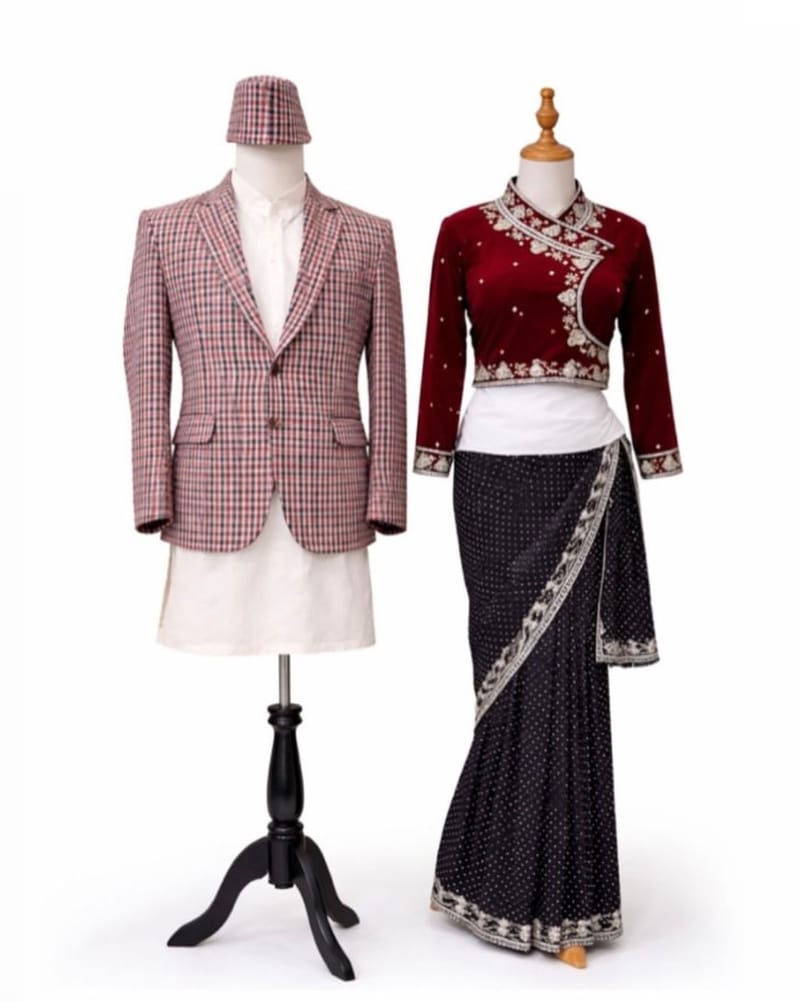
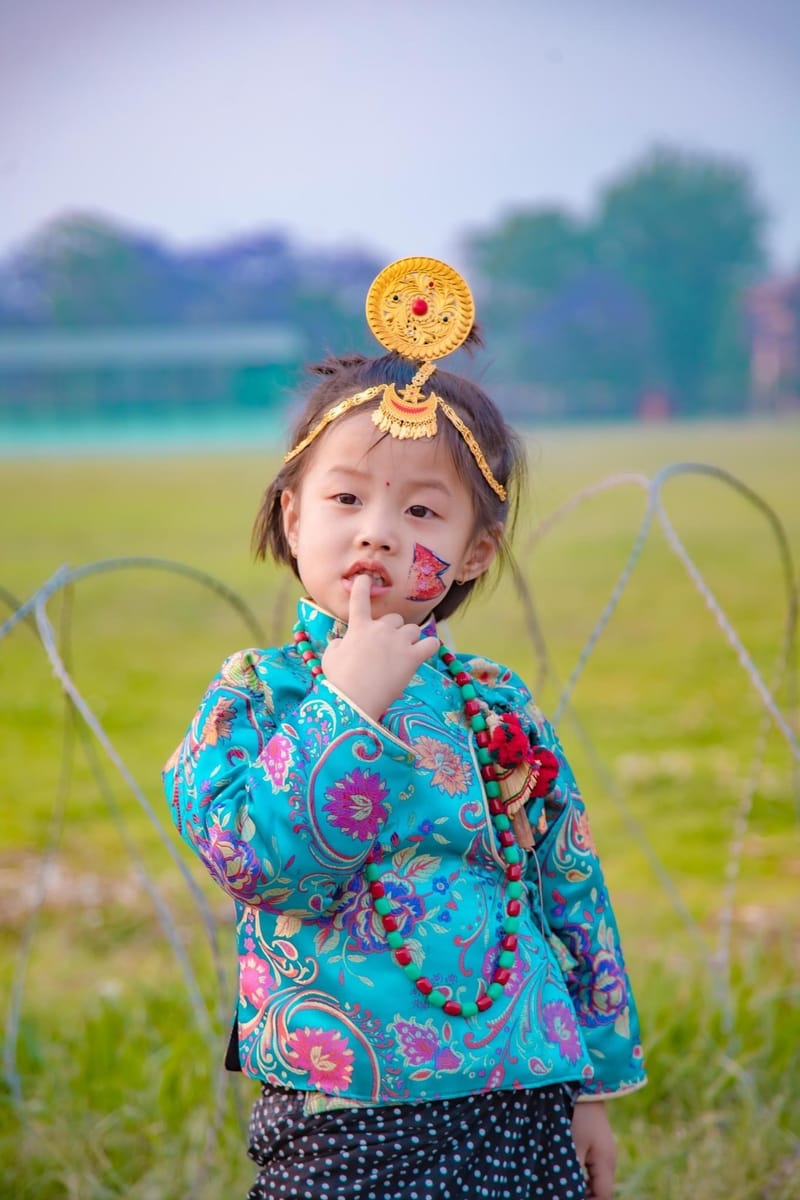
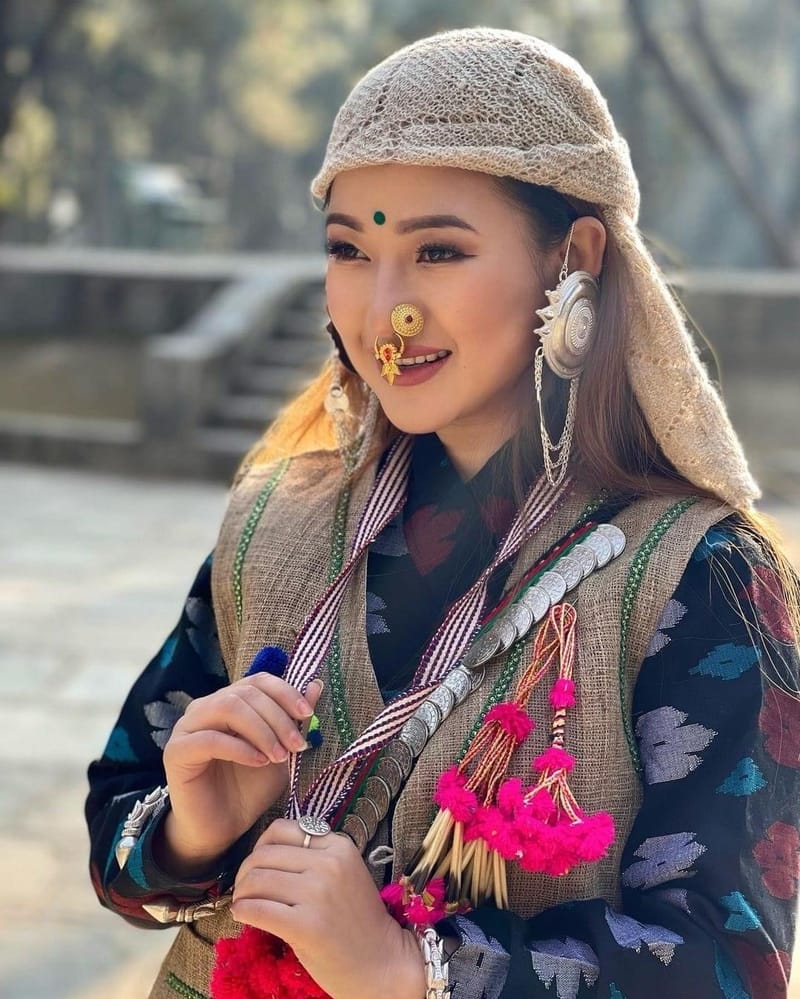
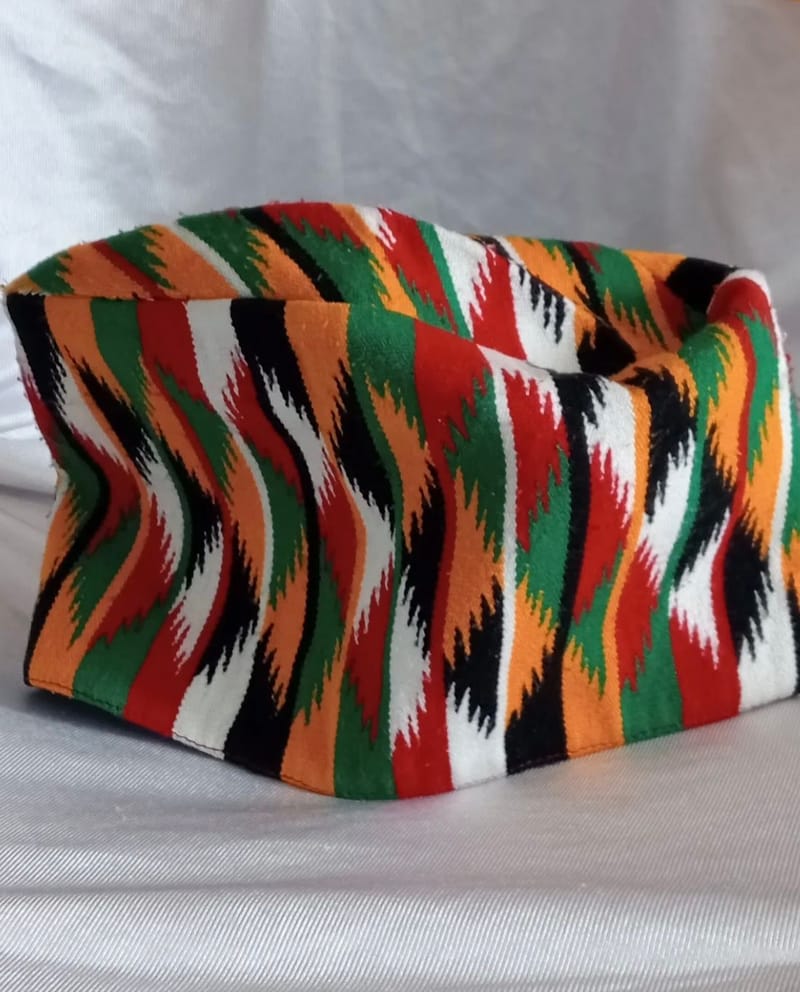
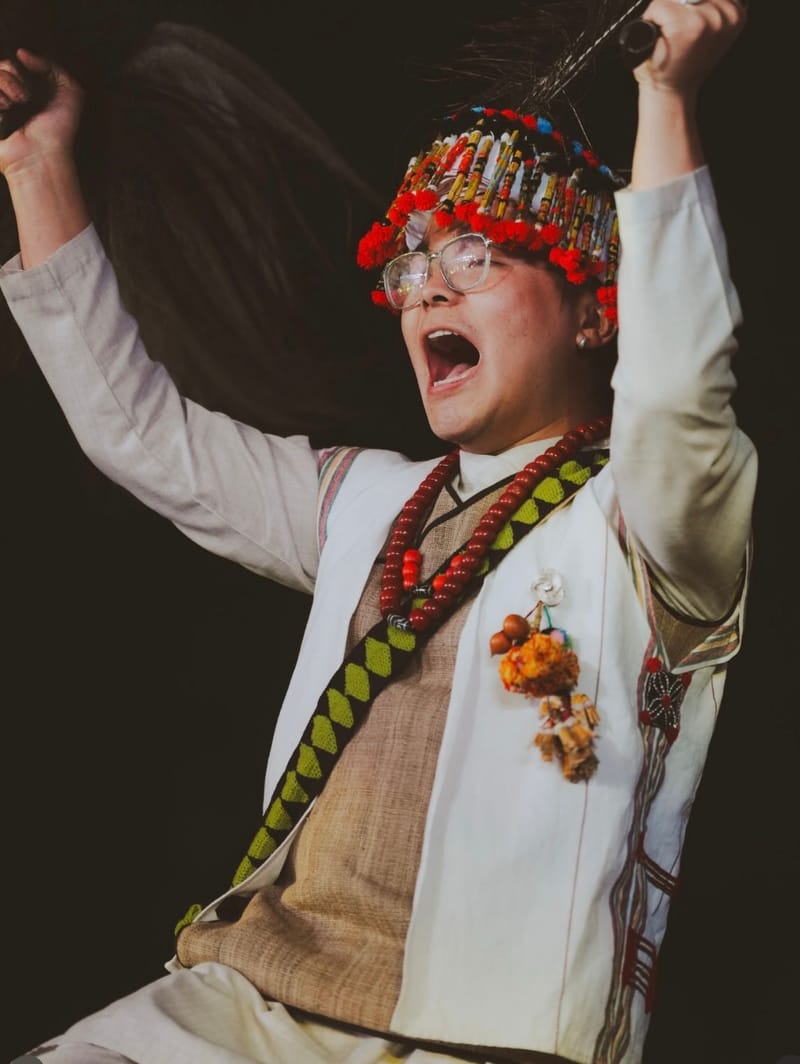
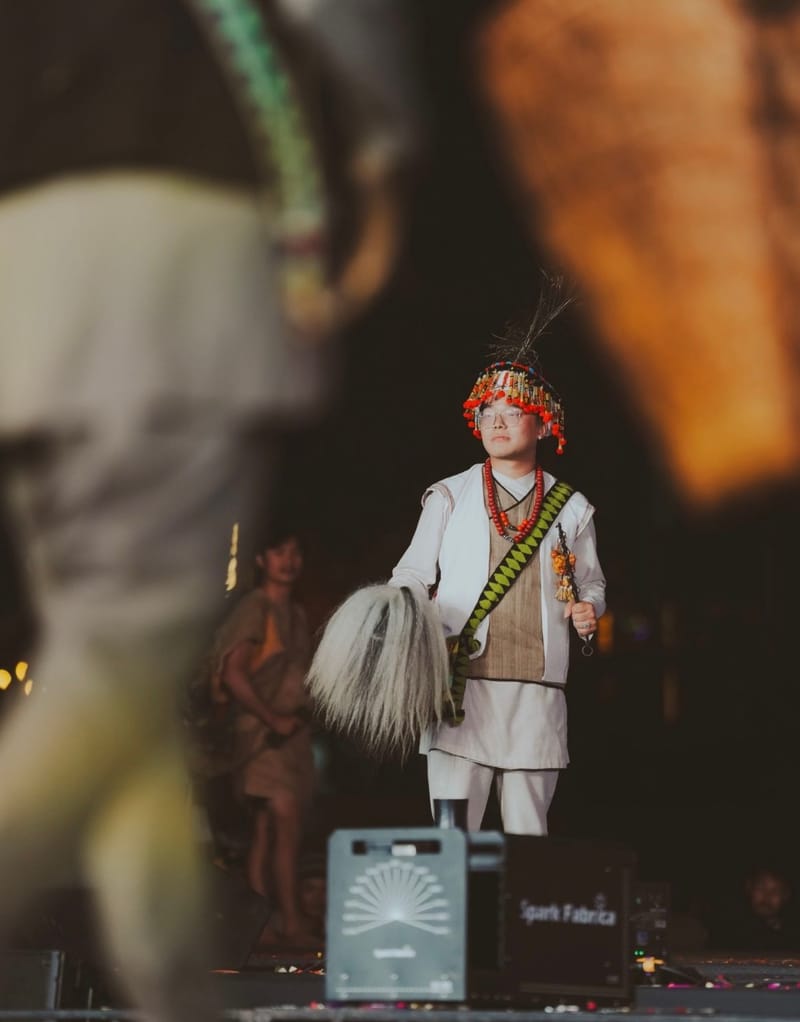
Ethnic attire
This photograph depicts a Traditional kirat attire.
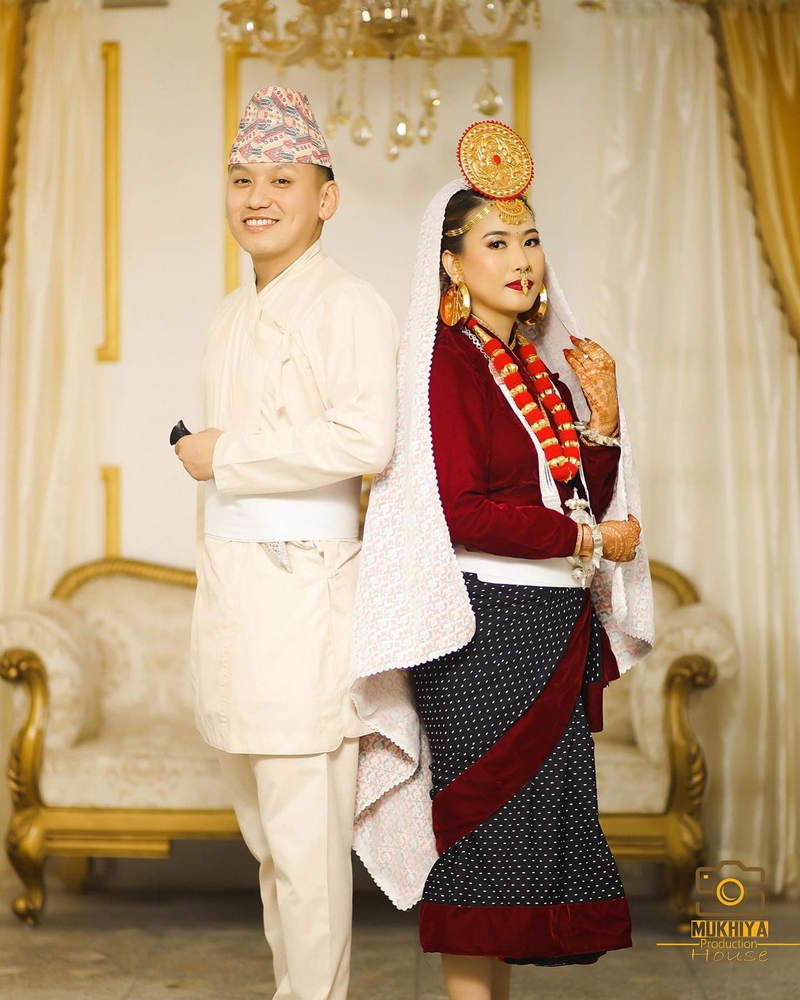
Cultural Wedding
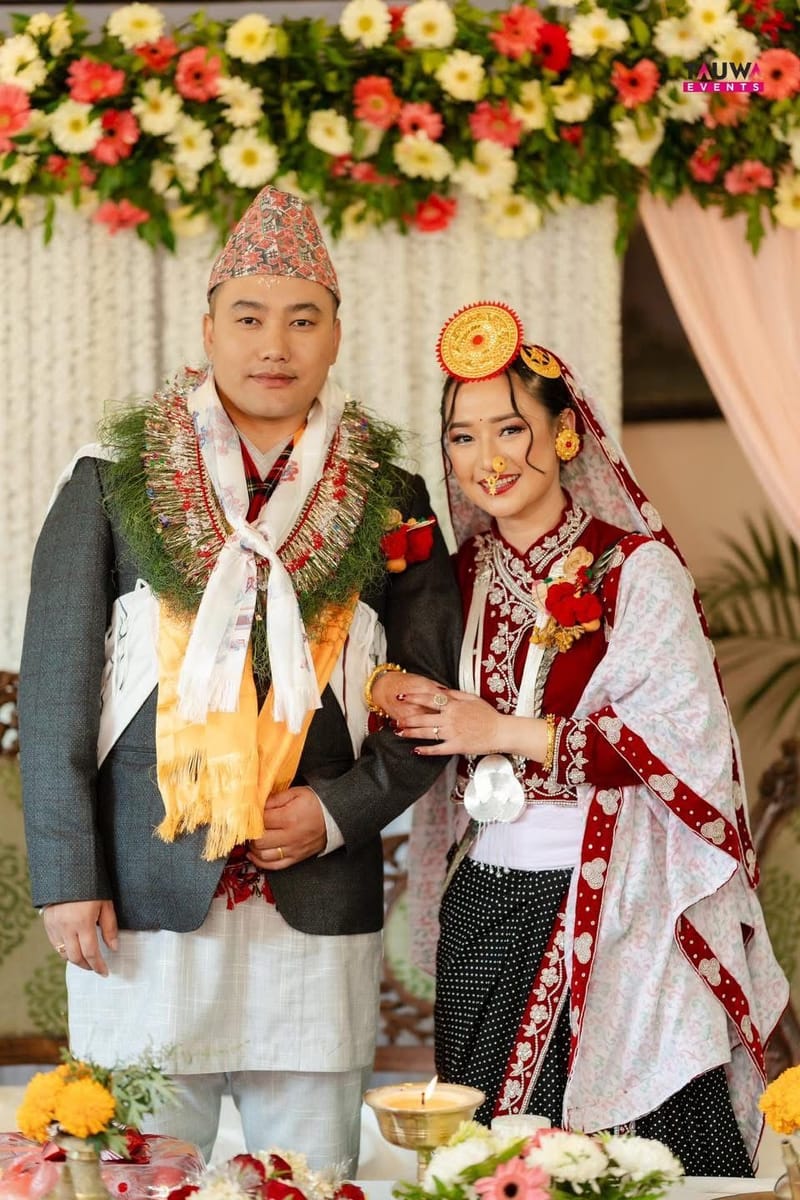
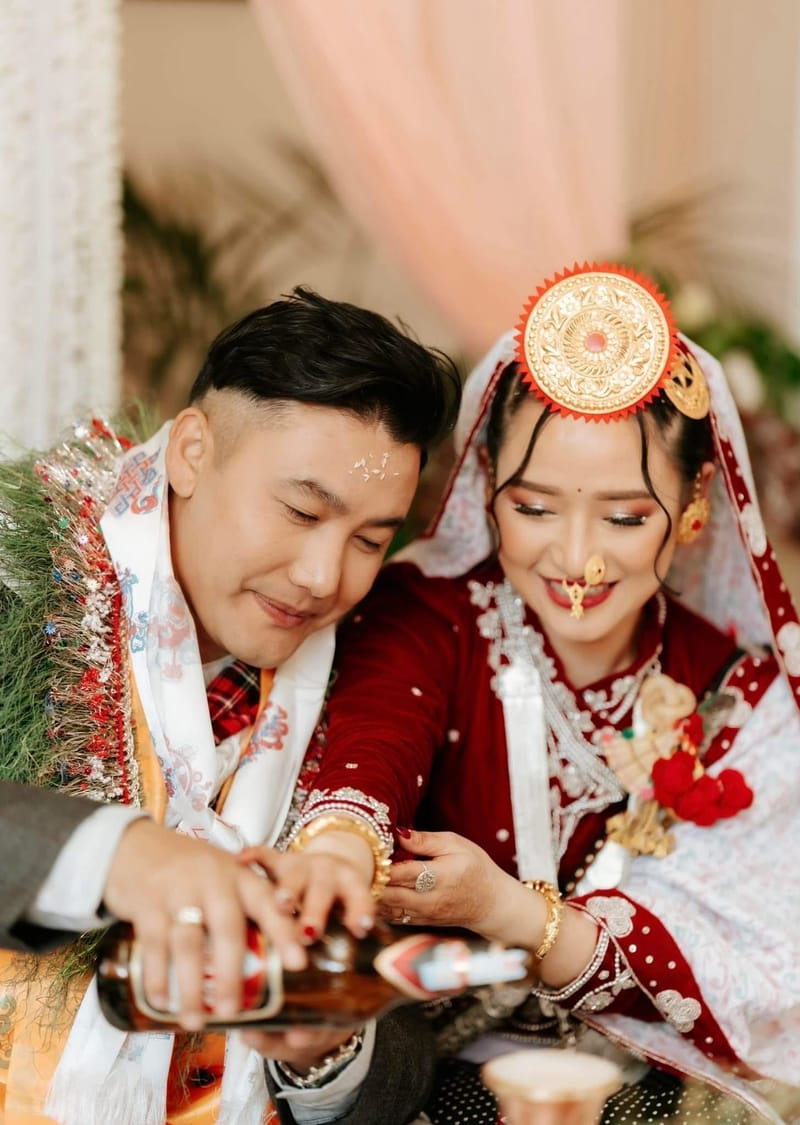
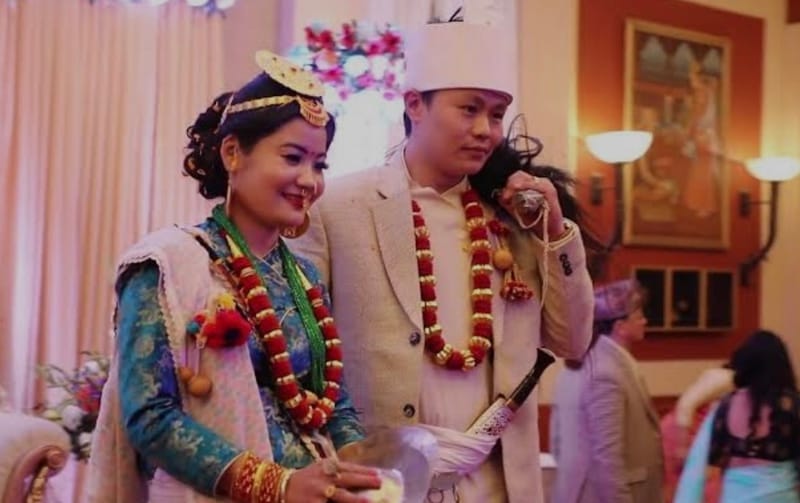
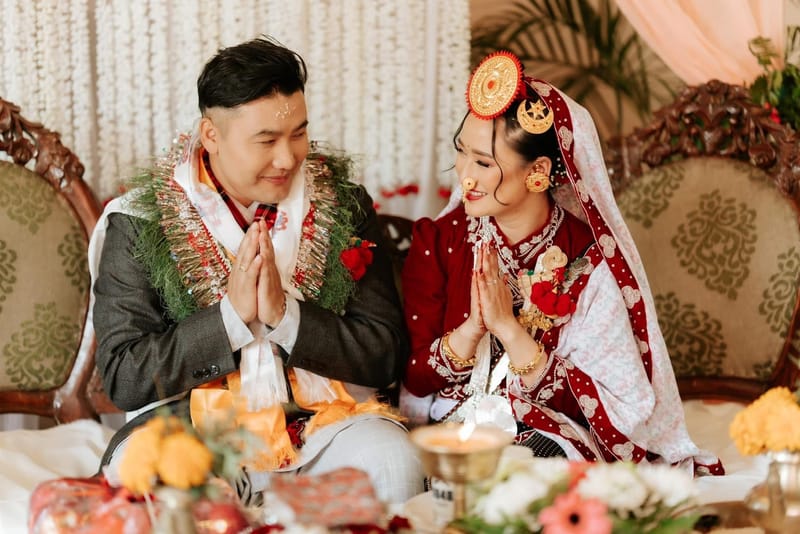
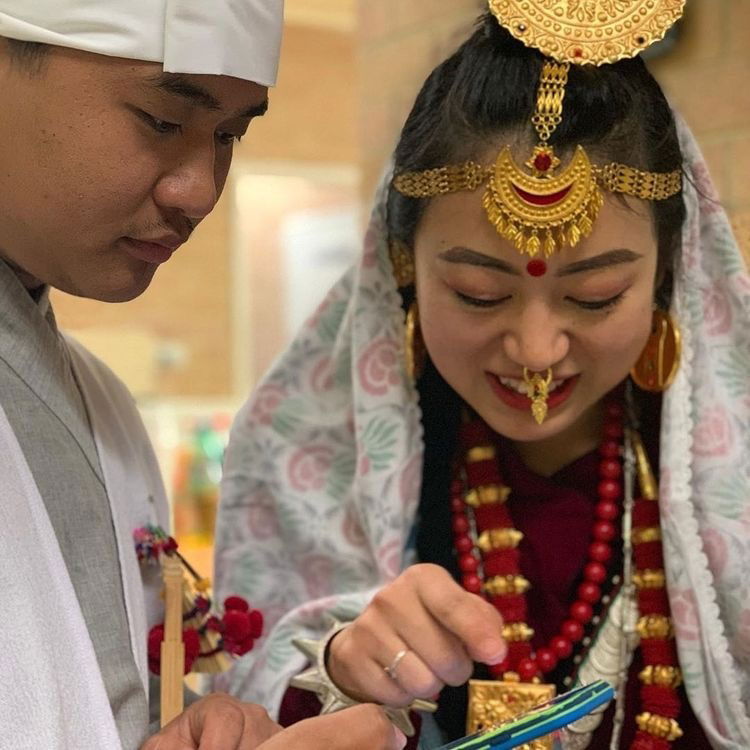
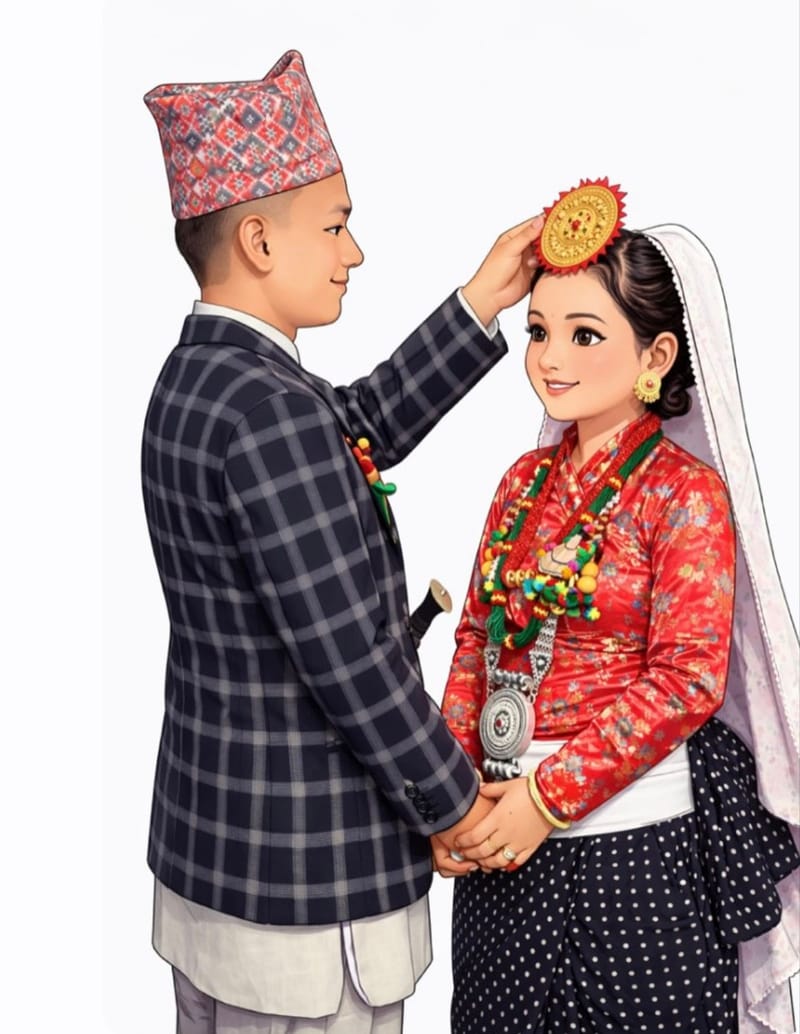
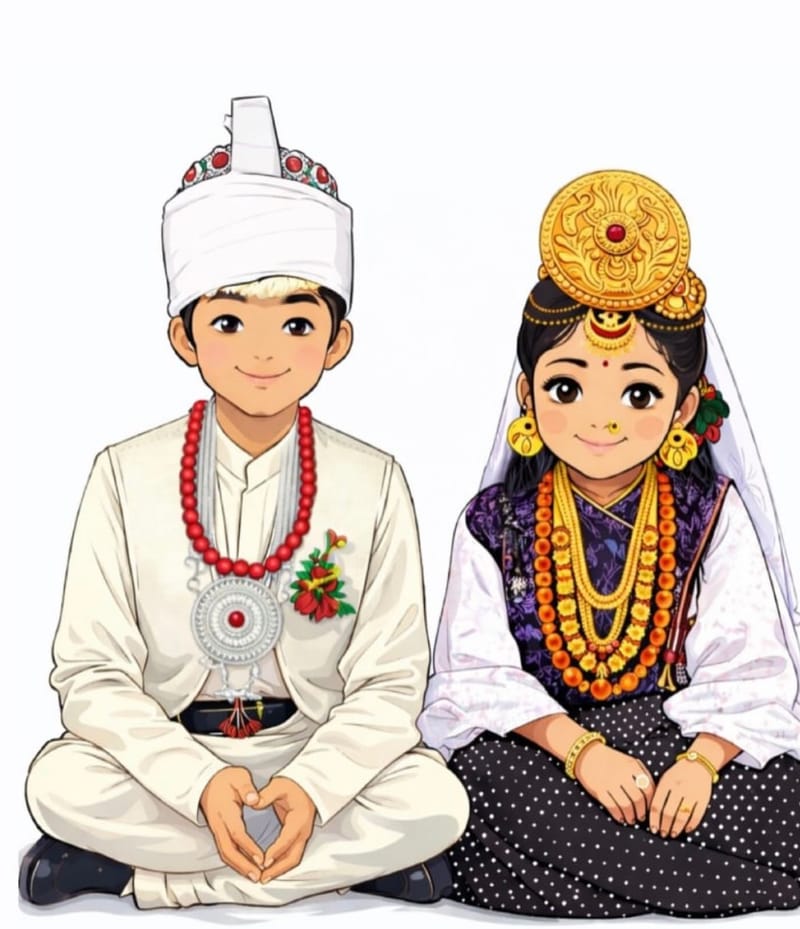
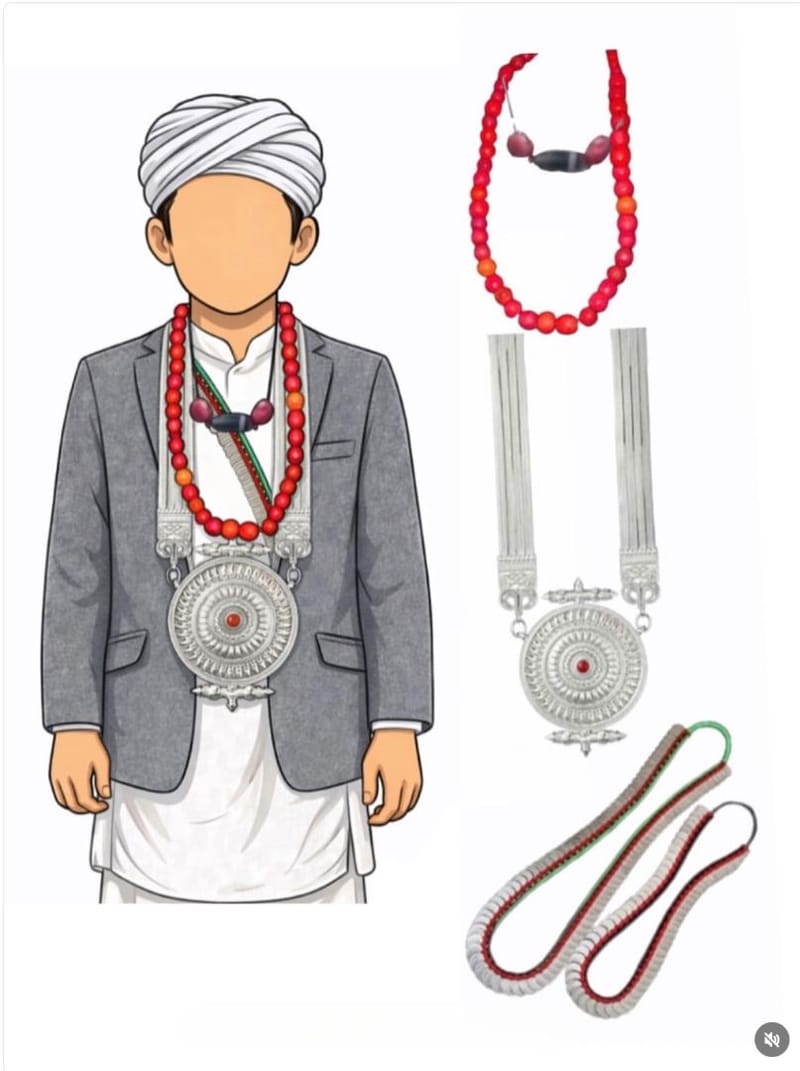
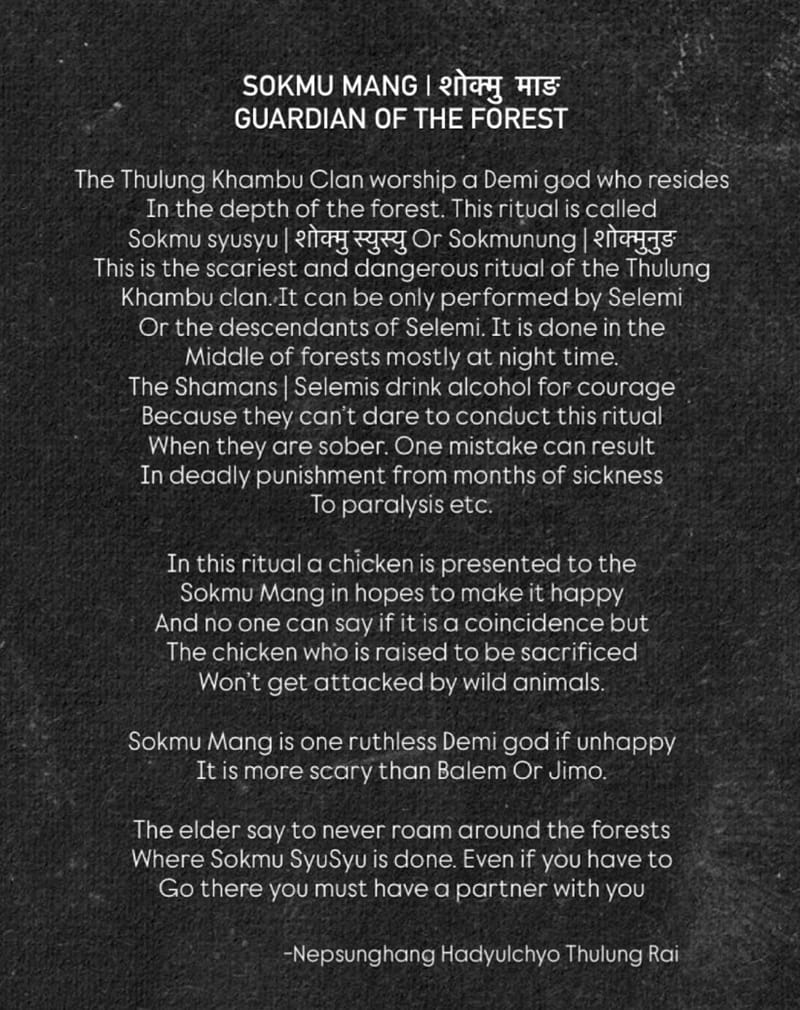
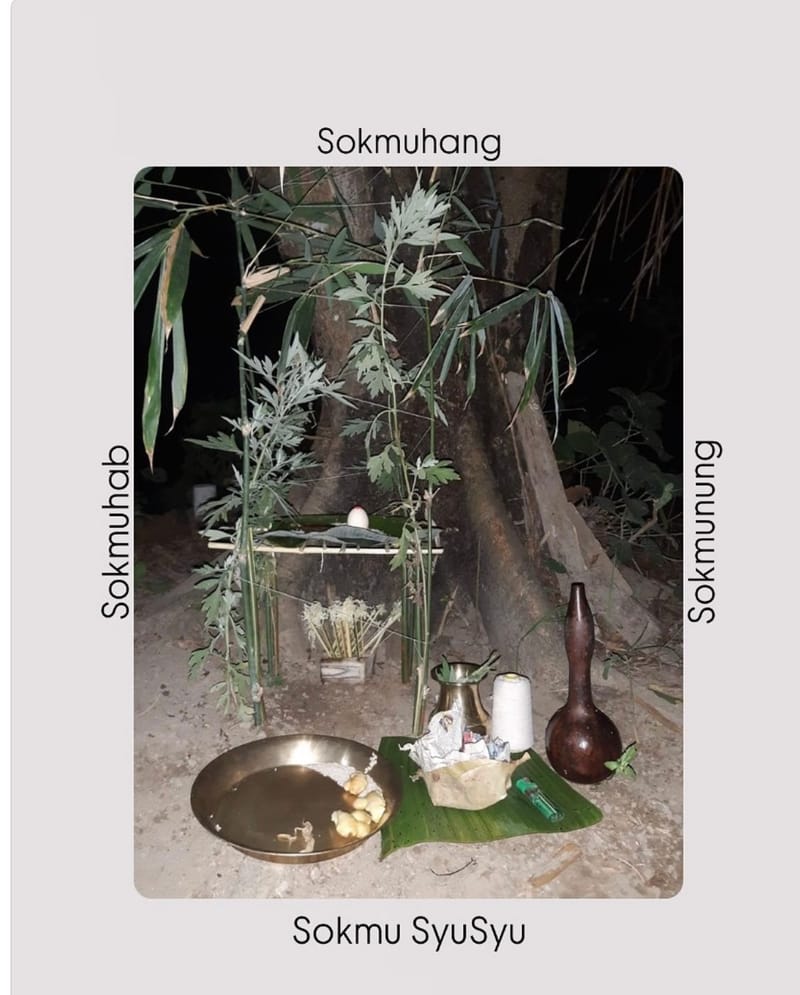
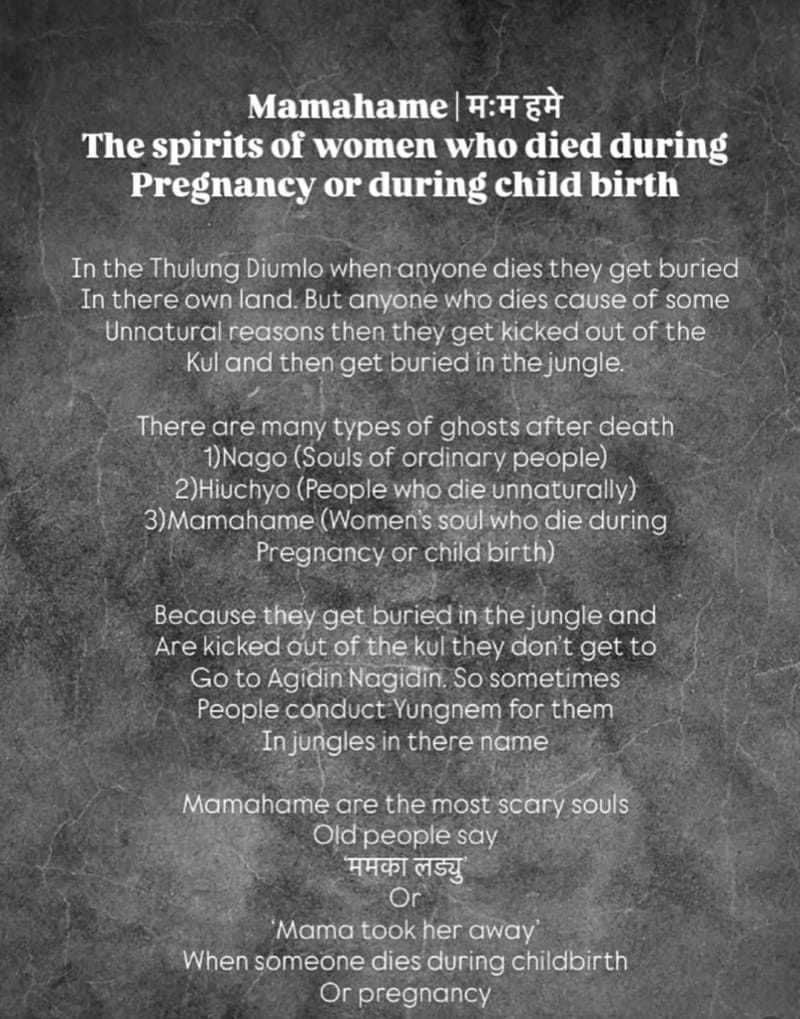
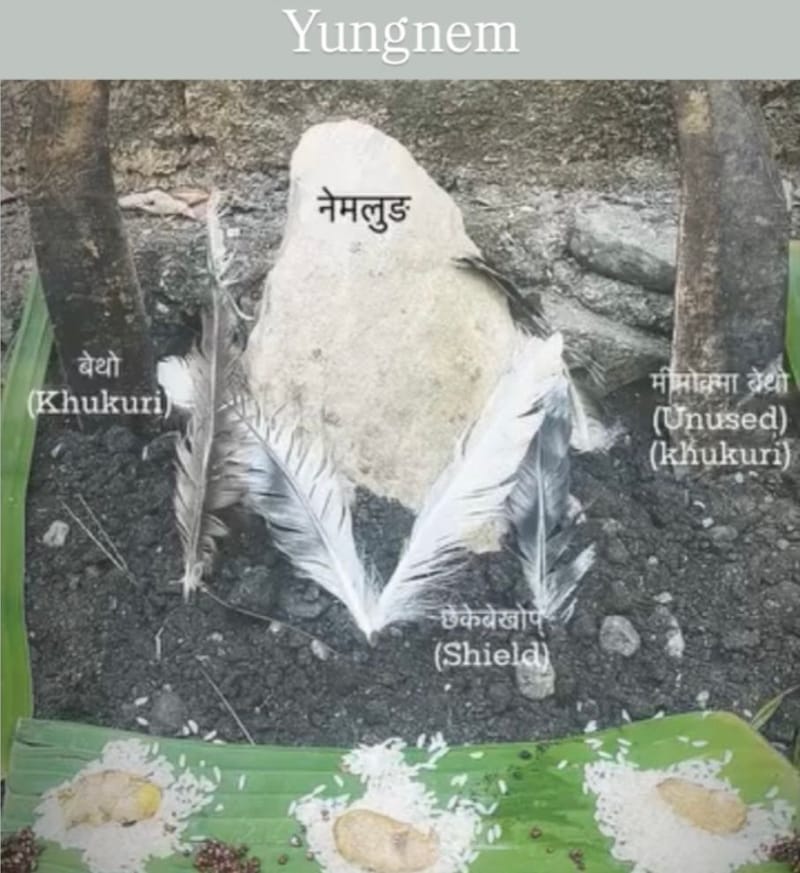
Thulung Khambu kirat Ritual
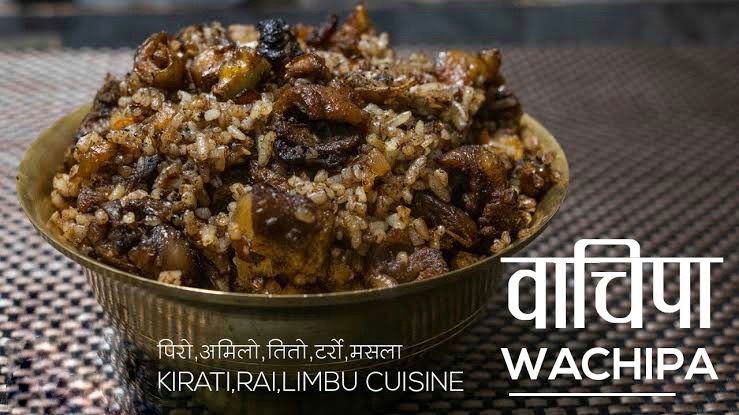
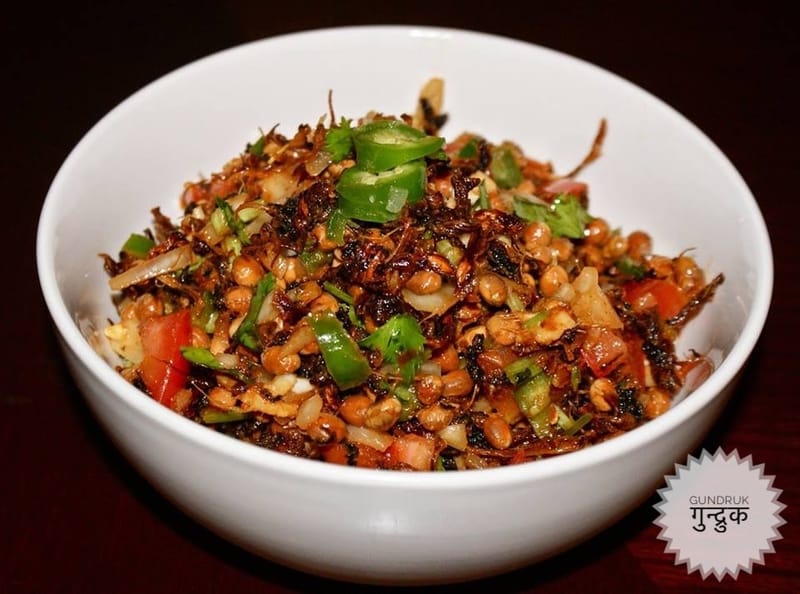
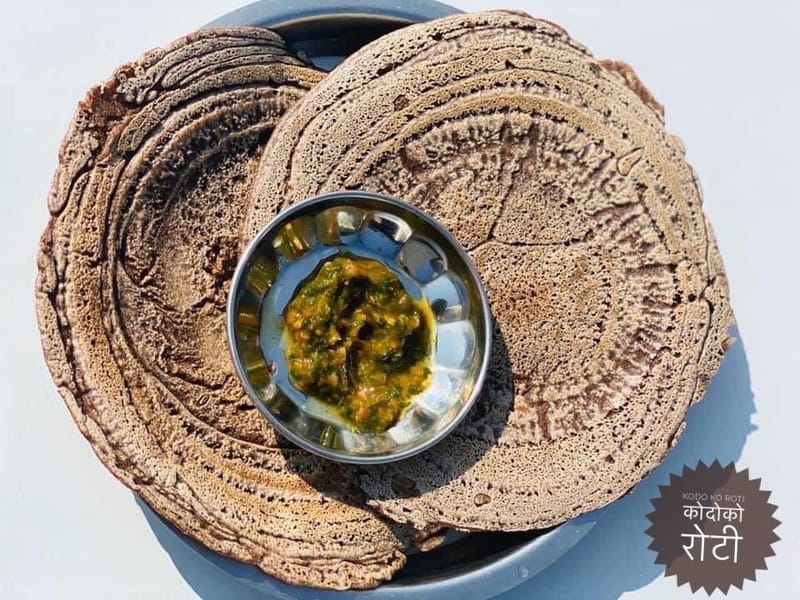
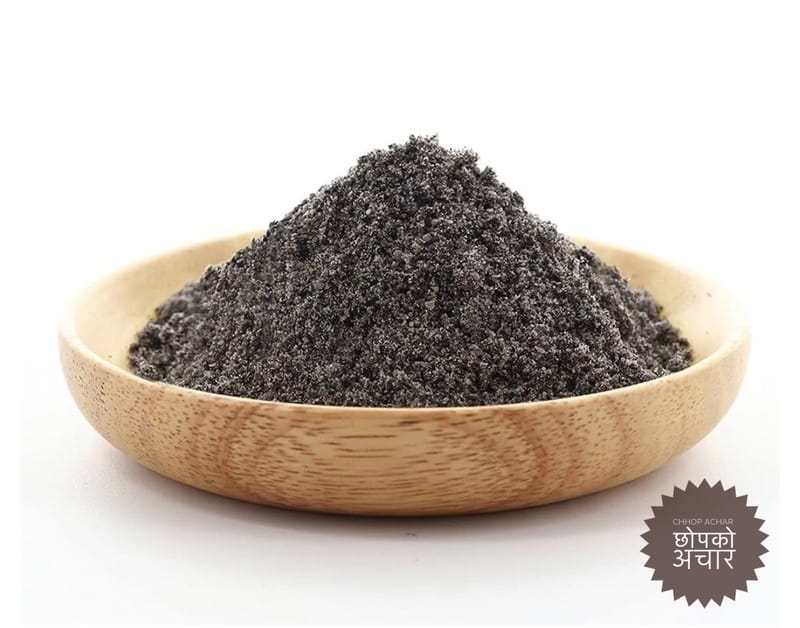
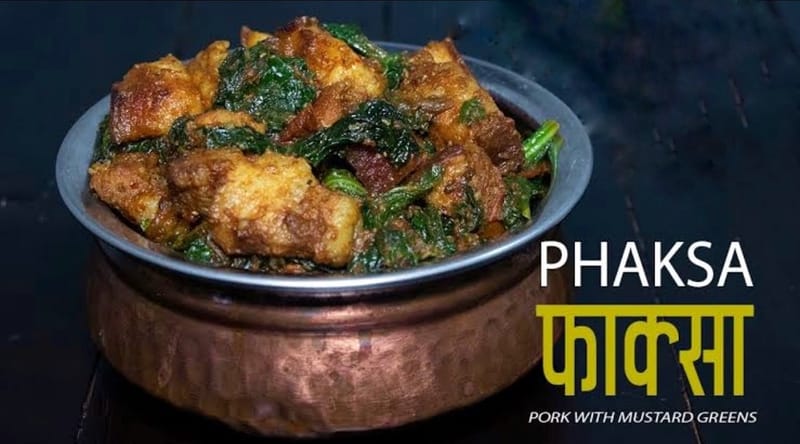
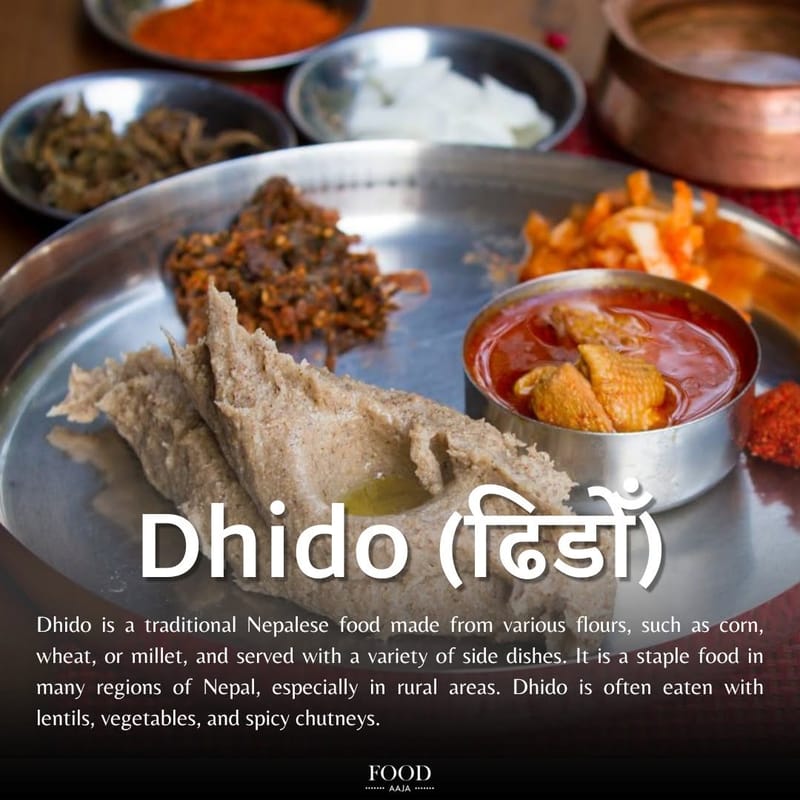
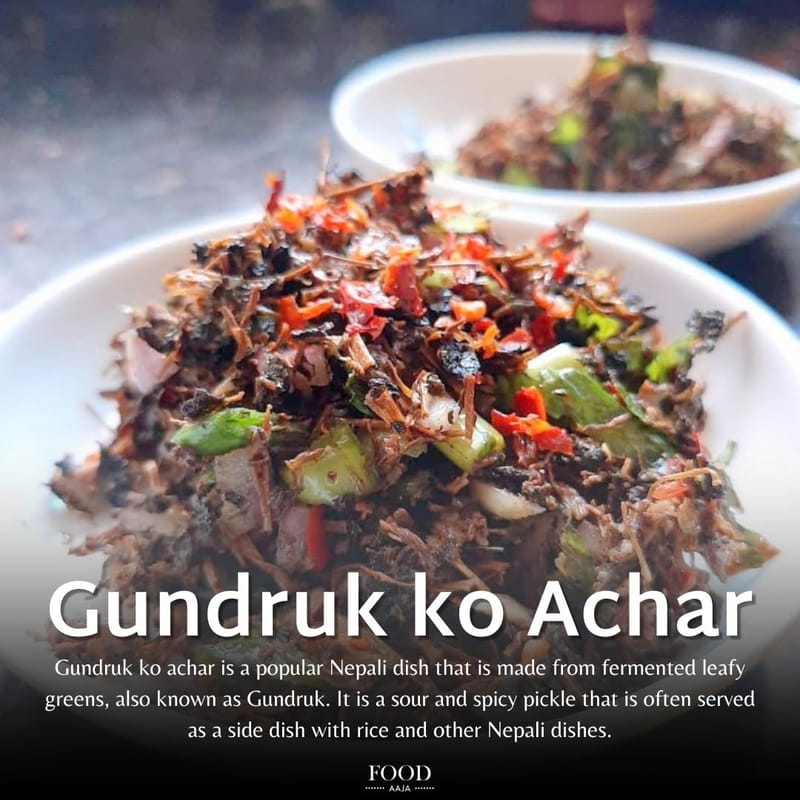
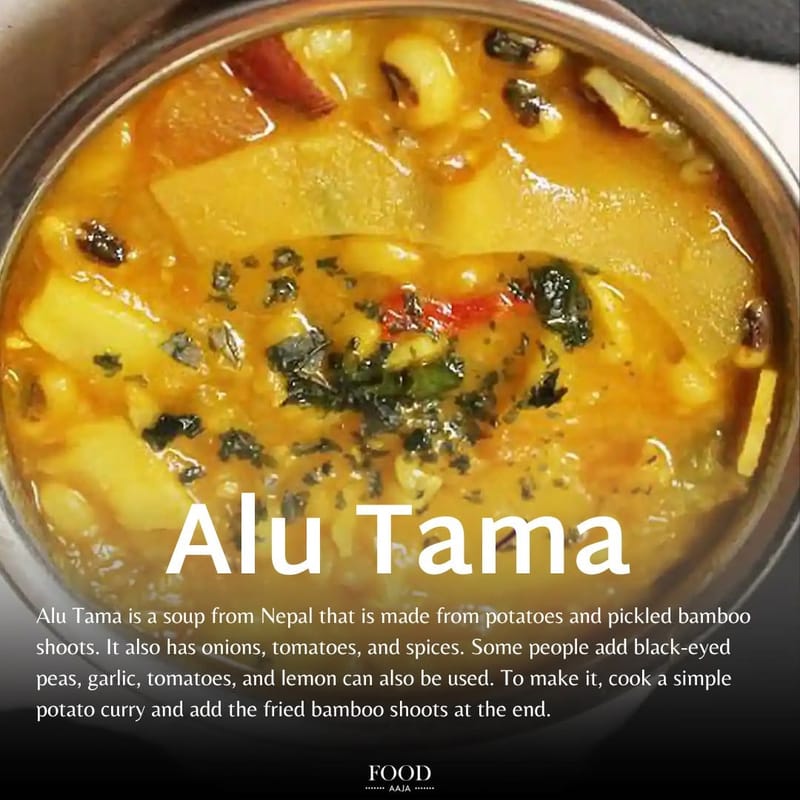
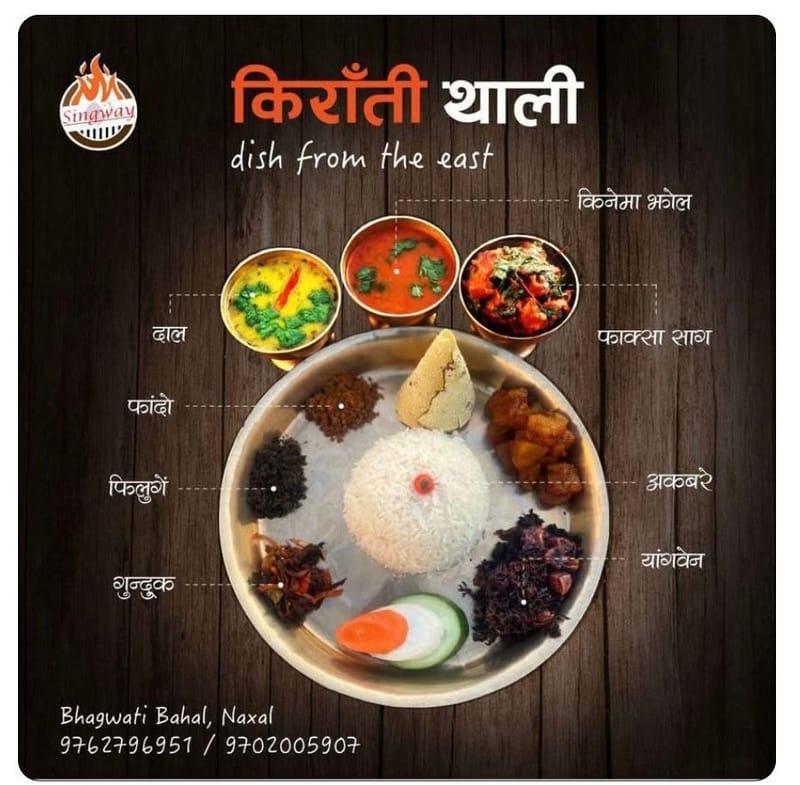
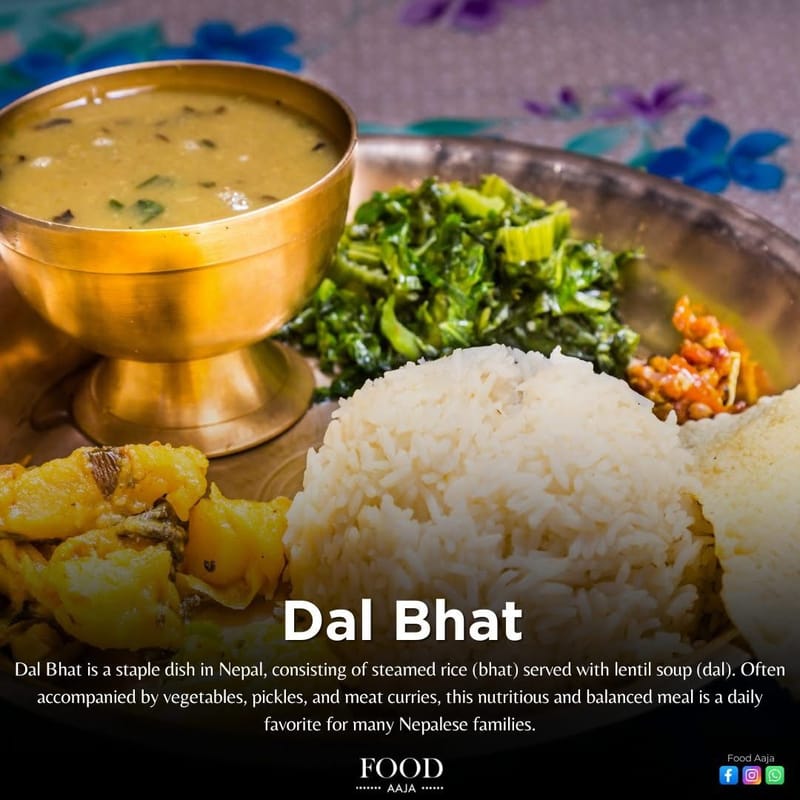
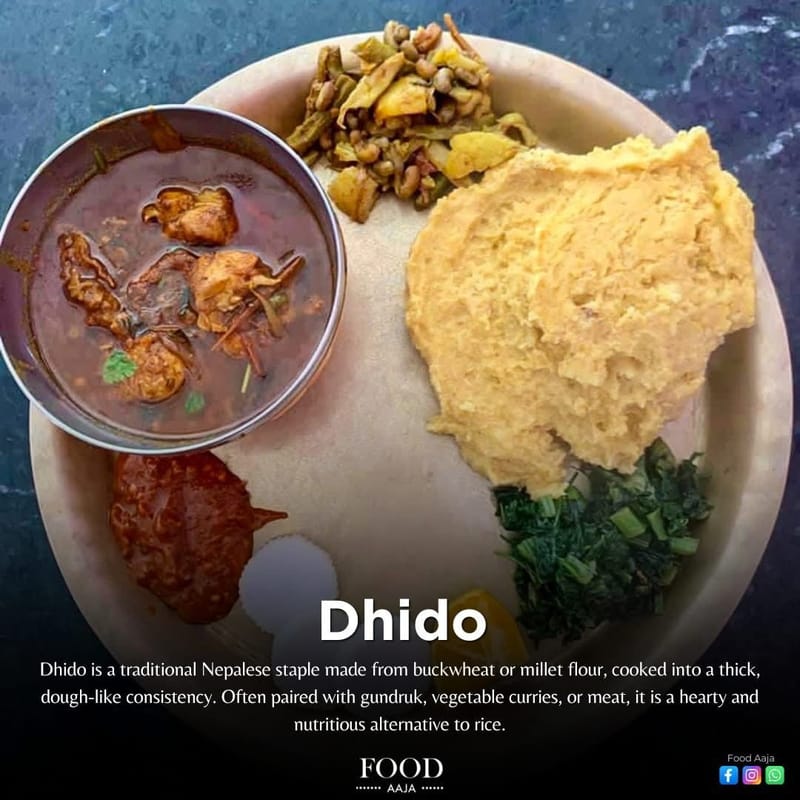
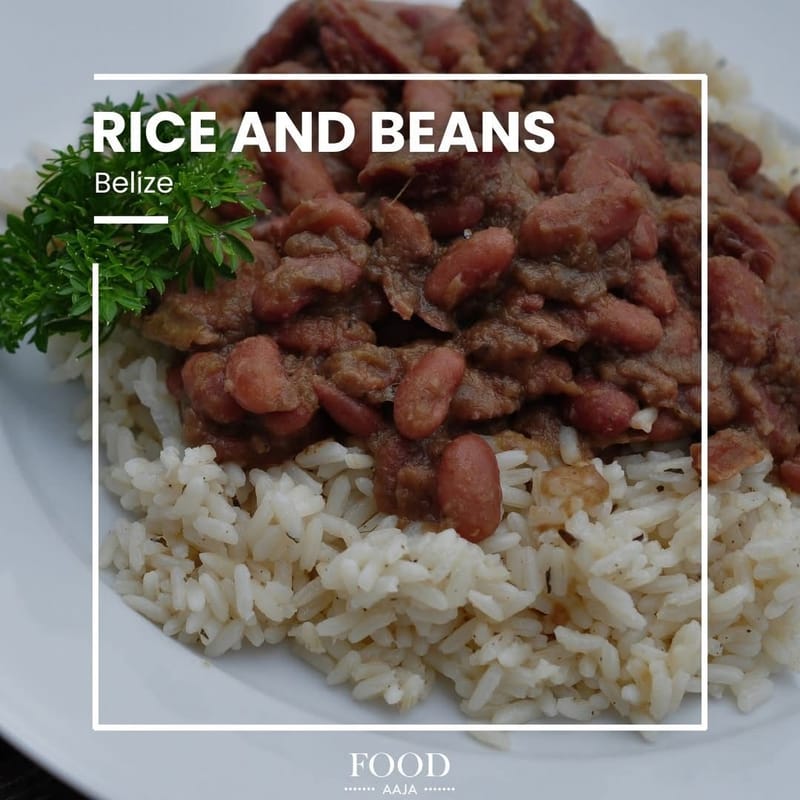
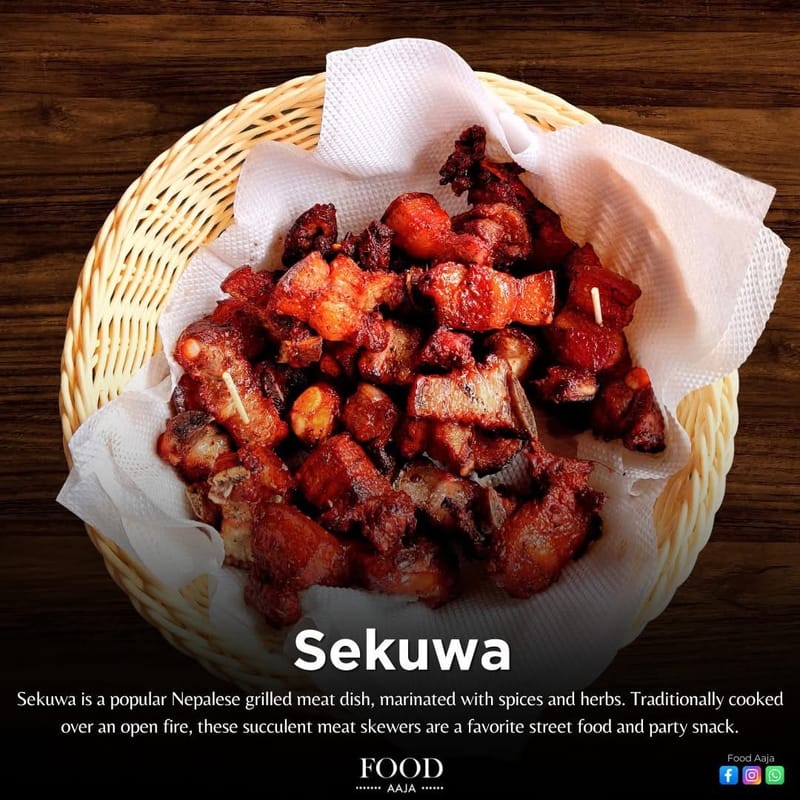
Traditional Food
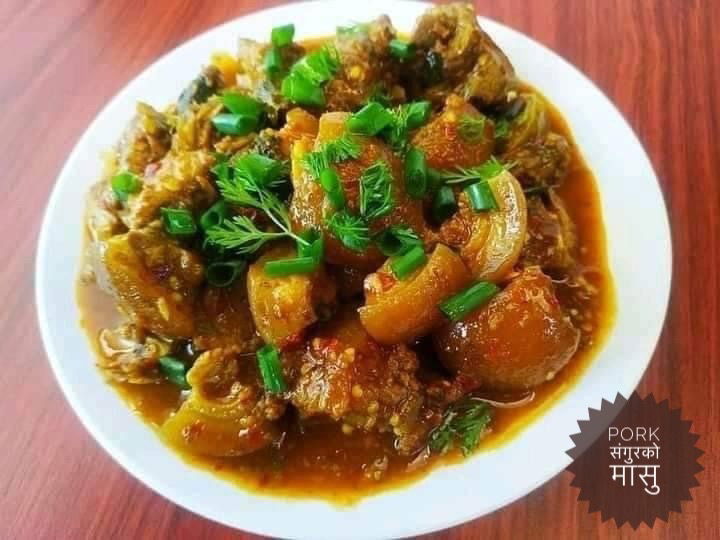
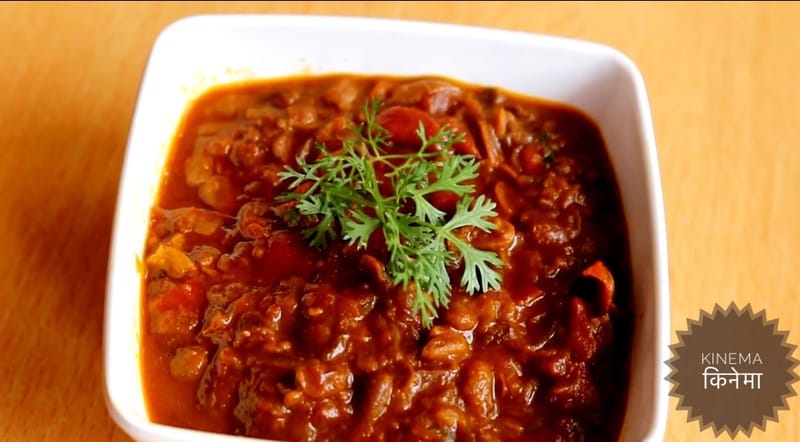
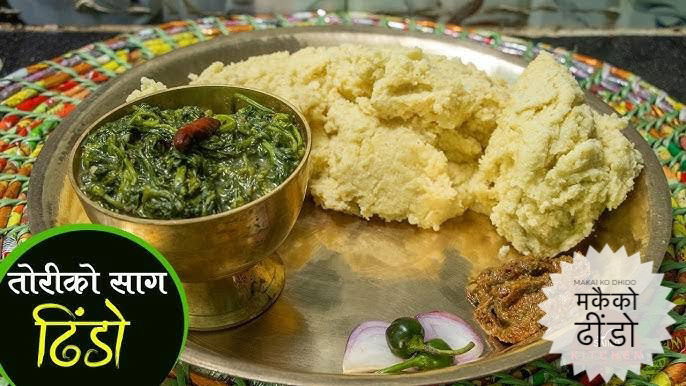
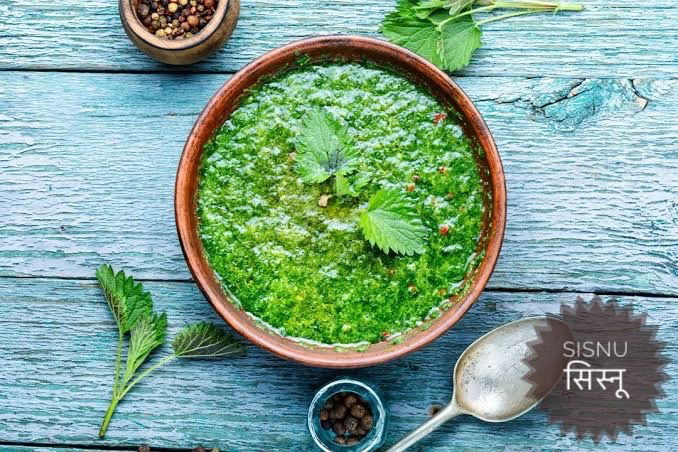
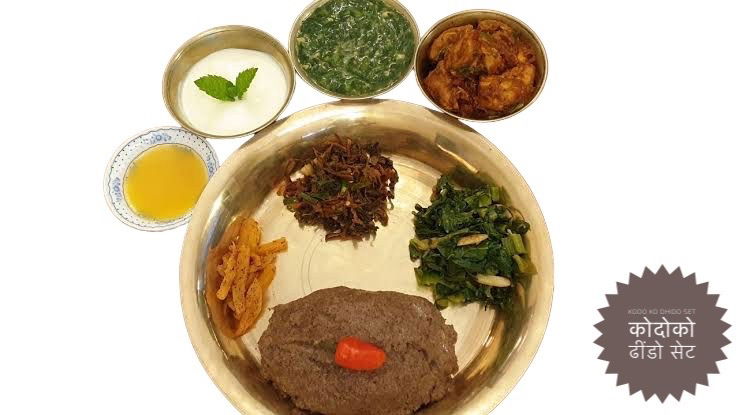
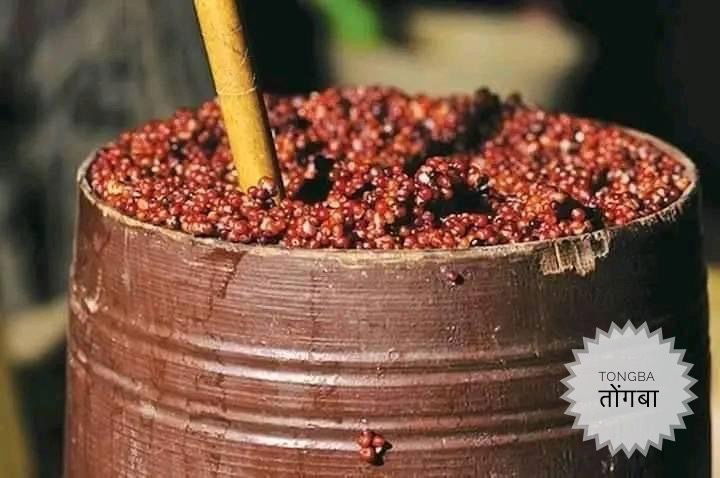
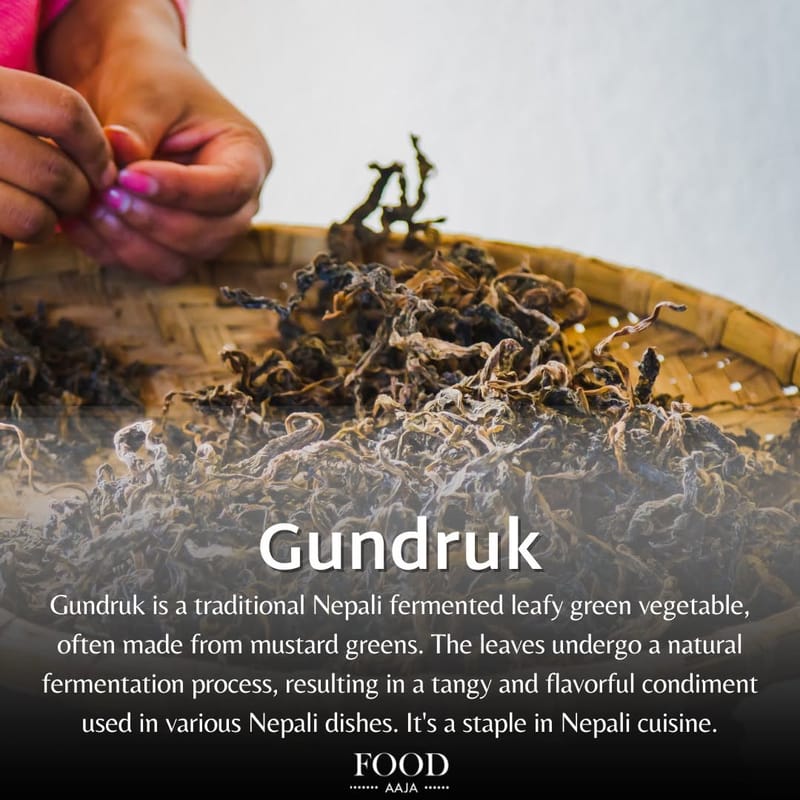
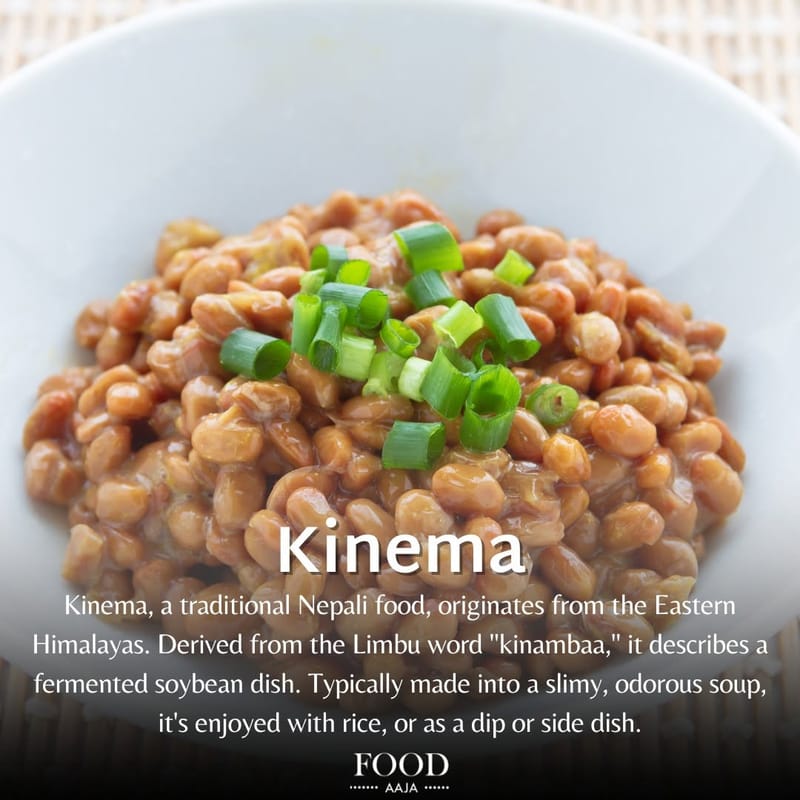
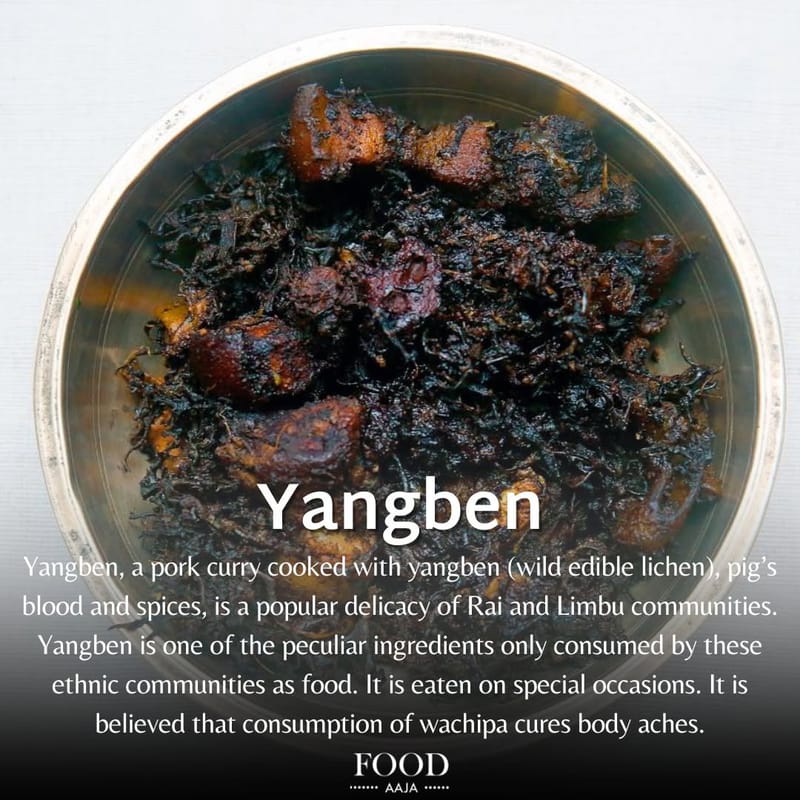
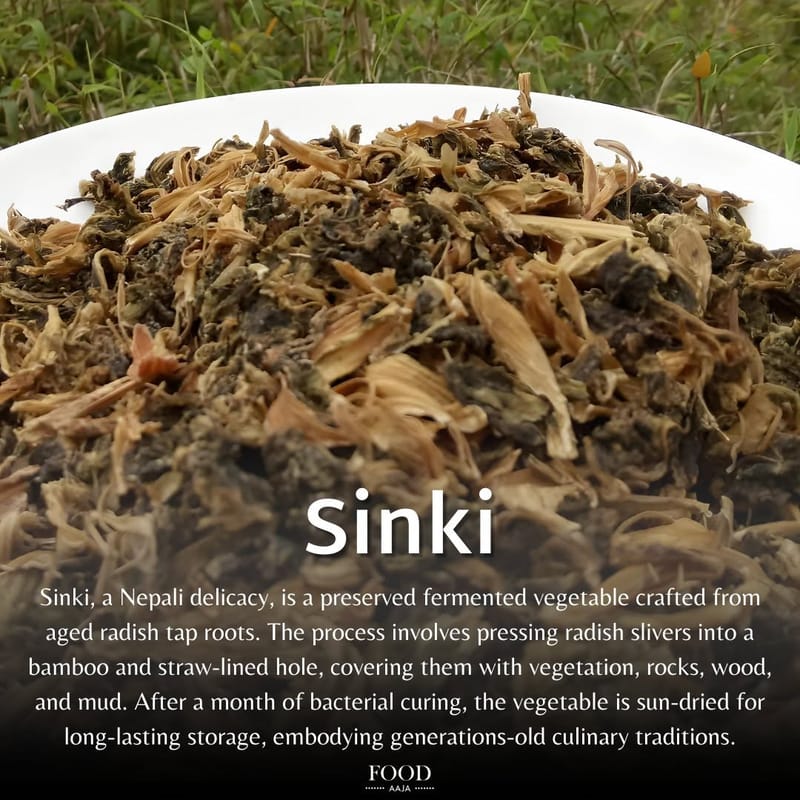
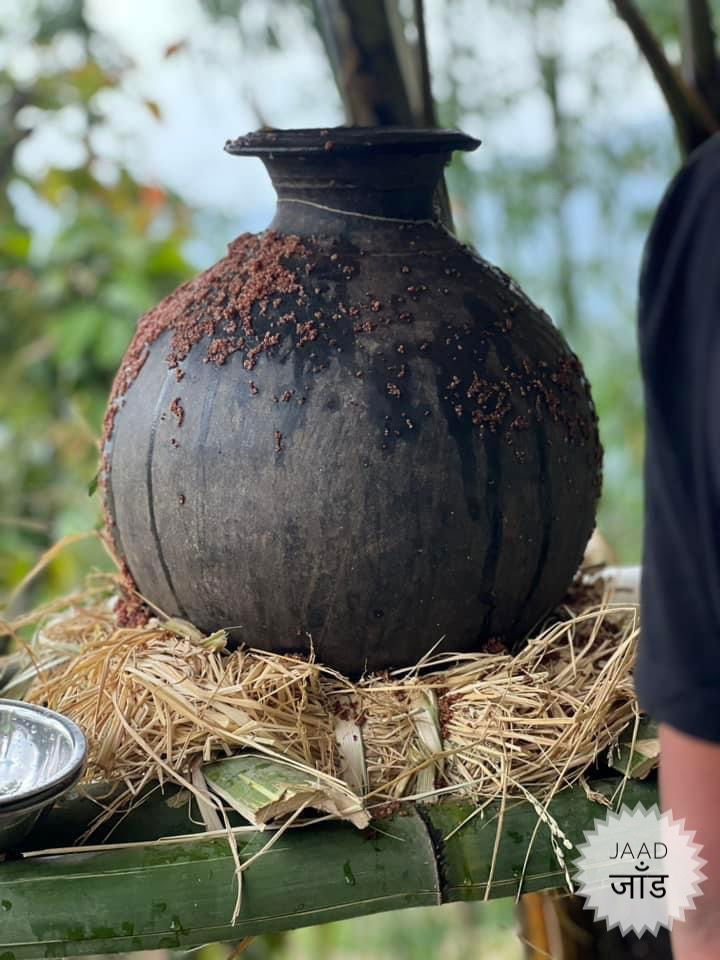
1. Wachipa , 2.Pork with Spanich 3.Sargemba 4.Chhop Achar 5.Kinama 6.Gundruk 7. Kodo ko Roti 8.Phaksa 9.Makai ko Dhido 10.Sisnu 11. Kodo ko Dhido Set 12.Jaad (Millet Alcohol)
Liquor
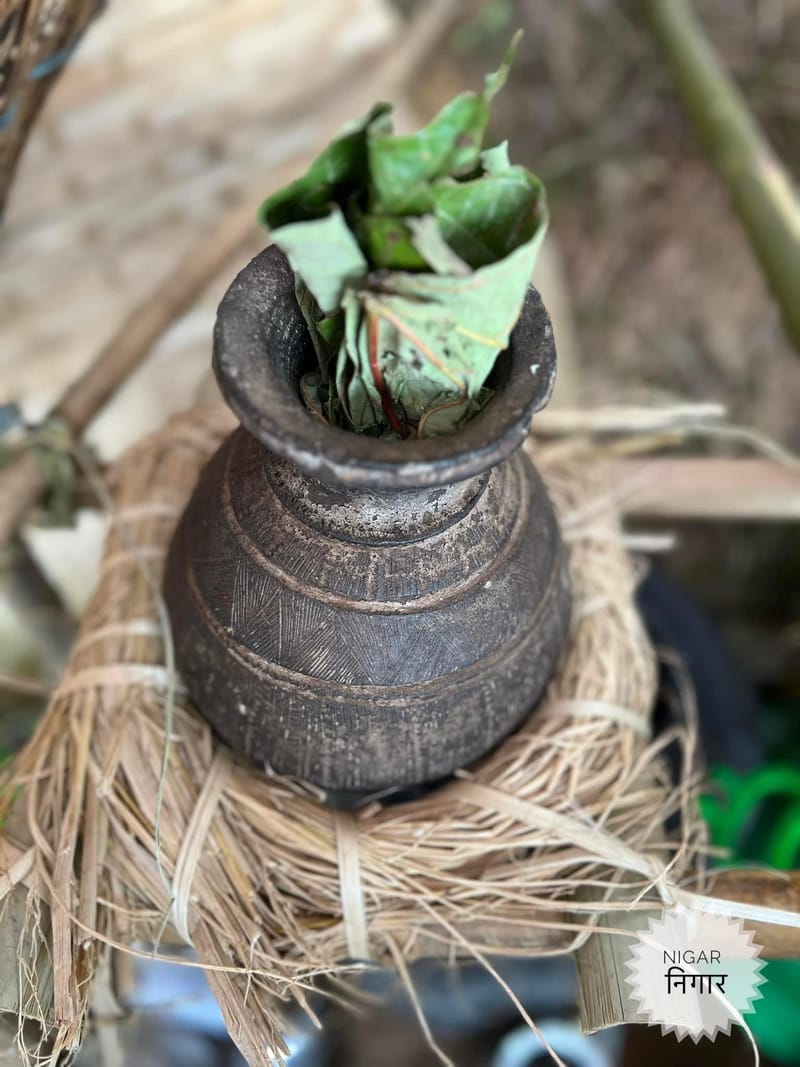
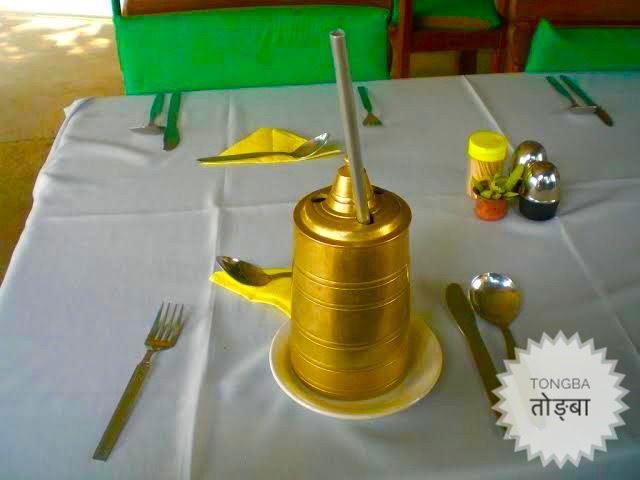
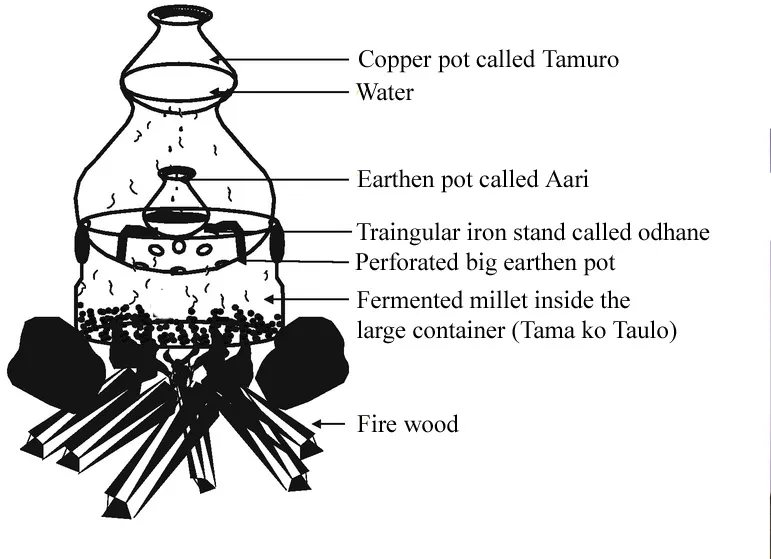
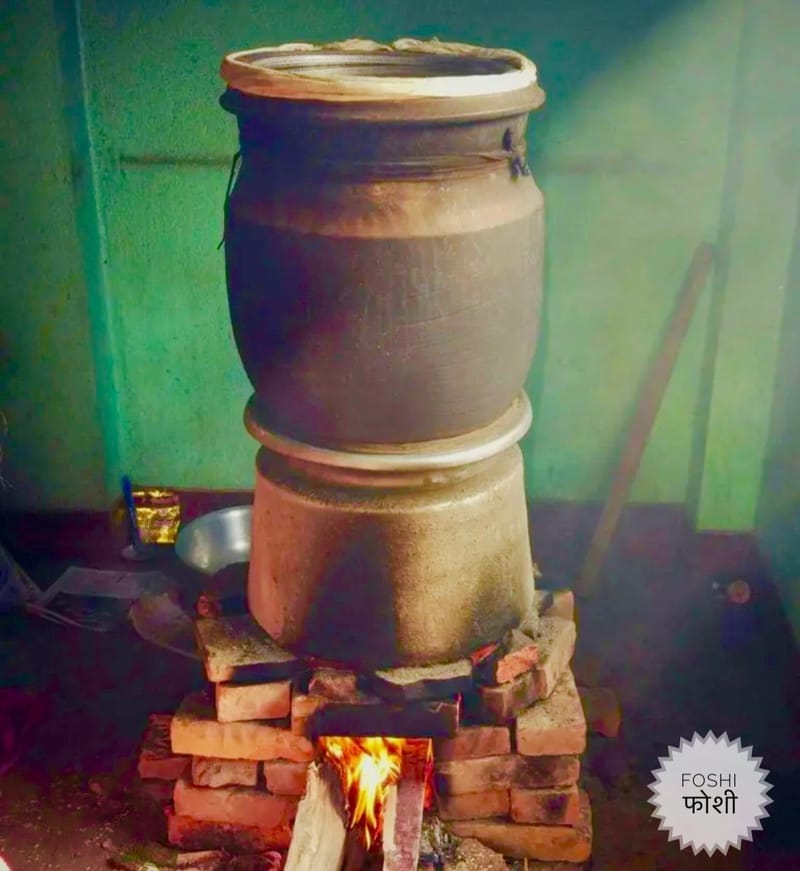
Raksi is the distilled alcoholic drink usually made from Kodo (a variety of millet found in Nepal). It can also be made up of corn, rice, wheat, barley or fruits. Jaad refers to the turbid liquor which is obtained by leaching out the extract with water from the fermented mash.
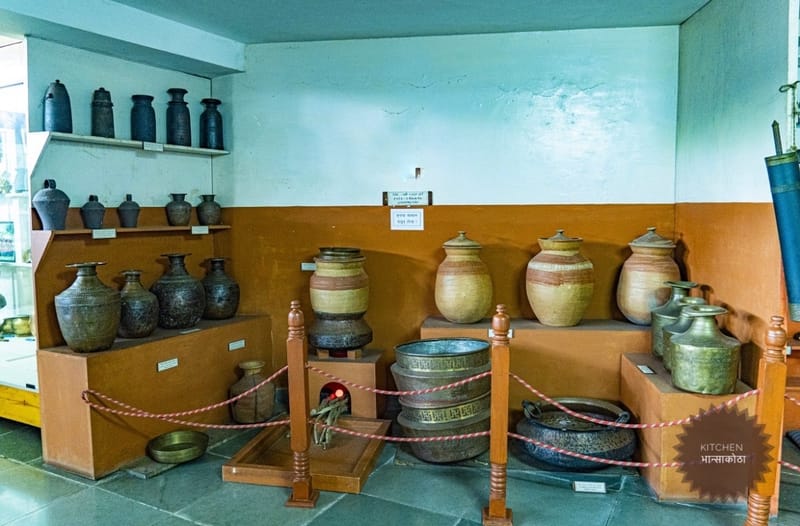
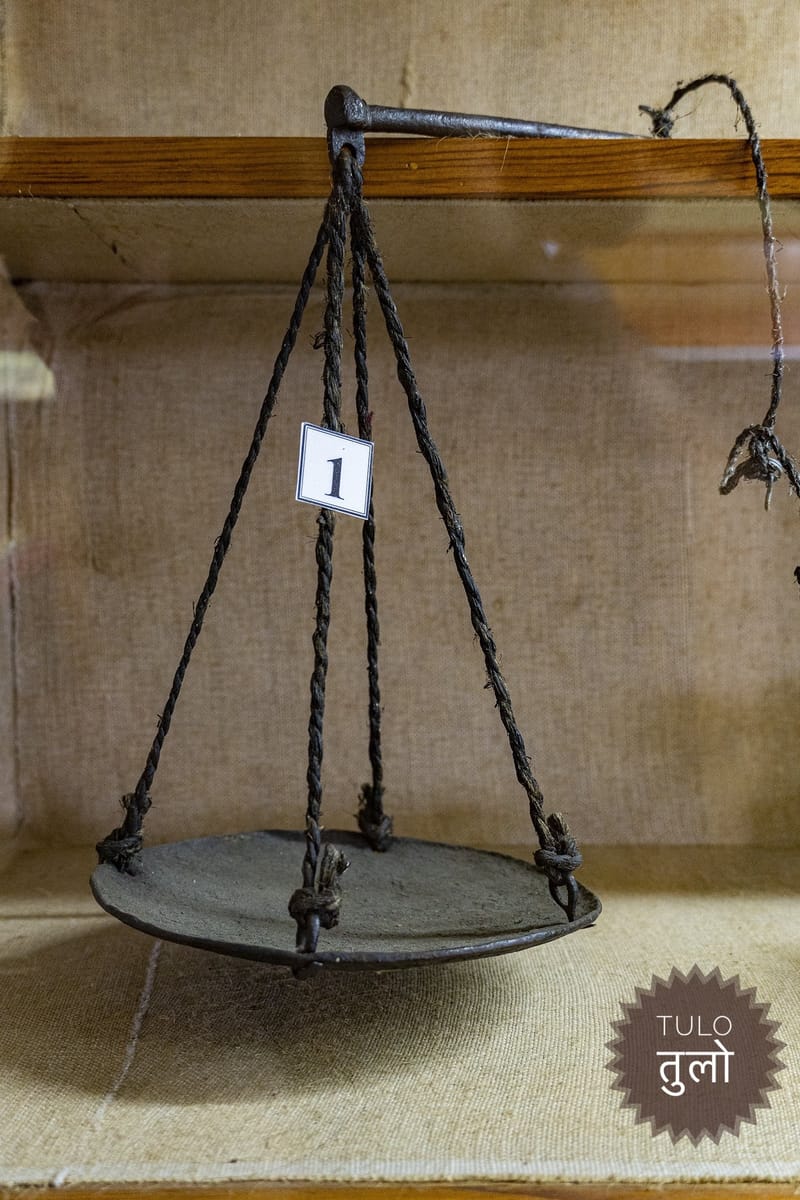
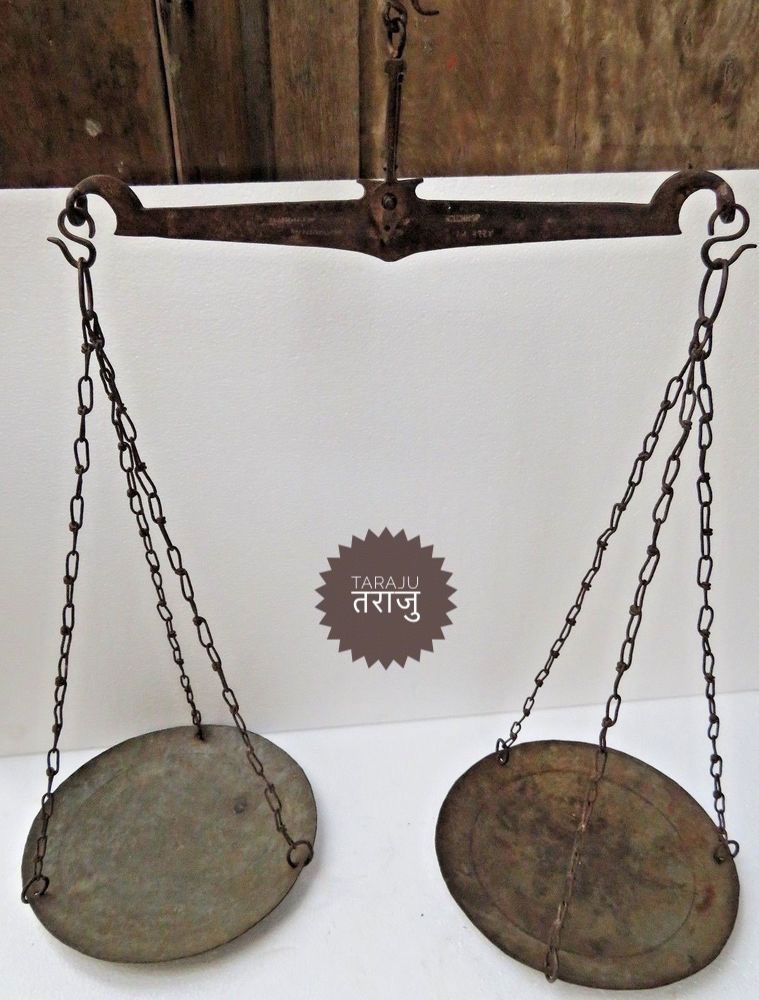
Kirat Traditional Tools and Utensils
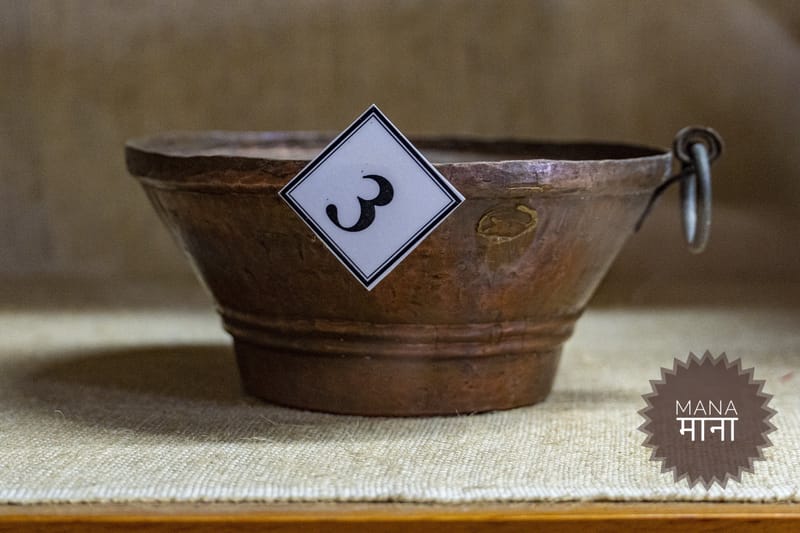
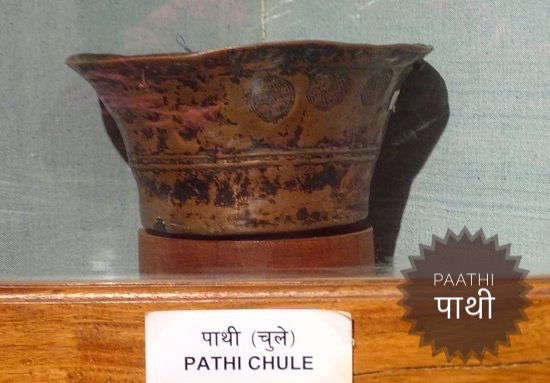
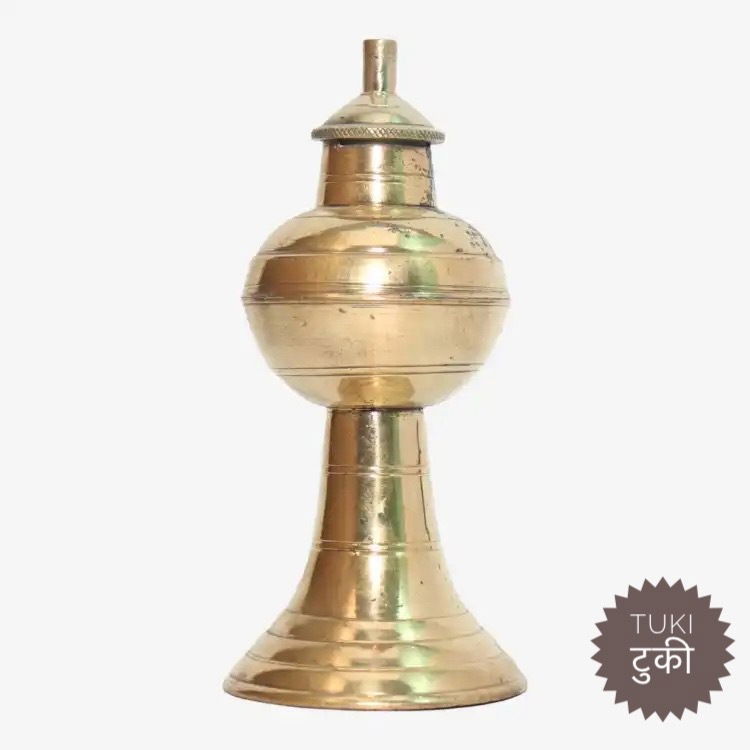
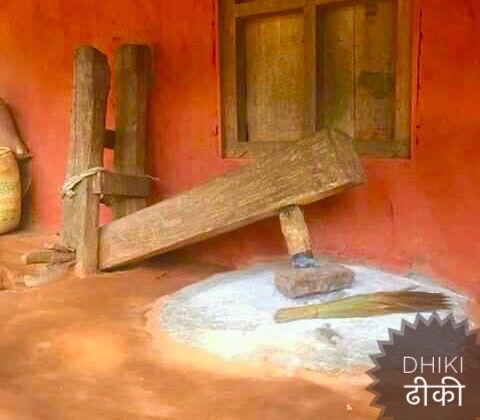
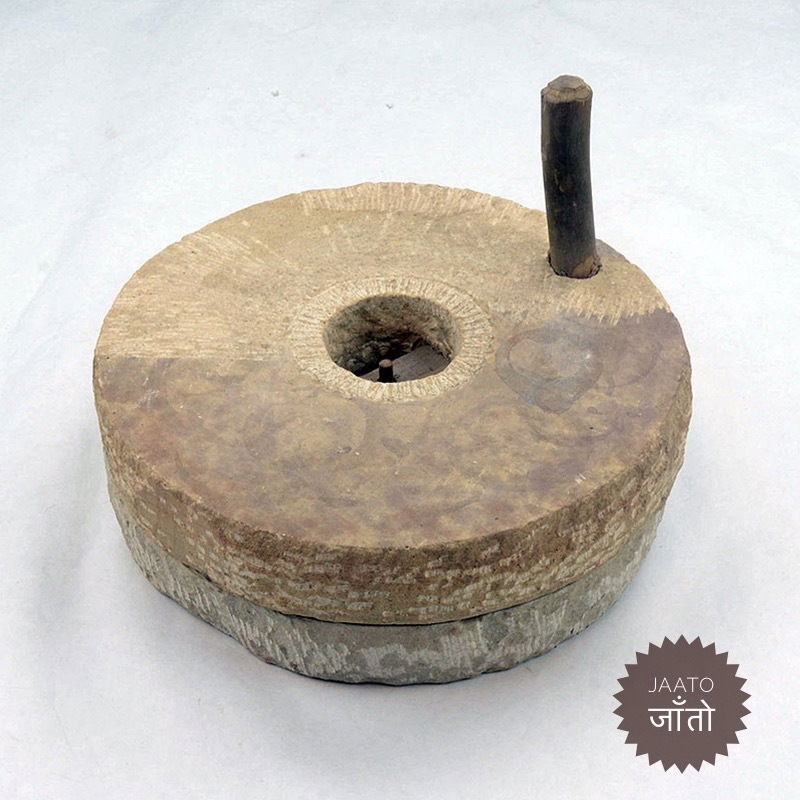
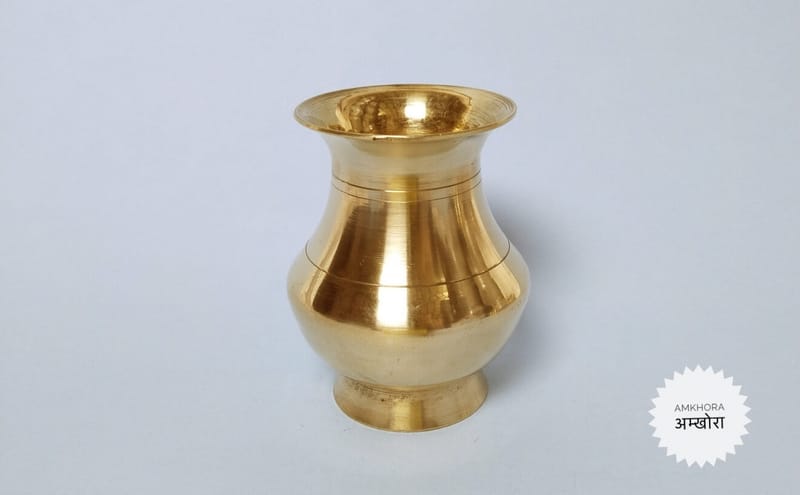
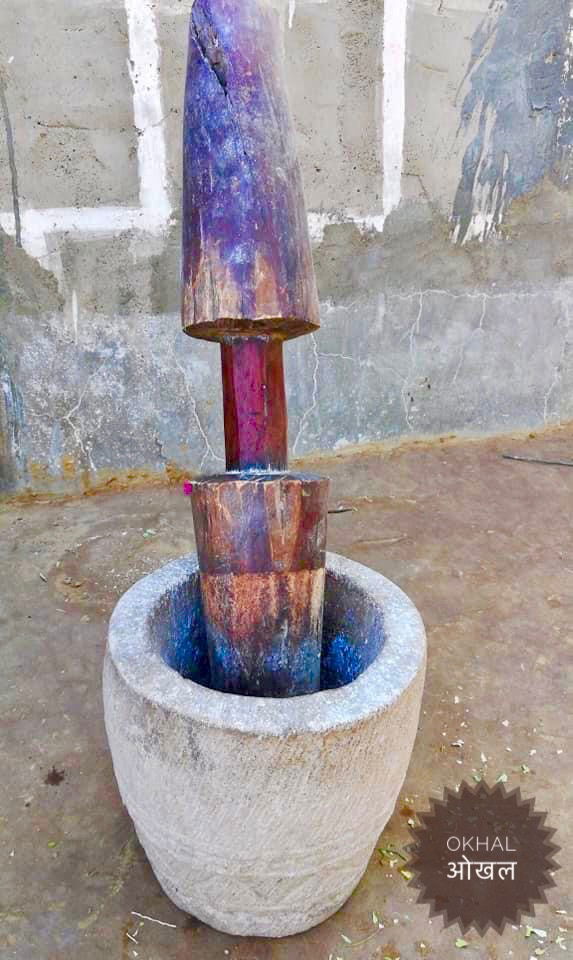
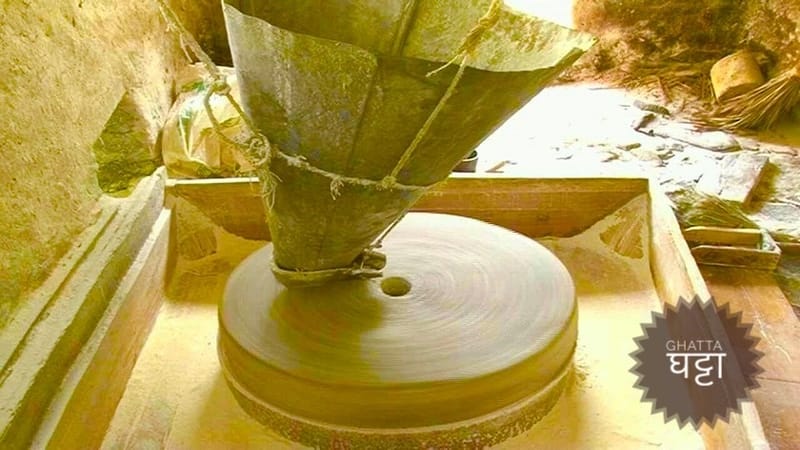
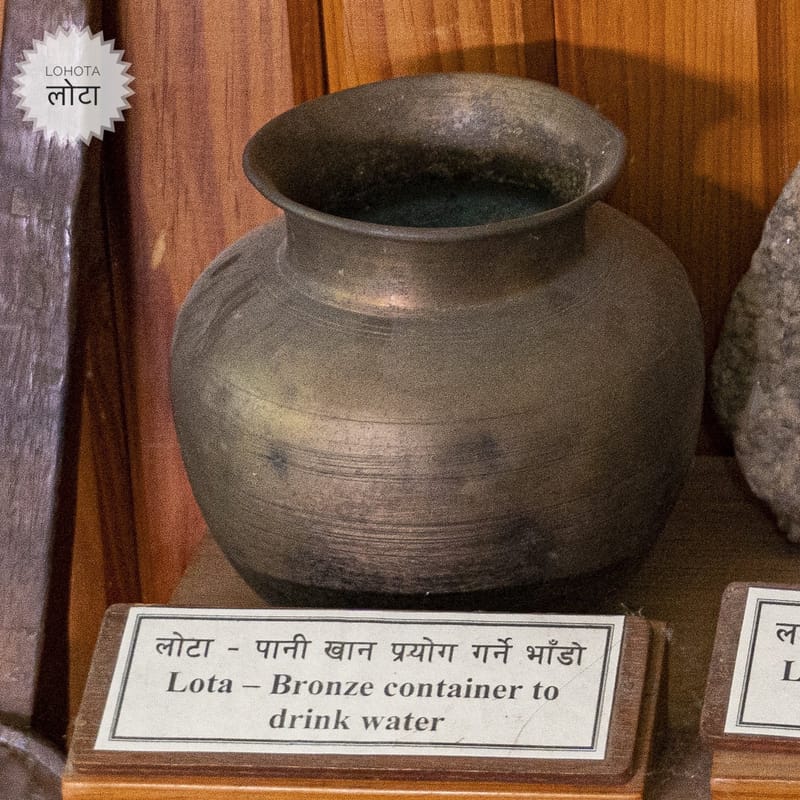
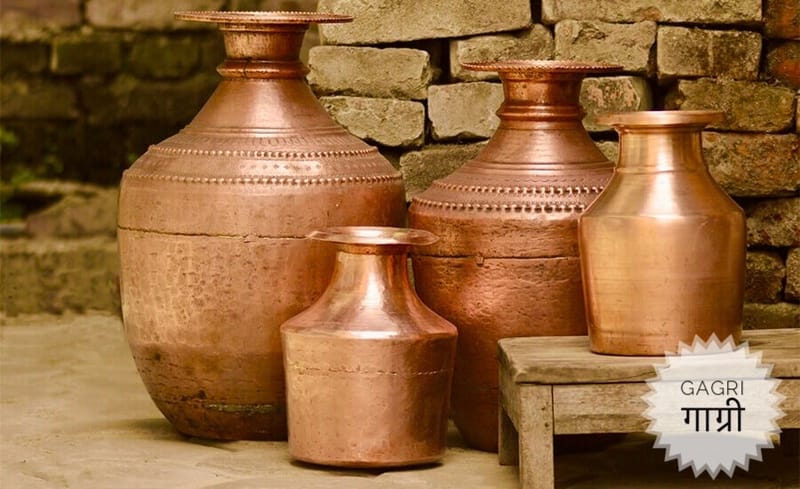
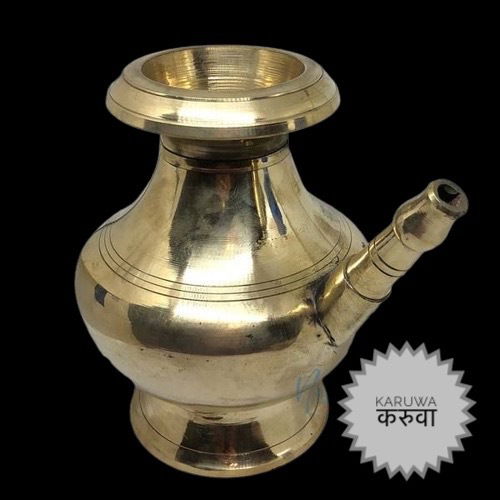
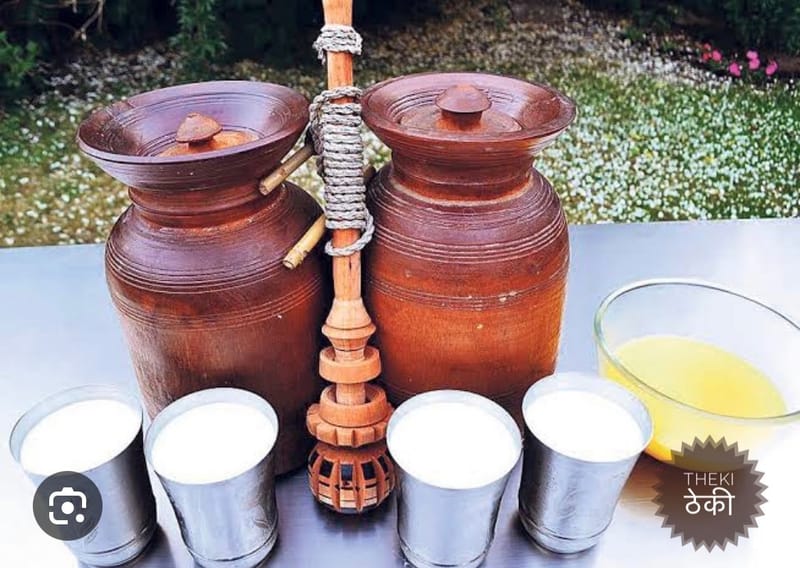
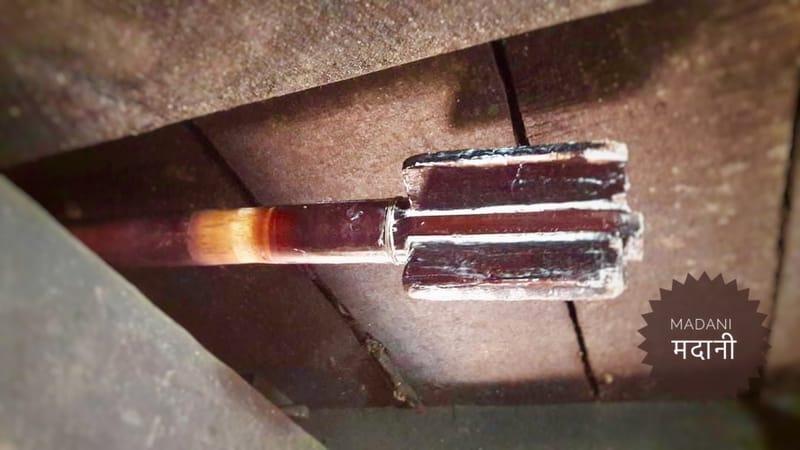
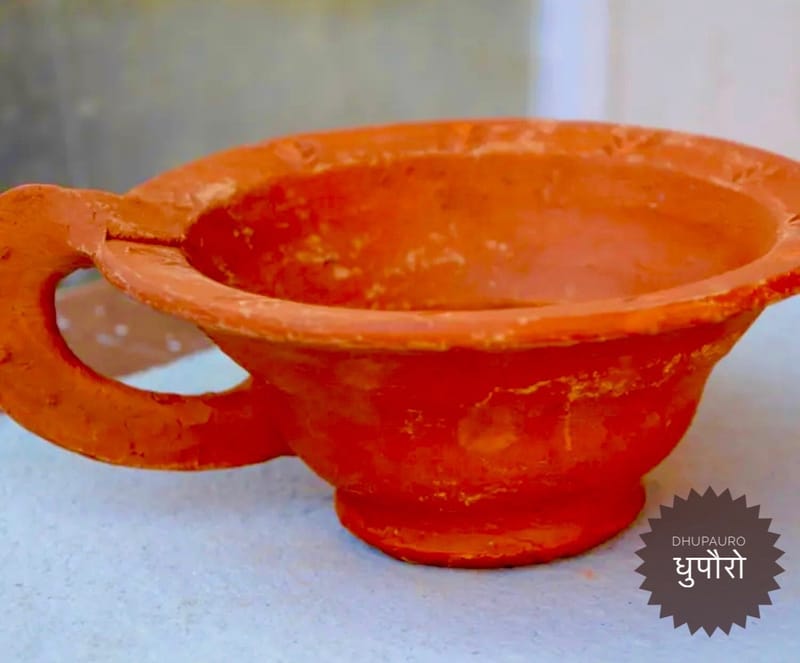
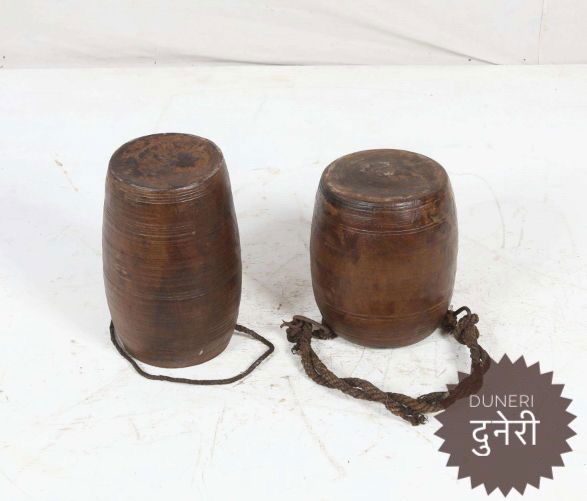
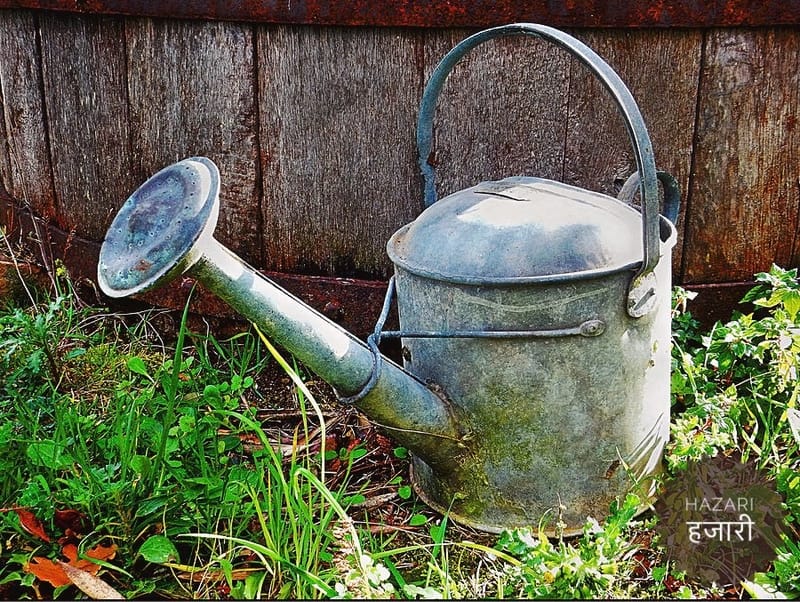
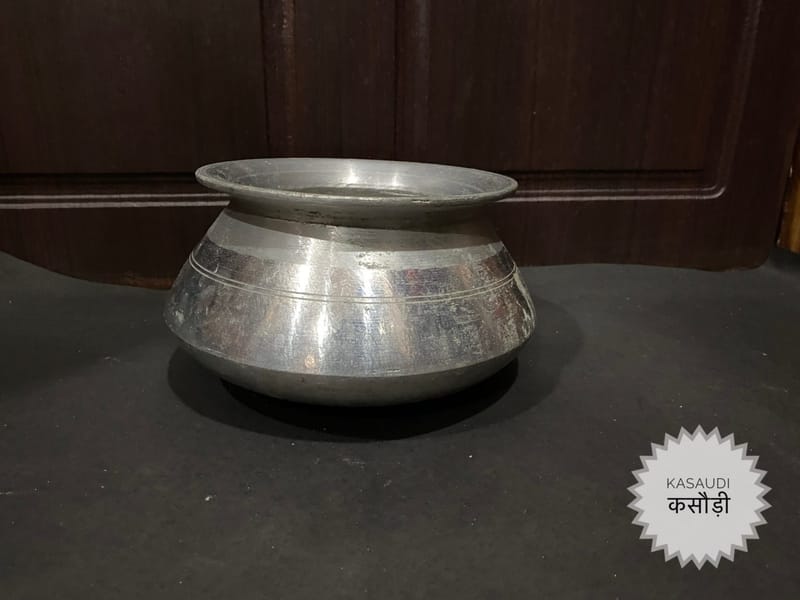
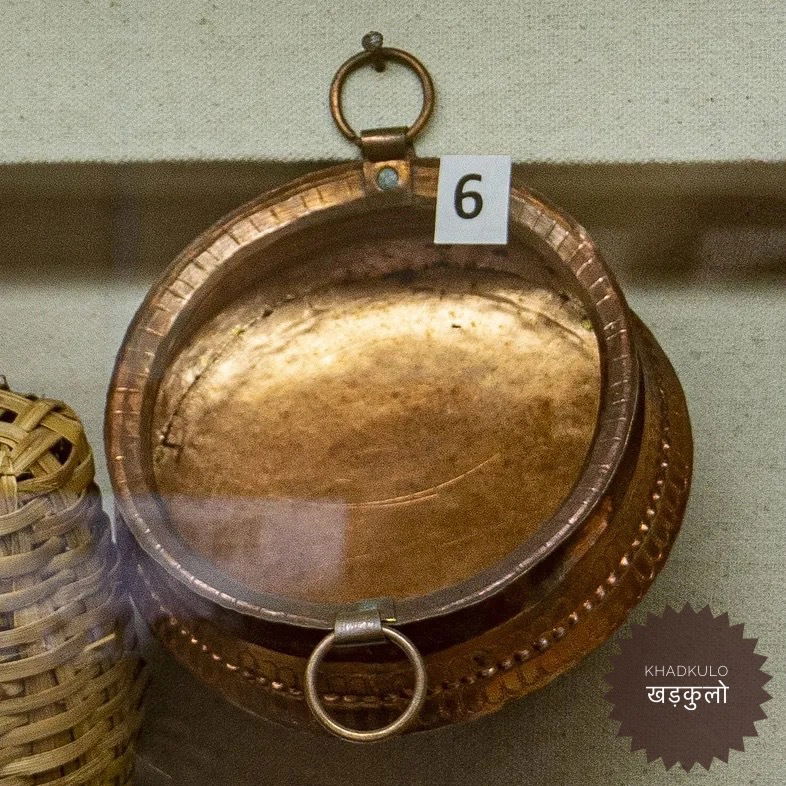
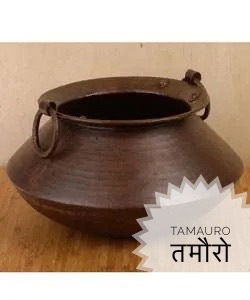
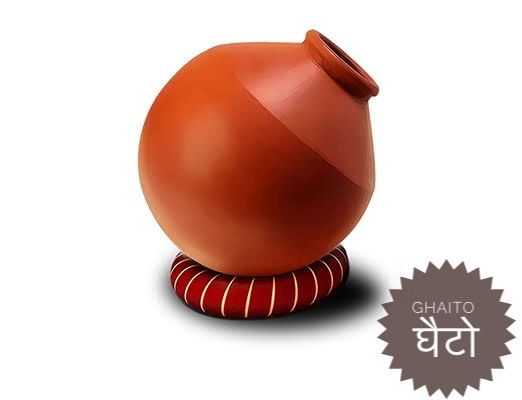
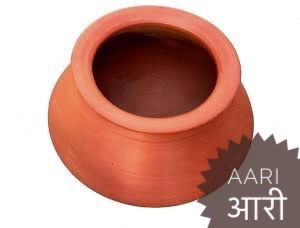
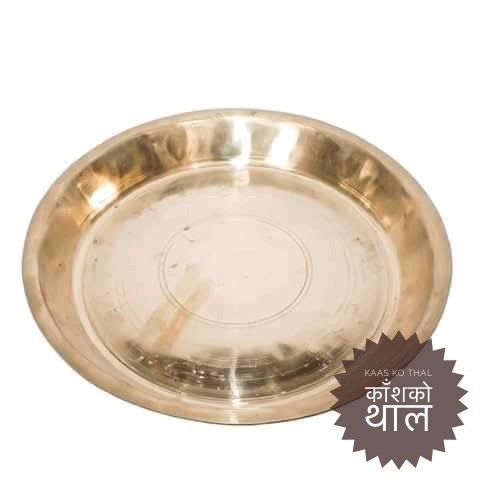
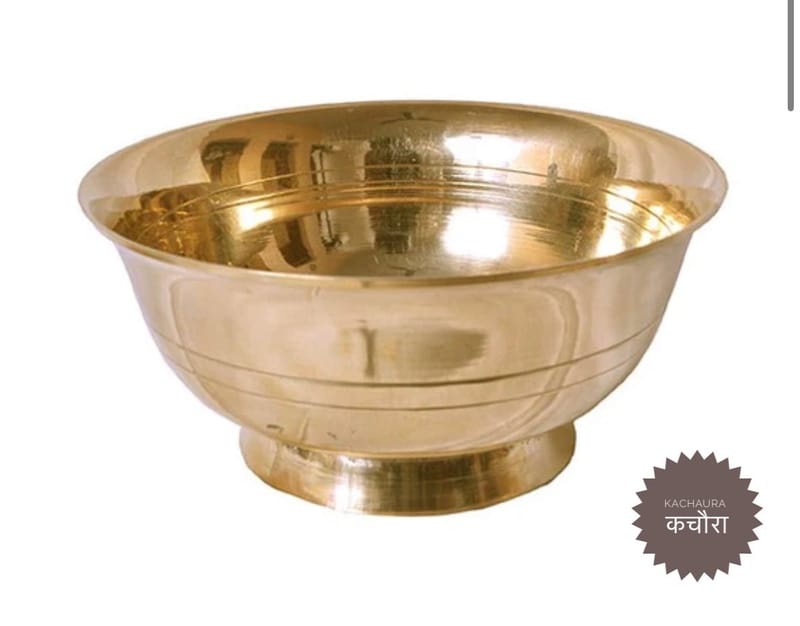
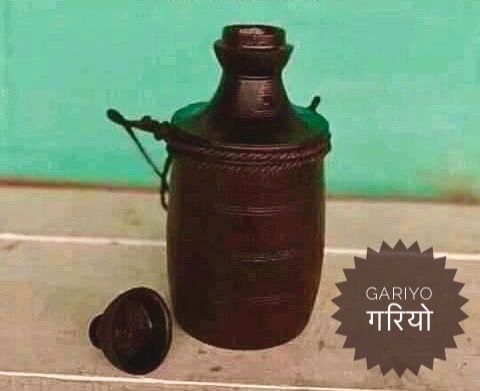
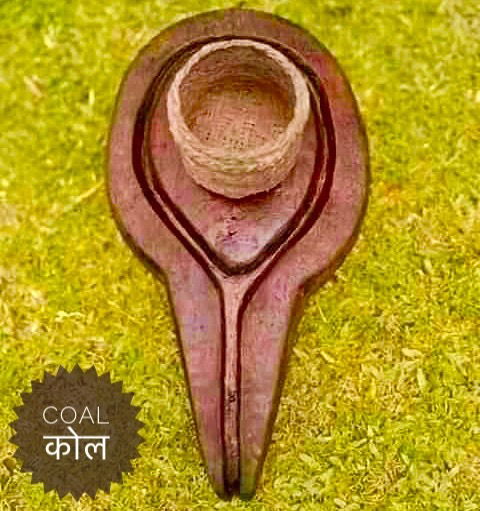
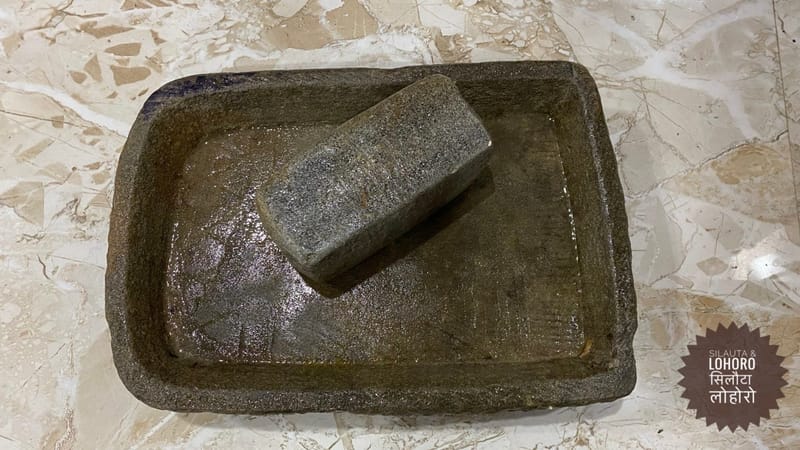
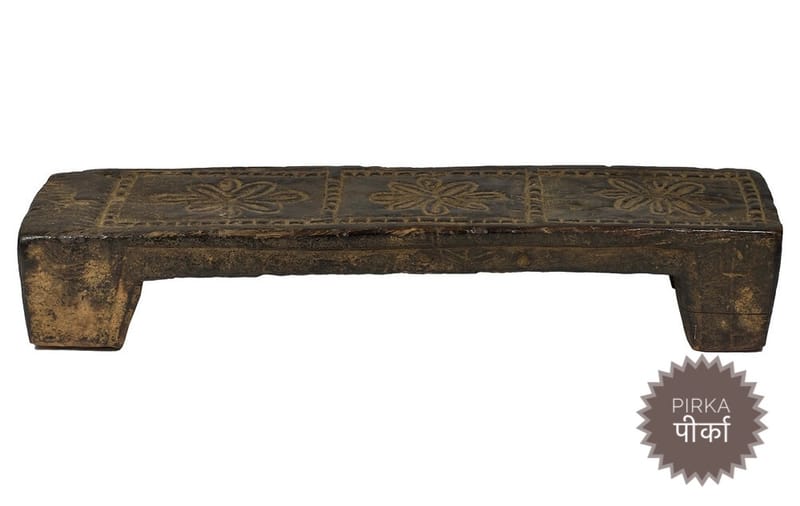
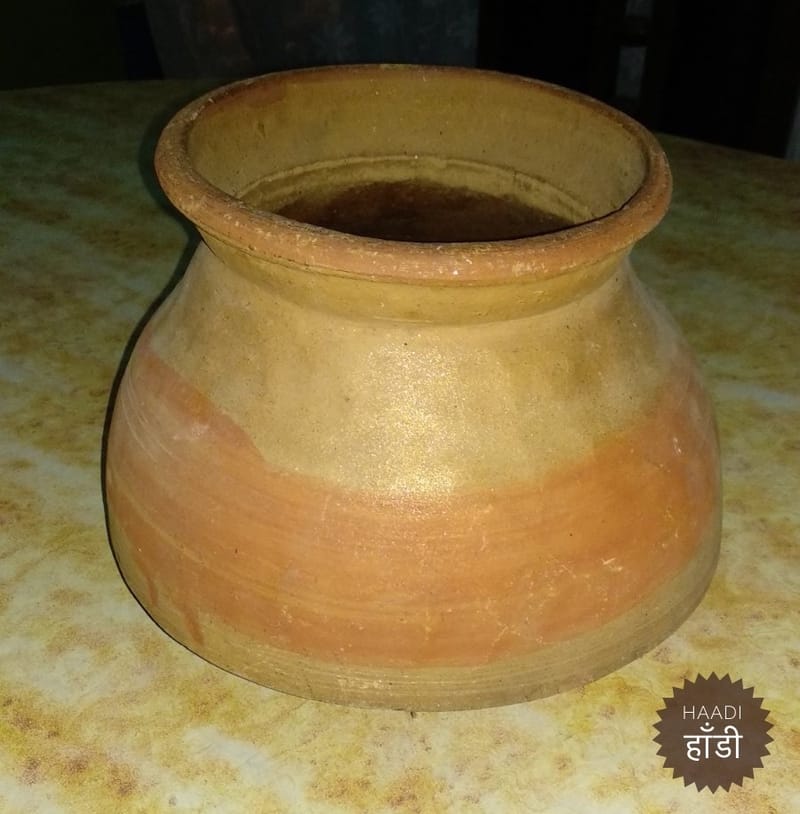
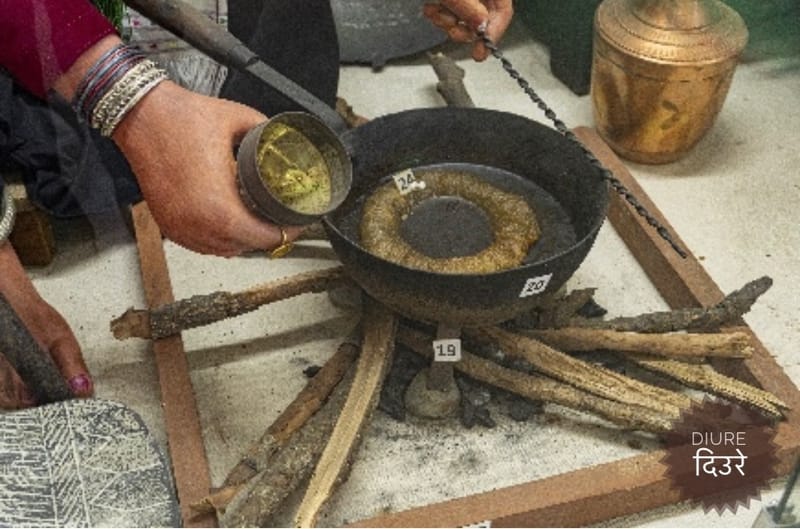
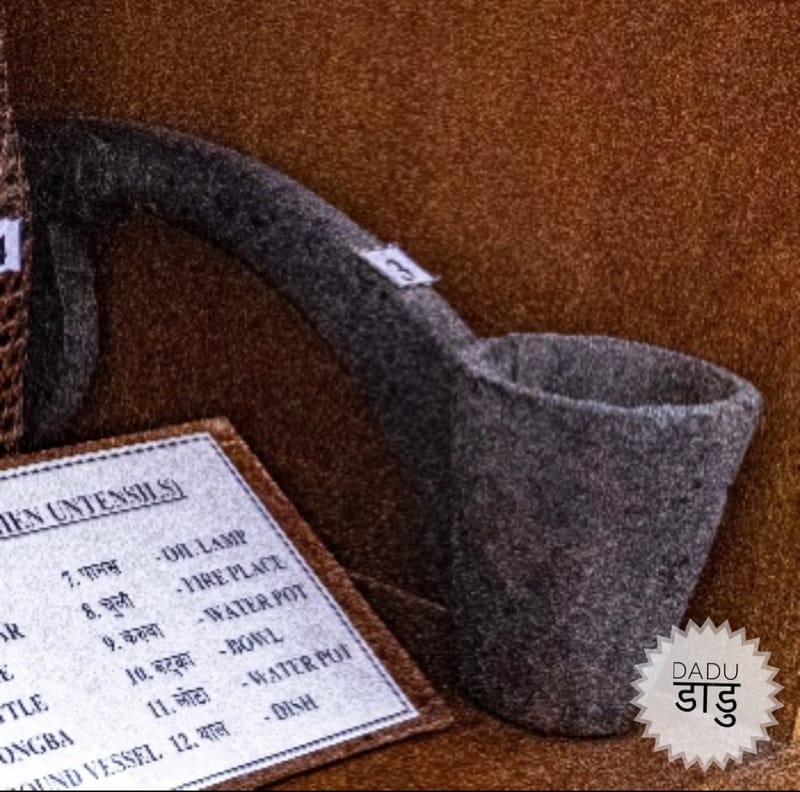
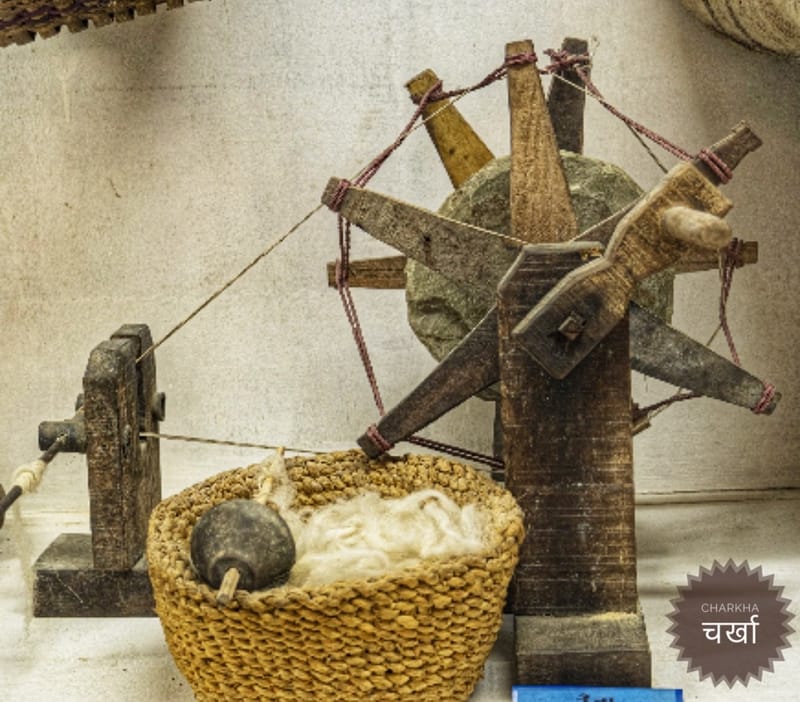
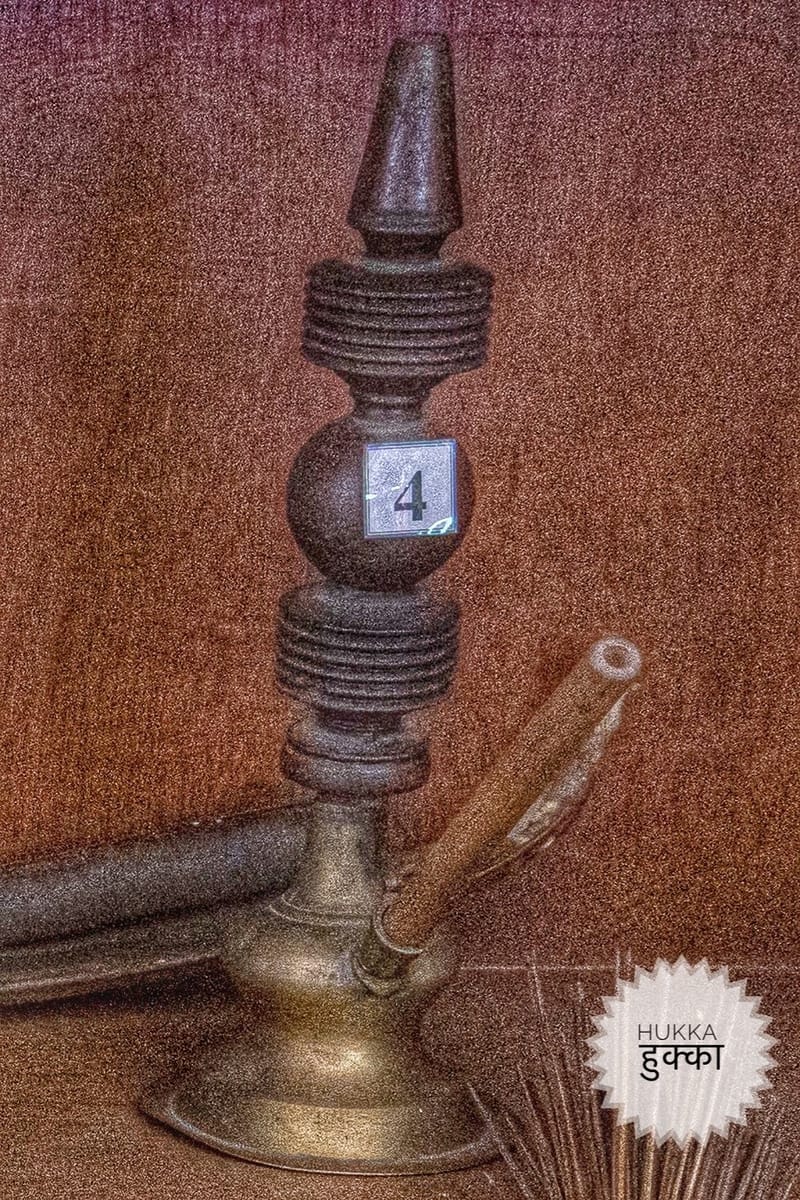
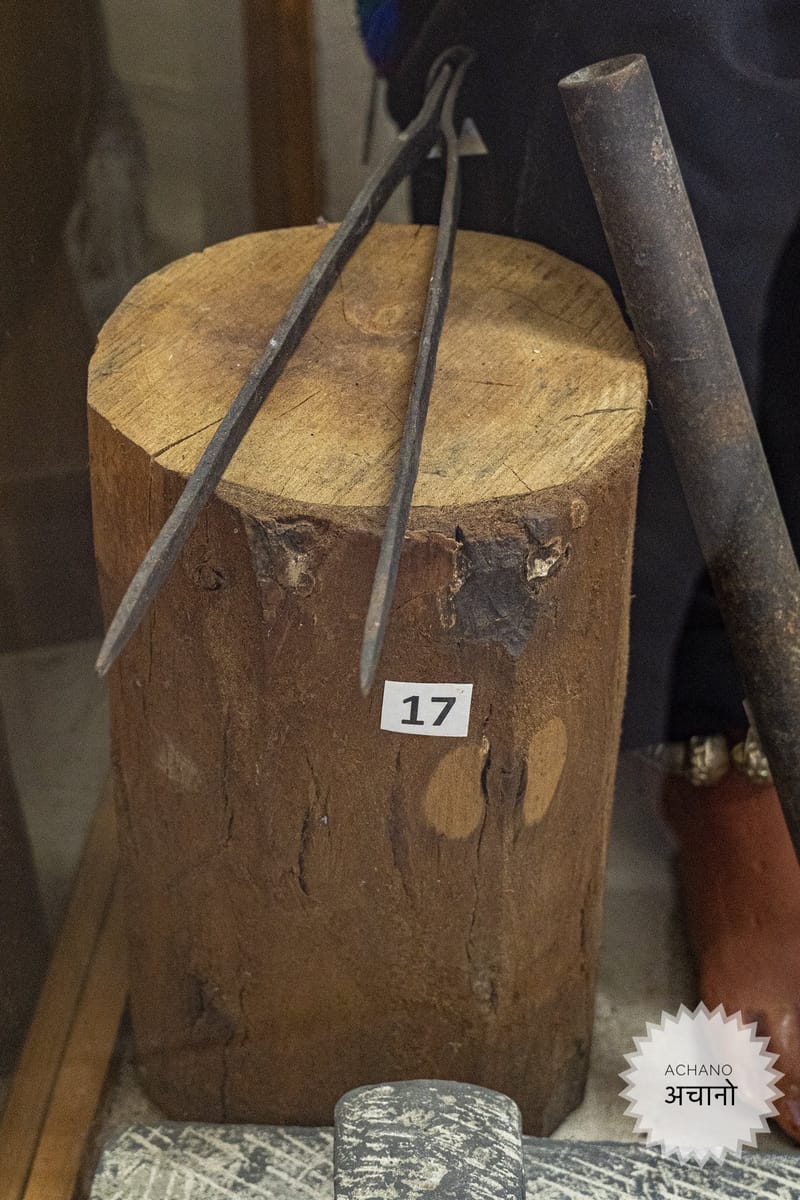
1.Tulo 2.Taraju 3. Mana 4.Pathi (Chule) 5.Tuki 6.Dhiki 7. Jaato 8.Ghatta 9.Okhal 10.Amkhora 11.Lohota 12.Gagri 13.Karuwa 14.Theki 15.Madani 16. Duneri 17.Hajaari 18.Dhupauro 19.Khadkulo/Taulo 20.kasaudi(Bhattu)21.Ghaito 22.Tamauro 23.Aari 24.Kaas ko Thaal 25.Kachaura 26.Gariyo 27.Coal 28.Silauta & Lohoro 29.pirka 30.Haadi 31.Kaptera 32.Jhir 33.Gilas 34.Batuko 35.Diure 36.Dadu 37.Charkha 38.Hukka 39.Achano
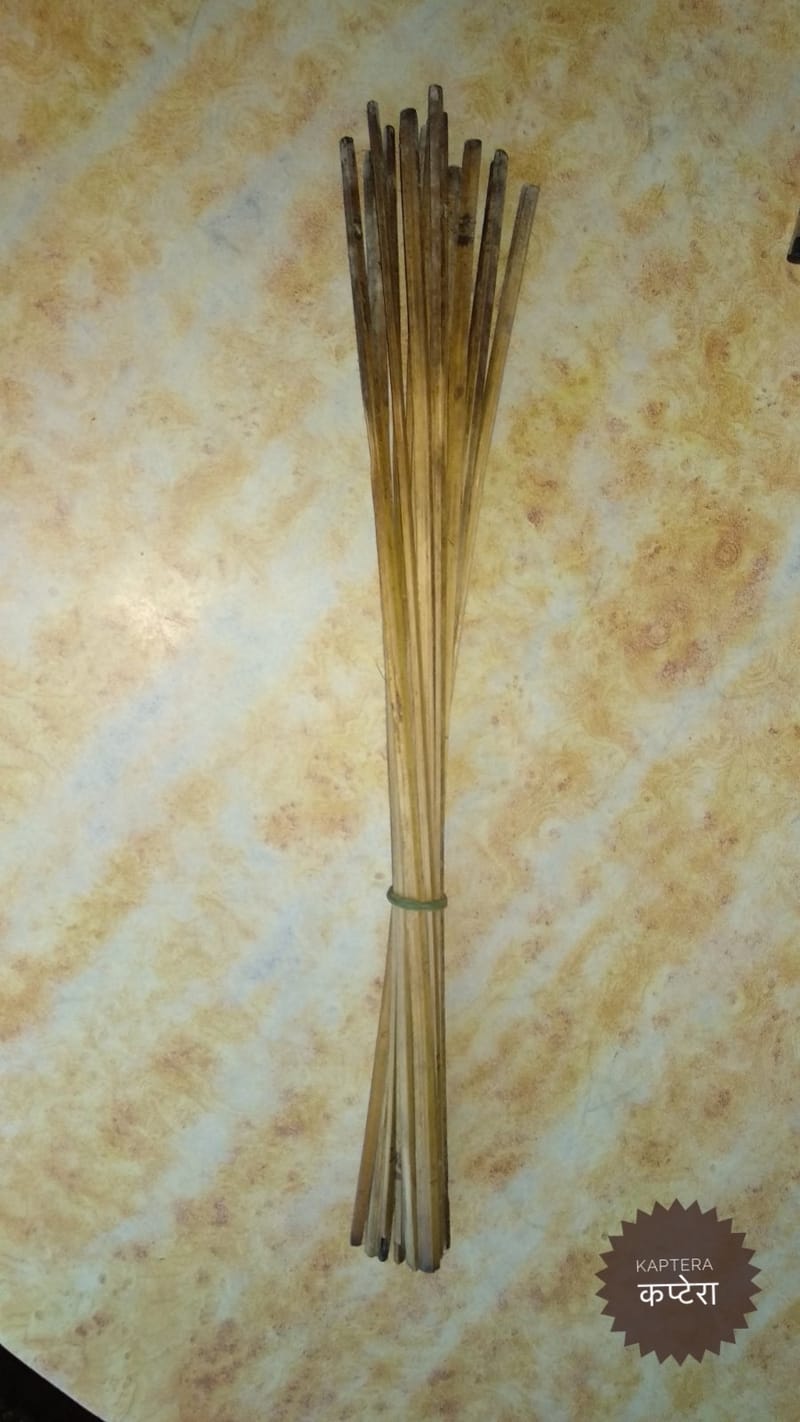
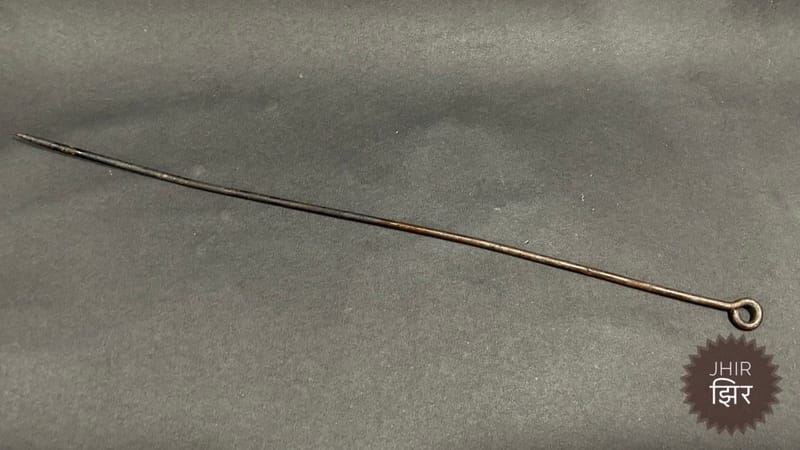
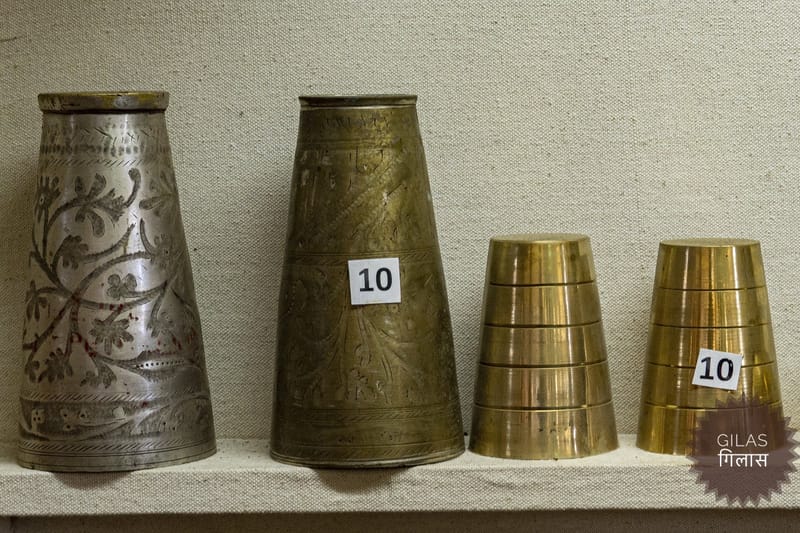
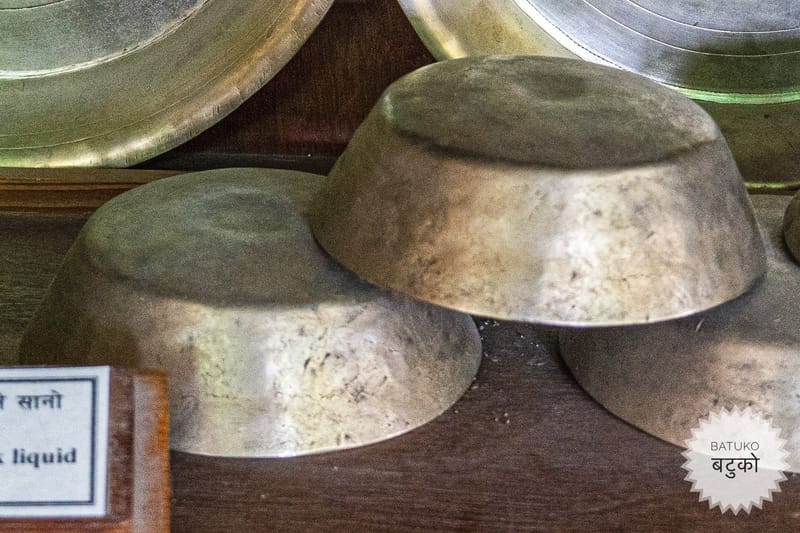
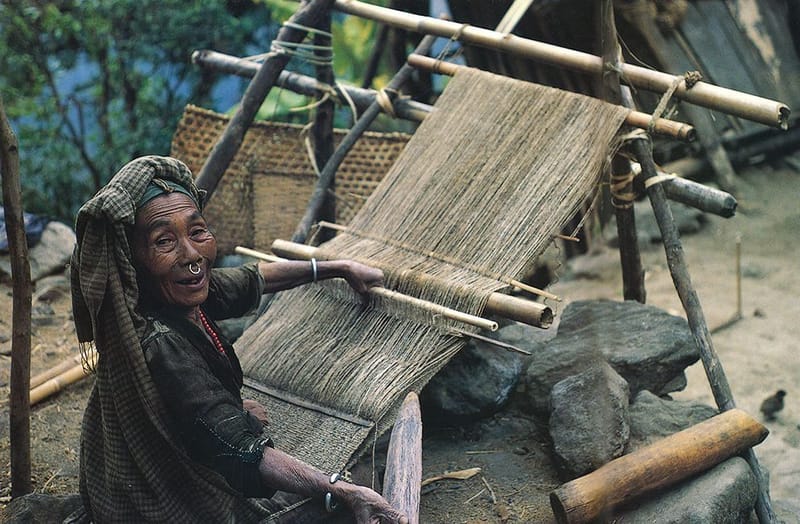
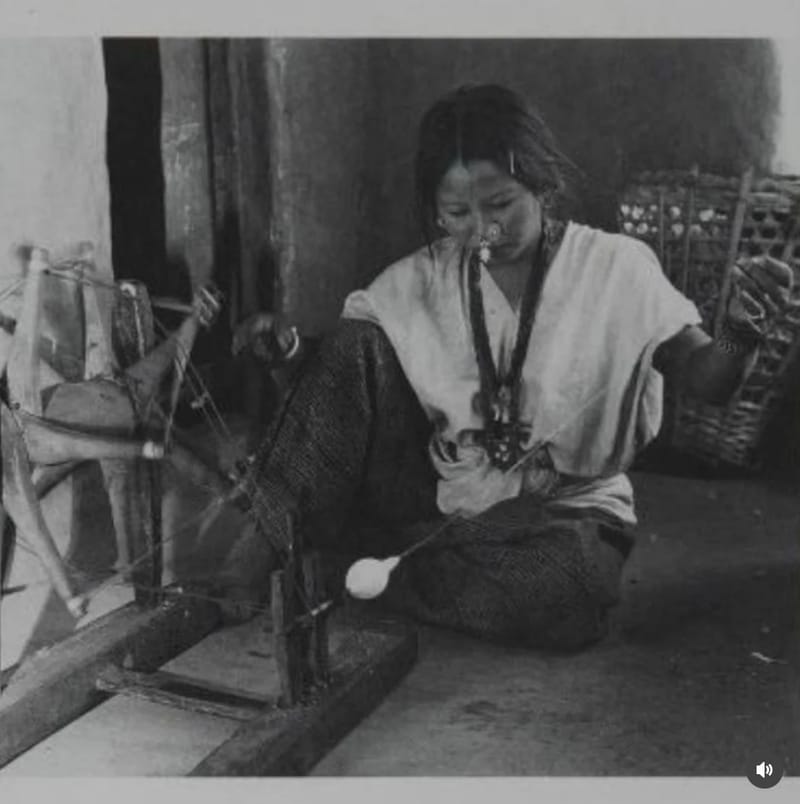
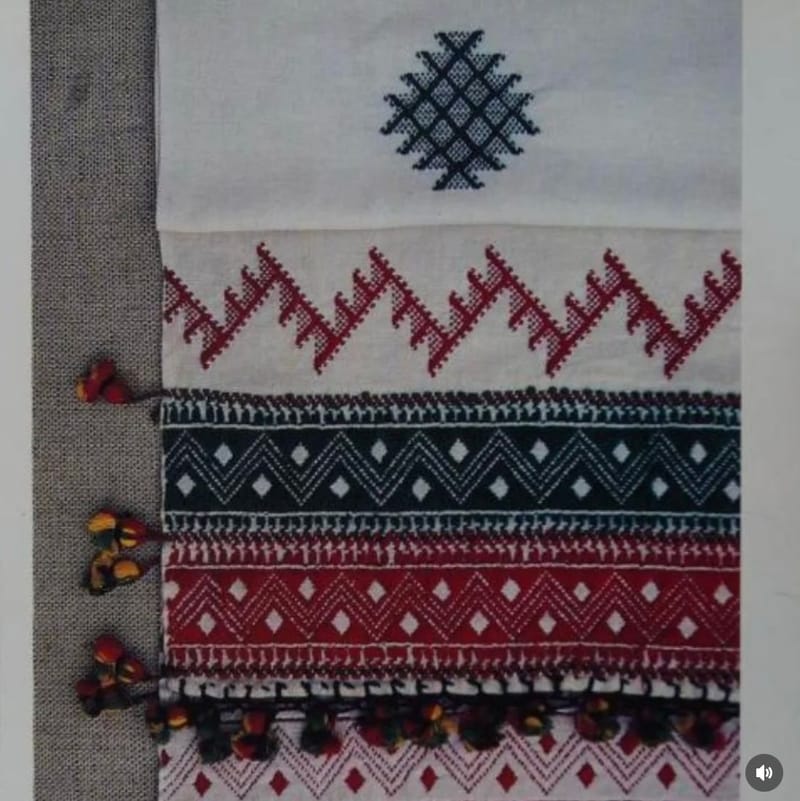
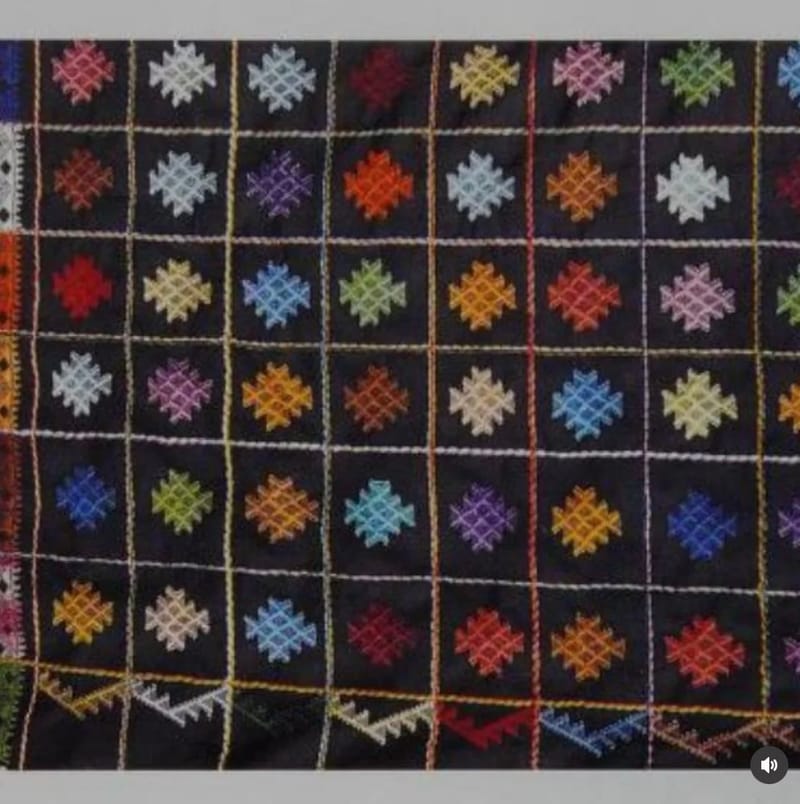
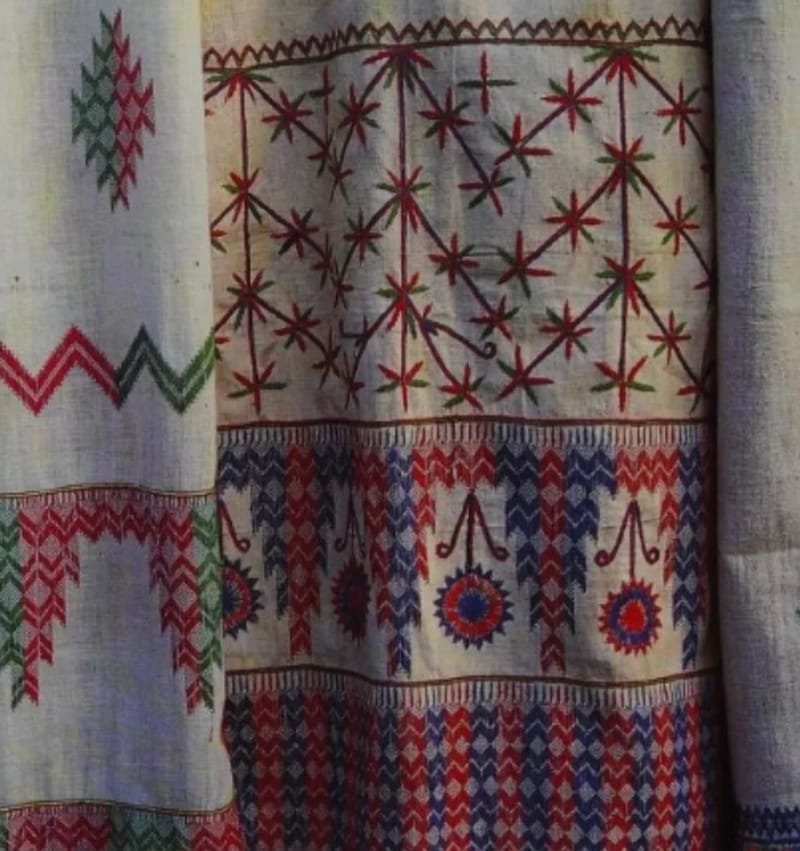
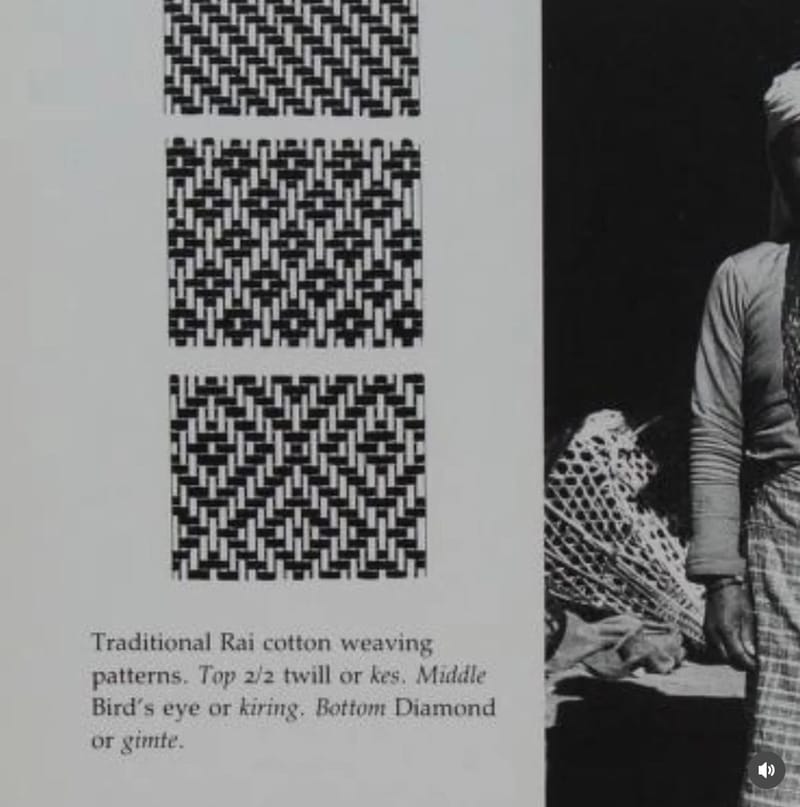
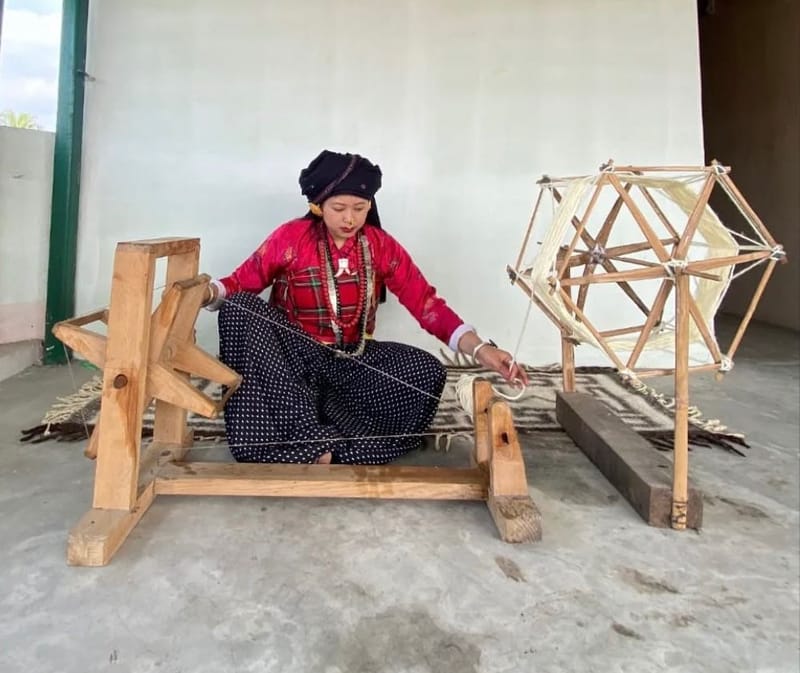
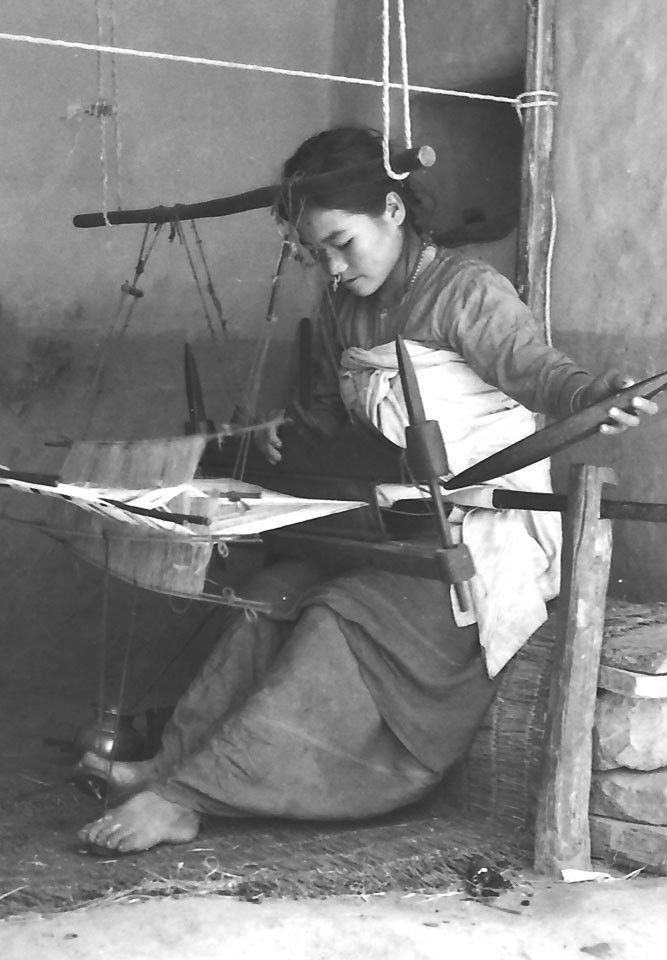
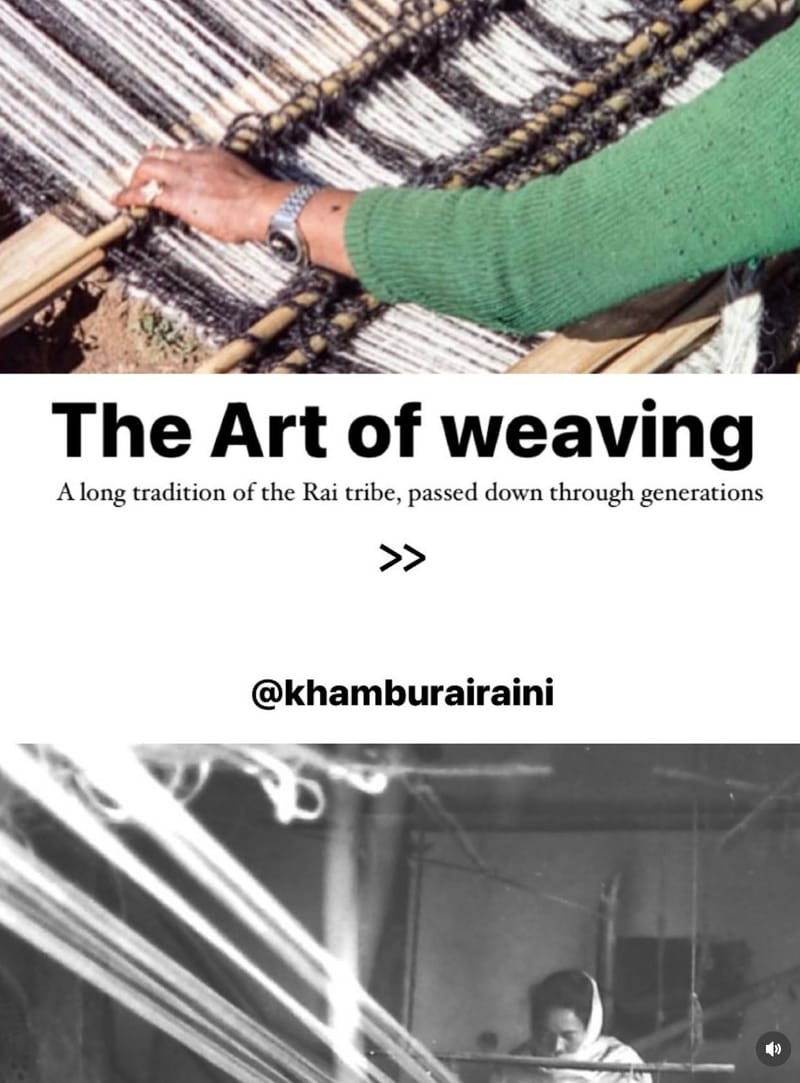
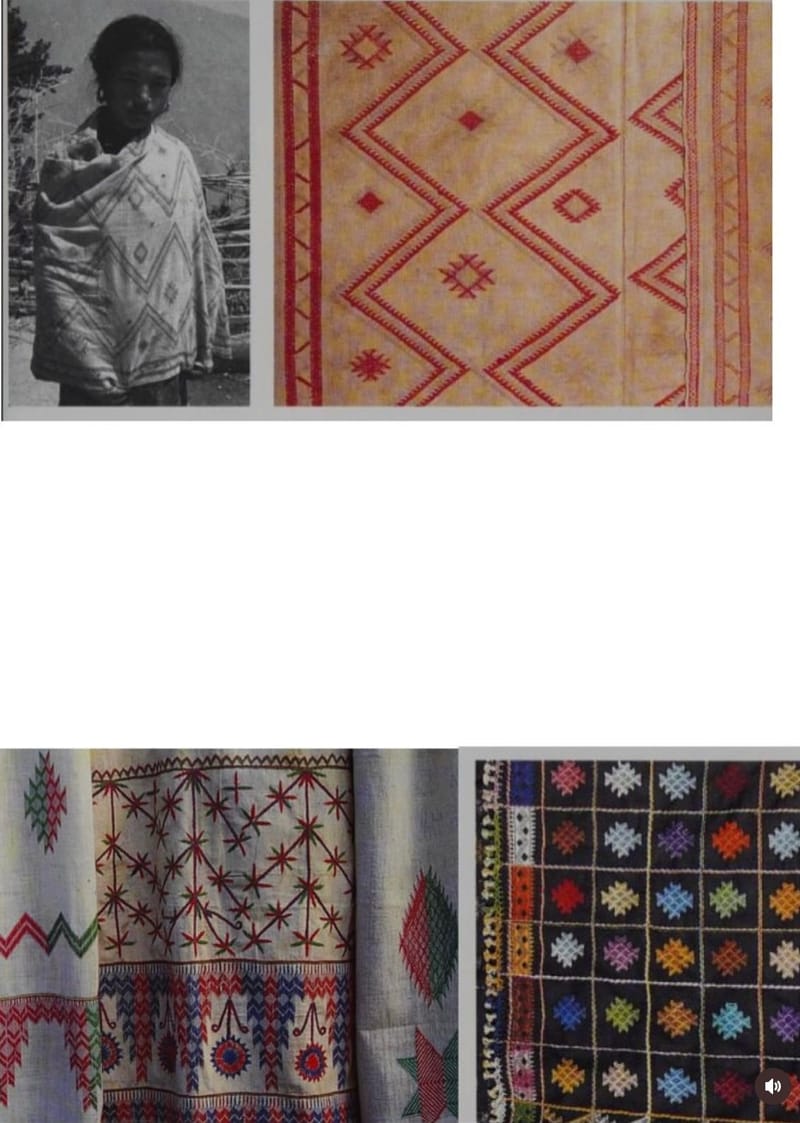
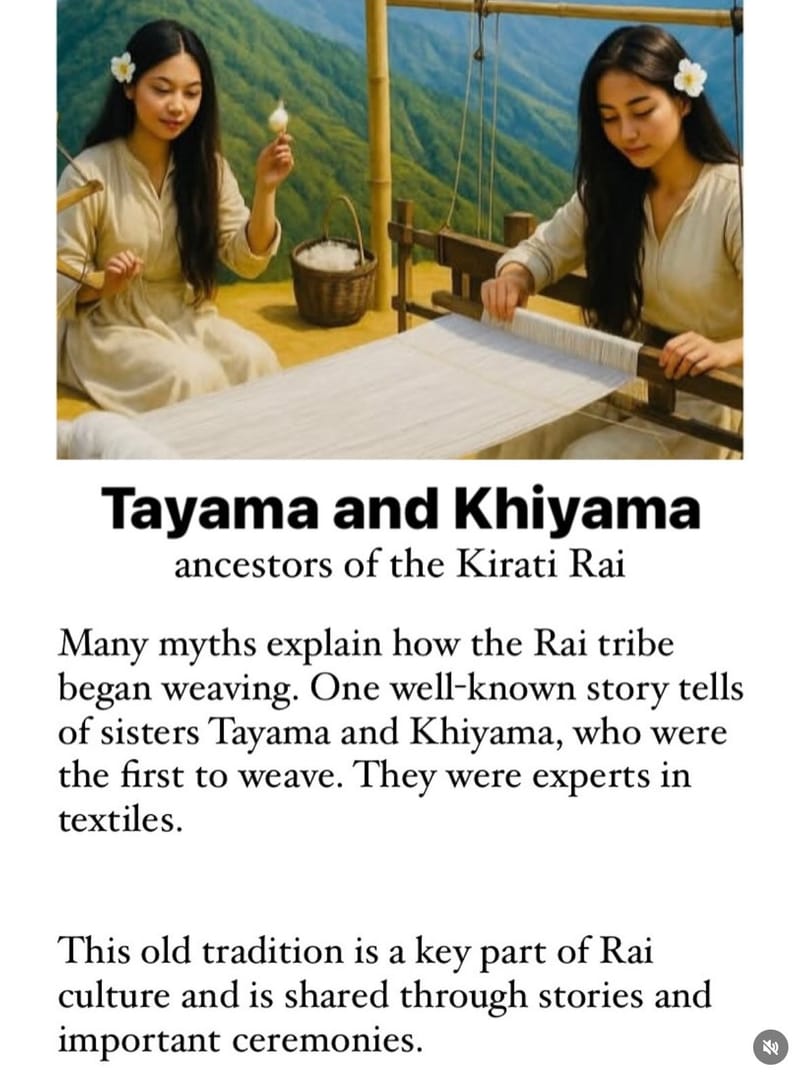
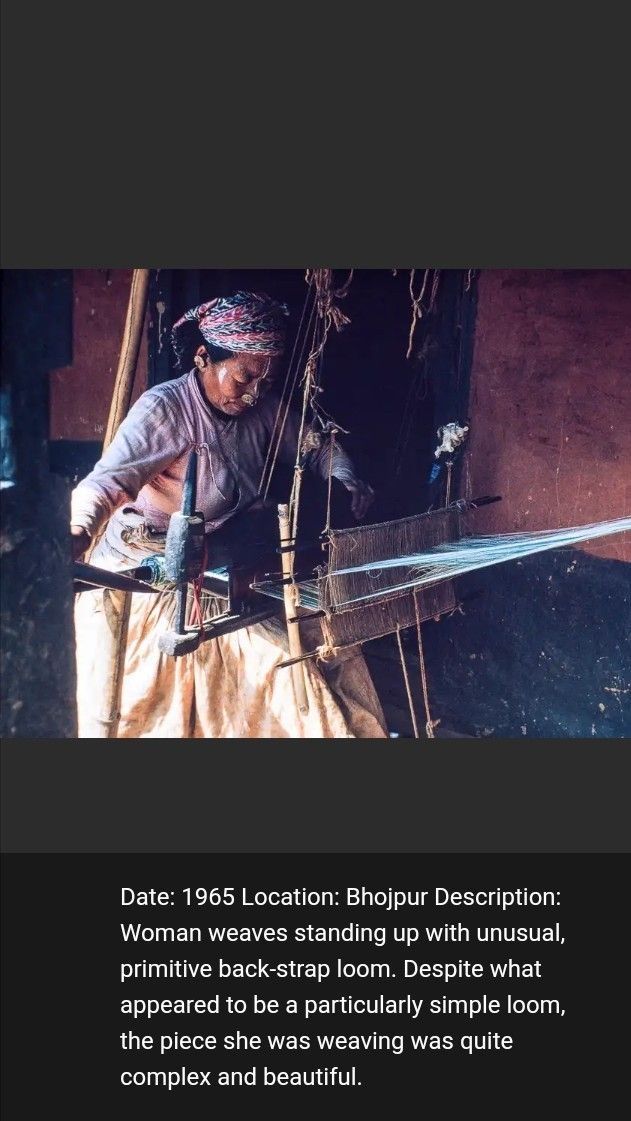
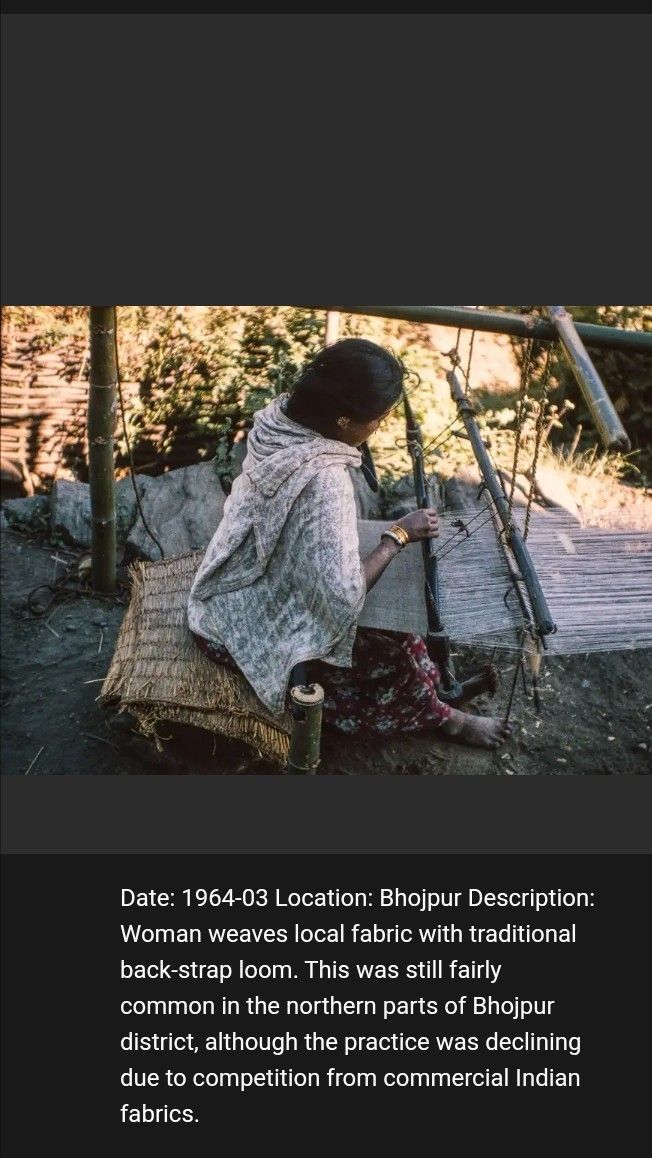
Traditional weaving craft
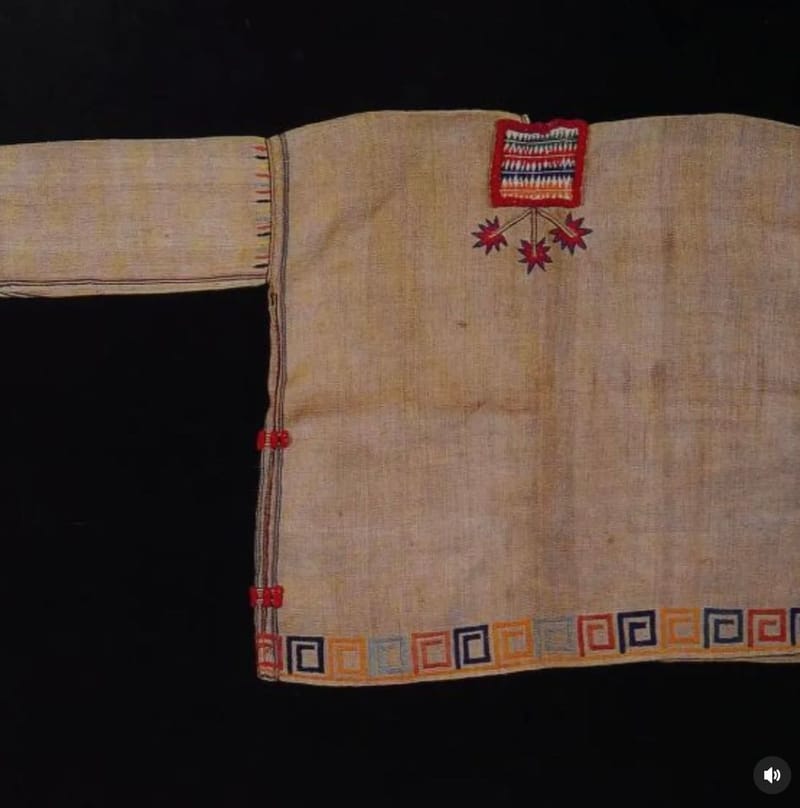
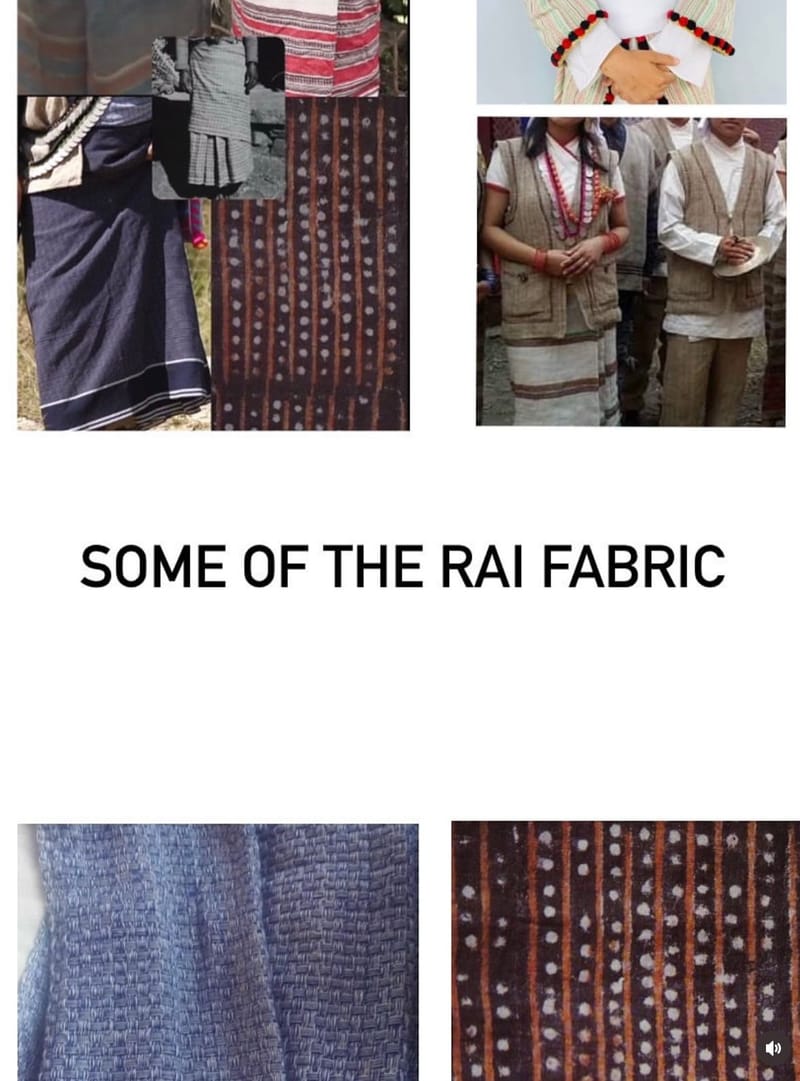
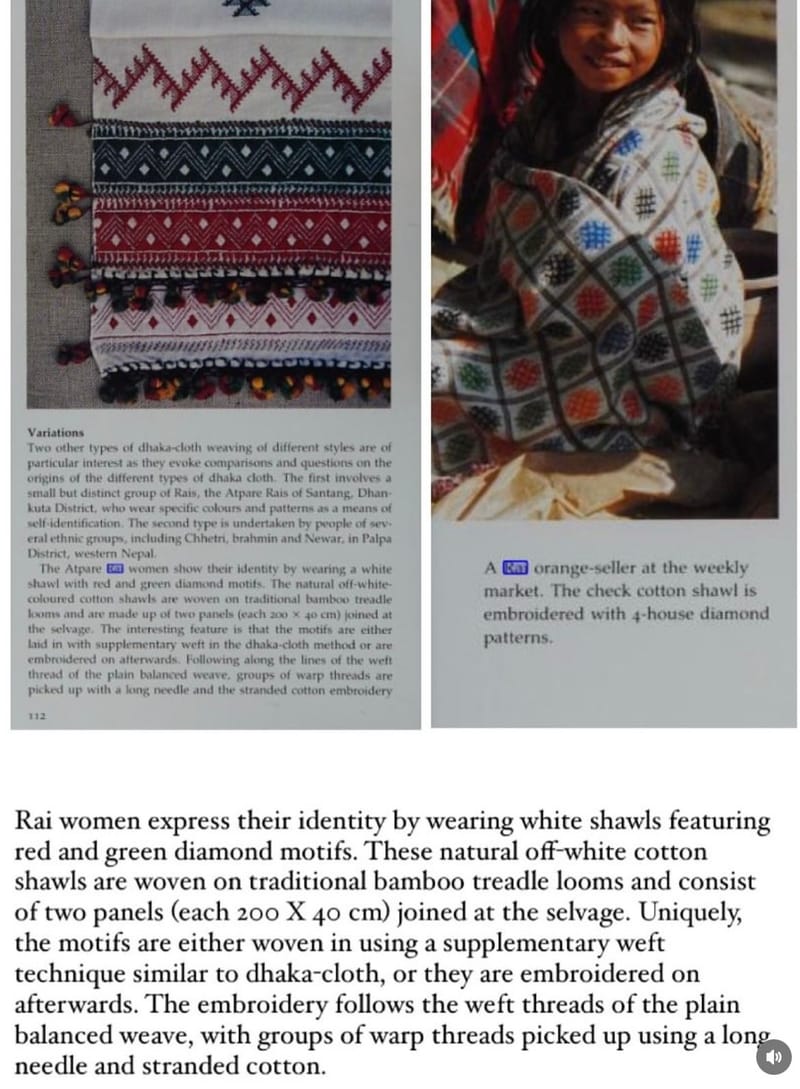
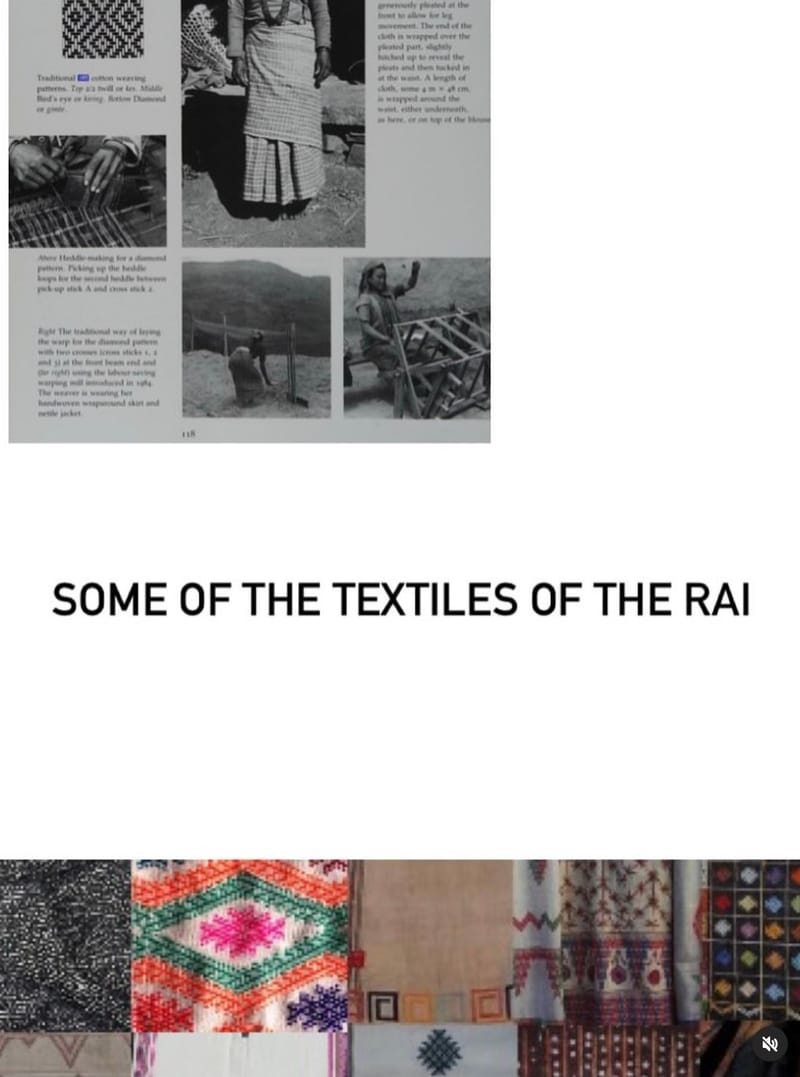
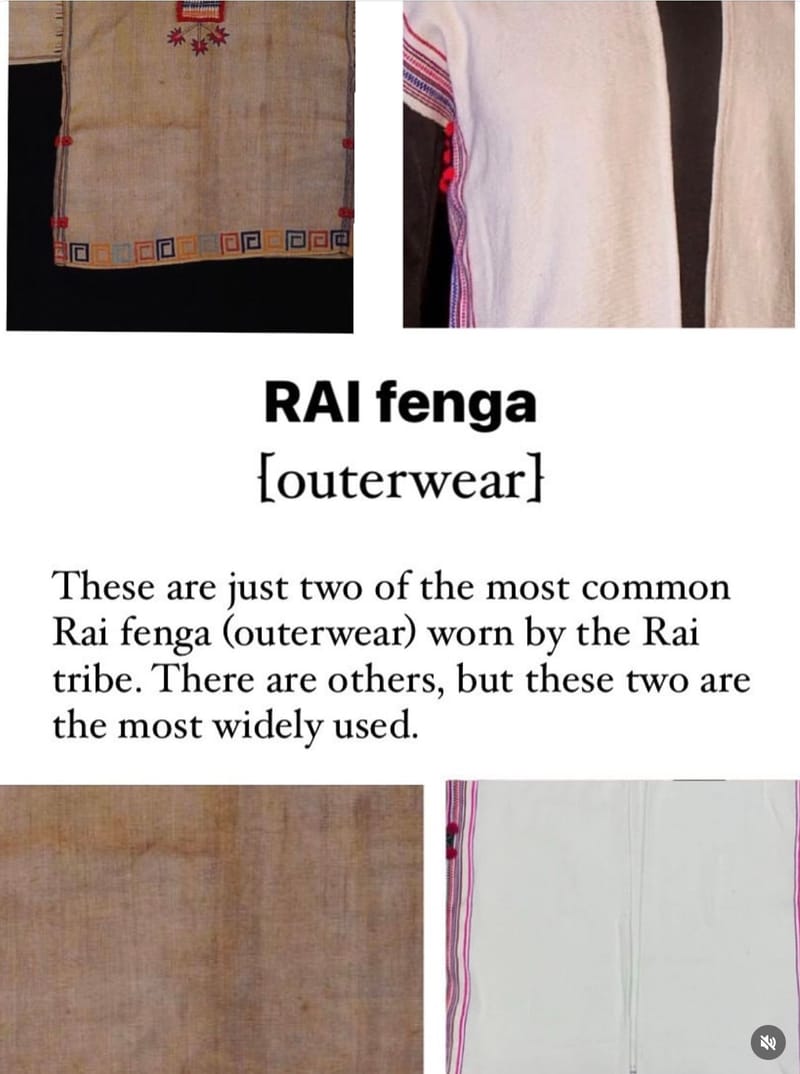
The traditional embroidered garments such as Mazetro, Fenga, and Chhitasin (Phariya) hold deep cultural and artistic significance within the Rai community. These beautiful handwoven and hand-embroidered textiles are especially worn by the Aathpahariya Rai, Thulung Rai, Kulung Rai, Bantawa Rai, Bayung Rai, Nachhiring Rai, Lohorung Rai, Mewahang Rai, and Yamphu Rai, among others.
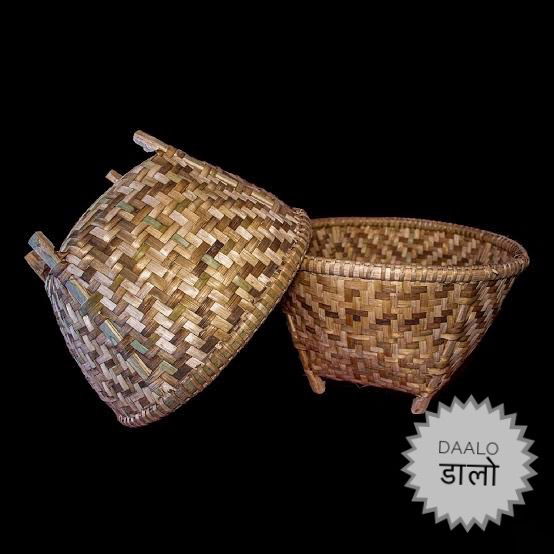
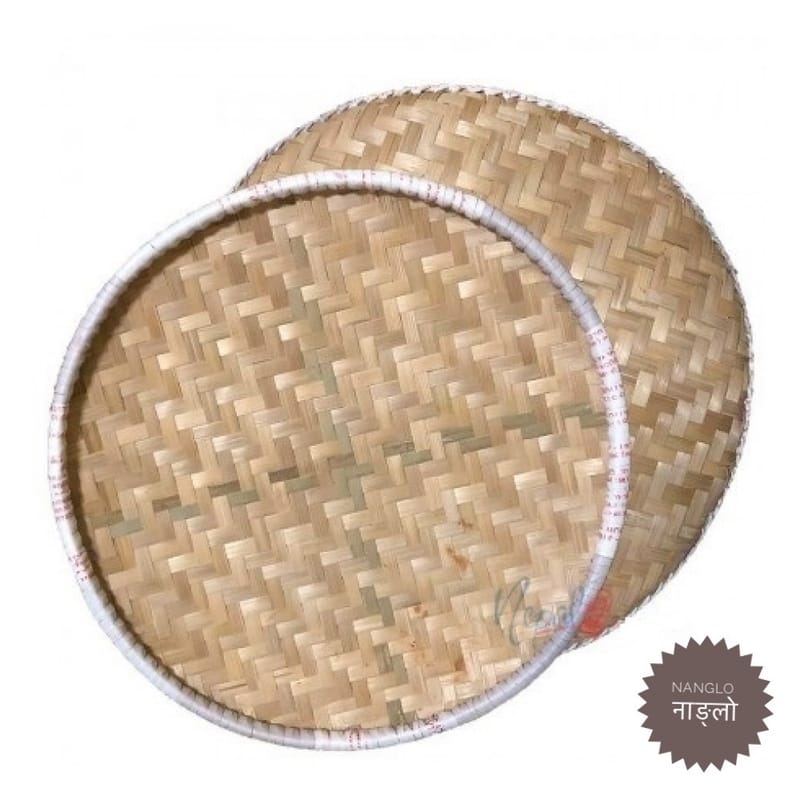
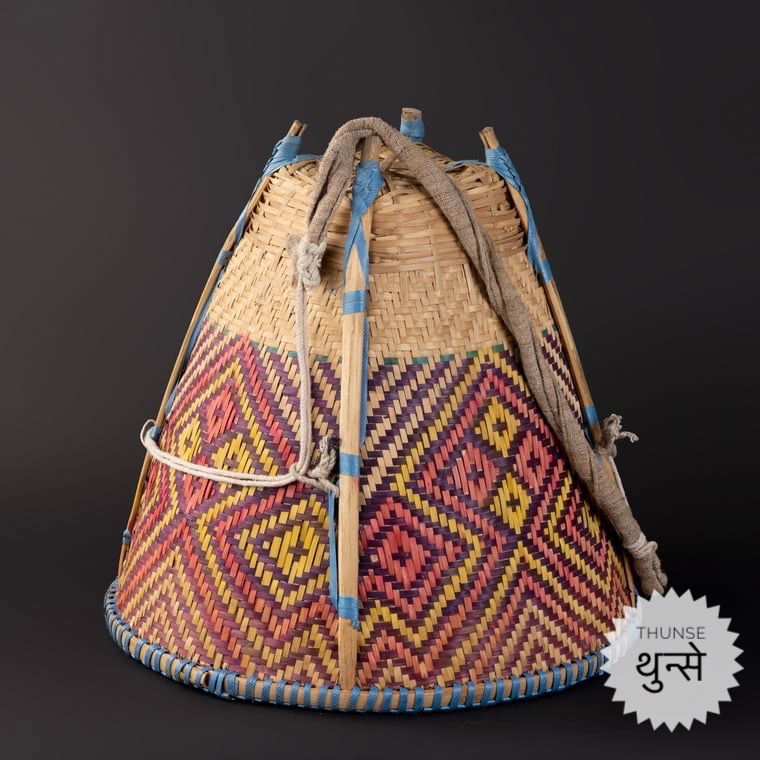
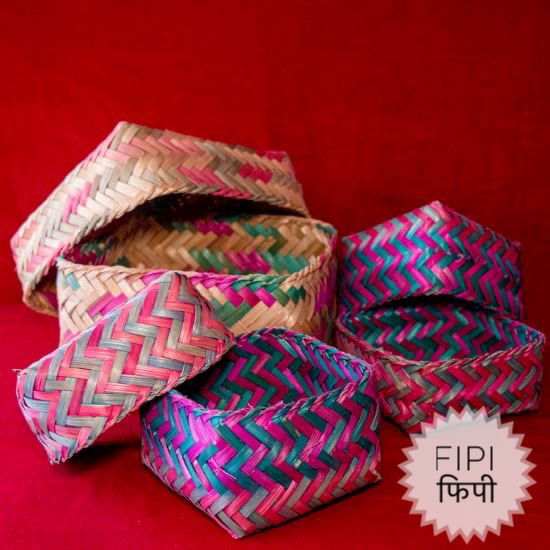
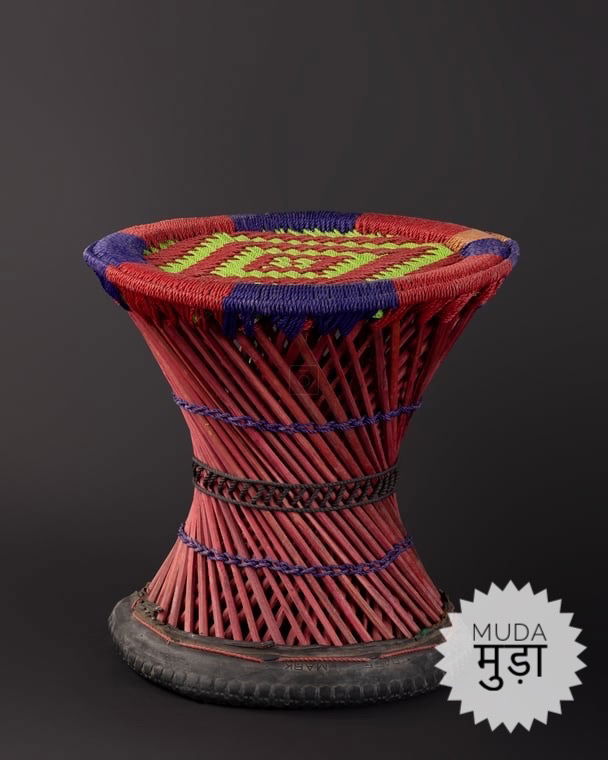
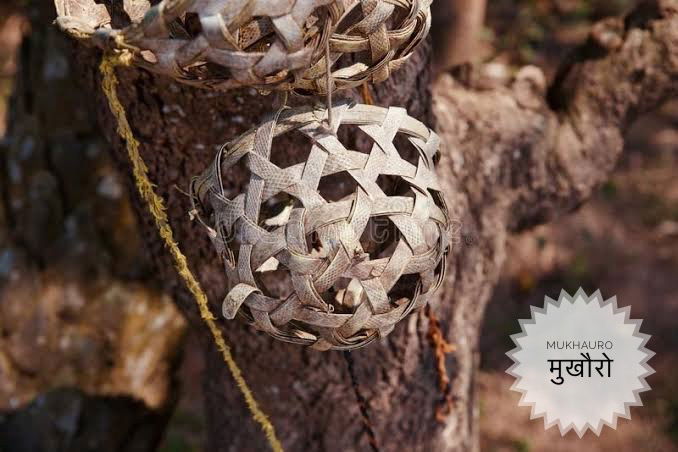
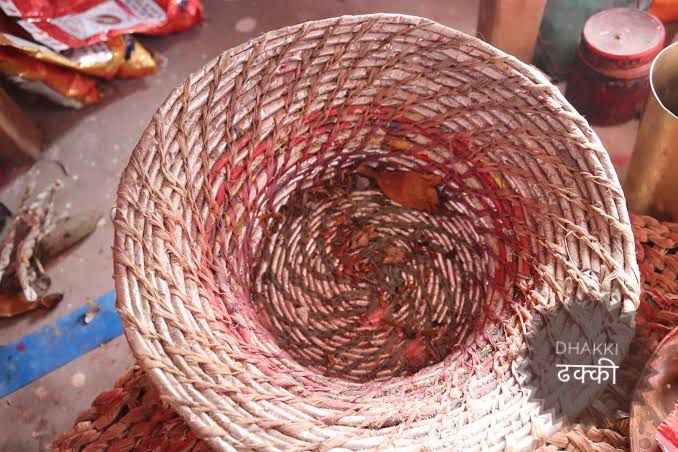
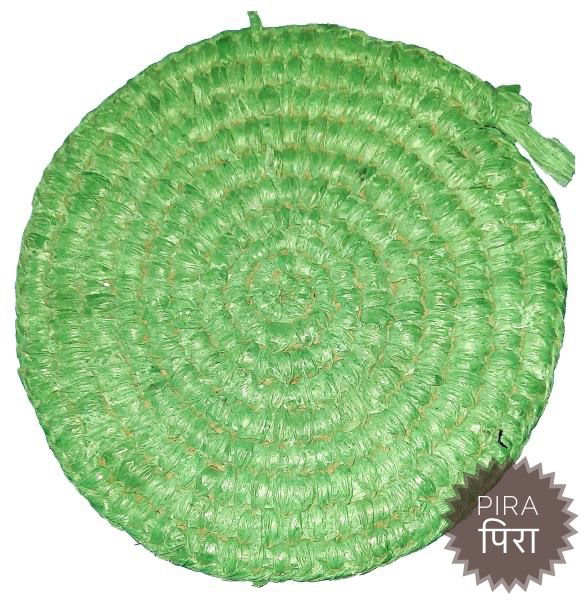
Kirati traditional Craft
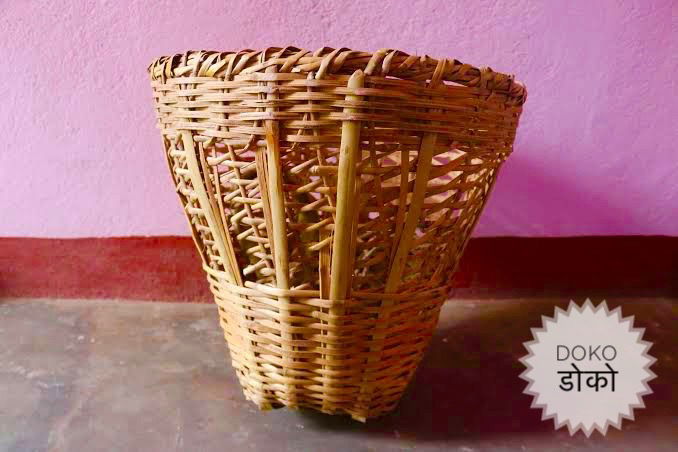
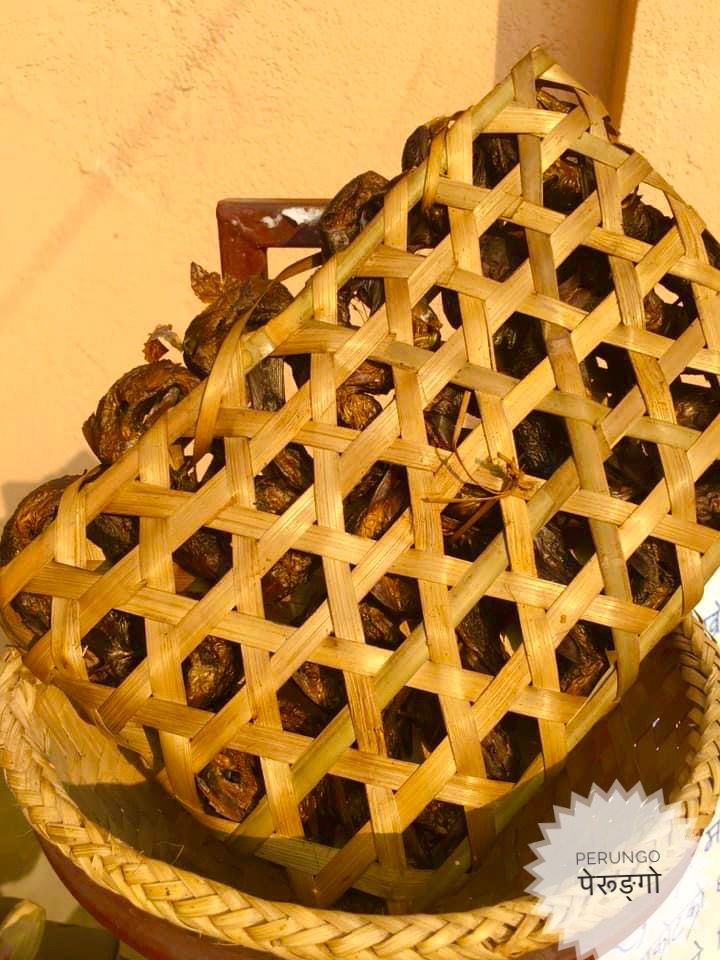
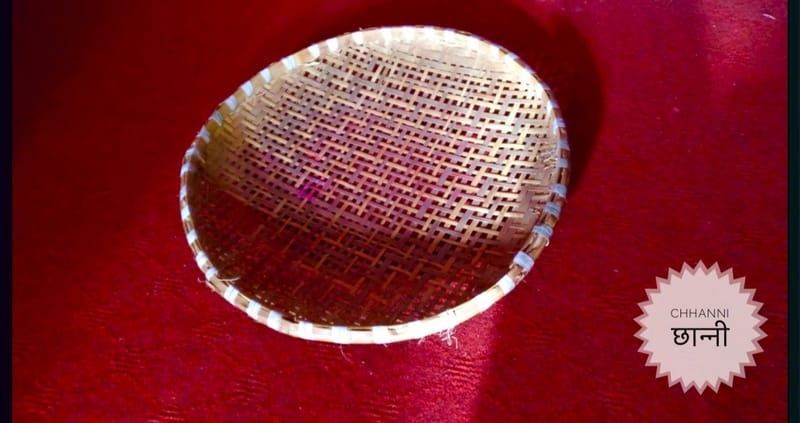
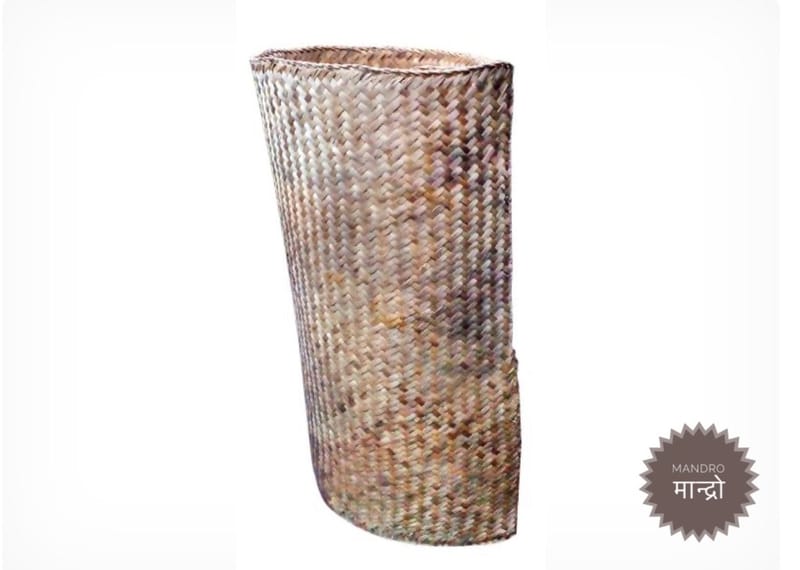
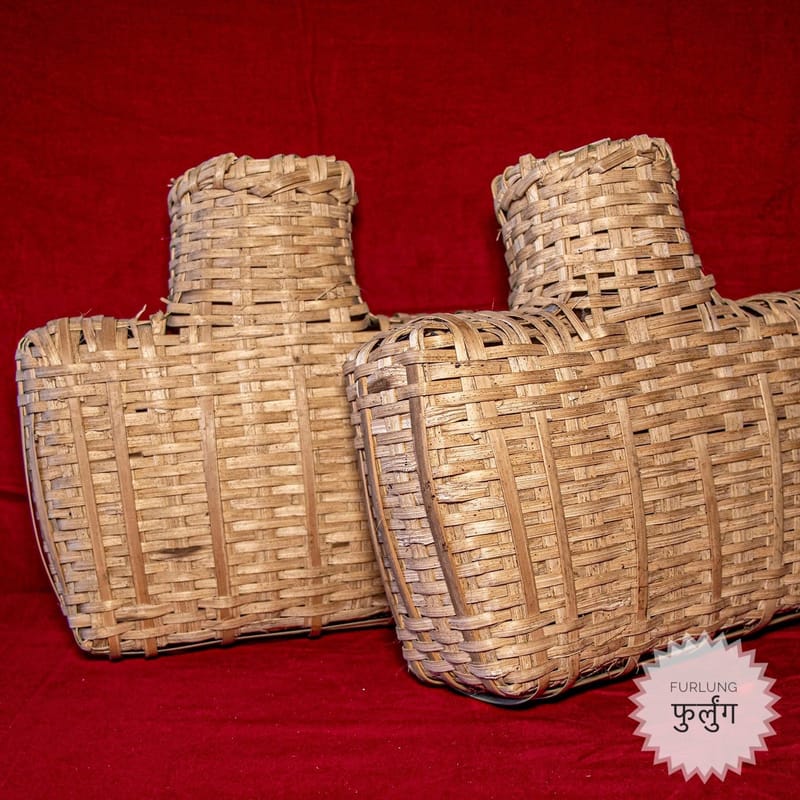
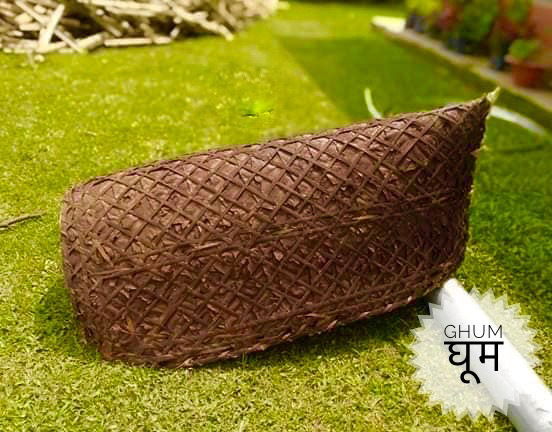
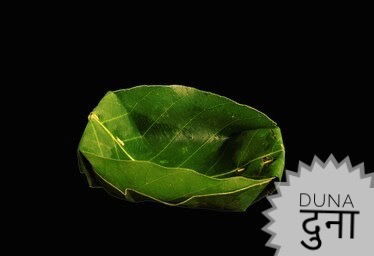
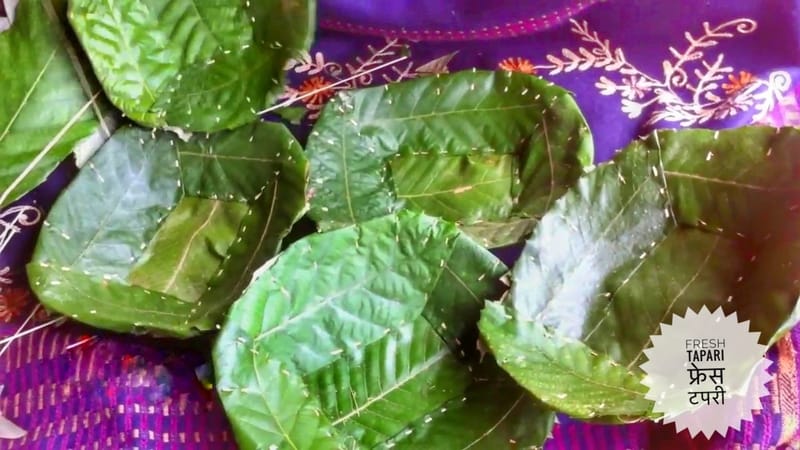
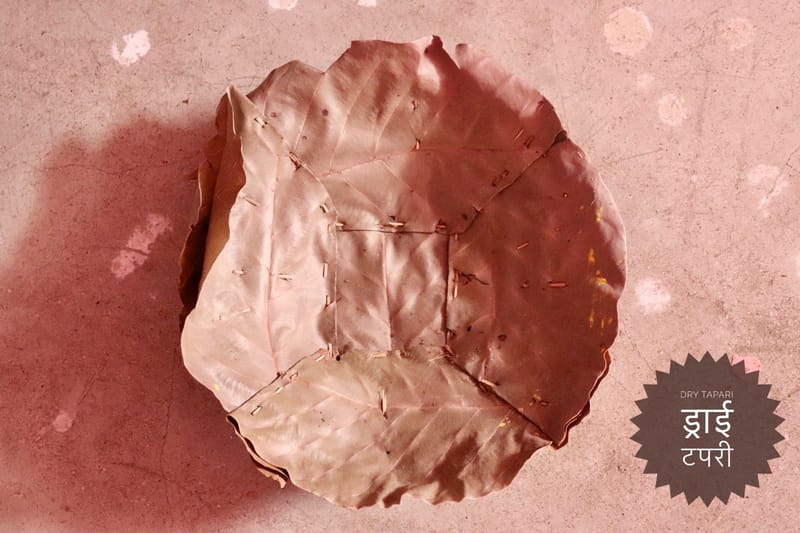
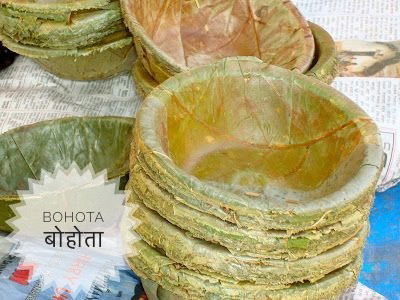
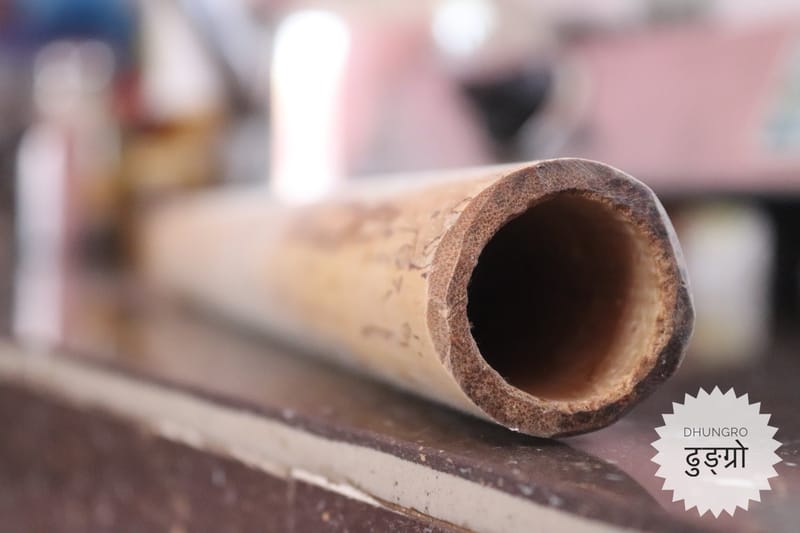
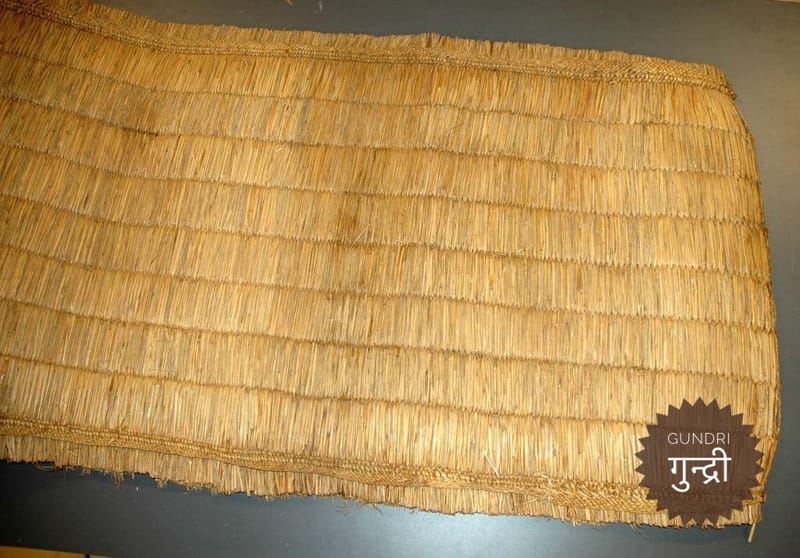
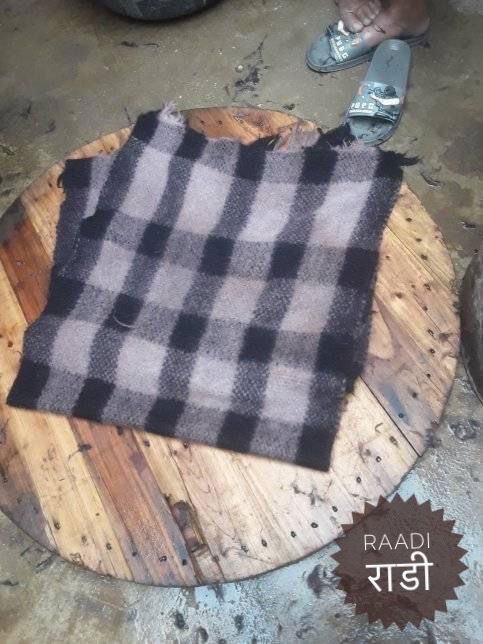
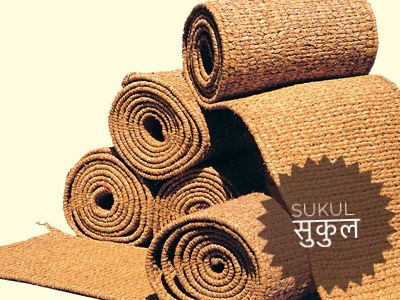
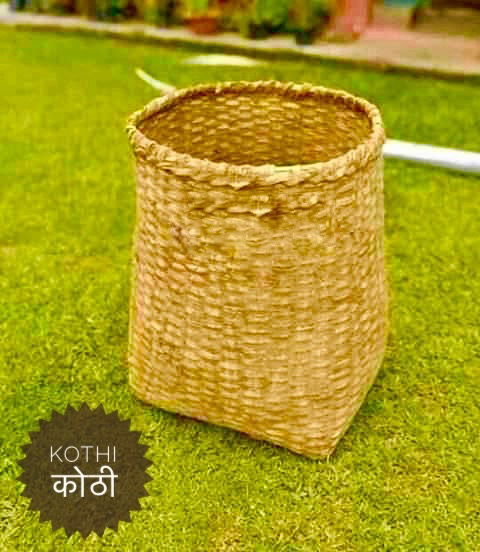
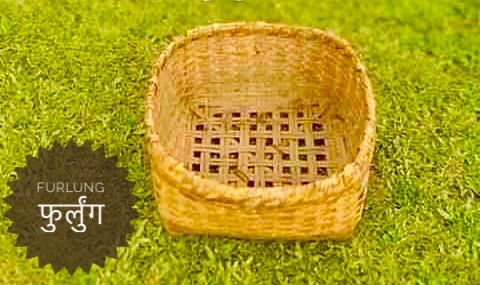
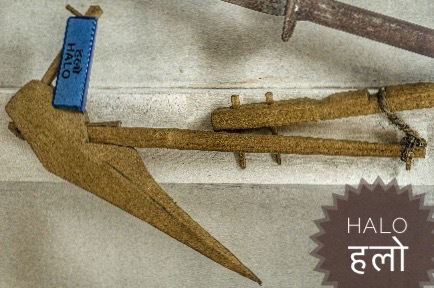
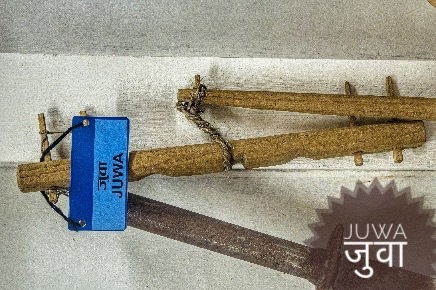
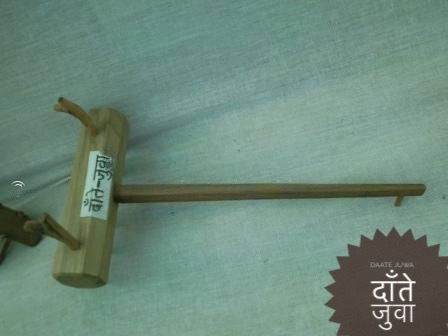
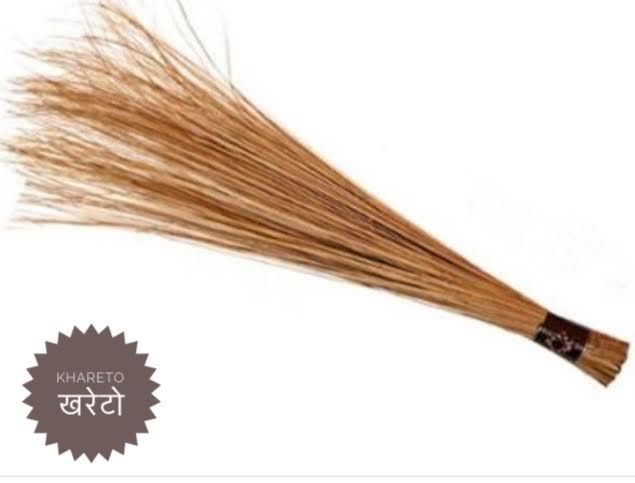
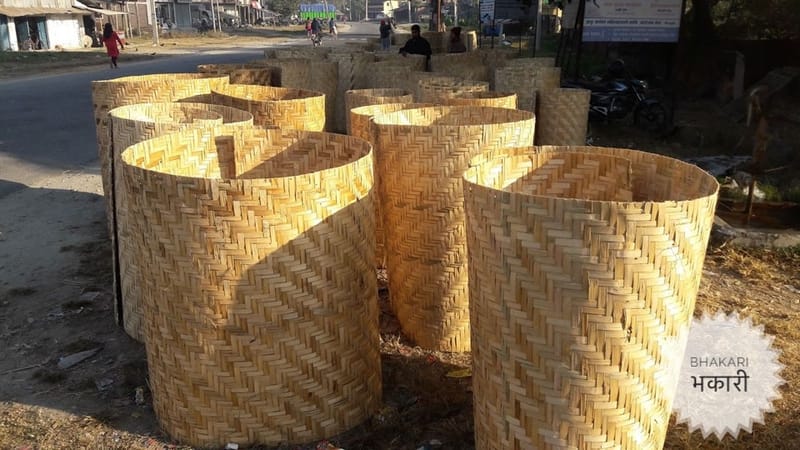
1.Doko 2.Daalo 3.Nanglo 4.Thunche 5.Fipi 6.Muda 7.Mukhauro 8.Dhakki 9.Pira 10.Perungo 11.Chalni 12.Maandro 13.Furlung 14.Ghoom 15.Duna 16.Fresh Tapari 17.Dried Tapari 18.Bohota 19.Namlo 20.Dhungro 21.Gundri 22.Radi 23.Sukul 24.Kothi 25.Fochel 26.Halo 27.Juwa 28. Daate Juwa 28.Khareto 29.Bhakari
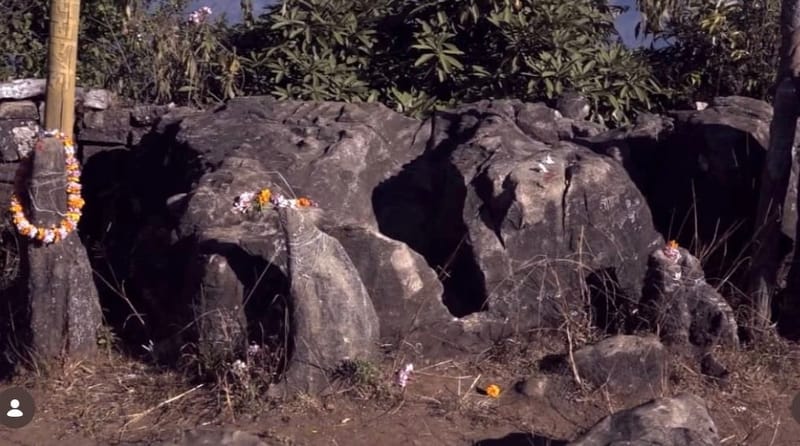
Tuwachung: The Sacred Mundumi Path and Origin of Clothing in Kirat Rai History
(Tuwachung) This place holds great importance in the Kirat Rai community. This is the place where Ana Toyma and Ana Khiyama weaved clothes on their body for the first time. It is when Kirat Rai community has started wearing clothes and weaving from Toyama and Khiyama. When Nakchong Khim Singh or Khim Thoma, it is necessary to reach many places via Mundumi road, then it is necessary to reach Tuwachung. Currently this place is in Khotang.
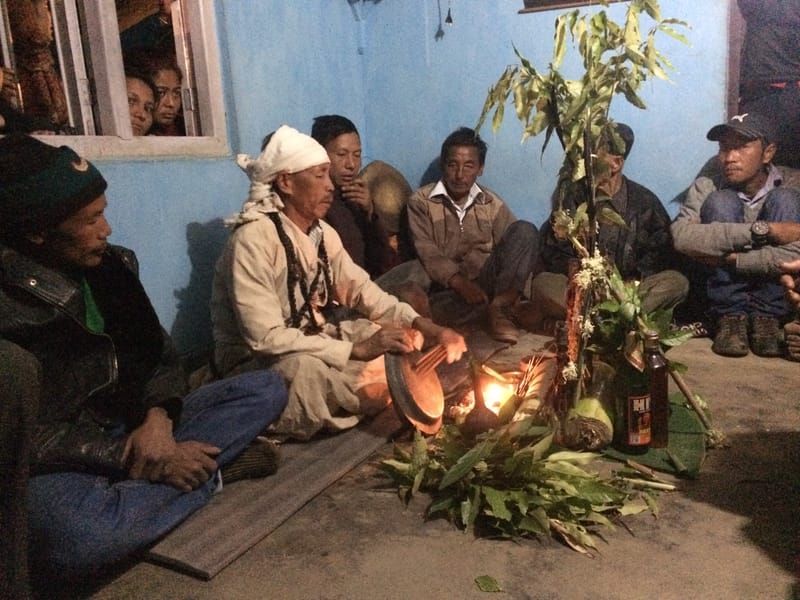
Kirati Ritual
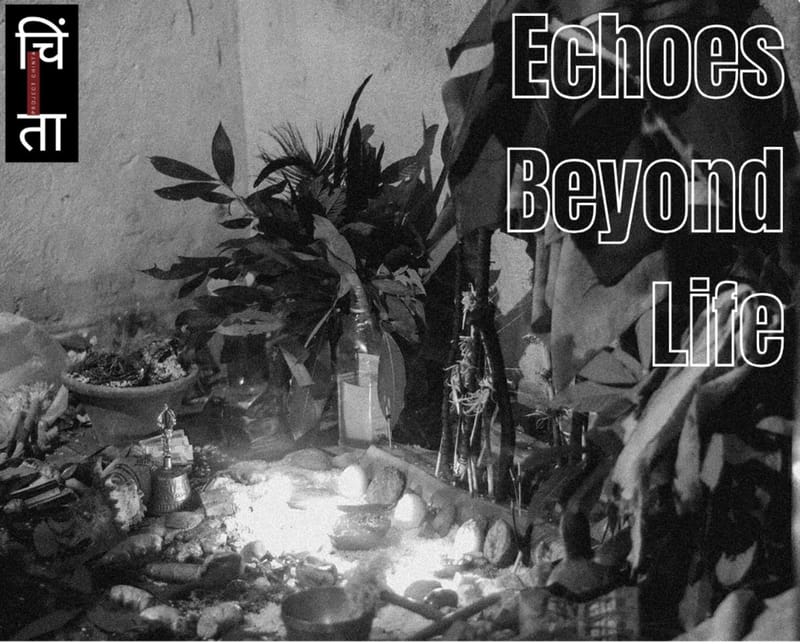
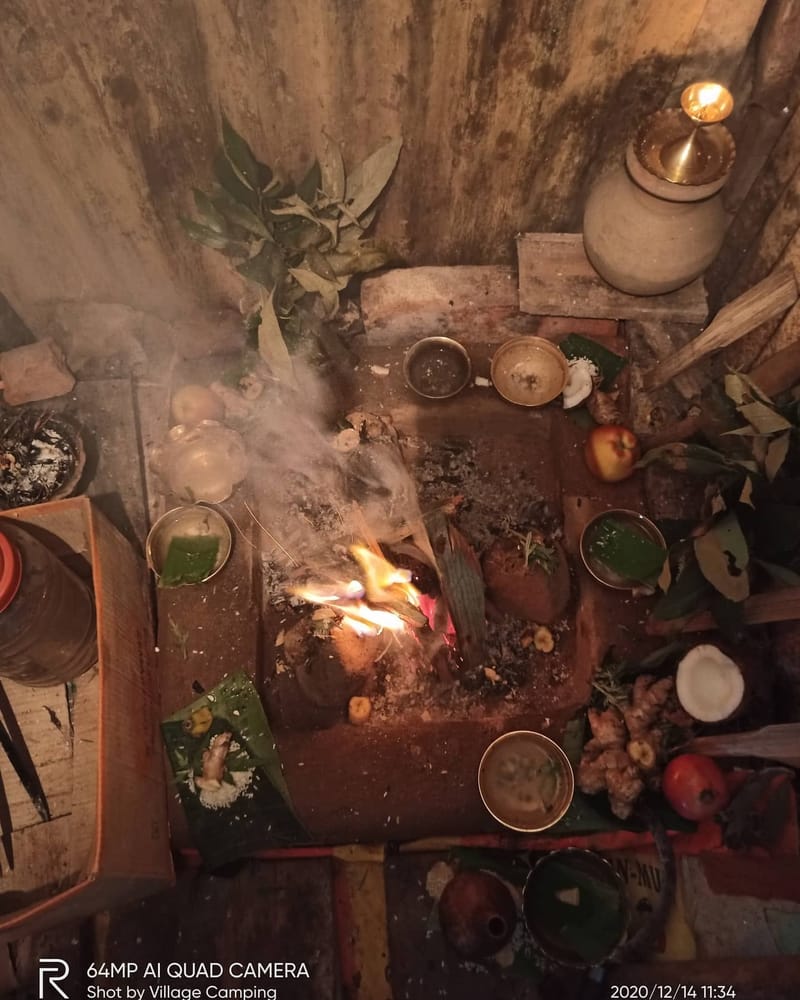
Death Ritual
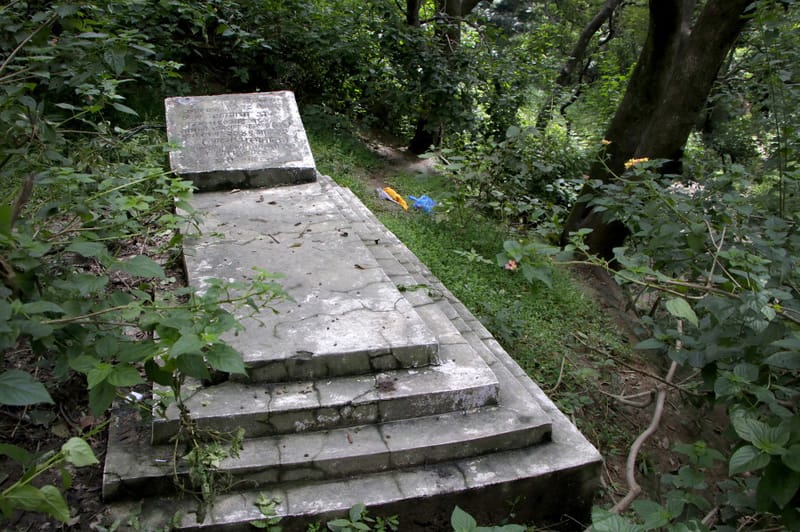
Body is either buried or cremated, upon the wish of the dead person. But the body must be buried in the case of unnatural death.